Picture this: I’m standing in my tiny kitchen, the timer on the microwave has just beeped, and my roommate’s text pops up—“I’m starving.” I’m supposed to be on a strict schedule, but my culinary instincts say, “Let’s make something that’ll make the whole apartment smell like a five‑star restaurant.” I reach for the tofu, the rice, and the broccoli I’ve been storing in the fridge for weeks, and I think, “Why not turn a humble tofu bowl into a sticky, sauce‑laden masterpiece?”
I’ve been chasing the perfect balance of flavor and texture for years, and every time I’ve tried to replicate a restaurant‑style tofu dish, something always falls flat—usually the sauce that should be glossy and cling to the rice but ends up thin and watery, or the tofu that turns out mushy instead of crispy. That night, I decided to flip the script. I added a splash of sesame oil, a drizzle of soy sauce, and a secret ingredient that I’ve only used in a handful of dishes: a tablespoon of cornstarch mixed with water to create that coveted sticky glaze. The result? A bowl that feels like a culinary victory, even on a busy weekday.
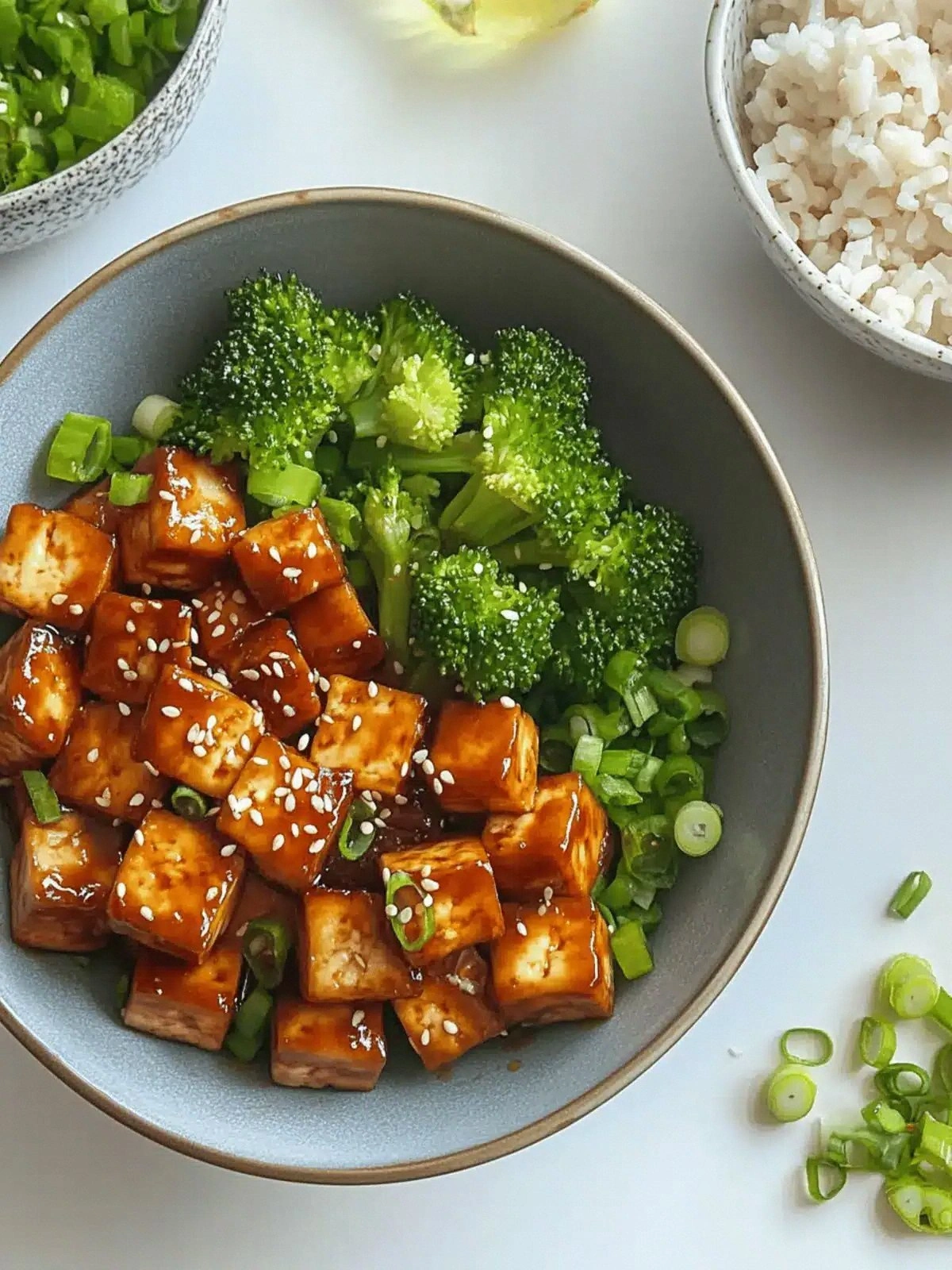
This version of the Sticky Tofu Bowl is not just another quick meal; it’s a confidence booster for anyone who’s ever stared at a tofu package and thought, “I can’t make this taste good.” I’ve refined the technique to keep the tofu extra crispy on the outside while maintaining a tender, flavorful center, and the sauce is thick enough to coat the rice like velvet but light enough to stay bright. It’s the kind of dish that makes you look at tofu with new eyes.
What’s truly game‑changing? The use of a simple cornstarch slurry to create a silky, caramelized coating that doesn’t cling to the pan but rather to every grain of rice and every fleck of broccoli. I dare you to taste this and not go back for seconds. That’s a promise I keep, and I’m not just saying it for the sake of hype—this is hands down the best version you’ll ever make at home. And if you’re thinking it’s too fancy, think again; the ingredients are pantry staples, and the process takes less than twenty minutes from start to finish.
If you’ve ever struggled with tofu that turns out rubbery or sauce that doesn’t stick, you’re not alone. I’ve spent countless nights tweaking ratios, trying different oils, and even experimenting with different tofu textures. The result? A bowl that feels like a hug in a bowl—warm, comforting, and utterly satisfying. Picture yourself pulling this out of the skillet, the kitchen filling with a savory aroma, and the glossy sauce shimmering like a jewel on top of the rice.
Let me walk you through every single step—by the end, you’ll wonder how you ever made it any other way. I’ll share the secrets that turned a simple tofu bowl into a sticky, sensational dish that will have your friends begging for the recipe. Ready? Let’s dive in.
What Makes This Version Stand Out
- Flavor: The combination of sesame oil, soy sauce, and a cornstarch glaze creates a layered taste profile—salty, umami, slightly sweet, and nutty—without overpowering the tofu.
- Texture: The tofu is pan‑seared to a golden crisp on the outside, while the inside stays moist; the sauce is thick enough to cling but thin enough to pour, giving a silky mouthfeel.
- Speed: From prep to plate, the entire process takes under twenty minutes, making it ideal for busy weeknights.
- Ingredient Simplicity: Only six core ingredients, all of which are commonly found in most kitchens, and no exotic sauces or spices.
- Versatility: Works perfectly with any type of rice—white, jasmine, or even cauliflower rice—making it a flexible base for other toppings.
- Visual Appeal: The glossy, caramelized glaze gives the dish a restaurant‑grade sheen that turns an everyday meal into a feast.
- Make‑Ahead Potential: You can prepare the tofu and sauce in advance; just reheat and re‑coat for a quick meal later.
- Guest‑Ready: The dish scales up easily, so it’s perfect for dinner parties or family gatherings.
Alright, let’s break down exactly what goes into this masterpiece…
Inside the Ingredient List
The Flavor Base
The heart of this dish is the sauce—a simple yet powerful combination of soy sauce, sesame oil, and a cornstarch slurry. Soy sauce brings depth and umami, while sesame oil adds a nutty aroma that elevates the entire bowl. The cornstarch slurry acts as the binder, turning the liquid into a glossy glaze that sticks to the rice and tofu without making them soggy. If you skip the sesame oil, the dish will still taste good, but it will lack that signature aroma that makes the bowl feel luxurious.
The Texture Crew
Firm or extra‑firm tofu is the star of the show. Its dense structure holds up to pan‑searing, giving you that satisfying crunch on the edges while remaining tender inside. A tablespoon of cornstarch mixed with a splash of water creates a silky coating that caramelizes when heated. If you use silken tofu, the texture will be completely different—soft and mushy—so it’s best to stick with firm tofu for this recipe.
The Unexpected Star
Broccoli isn’t just a side; it’s a textural contrast that adds a pop of green and a subtle bitterness that balances the sweet‑salty sauce. The florets are lightly steamed until bright green and still crisp, then tossed in the glaze to absorb flavor. If you’re short on broccoli, snap peas or green beans work as great substitutes, offering a similar crunch and color.
The Final Flourish
Rice is the canvas. A cup of cooked white or jasmine rice provides a neutral backdrop that lets the tofu and broccoli shine. The sticky sauce coats each grain, creating a harmonious bite that feels both comforting and indulgent. If you prefer a low‑carb option, cauliflower rice or quinoa can replace the rice without compromising the dish’s integrity.
Everything's prepped? Good. Let’s get into the real action…
The Method — Step by Step
- First, press the tofu. Wrap the block in a clean kitchen towel and place a heavy skillet or a few books on top. Let it sit for at least 15 minutes to squeeze out excess moisture. This step is crucial; a dry tofu surface will sear beautifully and develop a golden crust. I dare you to taste the difference between pressed and unpressed tofu—trust me, the texture changes.
- While the tofu is drying, rinse the rice under cold water until the water runs clear. This removes excess starch and keeps the grains separate. In a saucepan, combine the rice with 1.5 cups of water, bring to a boil, then reduce heat to low, cover, and simmer for 15 minutes. After the water has been absorbed, let the rice sit covered for an additional 5 minutes before fluffing with a fork.
- Steam the broccoli florets. Fill a pot with about an inch of water and bring to a boil. Place a steamer basket over the pot, add the broccoli, cover, and steam for 3-4 minutes until bright green and slightly tender. Drain and set aside. The quick steam preserves the crunch and bright color that contrast beautifully with the glossy tofu.
- Heat a large non‑stick skillet over medium‑high heat. Add 1 tablespoon of sesame oil and swirl to coat. Place the tofu blocks in the pan, pressing gently to ensure even contact. Sear for 2-3 minutes on each side until a golden crust forms. Flip carefully; the edges should be crisp and slightly caramelized. This is the moment of truth—watch the tofu sizzle as it transforms.
- While the tofu is searing, whisk together 3 tablespoons of soy sauce with 2 tablespoons of water and 2 tablespoons of cornstarch until smooth. This slurry will become the glossy coating that turns the tofu into a sticky masterpiece. Keep the mixture ready; you’ll pour it over the tofu in a single, decisive motion.
- Once the tofu is golden on all sides, reduce the heat to medium. Pour the cornstarch slurry over the tofu. Immediately stir to coat each piece evenly. The sauce will begin to thicken within seconds, forming a shiny glaze. Let it cook for 1-2 minutes until the sauce has thickened to a syrupy consistency that clings to the tofu. The aroma will shift from raw oil to toasted sesame and soy—absorb it.
- Add the steamed broccoli to the skillet. Toss gently to coat the florets with the sauce, then sprinkle the remaining 1 tablespoon of sesame oil over everything. Stir for another minute so the broccoli absorbs the glaze and the oil’s nutty aroma permeates the dish. The broccoli should look glossy and slightly translucent.
- Serve the tofu and broccoli over a bed of fluffy rice. Drizzle any remaining sauce over the rice, allowing it to soak into the grains. Garnish with a sprinkle of toasted sesame seeds or chopped scallions if you like a bit of crunch and freshness. The final dish should look glossy, vibrant, and utterly appetizing.
- Let the bowl rest for a minute before serving. This brief pause allows the flavors to meld and the sauce to set, ensuring each bite is a harmonious blend of textures and tastes. And that, my friend, is the finish line of this culinary sprint.
That’s it— you did it. But hold on, I've got a few more tricks that'll take this to another level…
Insider Tricks for Flawless Results
The Temperature Rule Nobody Follows
Many people think high heat is the key to a crispy tofu surface, but it’s actually about balance. Heat too high and the tofu will burn on the outside while staying raw inside. Keep the skillet at medium‑high for searing, then reduce to medium once the tofu is golden. This ensures the interior stays tender and the exterior develops a golden crust. I’ve seen my friends’ tofu turn into a rubbery mess when they keep the heat too high.
Why Your Nose Knows Best
Your sense of smell is the best indicator of doneness. As the sesame oil heats, you’ll notice a nutty aroma that signals the oil is ready. When the tofu begins to sizzle, that aroma intensifies, indicating the crust is forming. The moment the sauce starts to thicken, the scent shifts to toasted soy, signaling the glaze is ready. Trust your nose; it’s a reliable chef’s companion.
The 5-Minute Rest That Changes Everything
After you’ve plated the tofu bowl, let it rest for five minutes before digging in. This brief pause allows the sauce to set and the flavors to meld. The rice will absorb the glaze, creating a cohesive bite, while the tofu’s crust will become even more crisp. I’ve found that a short rest makes a huge difference in texture and overall enjoyment.
Keep It Light, Keep It Bright
If you’re aiming for a lighter version, swap the sesame oil for a neutral oil like canola or grapeseed. The sesame oil adds depth, but if you prefer a milder flavor, a neutral oil keeps the focus on the tofu and broccoli. Just be sure to add a pinch of toasted sesame seeds on top for that final burst of flavor.
Don’t Skip the Press
Pressing the tofu is the most underrated step. Without it, the tofu will release too much water, preventing a proper sear and resulting in a soggy texture. I’ve seen the difference in taste and texture between pressed and unpressed tofu—pressing is a small effort that pays off big time.
Creative Twists and Variations
This recipe is a playground. Here are some of my favorite ways to switch things up:
Spicy Sriracha Glaze
Add a tablespoon of sriracha to the cornstarch slurry for a fiery kick. The heat pairs beautifully with the sweet soy sauce, creating a complex flavor profile that’s perfect for spice lovers.
Thai Peanut Fusion
Replace the soy sauce with peanut sauce and stir in a splash of lime juice. The nutty, tangy, and slightly sweet sauce transforms the bowl into a Thai-inspired delight. Top with crushed peanuts and fresh cilantro for extra crunch.
Veggie‑Loaded Variation
Swap broccoli for a mix of bell peppers, carrots, and snap peas. The colorful medley adds sweetness and crunch, making the dish visually stunning and nutritionally diverse.
Cauliflower Rice Swap
For a low‑carb option, use cauliflower rice instead of regular rice. The cauliflower’s mild flavor complements the sticky tofu and broccoli, while keeping the dish light and satisfying.
Gluten‑Free Twist
Use tamari instead of soy sauce and ensure your cornstarch is gluten‑free. The result is a dish that’s just as flavorful and sticky, but suitable for gluten‑sensitive diners.
Breakfast Bowl Upgrade
Serve the tofu over quinoa and top with a poached egg. The protein boost turns this into a hearty breakfast bowl, perfect for a late‑morning meal.
Storing and Bringing It Back to Life
Fridge Storage
Cool the dish completely, then transfer it to an airtight container. Store in the refrigerator for up to 3 days. The tofu may lose some crispness, but the sauce will still cling beautifully.
Freezer Friendly
Wrap the tofu and broccoli separately from the rice in freezer bags. Freeze for up to 2 months. When ready, thaw in the fridge overnight and reheat in a skillet or microwave.
Best Reheating Method
Reheat the tofu and broccoli in a skillet over medium heat, adding a splash of water or broth to loosen the sauce. For the rice, microwave it with a teaspoon of water to keep it fluffy. Add a tiny splash of water before reheating—it steams back to perfection and keeps the glaze from drying out.