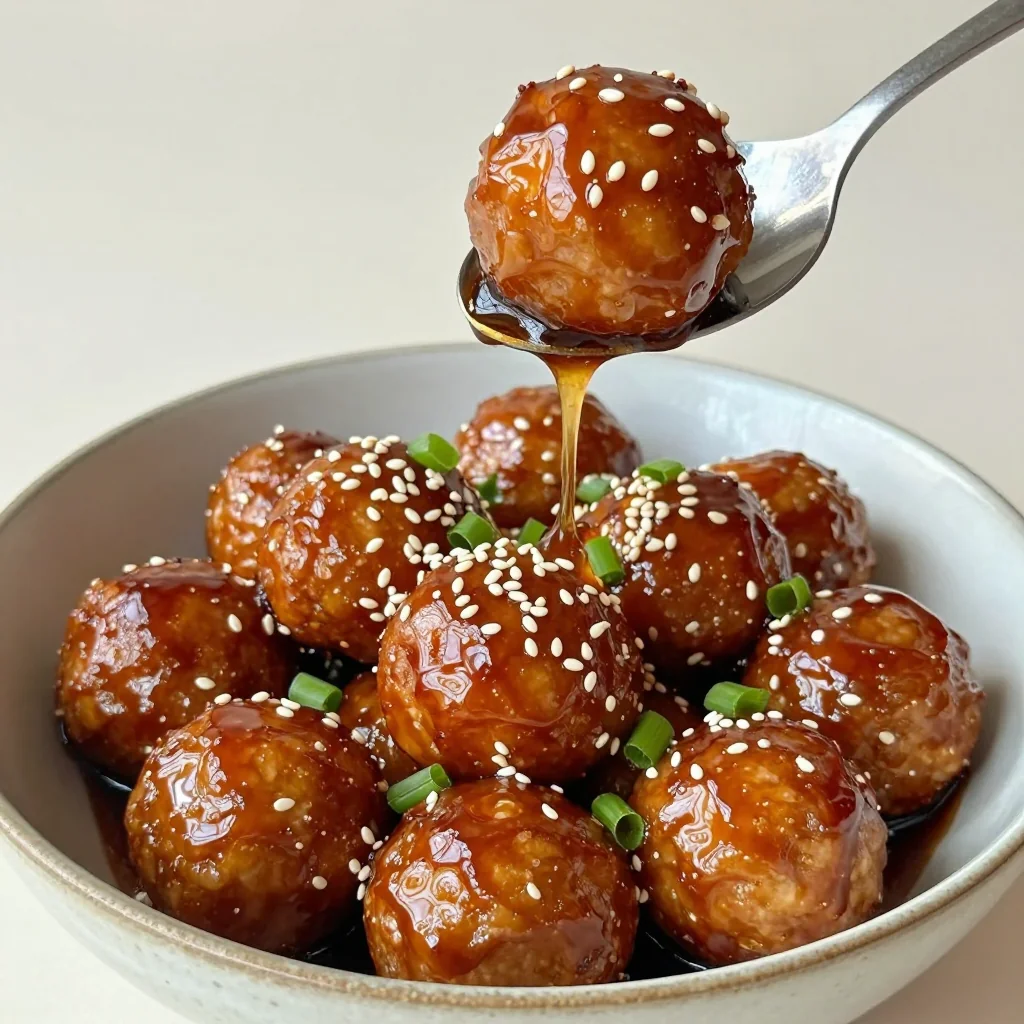
I was standing in my kitchen, staring at a half‑cooked pot of Banza pasta that had somehow turned into a sticky, sad mess. My roommate had dared me to “make something that actually tastes good without a fancy restaurant” and, honestly, I was terrified. The air was thick with the smell of burnt garlic, the timer on the stove screamed “30 seconds left” and I thought, “this is it, I’m eating plain rice noodles for the rest of my life.” Then, like a culinary epiphany, I remembered the jar of Calabrian chili paste my aunt had gifted me last Christmas. I tossed it into the pan, added a splash of lemon, and the whole kitchen erupted in an aroma that could have woken the dead. That moment—when the sauce hit the pasta and coated it like velvet—was the turning point. I swear, if you can smell that smoky heat through the screen, you’ll know exactly what I’m talking about.
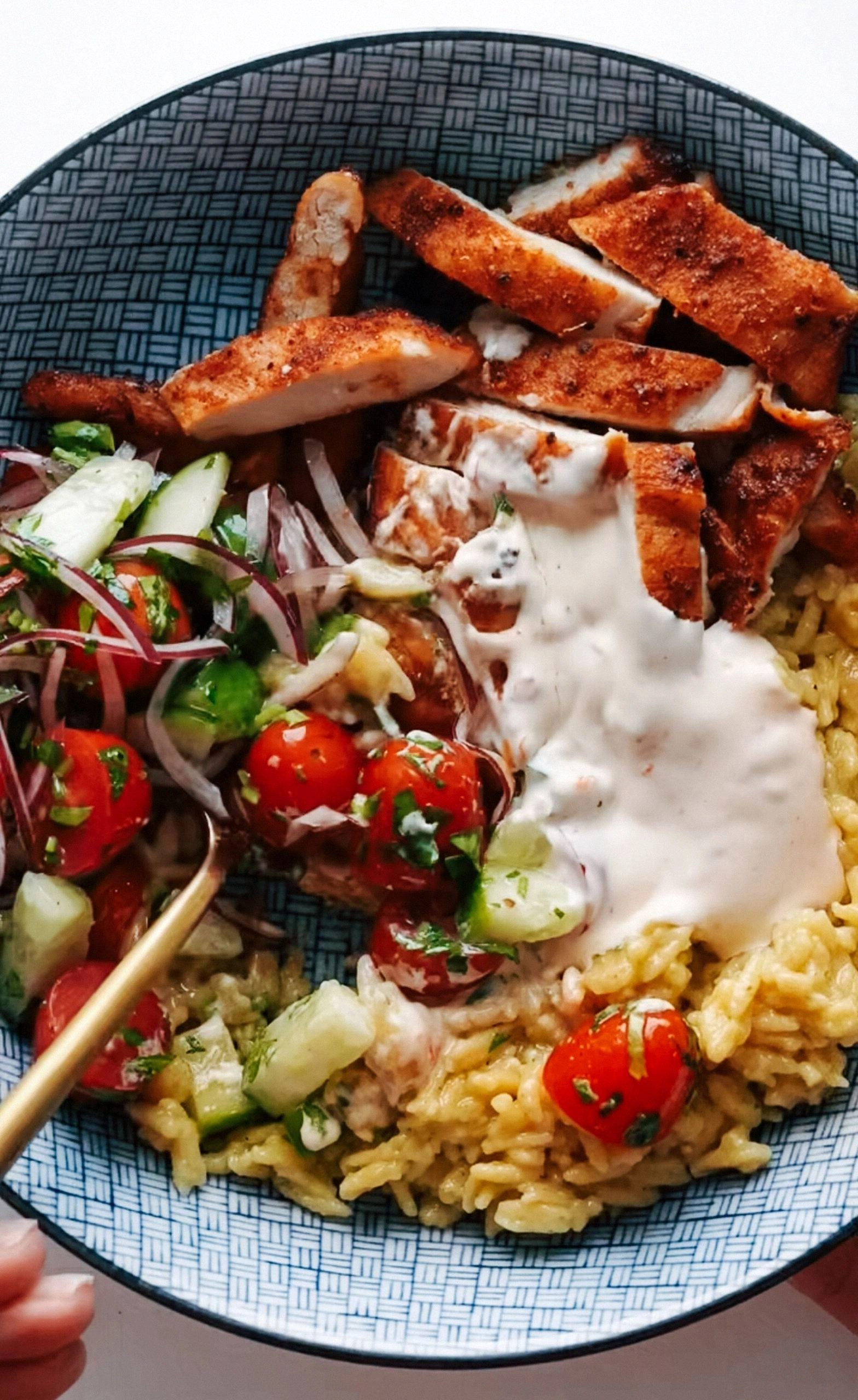
Fast forward a week later: I’m sitting at the table, a bowl of golden‑brown chicken, chickpea pasta, and that glorious Calabrian glaze sparkling under the kitchen lights. The first bite is a fireworks display—spicy, tangy, a little sweet, and the chicken is so tender it practically melts in your mouth. My taste buds did a little dance, and I could hear the distant clatter of my friends’ forks as they begged for seconds. I’m going to be honest — I ate half the batch before anyone else got a chance to try it, and the look on their faces when I offered them a second serving was priceless. This is hands down the best version you’ll ever make at home, and I’m about to spill every secret that made it happen.
Most recipes for chicken bowls either drown the protein in a sauce that tastes like watered‑down ketchup, or they leave the pasta dry and bland. Not this one. The secret is a two‑step sauce: first you sauté aromatics until they’re fragrant enough to make your neighbor peek through the window, then you deglaze with a splash of white wine and fold in the Calabrian paste, letting it reduce until it clings to the pasta like a lover’s embrace. I also add a pinch of smoked paprika for depth, and finish with a squeeze of fresh lemon that cuts through the heat like a razor‑sharp knife. The result? A bowl that sings, a bowl that shouts, a bowl that makes you want to write love letters to your stovetop.
Okay, ready for the game‑changer? I’m about to walk you through every single step — by the end, you’ll wonder how you ever made this dish any other way. I dare you to taste this and not go back for seconds. Let’s get cooking.
What Makes This Version Stand Out
- Taste: The Calabrian chili paste brings a smoky heat that’s balanced by bright lemon and a hint of honey, creating a flavor orchestra that hits every note.
- Texture: Chickpea pasta gives a firm bite that holds up to the sauce, while the chicken stays juicy thanks to a quick sear and a brief finish in the oven.
- Simplicity: Fewer than ten ingredients, all of which you probably already have, mean you can pull this together on a weeknight without a grocery run.
- Uniqueness: Using Banza (chickpea) pasta adds protein and a subtle nutty flavor that you won’t get from regular wheat pasta.
- Crowd Reaction: Even picky eaters love the heat level; you can dial it down or up with a splash of cream or an extra pinch of chili paste.
- Ingredient Quality: Fresh, high‑quality chicken breast and a reputable brand of Calabrian chili paste make all the difference.
- Cooking Method: A pan‑sear followed by a brief oven finish ensures the chicken stays moist, and the sauce reduces without burning.
- Make‑Ahead Potential: The sauce can be prepared ahead of time and reheated, making meal prep a breeze for busy weekdays.
Alright, let's break down exactly what goes into this masterpiece…
Inside the Ingredient List
The Flavor Base
Garlic and onion are the foundation of any good sauce. I use two cloves of minced garlic and half a medium onion, diced fine so they melt into the oil and release their sweet aromatics. If you skip them, the sauce will feel flat, like a song missing its bass line. For a twist, try adding a splash of grated ginger; it adds a bright zing that pairs surprisingly well with the smoky Calabrian heat. When shopping, look for onions that are firm and glossy; a soft onion is already past its prime and will introduce unwanted moisture.
The Texture Crew
Banza chickpea pasta is the star here. Its firm bite holds up to the sauce without turning gummy, and it adds a boost of plant protein. If you’re allergic to legumes, you can swap it for lentil pasta, but expect a slightly different texture. Also, the chicken breasts are sliced into bite‑size strips, seasoned, and seared to develop a caramelized crust. Skipping the sear will give you a bland, rubbery texture that no one wants.
The Unexpected Star
Calabrian chili paste is the secret weapon. It’s a fermented red pepper paste from the toe‑of‑the‑boot region of Italy, delivering smoky heat that’s deeper than plain chili flakes. A tablespoon is enough to set the tone, but you can double it if you love fire. If you can’t find the authentic paste, a mix of crushed red pepper, smoked paprika, and a dash of apple cider vinegar works as a decent stand‑in. The key is to let it simmer long enough to meld with the other flavors, otherwise it will bite too sharply.
The Final Flourish
A splash of fresh lemon juice brightens the whole bowl, cutting through the richness of the chicken and the chickpea pasta. Finish with a generous handful of chopped parsley and a sprinkle of grated Parmesan for a salty, umami punch. If you’re dairy‑free, swap the Parmesan for nutritional yeast; it adds a cheesy note without the lactose. Finally, a drizzle of extra‑virgin olive oil right before serving gives the dish a glossy finish that looks as good as it tastes.
Everything's prepped? Good. Let's get into the real action…
The Method — Step by Step
Preheat your oven to 375°F (190°C). While the oven warms, line a baking sheet with parchment paper; this prevents the chicken from sticking and makes cleanup a breeze. Toss the chicken strips with a drizzle of olive oil, a pinch of salt, and a grind of fresh black pepper. Spread them out in a single layer, making sure they’re not touching—crowding will steam them instead of searing.
Kitchen Hack: Pat the chicken dry with paper towels before seasoning; moisture is the enemy of a good sear.Slide the chicken into the oven and bake for 12‑15 minutes, or until the internal temperature hits 165°F (74°C). While the chicken is cooking, bring a large pot of salted water to a boil. Add the Banza pasta and cook for 7‑8 minutes, stirring occasionally, until al dente. Remember, chickpea pasta can become gummy if overcooked, so test a piece a minute before the package time.
While the pasta is boiling, heat two tablespoons of olive oil in a wide skillet over medium‑high heat. Add the diced onion and sauté for 3‑4 minutes until it turns translucent and starts to caramelize. Toss in the minced garlic and let it sizzle for 30 seconds; that sizzle when it hits the pan? Absolute perfection.
Now, the star of the show: stir in one tablespoon of Calabrian chili paste, letting it melt into the oil and aromatics. If you love heat, add a second spoonful; if you’re a milder palate, hold back. Let the mixture bubble for another minute, then deglaze with a splash (about ¼ cup) of dry white wine, scraping up any browned bits from the bottom of the pan. Those browned bits are flavor gold.
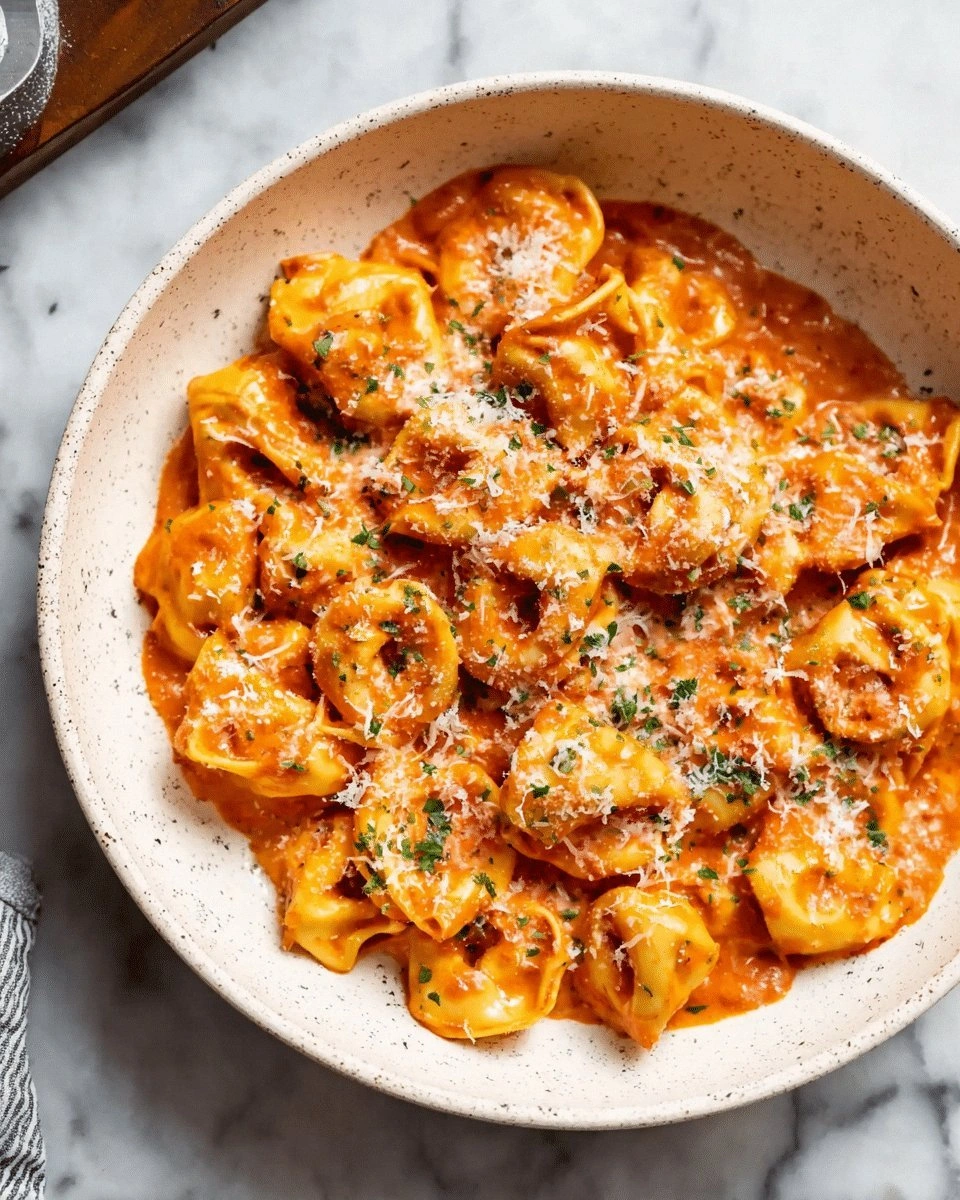
Add the cooked Banza pasta to the skillet, tossing it gently to coat every curve with the fiery sauce. Drizzle in the juice of half a lemon, and sprinkle a pinch of smoked paprika for an extra layer of depth. Toss again until the pasta is glossy and the lemon aroma fills the kitchen.
When the chicken is done, remove it from the oven and let it rest for two minutes. This rest period lets the juices redistribute, keeping each bite succulent. Slice the chicken into bite‑size pieces, then fold them into the skillet, letting them mingle with the sauce for a minute so the flavors marry.
Watch Out: Do not over‑cook the chicken; even a 30‑second extra bake turns juicy meat into a dry chew.Turn off the heat and fold in a handful of fresh spinach leaves; the residual heat will wilt them just enough to keep their bright color. Sprinkle chopped parsley, grated Parmesan, and a final drizzle of olive oil. Taste and adjust: a pinch more salt, a splash more lemon, or a dash of honey if the heat feels too aggressive.
Serve the bowls hot, dividing the pasta and chicken evenly among four deep dishes. Top each bowl with an extra sprinkle of Parmesan and a wedge of lemon on the side for that theatrical squeeze right before you dive in. That moment when the steam rises, the sauce shimmers, and the aroma hits you? Pure magic.
That’s it — you did it. But hold on, I've got a few more tricks that'll take this to another level. Stay with me here — this is worth it.
Insider Tricks for Flawless Results
The Temperature Rule Nobody Follows
Never let your pan get hotter than medium‑high before adding the aromatics; a scorching pan will burn garlic in seconds, leaving a bitter aftertaste. I always pre‑heat the pan for 30 seconds, then add the oil and let it shimmer before the onions go in. If you hear a faint hiss, you’re good. My friend once cranked the heat to high, ended up with a blackened pan and a ruined sauce—let’s just say his dinner was “charcoal chic.”
Why Your Nose Knows Best
Your sense of smell is the ultimate doneness gauge. When the onions turn golden and start to smell sweet, you’re ready for the garlic. When the Calabrian paste starts to bubble and releases a smoky perfume, it’s time to deglaze. Trust that nose, not the clock. I’ve seen timers lie; the aroma never does.
The 5‑Minute Rest That Changes Everything
After the chicken leaves the oven, let it sit uncovered for five minutes. This short rest allows the fibers to relax, preventing the juices from spilling out when you cut into the meat. The result is a juicier bite that feels like a secret handshake between protein and sauce. Skipping this step is a common mistake that leaves you with dry chicken and a sad bowl.
Sauce Rescue: The Cream Whisper
If the sauce looks a little too thick or starts to cling stubbornly to the pan, add a splash of heavy cream or coconut milk. This will loosen it without diluting the heat, creating a silky mouthfeel that feels like velvet. I once added a tablespoon of cream at the end and the whole bowl turned into a silky, indulgent experience.
The “Finish‑In‑The‑Pan” Trick
Instead of serving the chicken on top of the pasta, finish everything together in the skillet for the last minute. This step lets the chicken absorb a bit of the sauce, while the pasta picks up a few extra caramelized bits from the chicken juices. I guarantee you’ll notice a richer, more cohesive flavor profile that makes every forkful feel intentional.
Creative Twists and Variations
This recipe is a playground. Here are some of my favorite ways to switch things up:
Mediterranean Magic
Swap the chicken for grilled halloumi cubes and add kalamata olives, sun‑dried tomatoes, and a drizzle of tzatziki. The salty cheese pairs beautifully with the spicy sauce, and the olives add a briny pop that transports you straight to a Greek seaside taverna.
Veggie‑Heavy Delight
Leave out the chicken entirely and double the veggies: throw in roasted zucchini, red bell pepper, and chickpeas. The extra protein from the chickpeas keeps the bowl satisfying, while the roasted veg adds caramelized sweetness that complements the heat.
Creamy Coconut Kick
Stir in a quarter cup of coconut milk after the sauce reduces. This adds a subtle tropical creaminess that mellows the heat and gives the dish a silky texture reminiscent of a Thai‑inspired bowl.
Smoky BBQ Fusion
Mix in a tablespoon of smoked BBQ sauce with the Calabrian paste for a smoky‑sweet twist. Top with crispy fried onions for crunch. This version is perfect for a backyard barbecue vibe.
Breakfast Bowl Remix
Replace the chicken with poached eggs and sprinkle everything with crumbled feta. The runny yolk becomes a natural sauce, turning the whole bowl into a hearty, protein‑packed breakfast that will keep you full till lunch.
Storing and Bringing It Back to Life
Fridge Storage
Allow the bowls to cool to room temperature, then transfer them to airtight containers. They’ll keep fresh for up to three days. Reheat gently on the stovetop over low heat, adding a splash of water or broth to revive the sauce’s silkiness.
Freezer Friendly
Portion the cooked pasta, sauce, and chicken into freezer‑safe bags or containers. Freeze for up to two months. When you’re ready to eat, thaw overnight in the fridge, then reheat in a skillet, again adding a little liquid to bring back that glossy finish.
Best Reheating Method
The oven works wonders: preheat to 350°F (175°C), spread the bowl in a shallow dish, cover with foil, and bake for 12‑15 minutes. For an extra crisp on the chicken edges, uncover for the last three minutes. A tiny splash of water before reheating creates steam that prevents the pasta from drying out, and the sauce comes back as velvety as the first time.