Picture this: a midnight kitchen, a frantic scramble for dinner, and a pantry that looks like a grocery store exploded. I had just pulled a bag of instant ramen, a carton of eggs, and a lonely carrot from the fridge, and I was about to turn a culinary disaster into a triumph. The smell of over‑cooked rice and burnt garlic filled the air, and I knew I had to salvage the night. So I grabbed a pot, a wok, and a handful of fresh veggies, and decided to reinvent the humble fried rice into something that would make even the most skeptical foodie swoon.
The moment the sizzling oil met the diced carrots, the kitchen transformed into a symphony of aromas—sweet, earthy, and just a hint of smoky. The crunch of the peas, the bright pop of bell peppers, and the delicate snap of green onions all danced together, creating a sensory tapestry that felt like a celebration in a pan. I could almost hear the clatter of the wok, feel the heat radiating, and taste the subtle umami of soy sauce mingling with sesame oil. If you’ve ever stared at a bowl of plain rice and thought it was a culinary dead end, this is the moment you realize that the world of flavor is only a stir-fry away.
What sets this version apart isn’t just the ingredients—it’s the philosophy that every bite should feel like a bold statement. I dare you to taste this and not go back for seconds; the texture is a harmonious blend of crispy edges and fluffy grains that shatter like thin ice when you bite. This is hands down the best version you'll ever make at home, a dish that turns simple pantry staples into a gourmet experience. The secret lies in the balance of heat, the timing of each stir, and the final splash of sesame oil that coats the rice like velvet.
I’ll be honest—I ate half the batch before anyone else got to try it. Most recipes get this completely wrong by overcooking the rice or underseasoning the veggies. Picture yourself pulling this out of the pan, the whole kitchen smelling incredible, and watching your friends’ eyes widen as they taste the first spoonful. Let me walk you through every single step—by the end, you'll wonder how you ever made it any other way.
What Makes This Version Stand Out
- Taste: The umami punch from soy sauce and the nutty aroma of toasted sesame oil create a flavor profile that feels both familiar and adventurous.
- Texture: The rice remains fluffy yet slightly caramelized, while the vegetables retain a satisfying crunch that keeps each bite interesting.
- Simplicity: With just a handful of pantry staples and fresh produce, you can whip up a restaurant‑grade dish in under an hour.
- Uniqueness: A subtle kick of ginger and a splash of lime juice give this fried rice a bright, unexpected twist.
- Crowd Reaction: Friends who are usually picky eaters rave about the vibrant colors and the harmony of flavors.
- Ingredient Quality: Using fresh, high‑quality veggies and a good brand of soy sauce elevates the dish from ordinary to extraordinary.
- Cooking Method: The high‑heat wok technique locks in moisture and creates a lightly charred finish that is simply irresistible.
- Make‑Ahead Potential: Leftovers stay delicious when reheated, making this a perfect week‑night meal that doubles as a lunchbox treat.
Alright, let's break down exactly what goes into this masterpiece...
Inside the Ingredient List
The Flavor Base
Soy sauce is the backbone of any great fried rice; it brings depth and a savory note that balances the sweetness of the carrots and bell peppers. The sesame oil adds a nutty aroma that coats the grains, turning the dish from simple to sublime. A splash of lime juice at the end brightens the flavors and adds a subtle tartness that cuts through the richness.
If you’re a fan of a little heat, a teaspoon of fresh ginger or a pinch of red pepper flakes can elevate the dish to new heights. Swapping the soy sauce for tamari or coconut aminos gives a gluten‑free twist while retaining the umami punch. Remember, the seasoning should be adjusted to taste; don’t be afraid to taste as you go.
The Texture Crew
The rice is the canvas—4 cups of cooked white or brown rice provides the perfect base. Brown rice adds a nutty flavor and a slightly chewy bite, while white rice gives a lighter, fluffier feel. If you prefer a more substantial bite, try using sushi rice; it’s stickier but still works beautifully when stir‑fried.
The vegetables bring color, crunch, and nutrition. Carrots add sweetness and a vibrant orange pop, green peas offer a pop of green and natural sweetness, and bell peppers bring a satisfying crunch and a burst of flavor. Green onions add a fresh, oniony finish that lifts the entire dish.
The Unexpected Star
Eggs are the protein that binds everything together, creating a silky, slightly runny center that contrasts with the crisp veggies. If you’re vegan, tofu or tempeh can replace eggs, adding a hearty texture and a subtle nutty flavor. The tofu should be pressed and diced, then lightly pan‑fry until golden before adding the rice.
Garlic is the aromatics that infuse the oil with its pungent, slightly sweet essence. It’s essential for that fragrant base that makes the dish feel like a home‑cooked masterpiece. Keep the garlic thinly sliced so it cooks quickly and doesn’t become bitter.
The Final Flourish
Seasoning to taste is key—salt and pepper should be added gradually, tasting as you go to avoid over‑salting. The final splash of sesame oil and lime juice is what ties everything together, giving the dish a glossy finish and a bright finish that’s hard to resist.
Everything's prepped? Good. Let's get into the real action...
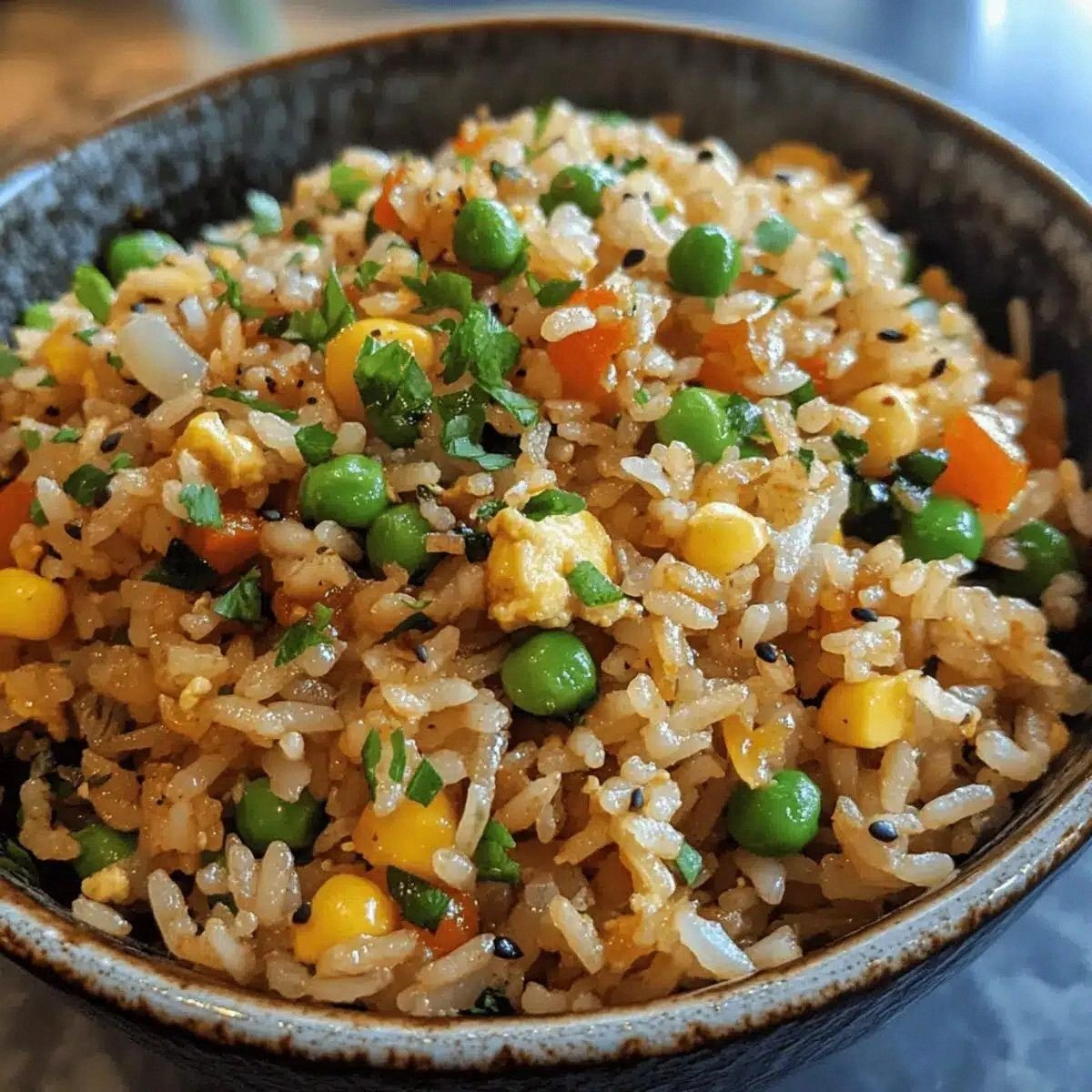
The Method — Step by Step
- Heat a wok or large skillet over high heat until it shimmers. Add one tablespoon of vegetable oil and swirl to coat. When the oil starts to smoke lightly, add the minced garlic and sliced carrots. Cook for 2–3 minutes, letting the carrots soften but still retain a slight bite. This is the moment of truth—watch the aroma rise.
- Add the diced bell peppers and green peas to the pan. Stir-fry for another 2 minutes until the vegetables are bright and just tender. Keep the heat high so the veggies stay crisp. The colors should pop, creating a visual feast that’s as appealing as it is delicious.
- Push the vegetables to one side of the pan and crack the eggs into the empty space. Scramble them gently until just set, then mix them into the vegetables. The eggs should be fluffy and slightly runny, creating a silky layer that coats the grains.
- Add the cooked rice, breaking up any clumps with a spatula. Stir-fry for 3–4 minutes, ensuring every grain is coated in oil and seasoned. This is where the rice starts to get that slight caramelization on the edges.
- Pour in three tablespoons of soy sauce and one teaspoon of sesame oil. Toss everything together so the sauce is evenly distributed. Taste and add salt or pepper as needed. The mixture should look glossy and slightly sticky.
- Add the sliced green onions and a handful of tofu or tempeh cubes. Stir-fry for another 2 minutes, letting the tofu absorb the sauce. This step brings a protein boost and a subtle nutty flavor that balances the veggies.
- Finish with a squeeze of lime juice, a sprinkle of freshly ground pepper, and a final toss. Let the dish sit for 1 minute before serving so the flavors meld. The lime brightens everything, while the pepper adds a subtle kick. Plate immediately for the best texture.
- That’s it — you did it. But hold on, I've got a few more tricks that'll take this to another level. The next section will reveal insider secrets that will make your fried rice the talk of the table.
Insider Tricks for Flawless Results
The Temperature Rule Nobody Follows
Stir‑frying at the right temperature is crucial; too low and the rice will steam, too high and the veggies will burn. Keep the heat on high, but keep the pan moving constantly. If the oil starts to smoke, it’s a sign that the heat is too high—lower it slightly and continue.
Why Your Nose Knows Best
Trust your nose; when the aroma shifts from raw garlic to toasted sesame, that’s the sweet spot. A slight nutty scent means the sesame oil has caramelized, adding depth. If you’re unsure, give it a quick sniff and adjust the seasoning accordingly.
The 5-Minute Rest That Changes Everything
Letting the fried rice rest for 5 minutes after cooking allows the flavors to meld and the rice to firm up slightly. This makes the texture more cohesive and prevents the grains from sticking together. Cover the pan loosely with foil to keep the heat trapped.
Use a Splatter Guard
When you add eggs or tofu, the oil can splatter dramatically. A splatter guard keeps your stove clean and prevents hot oil from splattering onto your face. It’s a small investment that saves a lot of cleanup.
Add a Pinch of Sugar
A tiny pinch of sugar balances the saltiness of the soy sauce and brightens the overall flavor profile. It also helps the rice develop a subtle caramelization. Add it right after the rice goes in, before the soy sauce.
Use a Non‑Stick Wok
A high‑quality non‑stick wok ensures the rice doesn’t stick and burn, especially when you’re working with high heat. It also allows for easier cleaning and a longer lifespan for your cookware.
Creative Twists and Variations
This recipe is a playground. Here are some of my favorite ways to switch things up:
Spicy Szechuan Kick
Add a tablespoon of Szechuan peppercorn paste and a few dashes of chili oil. The heat will dance on your tongue, while the peppercorns give a numbing sensation that’s oddly satisfying. Perfect for spice lovers.
Coconut Curry Fusion
Replace half the rice with coconut rice and stir in a teaspoon of curry powder. The coconut milk adds creaminess, while the curry brings warmth. This version feels like a tropical vacation in a bowl.
Mediterranean Medley
Swap the soy sauce for a splash of olive oil and add chopped sun‑dried tomatoes, olives, and feta. The Mediterranean herbs will give the dish a fresh, zesty twist. Great for a light, summery meal.
Mushroom Umami Boost
Sauté sliced shiitake or cremini mushrooms with garlic before adding the veggies. The mushrooms release a deep umami flavor that complements the soy sauce. Ideal for a hearty, vegetarian option.
Breakfast Burrito Rice
Stir in scrambled eggs, diced tomatoes, and a pinch of cumin. Serve in a tortilla with avocado slices for a breakfast‑themed twist. Breakfast meets lunch in one delicious bowl.
Pesto Power
Swirl in a spoonful of basil pesto at the end for a fragrant, herbaceous finish. The pesto adds a bright green color and a fresh, slightly nutty flavor that pairs well with the soy sauce. This variation feels like a garden in a pot.
Storing and Bringing It Back to Life
Fridge Storage
Store the fried rice in an airtight container for up to 3 days. Let it cool to room temperature before sealing to avoid condensation. This keeps the rice from becoming soggy.
Freezer Friendly
Freeze portions in freezer‑safe bags for up to 2 months. Thaw overnight in the fridge, then reheat in a skillet. The texture remains intact, and the flavors stay vibrant.
Best Reheating Method
Add a splash of water or broth before reheating to restore moisture. Stir frequently to prevent sticking. The rice should be piping hot and steaming, ready to serve in minutes.