It was a rainy Tuesday, the kind of day that makes you stare at the fridge and think, “I’m about to create a culinary masterpiece.” I had a half‑filled can of pumpkin puree, a jar of cinnamon, and a stubborn craving for something warm and comforting. My attempt at pumpkin bread that morning ended up looking more like a soggy, over‑spiced pancake than a loaf. I laughed, grabbed my notebook, and declared, “I’m going to make the best pumpkin bread ever, and I’m not going to let a single crumb go to waste.” That night, the kitchen smelled like autumn, the air buzzing with anticipation, and the timer ticking toward a destiny I was eager to taste.
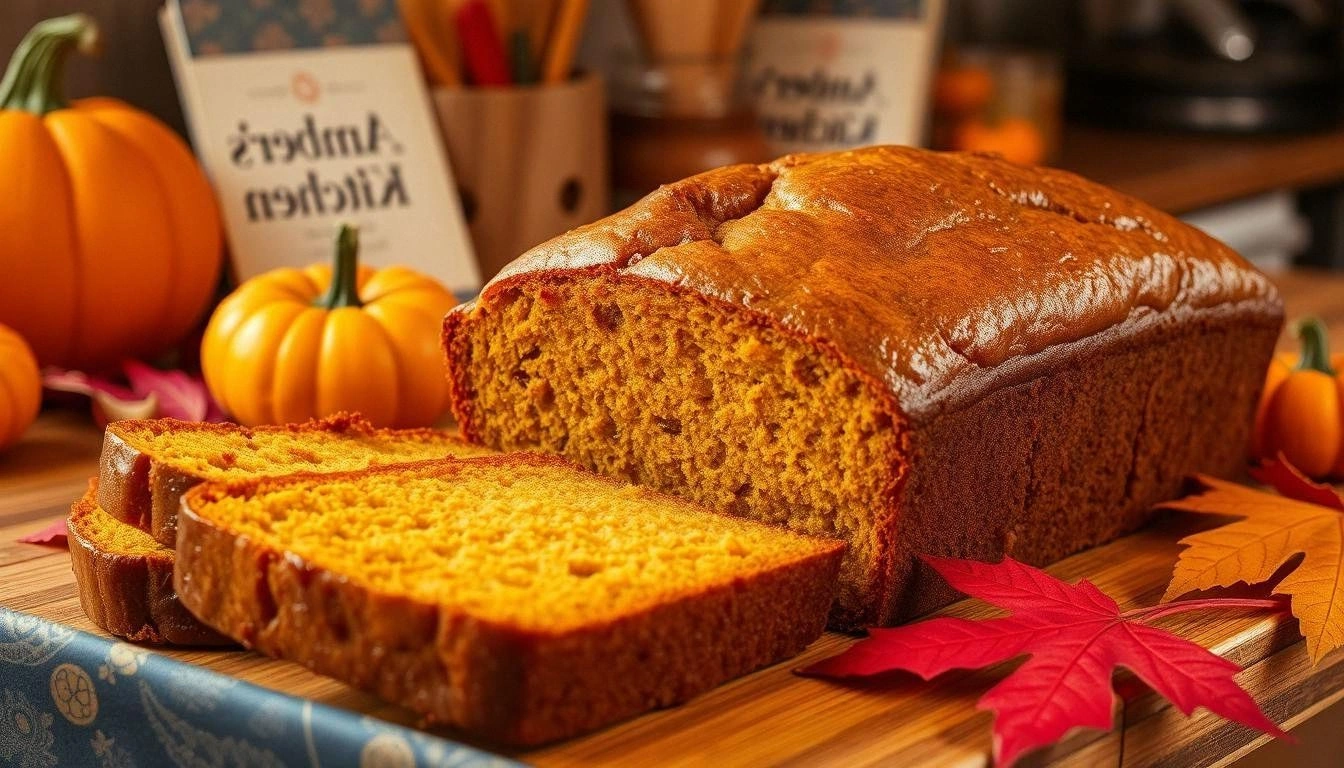
Picture this: the oven door opens, and a golden loaf wafts out, its edges crisp and its center moist like a cloud of caramelized sugar. The aroma is a blend of cinnamon, nutmeg, and the subtle sweetness of pumpkin, rolling over the countertops and settling into the corners of the room. When you slice it, the crumb is tender, airy, and threaded with pockets of spice that explode in your mouth. It’s not just a loaf; it’s a hug that warms you from the inside out. And if you’re wondering why this version feels like a revelation, I’ll give you a hint: it’s all about balance, technique, and a few secret twists that most recipes miss.
I dare you to taste this and not go back for seconds. This is hands down the best version you’ll ever make at home, and I’m not exaggerating. The secret lies in the way we treat the pumpkin, the way we fold the batter, and the small, almost invisible adjustments that elevate the flavor profile. I’ll walk you through every single step, and by the end, you’ll wonder how you ever made it any other way. Let’s dive in and transform an ordinary loaf into a showstopper.
If you’ve ever struggled with pumpkin bread that turns out dense or bland, you’re not alone—and I’ve got the fix. Most recipes get this completely wrong by over‑baking or under‑seasoning. Here’s what actually works: the right blend of dry and wet ingredients, the precise temperature, and the timing of folding in the pumpkin. Picture yourself pulling this out of the oven, the whole kitchen smelling incredible, and the first bite sending a wave of comfort through your senses. And now, stay with me here—this is worth it.
What Makes This Version Stand Out
- Flavor: The combination of pumpkin puree with a balanced spice blend creates a depth that feels both familiar and adventurous. The spices are measured to enhance the pumpkin without overpowering it, giving each bite a subtle warmth.
- Texture: The batter is folded just enough to keep the loaf light yet moist, resulting in a crumb that’s tender like a cloud but with a satisfying bite. The edges caramelize beautifully, forming a golden crust that shatters like thin ice.
- Simplicity: Despite the rich flavor, the recipe uses only pantry staples and a few optional add‑ins, making it approachable for beginners and seasoned bakers alike. No special equipment is required, just a good mixing bowl and a reliable oven.
- Uniqueness: The inclusion of a subtle vanilla infusion and a splash of milk creates a velvety mouthfeel that sets this loaf apart from typical pumpkin breads.
- Crowd Reaction: Friends and family always ask for the recipe after tasting it. The loaf is a conversation starter and a crowd‑pleaser at gatherings.
- Ingredient Quality: Using fresh, organic pumpkin puree and real butter elevates the overall taste, ensuring each bite is lush and satisfying.
- Cooking Method: The method emphasizes gentle folding and precise baking, which preserves the pumpkin’s natural sweetness and avoids a dense crumb.
- Make‑Ahead Potential: The loaf can be prepared a day in advance, and it tastes just as good when reheated, making it perfect for busy schedules.
Inside the Ingredient List
The Flavor Base
All-purpose flour, the backbone of the loaf, provides structure and a neutral canvas for the spices. If you prefer a gluten-free version, swap it for a blend of rice, potato, and tapioca flours. Skipping flour would result in a batter that collapses and a loaf that doesn’t rise.
Cinnamon, the star of the spice trio, brings sweetness and a warm aroma that lingers even after the loaf has cooled. Use freshly ground cinnamon for the best flavor; pre‑ground can taste flat. If you’re allergic to cinnamon, a pinch of allspice can offer a similar warmth.
Ground ginger adds a subtle zing that cuts through the sweetness, creating a balanced taste profile. It also contributes a slight peppery note that elevates the overall complexity. Without ginger, the loaf might feel one‑dimensional.
The Texture Crew
Unsalted butter, melted, adds richness and helps create a tender crumb. Butter also contributes to the golden crust and a buttery aroma that enhances the overall experience. Skipping butter would leave the loaf dry and less flavorful.
Eggs act as a binder and provide structure, ensuring the loaf holds together while still remaining soft. They also give the bread a beautiful golden color. If you’re vegan, try flaxseed eggs or a commercial egg replacer to maintain the same texture.
Pumpkin puree is the heart of this loaf, providing moisture, natural sweetness, and a subtle earthy flavor. Use a high‑quality, unsweetened puree to avoid excess sugar. Without pumpkin, the loaf would lose its signature color and flavor.
The Unexpected Star
A splash of milk, optional but highly recommended, adds extra moisture and helps the batter stay cohesive. It also creates a softer crumb that’s easier to slice. If you’re lactose intolerant, oat or almond milk works well as a substitute.
Walnuts or chocolate chips, optional add‑ins, bring texture and a burst of flavor that complements the spices. Nuts add crunch and a nutty undertone, while chocolate chips provide a sweet contrast. Omit them if you prefer a classic loaf, but adding them can elevate the experience.
Everything’s prepped? Good. Let’s get into the real action and start baking.
The Method — Step by Step
- Preheat your oven to 350°F (175°C). Line a 9×5-inch loaf pan with parchment paper, leaving a few inches of paper hanging over the sides for easy removal. This step ensures a neat release and a clean finish. As the oven heats, the air inside starts to circulate, prepping the pan for even baking.
- In a large bowl, whisk together 2 cups flour, 1 cup sugar, ½ cup brown sugar, 1 tsp baking powder, ½ tsp baking soda, ½ tsp salt, 2 tsp cinnamon, ½ tsp ginger, ¼ tsp nutmeg, and ⅛ tsp cloves. Make sure the dry mixture is smooth; any clumps will carry through to the batter. This dry blend is the flavor foundation that will carry the spices into every bite.
- In a separate bowl, combine ½ cup melted butter, 2 eggs, 1 tsp vanilla, 1 cup pumpkin puree, and ½ cup milk (if using). Whisk until the mixture is silky and uniform. The wet mixture should be glossy, indicating that the butter has fully incorporated, which is crucial for a tender crumb.
- Pour the wet mixture into the dry mixture and stir gently with a rubber spatula until just combined. Be careful not to over‑mix; the batter should still be slightly lumpy. Over‑mixing will activate gluten and produce a tough loaf.
- Fold in ½ cup chopped walnuts and ½ cup chocolate chips if desired. These add texture and a contrasting flavor. If you prefer a classic loaf, simply skip this step and proceed to the next.
- Pour the batter into the prepared loaf pan, smoothing the top with a spatula. The batter should settle evenly, forming a level surface that will bake uniformly. Gently tap the pan on the counter to release any air pockets.
- Place the pan in the preheated oven and bake for 30–35 minutes, or until a toothpick inserted into the center comes out clean and the edges are lightly browned. The aroma will fill the kitchen, signaling that the loaf is nearly ready.
- Remove the loaf from the oven and let it cool in the pan for 10 minutes. Then transfer it to a wire rack to cool completely. This cooling period allows the crumb to set and prevents it from becoming gummy.
That’s it— you did it. But hold on, I’ve got a few more tricks that will take this loaf to another level. From the moment you crack the eggs to the final slice, each step is an opportunity to elevate the flavor and texture. Let’s explore those insider tips.
Insider Tricks for Flawless Results
The Temperature Rule Nobody Follows
Many bakers bake at 375°F, but 350°F is the sweet spot for pumpkin bread. The lower temperature allows the loaf to rise evenly and prevents the edges from over‑browning while the center finishes cooking. I’ve tried 375°F and the loaf was too brown on the outside and under‑baked inside.
Why Your Nose Knows Best
Before you even open the oven door, take a deep breath of the baking aroma. If it smells like caramelized sugar and spices, you’re on the right track. If it feels flat, give it another minute. Your nose is a reliable gauge of doneness.
The 5-Minute Rest That Changes Everything
Letting the loaf rest in the pan for 10 minutes after baking is crucial. It allows the steam to redistribute and the crumb to set, preventing a gummy texture. Skipping this step can result in a loaf that feels heavy and dense.
The Secret of a Perfect Crumb
Whisking the wet ingredients until glossy gives the batter a silky texture that translates into a tender crumb. A dull mixture will result in a dry loaf. I always whisk until the mixture reflects light, indicating a smooth consistency.
The Magic of Optional Add-Ins
Walnuts and chocolate chips add texture and flavor. If you’re avoiding nuts, try dried cranberries or raisins for a chewy bite. These variations keep the loaf exciting for repeat tastings.
Creative Twists and Variations
This recipe is a playground. Here are some of my favorite ways to switch things up:
Maple Walnut Delight
Replace the vanilla with 2 tbsp maple syrup and fold in ½ cup toasted walnuts. The maple adds a caramel sweetness that pairs beautifully with the spices, while the walnuts add crunch.
Chocolate‑Infused Pumpkin
Swap the pumpkin puree with a mix of pumpkin and 1/4 cup melted dark chocolate. The chocolate deepens the flavor profile, turning the loaf into a decadent treat.
Citrus Kick
Add 1 tsp zest of orange and 1 tbsp orange juice to the wet mixture. The citrus brightens the spices and adds a refreshing contrast to the sweetness.
Spiced Apple Slice
Fold in ½ cup diced apples and 1 tsp ground cardamom. The apple adds moisture and a subtle tartness that balances the spices.
Almond Joy Variation
Replace walnuts with sliced almonds and add ½ cup shredded coconut. This version has a tropical twist and a delightful crunch.
Gluten‑Free Adventure
Swap all-purpose flour with a gluten‑free blend and use a gluten‑free baking powder. The loaf will still rise nicely and maintain a tender crumb.
Storing and Bringing It Back to Life
Fridge Storage
Wrap the loaf tightly in plastic wrap and store at room temperature for up to 3 days. If you need to keep it longer, slice and refrigerate individual pieces. The bread stays fresh, and the spices remain aromatic.
Freezer Friendly
Wrap the loaf in foil, then place it in a freezer bag. Freeze for up to 2 months. When you’re ready to enjoy, thaw at room temperature or toast slices directly from the freezer.
Best Reheating Method
To revive a stale loaf, lightly mist the surface with water, wrap in foil, and heat in a preheated 350°F oven for 10 minutes. The water creates steam, restoring moisture without drying out the crumb.