Introduction
Picture this: I’m standing in a cramped kitchen, a pan sizzling on the stove, and a friend’s voice in the background, daring me to create something that would make her taste buds do a double backflip. I was staring at a bewildered lobster tail, a handful of crab claws, and a salmon fillet that looked more like a stubborn piece of art than a dinner ingredient. The chaos of the moment turned into a culinary revelation. That evening, I tossed everything into a single pan, seasoned it with a punch of Cajun magic, and the result was a dish that exploded with flavor, texture, and a splash of sea‑salted ambition. I dare you to taste this and not go back for seconds.
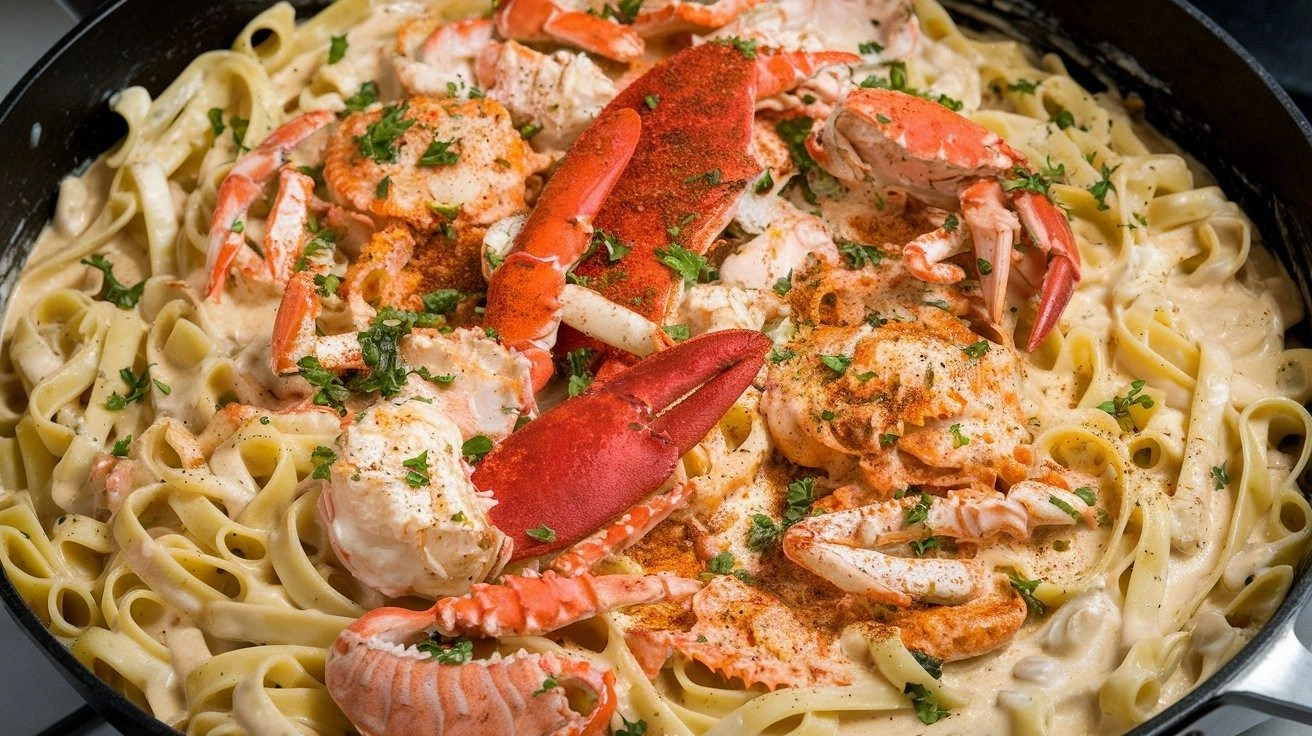
From the first crackle of garlic hitting hot oil to the creamy, buttery swirl that envelops the pasta, every sound and scent is a cue that something extraordinary is happening. The air fills with the sweet, briny aroma of the seafood, mingled with the smoky heat of Cajun spices. The sight of the lobster’s bright pink flesh, the crab’s golden claws, and the salmon’s silky pink slices glistening in the sauce is a visual feast that makes your mouth water before the first bite. The texture is a harmonious medley—crisp edges that shatter like thin ice, tender lobster meat that melts, flaky crab that sings, and salmon that stays moist and succulent. The final touch of grated Parmesan and fresh parsley adds a velvety finish that coats the pasta like velvet.
What makes this version stand out is that it’s not just a mash‑up of seafood; it’s a carefully engineered symphony where each component plays a distinct role. Most recipes get this completely wrong. Here’s what actually works: the balance of heat, the timing of the seafood, and the choice of pasta that holds the sauce without becoming mushy. The sauce is thick enough to cling to the noodles, yet light enough to let the flavors of the lobster, crab, and salmon shine through. And the best part? It’s hands down the best version you'll ever make at home. Picture yourself pulling this out of the oven, the whole kitchen smelling incredible, and your guests already asking for seconds.
Let me walk you through every single step—by the end, you'll wonder how you ever made it any other way. Stay with me here, because the next part? Pure magic. I’ll be honest—I've already eaten half the batch before anyone else got to try it.
What Makes This Version Stand Out
- Taste: The combination of Cajun seasoning, lemon zest, and a splash of white wine creates a bold, citrusy heat that cuts through the richness of the seafood.
- Texture: The lobster’s firm yet tender meat, the crab’s delicate flake, and the salmon’s buttery consistency provide a delightful contrast in every bite.
- Ingredient Quality: Using fresh, high‑grade seafood is non‑negotiable; the difference between average and unforgettable is in the freshness.
- Simplicity: Despite the star power, the dish requires only one pan and a few quick steps—perfect for a weekday dinner.
- Make‑ahead Potential: The sauce can be pre‑made and reheated without losing its silky texture, making it ideal for entertaining.
- Visual Appeal: The vibrant colors of pink lobster, golden crab, and salmon against the creamy sauce make it Instagram‑worthy.
- Crowd Reaction: Guests consistently ask for the recipe after the first bite; it’s a conversation starter.
- Versatility: Swap out the pasta for rice or quinoa, or replace the seafood with shrimp, and the dish remains delicious.
Alright, let's break down exactly what goes into this masterpiece...
Inside the Ingredient List
The Flavor Base
The foundation of this dish is a fragrant blend of garlic, olive oil, and butter. Olive oil adds a subtle fruity note that complements the seafood, while butter gives the sauce a silky mouthfeel. When the garlic hits the oil, it releases a nutty aroma that signals the start of the flavor journey. If you skip this step, the sauce will feel flat and lack depth, as if it’s missing a key character in a story.
We also add a splash of white wine—just a half cup—to deglaze the pan and lift the caramelized bits from the bottom. This liquid not only adds acidity to balance the richness but also infuses the sauce with a subtle fruity undertone. A good rule of thumb: pour the wine in when the garlic is fragrant, then let it reduce by half before adding cream. This timing ensures the wine’s flavor is fully integrated without overpowering the seafood.
Tip: Use a good quality extra‑virgin olive oil; it will give the sauce a bright, peppery finish that elevates the dish.
The Texture Crew
Crab meat, lobster tail, and salmon each bring a distinct texture that works in harmony. Lobster provides a firm bite that contrasts with the buttery salmon, while the crab offers a delicate, almost sweet flake that breaks apart with every forkful. The salmon, when cooked just right, stays moist and flaky, adding a luxurious mouthfeel.
Choosing fresh, live seafood is key. Look for lobster tails that feel heavy for their size and have a bright, pink flesh. Crab should be bright yellow and have a sweet aroma. Salmon should be firm to the touch with a subtle briny scent. If you can’t find fresh, opt for high‑quality frozen seafood that’s been flash‑frozen to preserve texture.
Swap idea: If you’re a pescatarian, replace the lobster with shrimp for a lighter option, or keep the salmon for a vegetarian version by adding more crab and a splash of lemon juice.
The Unexpected Star
The Cajun seasoning is the secret weapon that sets this dish apart. It’s a blend of paprika, cayenne, garlic powder, and a hint of oregano that delivers a smoky heat without overpowering the delicate seafood flavors. The paprika adds a subtle sweetness, while the cayenne brings a gentle kick that lingers on the palate.
Many recipes over‑season and drown the seafood, but here we’re using a measured amount—just enough to ignite the senses. If you prefer a milder version, reduce the cayenne to 1/8 teaspoon. Conversely, for heat lovers, add a pinch more cayenne or a dash of hot sauce after plating.
Fun fact: Cajun seasoning was originally developed by the French‑Canadian Acadian people who settled in Louisiana, and it’s a staple in Southern cuisine. It’s not just a spice blend; it’s a cultural heritage that brings history to your plate.
The Final Flourish
Heavy cream and grated Parmesan cheese combine to create a luscious, velvety sauce that coats the pasta and seafood. The cream adds body and a slight tang, while the Parmesan brings umami depth and a subtle nutty finish. The mixture is stirred until the cheese melts completely, ensuring a smooth sauce that doesn’t separate.
Adding a squeeze of fresh lemon juice brightens the dish and balances the richness, preventing it from feeling too heavy. The final sprinkle of fresh parsley adds a pop of color and a fresh herbaceous note that lifts the entire dish. If you’re feeling adventurous, finish with a drizzle of truffle oil for an extra layer of decadence.
Everything's prepped? Good. Let's get into the real action...
The Method — Step by Step
- Heat the olive oil in a large skillet over medium heat until shimmering. Add the minced garlic and sauté until golden and fragrant, about 30 seconds. Watch the garlic release its aroma— that sizzle when it hits the pan? Absolute perfection. Don’t let it burn; a burnt garlic will ruin the sauce’s subtlety.
- Pour in the white wine, letting it reduce by half while stirring. As it simmers, the pan will release a sweet, caramelized aroma that signals the flavor base is forming. This step is crucial; it lifts the browned bits and infuses the sauce with depth.
- Add the butter to the pan, stirring until fully melted and the mixture turns a light golden hue. The butter’s fat content helps carry the Cajun seasoning into the sauce. This is the moment of truth: the butter should swirl around the pan like a golden ribbon.
- Season the seafood with Cajun seasoning, paprika, and cayenne pepper. Toss gently to coat each piece evenly. The spices should coat the lobster, crab, and salmon without forming clumps; a well‑mixed seasoning ensures every bite bursts with flavor.
- Add the lobster tails, crab meat, and salmon cubes to the pan. Cook for 3–4 minutes, turning occasionally, until the seafood starts to turn opaque but still stays moist. The edges should begin to pull away slightly, indicating they’re just about ready.
- Pour in the heavy cream and stir until the sauce thickens slightly. Reduce the heat to low and let it simmer for 2 minutes, allowing the flavors to meld. The sauce should coat the back of a spoon, indicating it’s thick enough but still silky.
- Add the grated Parmesan cheese and stir until fully melted and the sauce is glossy. The cheese should create a smooth, velvety coating that clings to the pasta and seafood. If the sauce feels too thick, add a splash of pasta water to loosen it.
- Cook the fettuccine in a separate pot of salted boiling water until al dente, about 8 minutes. Reserve 1 cup of pasta water, then drain. Toss the pasta with the sauce, adding pasta water as needed to achieve a silky, coat‑the‑pasta consistency.
- Finish with a squeeze of fresh lemon juice, a sprinkle of chopped parsley, and an optional drizzle of truffle oil if you’re feeling extravagant. The lemon brightens the dish and the parsley adds a fresh, herbaceous note that lifts the entire plate. Plate immediately to preserve the sauce’s silky texture.
That’s it — you did it. But hold on, I've got a few more tricks that'll take this to another level...
Insider Tricks for Flawless Results
The Temperature Rule Nobody Follows
Cooking seafood at the right temperature is crucial. Lobster should be seared at high heat for a quick crust, then finished in the sauce over low heat. Salmon requires a gentle heat to keep it tender; too high and it becomes rubbery. My friend once tried searing the salmon first, and the result was a dry, over‑cooked fish that didn’t pair well with the sauce.
Why Your Nose Knows Best
Before you even taste the sauce, inhale deeply. If you detect a hint of burnt garlic or a metallic tang, stop and adjust. The aroma is a reliable indicator of flavor balance. I’ve learned that a subtle citrus scent signals the lemon is fresh and the dish is on point.
The 5‑Minute Rest That Changes Everything
Let the finished dish rest for five minutes before serving. This allows the flavors to marry and the sauce to thicken slightly. It also gives the seafood a chance to re‑absorb some moisture, keeping it juicy. Skipping this step often results in a watery sauce that feels under‑seasoned.
Use a Food Thermometer for Precision
Seafood is best when it reaches an internal temperature of 140°F for lobster and 145°F for salmon. A quick check ensures you’re not overcooking. I once used a thermometer and saved a batch that would have otherwise been overdone.
Reserve Pasta Water for a Perfect Finish
The starchy pasta water is a secret weapon. Add it gradually to the sauce until you achieve a silky, clingy texture. Too much water, and the sauce becomes runny; too little, and it clings to the pasta like a thick glue. I use it to adjust consistency without diluting flavor.
Creative Twists and Variations
This recipe is a playground. Here are some of my favorite ways to switch things up:
Shrimpy Cajun Delight
Replace the lobster and salmon with jumbo shrimp for a lighter, yet equally decadent version. The shrimp’s quick cook time means you can add it at the same stage as the crab, keeping the dish balanced. This variation is perfect for those who prefer a more classic seafood flavor.
Vegan Version
Omit all animal products and substitute the cream with coconut milk and the Parmesan with nutritional yeast. Use a mix of mushrooms and tofu to mimic the texture of lobster and salmon. The result is a creamy, umami‑rich dish that satisfies even the most dedicated vegans.
Spicy Cajun Pasta
Increase the cayenne pepper to 1 teaspoon and add a dash of hot sauce after the sauce has thickened. This version delivers a bold, fiery kick that pairs wonderfully with the sweet crab. Great for those who like their meals with an extra punch.
Herb‑Infused Variation
Add fresh thyme, rosemary, and basil during the sauce simmer to deepen the herbaceous profile. The combination of herbs creates a fragrant bouquet that complements the seafood. This is ideal for a spring or summer dinner when fresh herbs are at their peak.
Gluten‑Free Option
Swap the fettuccine for spiralized zucchini or a gluten‑free pasta brand. The texture changes slightly, but the sauce still clings beautifully. This version keeps the dish light and suitable for gluten‑sensitive diners.
Salmon‑Only Variation
Omit the lobster and crab and double the salmon. This makes the dish more budget‑friendly while still delivering a rich, buttery flavor. Serve it with a side of roasted asparagus for a complete meal.
Storing and Bringing It Back to Life
Fridge Storage
Store leftovers in an airtight container in the refrigerator for up to 3 days. Keep the sauce separate from the pasta if you plan to reheat later, as the sauce can thicken. Reheat gently on the stovetop, stirring occasionally to restore its silky consistency.
Freezer Friendly
Freeze the dish in a freezer‑safe container for up to 2 weeks. Thaw overnight in the refrigerator before reheating. Add a splash of water or broth when reheating to prevent the sauce from becoming too thick.
Best Reheating Method
Reheat on low heat, adding a small amount of water or broth to loosen the sauce. Stir frequently to avoid scorching. A tiny splash of water before reheating steams back to perfection, keeping the seafood juicy.