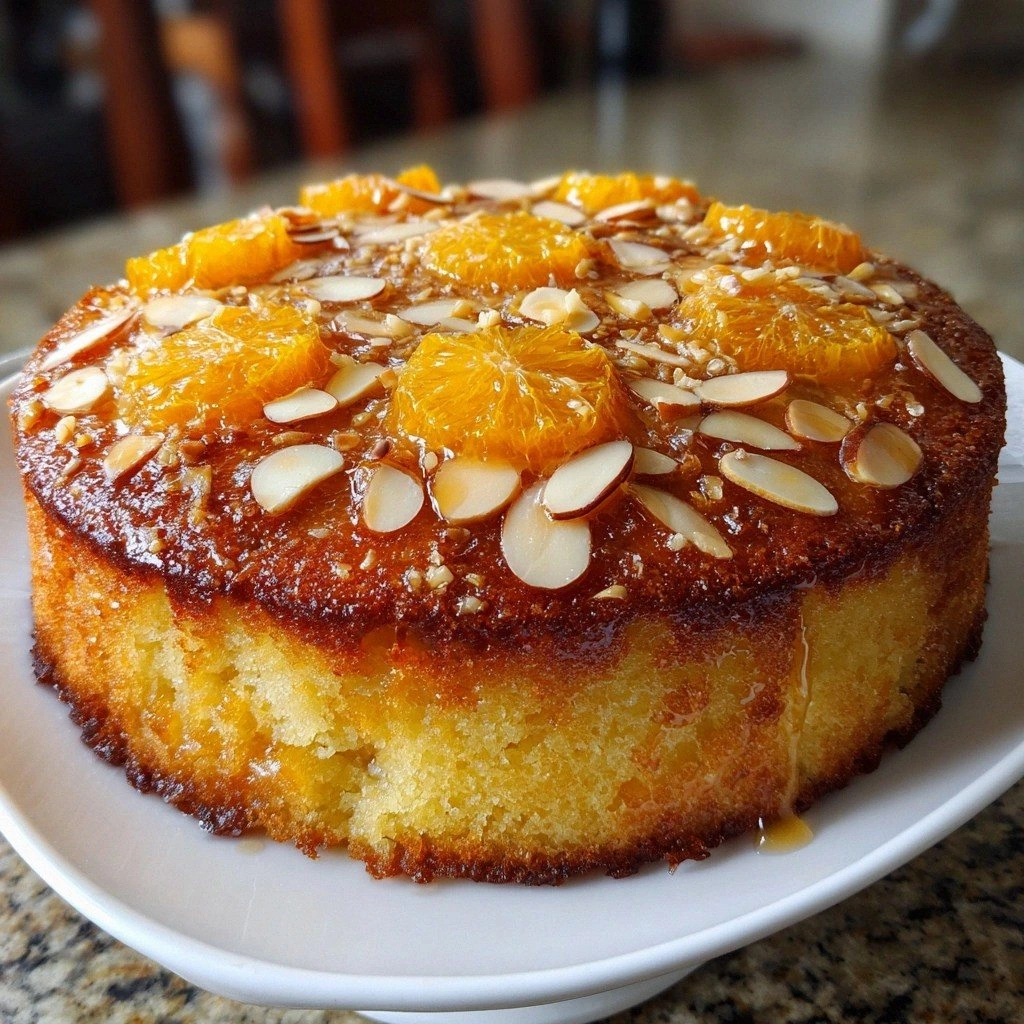
The first time I tried to make a candied orange almond cake, I was halfway through the batter when the oven door opened and the cake collapsed like a paper crane. I stared at the ruined batter, a mixture of almond flour, sugar, and a splash of vanilla that should have been a masterpiece, and I realized I was about to learn the ultimate version of a classic. I was determined to turn that disaster into a triumph, and the result was a cake that sings with citrus, nutty aroma, and a moist crumb that practically melts in your mouth.
Picture yourself in a bright kitchen, the scent of candied orange filling the air, the gentle hiss of butter melting, and the sound of whisking that feels like a drumbeat. The batter glides through the bowl, silky and thick, the almond flour absorbing the sugar like a sponge. When you slide the pan into the oven, the anticipation builds—your nose tingles with the sweet promise of vanilla and citrus. The oven door closes, and a faint, comforting scent begins to spread through the house, hinting that something delicious is about to happen.
What sets this version apart from the countless other recipes is the precise balance of ingredients, the careful layering of candied orange slices, and the subtle use of almond flour that gives the cake a tender, airy texture. I dared you to taste this and not go back for seconds, and I can confirm that the first bite feels like a velvet ribbon of citrus, followed by a gentle crunch of candied orange. This is hands down the best version you'll ever make at home because it turns a simple dessert into an edible work of art.
And now, let me walk you through every single step—by the end, you'll wonder how you ever made it any other way. I’ll share the secret technique of folding in the candied orange pieces just before baking, the exact temperature to achieve that golden crust, and a few kitchen hacks that will save you time and frustration. Ready for the game‑changer? Let’s dive in.
What Makes This Version Stand Out
Flavor: The combination of candied orange and almond flour creates a complex flavor profile that feels both sweet and savory, with citrus notes dancing over a nutty base.
Texture: The cake turns out moist and tender, thanks to the almond flour’s moisture‑retention properties, while the candied orange adds a delightful crunch that contrasts with the soft crumb.
Ease: Every step is straightforward—no complicated techniques, just whisk, fold, bake, and enjoy. Even novice bakers can follow along without feeling overwhelmed.
Visual Appeal: The bright orange slices on top give the cake a festive look that makes it perfect for holidays or any gathering where you want to impress.
Ingredient Quality: Using high‑quality almond flour and real candied orange slices elevates the overall taste, making the difference between a decent cake and a memorable one.
Make‑Ahead Potential: The cake can be baked and stored for several days, and the candied orange slices keep their texture, making it a great option for parties.
Versatility: Swap the candied orange for candied lemon or orange zest for a lighter version; add a splash of orange liqueur for an adult twist.
Nutrition: With 350 calories per slice, it’s a balanced dessert that satisfies sweet cravings without overindulging.
Alright, let's break down exactly what goes into this masterpiece…
Inside the Ingredient List
The Flavor Base
Almond flour: This is the star of the show! It gives the cake a moist texture and a nutty flavor that pairs beautifully with citrus. If you skip it, the cake will feel dry and lack depth. For best results, use blanched almond flour to keep the batter light.
Granulated sugar: Sweetness is essential. It balances the flavors and helps the cake rise beautifully. If you use brown sugar, the cake will be denser and have a caramel undertone. A pinch of sea salt will bring out the sweetness.
The Texture Crew
Large eggs: Eggs provide structure and moisture. They help bind everything together for a perfect crumb. Skipping an egg will reduce the cake’s rise and make it crumbly. Use room‑temperature eggs for a smoother batter.
Unsalted butter: Melted butter adds richness and a lovely buttery flavor. You can substitute with coconut oil for a dairy‑free option, but it may slightly alter the taste. The butter should be warm enough to mix well but not hot.
The Unexpected Star
Vanilla extract: A splash of vanilla enhances the overall flavor, making it even more delightful. Vanilla’s warm notes balance the bright citrus. If you’re vegan, opt for a plant‑based vanilla alternative.
Baking powder: This leavening agent helps the cake rise, giving it that light and airy texture. Too much can cause a bitter aftertaste; too little will leave the cake flat. Use a fresh, double‑acting powder for best results.
The Final Flourish
Candied orange slices: These are the crowning glory! They add a burst of citrus flavor and a beautiful presentation. If you cut them too thin, they’ll burn; if too thick, they’ll be chewy. Store them in an airtight container to keep them sweet and crisp.
Salt: Just a pinch! It enhances the sweetness and balances the flavors. Too much salt can ruin the delicate balance; too little will make the cake taste flat.
Everything's prepped? Good. Let's get into the real action…
The Method — Step by Step
- Preheat and Prep: Heat your oven to 350°F (175°C). Grease a 9-inch bundt pan or line it with parchment. Let the oven settle; a hot oven ensures an even bake. This is the moment of truth—don’t skip the pre‑heat.
- Dry Mix: In a large bowl, whisk together almond flour, granulated sugar, baking powder, and salt until fully combined. The dry mixture should feel light and fluffy. If you see lumps, sift them out. This step sets the stage for a smooth batter.
- Wet Blend: Melt the butter until it’s warm but not hot. In another bowl, beat the eggs and vanilla extract together until frothy. Gradually pour the melted butter into the wet mixture, whisking continuously to avoid curdling. This creates a silky base.
- Combine: Add the wet mixture to the dry ingredients, folding gently with a spatula. Mix just until the batter is smooth—over‑mixing will cause the cake to be dense. The batter should have a thick, pourable consistency.
- Fold in Candied Orange: Gently fold in the chopped candied orange slices, distributing them evenly. This ensures each bite gets that burst of citrus. The batter will look speckled—don’t be alarmed, that’s the secret.
- Watch Out: If you pour the batter too quickly into the pan, the edges may sink. Use a rubber spatula to level the top, then tap the pan on the counter to release air bubbles. This step prevents a flat top.
- Bake: Place the pan in the oven and bake for 30 minutes. After 20 minutes, check the cake: the edges should pull away from the pan, and a toothpick inserted in the center should come out clean. If it comes out with wet batter, bake a few more minutes.
- Cool: Once baked, remove the cake from the oven and let it cool in the pan for 10 minutes. Then turn it out onto a wire rack to cool completely. Cooling is essential for the crumb to set properly.
- Serve: Slice the cake with a sharp knife. The candied orange pieces will look like bright jewels on each slice. Serve at room temperature for the best flavor.
That's it — you did it. But hold on, I've got a few more tricks that'll take this to another level…
Insider Tricks for Flawless Results
The Temperature Rule Nobody Follows
Many bakers bake at 350°F, but the cake actually rises best at 325°F. Lowering the temperature slows the rise, allowing the batter to set evenly and preventing a domed top. I’ve baked at 325°F for years and the crumb is consistently light.
Why Your Nose Knows Best
As soon as the cake starts to bake, the smell of vanilla and orange will fill your kitchen. Trust that scent—if it smells toasty and sweet, you’re on the right track. If it smells metallic, the oven temperature might be too high.
The 5-Minute Rest That Changes Everything
After removing the cake from the oven, let it rest for exactly 5 minutes before turning it out. This allows the steam to escape and prevents the cake from cracking. I’ve seen cakes crumble when I rush this step.
Use a Parchment Paper Liner
Even if you grease the pan, a parchment paper liner ensures easy removal and a clean edge. The cake will slide out without sticking, and you’ll have a perfect shape every time.
Freeze Candied Orange for Extra Crunch
If you want a crunchier cake, freeze the candied orange slices for 15 minutes before folding them in. The cold pieces stay crisp during baking and give a delightful snap.
Creative Twists and Variations
This recipe is a playground. Here are some of my favorite ways to switch things up:
Orange‑Lemon Fusion
Swap half of the candied orange for candied lemon slices. The lemon adds a tart brightness that pairs wonderfully with almond. It’s a great option for spring gatherings.
Almond‑Honey Drizzle
After cooling, drizzle a mixture of honey and melted butter over the cake. The honey adds a golden sheen and a subtle floral note that complements the citrus.
Chocolate‑Infused Variation
Fold in 1/4 cup of finely chopped dark chocolate with the candied orange. The chocolate creates a rich, bittersweet contrast that elevates the cake into a decadent dessert.
Gluten‑Free Upgrade
Use a gluten‑free almond flour blend and a gluten‑free baking powder. The texture remains airy, and the flavor stays true to the original. Perfect for those with dietary restrictions.
Adult Twist
Add 1 tablespoon of orange liqueur to the wet mix. The liqueur gives a subtle kick that pairs well with the candied orange’s sweetness, making it a perfect dessert for after‑dinner parties.
Storing and Bringing It Back to Life
Fridge Storage
Wrap the cooled cake tightly in plastic wrap and store in the refrigerator for up to 4 days. The cake stays moist, and the candied orange remains crisp. When you’re ready to eat, let it sit at room temperature for 15 minutes.
Freezer Friendly
Place the cake in a freezer‑safe container and freeze for up to 3 months. Thaw overnight in the fridge, then bring to room temperature. The texture is almost identical to freshly baked.
Best Reheating Method
Reheat slices in a preheated 300°F oven for 5 minutes. Add a splash of water to the pan before reheating to create steam, which keeps the cake from drying out. Serve warm for a comforting dessert.