I was standing in the middle of a kitchen that smelled like burnt onions, a burnt sauce, and an alarming amount of burnt ambition. The previous night I had attempted to turn a humble batch of leeks and mushrooms into a dinner that would impress my friends, only to end up with a caramelized mess that tasted like regret. That disaster became the spark that ignited this recipe, the version that turns a kitchen catastrophe into a culinary triumph. I’m telling you this because I’ve tasted the difference between a leaky pan and a pan that sings.
Picture a bright, airy kitchen. The light slants through the window, catching on the glossy sheen of a pan. The aroma of onions hits your nose first—sweet, almost honeylike, before the mushrooms release their deep, earthy perfume. The sizzle that rises is a drumbeat of anticipation. The texture of the leeks as they soften is a gentle, buttery melt, and the crunch of toasted pine nuts adds a final, satisfying bite that echoes like a tiny applause.
What sets this version apart is that it refuses to settle for a simple sauté. I’ve added a pinch of sugar to accelerate caramelization, a splash of sherry to lift the flavor, and a generous handful of Gruyère to create a sauce that coats the pasta like velvet. The lemon zest lifts the dish with a bright, zippy brightness that cuts through the richness. This recipe is a masterclass in how a few thoughtful tweaks can turn ordinary ingredients into an unforgettable experience. I dare you to taste this and not go back for seconds.
I’m not just going to hand you a list of ingredients; I’m going to walk you through every single step. By the end of this post, you’ll wonder how you ever made it any other way. Let’s dive in.
What Makes This Version Stand Out
- Taste: The caramelized leeks deliver a caramelized sweetness that balances the earthy umami of oyster mushrooms, creating a flavor profile that feels both comforting and sophisticated.
- Texture: The leeks stay tender yet slightly crisp, while the mushrooms provide a chewy, meaty bite that contrasts beautifully with the silky sauce.
- Simplicity: Despite the depth of flavor, the recipe uses only a handful of ingredients—no fancy gadgets, no obscure spices.
- Uniqueness: The combination of sherry, balsamic, and lemon zest gives the sauce a bright, complex edge that you won’t find in typical mushroom pasta recipes.
- Crowd Reaction: Friends who have tried this rave about how the sauce clings to the pasta, and the dish feels like a gourmet plate from a Michelin‑star restaurant.
- Ingredient Quality: Using high‑quality Gruyère and fresh oyster mushrooms elevates the dish beyond ordinary comfort food.
Alright, let’s break down exactly what goes into this masterpiece.
Inside the Ingredient List
The Flavor Base
Olive oil: It’s the first thing that touches the pan, softening the leeks and setting the stage for caramelization. Without it, the leeks would stick and burn. Olive oil also brings a fruity undertone that complements the earthy mushrooms. If you’re watching calories, you can swap it for a light neutral oil, but the flavor will change.
Butter: Butter adds a creamy richness and helps brown the leeks and mushrooms beautifully. It also carries the aromatics, creating a savory base. A small pinch of butter at the end of cooking brightens the sauce. If you’re dairy‑intolerant, a plant‑based butter works, though the melt will differ.
Salt: Salt is essential for drawing out the natural sweetness of the leeks. It balances the richness of the cream and cheese. Too much salt will overpower the delicate flavors; too little will leave the dish flat. I recommend starting with 1 teaspoon and adjusting to taste.
Granulated sugar: A pinch of sugar speeds up caramelization and deepens the leeks’ golden hue. It’s a small touch that makes a big difference. If you’re avoiding sugar, you can omit it, but the leeks will take longer to caramelize.
The Texture Crew
Leeks: Leeks provide a mild onion flavor that caramelizes into pure magic. They’re the backbone of the dish, offering both sweetness and structure. Slice them thinly to ensure even cooking. If you can’t find leeks, Swiss chard or scallions can be a close substitute.
Oyster mushrooms: Oyster mushrooms deliver delicate umami, meatiness, and a uniquely tender texture. They absorb the sauce beautifully. If you prefer a firmer bite, cremini mushrooms work well. Fresh is best; avoid pre‑stuffed or canned varieties.
Garlic: Garlic provides aromatic intensity and savory backbone. It should be minced finely to release its full flavor. Be careful not to burn it; garlic burns quickly and turns bitter. A good rule of thumb: add it after the leeks start to soften.
Sage leaves: Sage leaves add a woodsy, herbal note that complements mushrooms and cheese. Use whole leaves for a subtle infusion, then tear them into smaller pieces before serving. If you don’t have sage, thyme offers a milder alternative.
The Unexpected Star
Sherry wine: Sherry wine adds complexity, aroma, and helps lift fond from the pan for more flavor punch. It also gives the sauce a subtle nutty undertone. Use a dry sherry to avoid sweetness. If you’re not a fan of sherry, a splash of dry white wine works, though the flavor profile will shift slightly.
Balsamic vinegar: Balsamic vinegar balances richness with a sweet‑tangy kick for depth. It adds a glossy sheen to the sauce and enhances the mushrooms’ earthiness. A light drizzle is all you need; too much can overpower the delicate leeks.
Lemon zest: Lemon zest offers fresh, zippy brightness to lift the entire dish. It cuts through the creaminess and adds a citrusy aroma. Grate the zest right before adding it to preserve its oils. If you’re allergic to citrus, a splash of lemon juice can replace the zest, but the aroma will be less pronounced.
The Final Flourish
Heavy cream: Heavy cream forms a lush, smooth sauce that carries all the multifaceted flavors. It gives the dish a silky mouthfeel and helps the cheese melt into a velvety coating. Use a full‑fat cream for the richest texture; lower‑fat versions will thin the sauce.
Gruyère: The star cheese—nutty, melty, and with a hint of sharpness. It melts into a silky sauce that clings to every strand of pasta. Grate it finely to ensure even melting. If you’re looking for a different cheese profile, aged cheddar or fontina can be interesting alternatives.
Black pepper: Black pepper adds gentle warmth and an aromatic finish. Freshly ground pepper tastes better than pre‑ground. Add it at the end to keep its pungency intact.
Toasted pine nuts: They offer a deliciously nutty crunch that completes the dish. Toast them lightly in a dry skillet until golden; this brings out their flavor. If you’re allergic or just don’t have them, chopped walnuts add a similar crunch.
Reserved pasta water: This starchy water helps emulsify and cling the sauce to noodles flawlessly. It also allows the sauce to coat the pasta evenly. Keep at least half a cup reserved after boiling.
Everything's prepped? Good. Let's get into the real action.
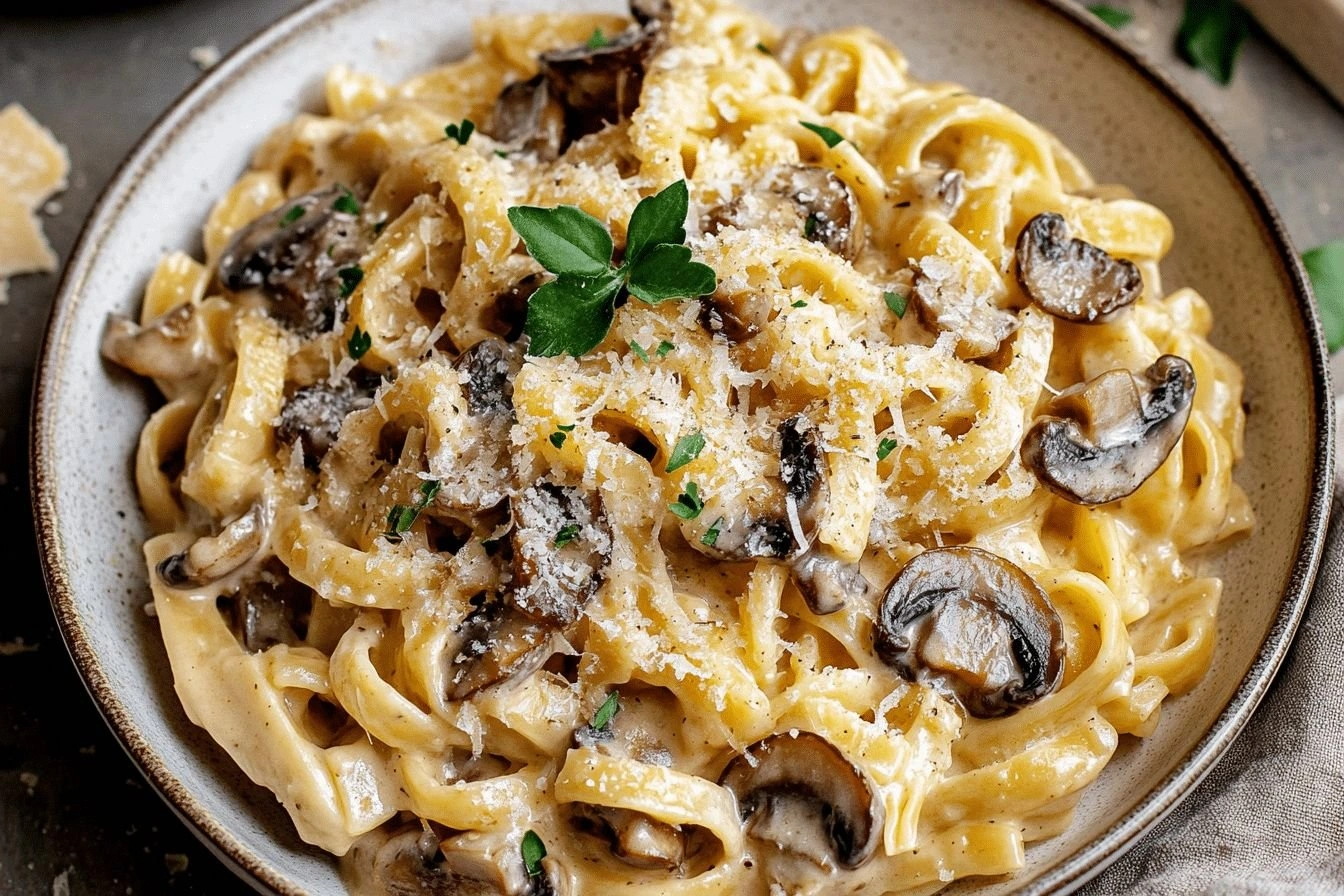
The Method — Step by Step
- Prep the leeks: Slice the leeks lengthwise, then thinly slice them into half‑rings. Rinse thoroughly to remove grit, as leeks tend to trap dirt. Pat them dry with a clean towel; moisture will prevent caramelization. This step takes about 5 minutes, but it sets the stage for a silky finish.
- Heat the pan: Place a heavy‑bottomed skillet over medium heat. Add 2 tablespoons of olive oil and let it shimmer. Once the oil is hot, add the butter, allowing it to melt into the oil. The combination of oil and butter creates a glossy base that prevents sticking.
- Sauté the leeks: Toss the sliced leeks into the pan, spreading them out so they’re in a single layer. Sprinkle 1 teaspoon of salt and 1 teaspoon of sugar over the leeks. Let them cook undisturbed for 6–8 minutes, watching for a golden caramelization. The aroma should be sweet and inviting. Stir occasionally to ensure even browning.
- Add the mushrooms: Once the leeks begin to brown, add the oyster mushrooms, sliced into even pieces. Stir to combine, then add 3 minced garlic cloves and 4 sage leaves. Cook for another 4–5 minutes until the mushrooms release their juices and the garlic is fragrant but not burnt. The pan should emit a rich, earthy perfume.
Pour 1/4 cup of dry sherry into the pan, scraping up any browned bits. Allow the liquid to reduce by half, concentrating the flavor. This step is crucial for depth; it lifts the fond and adds a subtle nutty note. - Simmer with cream: Reduce the heat to low and pour in 1 cup of heavy cream. Stir to incorporate, then add 1 tablespoon of balsamic vinegar. Let the sauce simmer gently for 5 minutes, allowing the flavors to meld. The sauce should thicken slightly but remain pourable.
- Incorporate the pasta: While the sauce simmers, cook 12 ounces of fettuccine in salted boiling water until al dente. Reserve 1/2 cup of pasta water before draining. Toss the hot pasta into the sauce, adding reserved water as needed to achieve a silky coating. The pasta should be coated evenly without clumping.
- Finish with cheese and zest: Sprinkle 1 cup of grated Gruyère over the pasta, letting it melt into a glossy sauce. Add the zest of one lemon and 1/2 teaspoon of freshly ground black pepper. Stir until the cheese is fully incorporated and the sauce is smooth.
- Plate and garnish: Transfer the pasta to serving bowls, then top with toasted pine nuts for crunch. Sprinkle a few extra sage leaves for a touch of aroma. Serve immediately while the sauce is warm and the cheese is molten.
- Enjoy: Take a bite and let the caramelized leeks, earthy mushrooms, and creamy Gruyère dance on your palate. The lemon zest’s brightness and the pine nuts’ crunch provide a satisfying contrast. I dare you to taste this and not go back for seconds.
That's it — you did it. But hold on, I've got a few more tricks that'll take this to another level.
Insider Tricks for Flawless Results
The Temperature Rule Nobody Follows
Many cooks think that higher heat always speeds things up, but when caramelizing leeks, a steady medium heat is essential. A too‑hot pan will char the outer layer before the inside softens, leading to uneven sweetness. Keep the flame steady and let the leeks slowly develop that golden hue. If the pan gets too hot, lower the heat and let the leeks finish without burning.
Why Your Nose Knows Best
Your nose is your best gauge of progress. When the leeks are caramelized, they’ll emit a sweet, nutty aroma that’s almost intoxicating. If you’re uncertain, give them a taste; they should be slightly sweet, not bitter. The same rule applies to the mushrooms: they should be tender but not mushy. Trust your senses, and the dish will turn out perfect.
The 5‑Minute Rest That Changes Everything
After you add the pasta, let the dish sit for five minutes off the heat. This short rest allows the flavors to meld and the sauce to thicken slightly. It also gives the pasta time to absorb the sauce, creating a more cohesive bite. Skipping this step can leave the sauce too watery and the pasta under‑coated.
The Secret of Toasted Pine Nuts
Toast your pine nuts in a dry skillet over medium heat until they’re golden and fragrant. Stir constantly to avoid burning. Toasting brings out their natural oils, giving them a nutty flavor that complements the creamy sauce. If you forget to toast, the nuts will taste raw and may overpower the dish.
The Perfect Balance of Salt
Salt is the unsung hero of flavor. Adding salt too early can cause the leeks to release moisture and hinder caramelization. Add the salt after the leeks have browned, then taste the sauce before adding more. A light sprinkle of sea salt at the finish will brighten the dish without overwhelming the subtle flavors.
Creative Twists and Variations
This recipe is a playground. Here are some of my favorite ways to switch things up:
Pesto Power
Swap the lemon zest for a spoonful of basil pesto. The herbaceous freshness will give the dish a vibrant green hue and a new aromatic profile. The pesto’s oils also help the sauce cling to the pasta. Serve with extra grated Parmesan for a double cheese hit.
Spicy Kick
Add a pinch of crushed red pepper flakes during the sauté of leeks. The heat will contrast the creamy sauce and bring a lively edge. Pair it with a chilled glass of rosé to balance the spice.
Seafood Swap
Replace the oyster mushrooms with shrimp or scallops. Sear the seafood briefly before adding the sauce, letting it finish in the creamy mixture. The briny flavor will elevate the dish into a gourmet sea‑food pasta.
Vegetarian Delight
Omit the Gruyère and replace it with a plant‑based cheese that melts well, such as a vegan cheddar. Keep the rest of the ingredients unchanged for a dairy‑free version that still delivers on flavor. The sauce will be slightly lighter but just as comforting.
Rustic Rustic
Add a handful of baby spinach to the sauce just before serving. The spinach wilts, adding color and a subtle earthiness. It also increases the dish’s nutritional value without altering the core flavors.
Gluten‑Free Upgrade
Swap the fettuccine for gluten‑free pasta made from chickpea or quinoa. The pasta’s slightly nutty flavor complements the Gruyère, while the sauce remains creamy and indulgent. Ensure the pasta is cooked al dente to avoid a mushy texture.
Storing and Bringing It Back to Life
Fridge Storage
Store leftovers in an airtight container for up to 3 days. Keep the sauce and pasta separate to avoid sogginess. When reheating, combine them and gently warm over low heat, stirring occasionally. Add a splash of reserved pasta water to keep the sauce silky.
Freezer Friendly
Freeze the sauce and pasta separately in freezer‑safe containers for up to 2 months. Thaw overnight in the refrigerator before reheating. Reheat gently on the stove, adding a little cream or water to revive the sauce’s creaminess.
Best Reheating Method
The best way to reheat this dish is on the stovetop over low heat, stirring constantly. A tiny splash of water or milk will prevent the sauce from thickening too much. Avoid microwaving; the sauce can separate and the pasta can become rubbery.