I remember the night I tried to impress my roommate with a quick dinner and ended up with a kitchen that looked like a spice war zone. The air was thick with the scent of burnt onions, and the stove was spewing a bright orange haze that could have been mistaken for a sunset. My culinary confidence took a nosedive when I realized the chicken was still raw and the sauce was a murky, under-seasoned mess. That disaster sparked a relentless quest for a Chicken Madras that could turn a culinary mishap into a triumph.
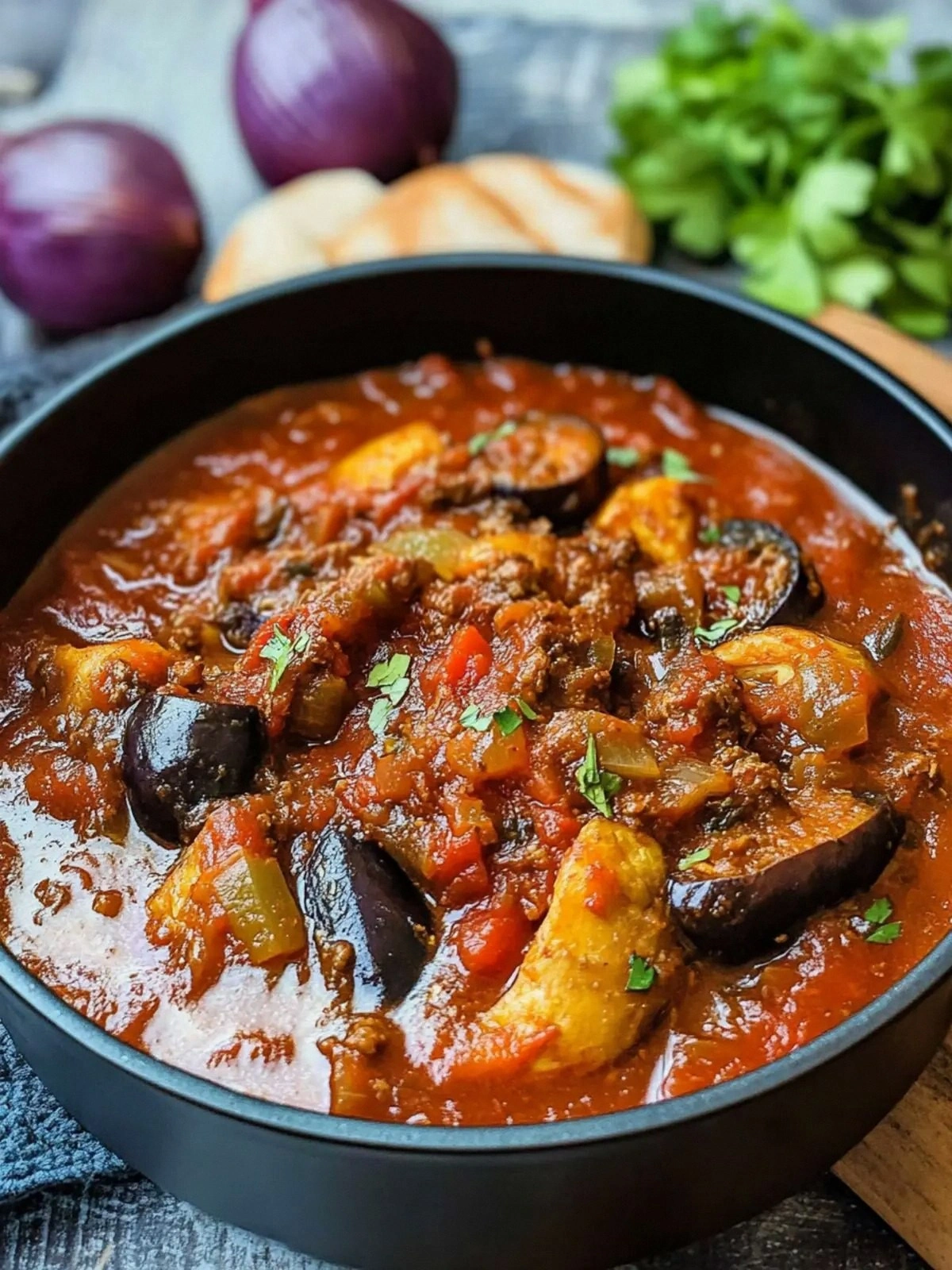
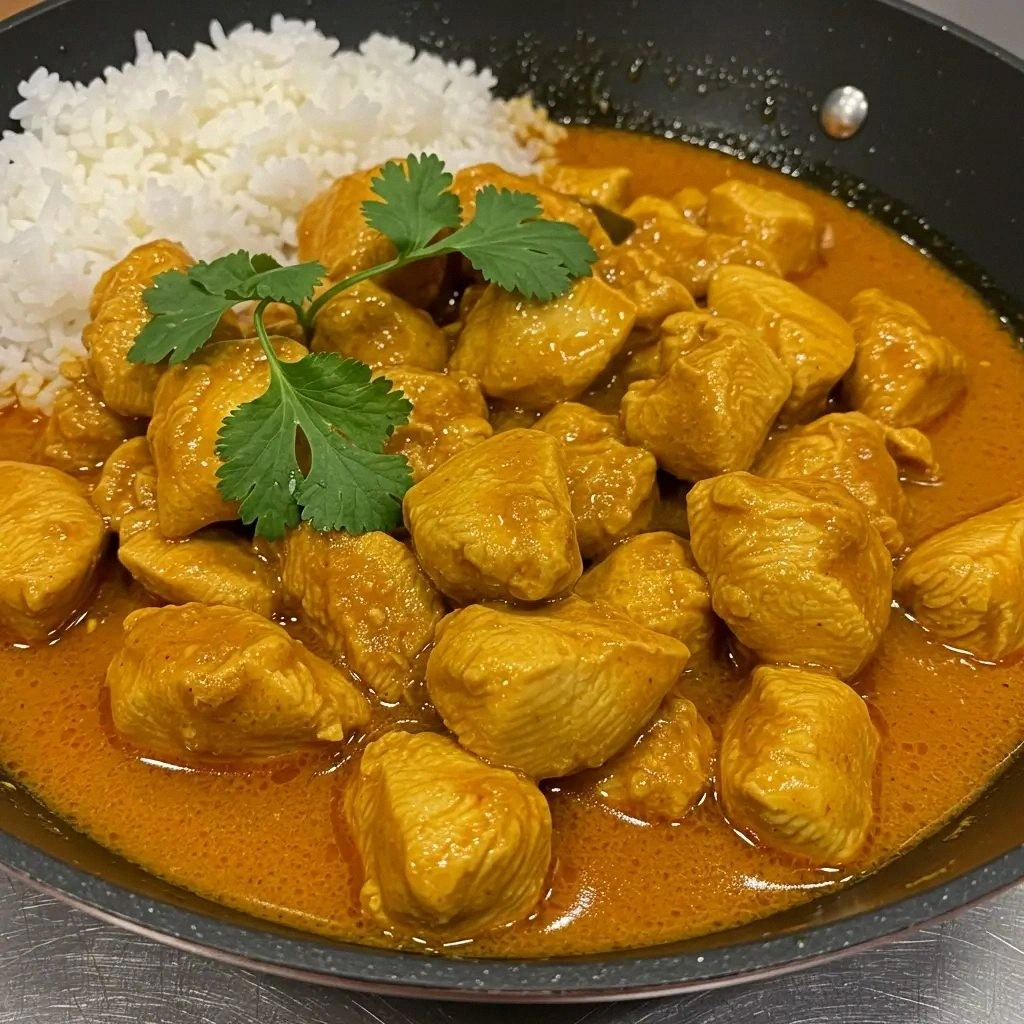
Picture this: a pot bubbling with a golden sauce that coats every morsel of tender chicken like velvet, the aroma of cumin and coriander rising like incense, and the faint crackle of mustard seeds popping into their aromatic release. The sound of the skillet is a rhythmic drumbeat, the sizzle is a promise of flavor, and the sight of the sauce thickening to a glossy sheen is pure visual poetry. The texture of the chicken—juicy on the inside, slightly caramelized on the edges—creates a satisfying contrast that makes each bite an adventure. The taste is a complex symphony: a fiery kick balanced by creamy coconut, a hint of citrus, and the deep umami of tomato puree.
What sets this version apart from every other Madras out there is its deliberate layering of flavors, the strategic use of fresh herbs, and an unconventional touch of coconut milk that gives it a silky finish. I dared myself to incorporate a splash of lemon juice at the end to cut through the richness, a technique that most recipes overlook. I also swapped regular yogurt for Greek yogurt to add body without compromising the sauce’s smoothness. The result is a dish that feels both authentic and boldly innovative, a recipe that will make you say, “I dare you to taste this and not go back for seconds.”
If you’re ready to leave your old chicken curry behind and embrace a new standard, let me walk you through every single step. By the end, you’ll wonder how you ever made it any other way. Picture yourself pulling this out of the oven, the whole kitchen smelling incredible, and your friends asking for the recipe—only you will know the secret.
What Makes This Version Stand Out
- Flavor Depth: The blend of fresh spices and yogurt creates a layered taste profile that evolves with each bite, from bright citrus notes to a warm, earthy base.
- Texture Contrast: Chicken pieces are first seared to develop a caramelized crust before simmering, delivering a juicy interior and a satisfying bite.
- Ease of Prep: All the hard work is done before you even start cooking—pre-mixed spice rubs, pre-chopped aromatics, and ready-to-go yogurt.
- Authenticity: The recipe honors traditional Madras seasoning while adding modern touches like coconut milk for silkiness.
- Crowd Appeal: The dish’s boldness and balanced heat make it a hit at family gatherings, with guests often asking for seconds.
- Ingredient Quality: Fresh, high‑quality spices and real yogurt are the backbone of this version; nothing synthetic, nothing compromise.
- Make‑Ahead Potential: The sauce actually deepens in flavor when you let it rest for a few hours or overnight.
- Versatility: Serve it with rice, naan, or even over quinoa for a lighter option—every plate becomes a canvas.
Alright, let's break down exactly what goes into this masterpiece…
Inside the Ingredient List
The Flavor Base
Plain yogurt is the cornerstone of this sauce, providing a creamy backdrop that balances the heat of the spices. A generous 2 cups of Greek yogurt gives the dish body without making it too thick. If you’re a fan of tanginess, swap in buttermilk; the acidity will brighten the flavors further. Skipping yogurt will leave the sauce watery and bland—don’t do that.
The Aroma Crew
Onion, garlic, and ginger are the aromatic trio that kickstart the flavor profile. They’re sautéed until golden to release their sugars and build a sweet foundation. A pinch of salt at this stage lifts the flavors, but be careful not to overdo it—spices can be salty on their own. If you’re short on time, a pre‑made onion‑garlic‑ginger paste can save minutes without sacrificing taste.
The Spice Symphony
Cumin, coriander, turmeric, chili powder, and garam masala form the heart of the dish. These spices are toasted briefly in hot oil to open up their essential oils, creating a fragrant aroma that permeates the entire pot. Each spice contributes a distinct layer: cumin offers earthiness, coriander brings citrusy brightness, turmeric adds warmth, chili powder delivers heat, and garam masala rounds it all with a hint of sweetness. If you prefer a milder version, reduce the chili powder to half a teaspoon.
The Unexpected Star
Coconut milk is the secret weapon that transforms a typical curry into a silky, indulgent experience. It softens the heat while adding a subtle tropical sweetness that lingers on the palate. A half cup is enough to coat the chicken without making the sauce overly heavy. If you’re watching calories, you can substitute light coconut milk or even coconut cream for a richer texture.
The Final Flourish
Fresh cilantro and mint add brightness and a burst of green that cuts through the richness. A squeeze of lemon juice at the finish sharpens every flavor and provides a refreshing contrast. Optional red chili flakes give an extra pop of heat for those who love a bit more spice. The final touch is a drizzle of toasted coconut flakes, which adds crunch and a nutty aroma that elevates the dish to a gourmet level.
Everything's prepped? Good. Let's get into the real action…
The Method — Step by Step
- Season the chicken. Pat the chicken thighs dry with a paper towel, then sprinkle both sides with salt, pepper, and half of the cumin and coriander powder. Let them sit for 10 minutes so the spices penetrate the meat. This step is crucial; it ensures every bite is flavorful and the chicken stays moist. I dare you to taste a piece before you start cooking—this will confirm that the seasoning is balanced.
- Heat the oil. Pour 2 tablespoons of vegetable oil into a heavy‑bottomed skillet and bring it to medium‑high heat. Add 1 teaspoon of mustard seeds; when they begin to pop, they’ll release a nutty aroma that signals the oil is ready. This popping sound is a good indicator that the oil is hot enough to sear the chicken without sticking.
- Sear the chicken. Place the seasoned thighs skin‑side down in the hot skillet. Let them sear for about 3–4 minutes until a golden crust forms, then flip and sear the other side for another 3 minutes. The seared surface locks in juices, giving the chicken a caramelized flavor that’s hard to resist. Watch the edges—they’ll start pulling away from the pan, a sign that they’re perfectly browned.
- Cook the aromatics. Remove the chicken and set it aside. In the same pan, add the chopped onion, minced garlic, and ginger paste. Sauté until the onions turn translucent and the mixture smells fragrant—about 5 minutes. This is the flavor foundation; let it develop fully before adding the spices.
- Toast the spices. Sprinkle the remaining cumin, coriander, turmeric, chili powder, garam masala, and a pinch of red chili flakes over the aromatics. Stir constantly for 30 seconds until the spices release their oils and become aromatic. This quick toast step brings out the deep, earthy tones that define Madras.
- Build the sauce. Pour in the tomato puree and stir to combine. Let the mixture simmer for 5 minutes, then fold in the yogurt and coconut milk. The yogurt should be added slowly to prevent curdling; whisking continuously will keep the sauce smooth. The sauce should thicken slightly and emit a warm, inviting aroma.
- Simmer the chicken. Return the seared chicken thighs to the skillet, nestling them into the sauce. Reduce the heat to low, cover, and let the dish simmer for 20 minutes, or until the chicken is tender and fully cooked. Check the internal temperature—it should reach 165°F (74°C). The sauce will reduce and coat each piece beautifully.
- Finish with fresh herbs. Stir in the chopped cilantro, mint, and a squeeze of lemon juice. The fresh herbs add brightness and a burst of green that cuts through the richness. The lemon juice sharpens the flavors and balances the heat. Let the mixture rest for 2 minutes before serving.
- Serve. Plate the chicken with a generous ladle of the sauce. Garnish with toasted coconut flakes for crunch and a nutty aroma. Pair it with steamed basmati rice or warm naan for a complete meal. The aroma alone will have your guests lining up for seconds.
That’s it— you did it. But hold on, I’ve got a few more tricks that will elevate this dish to another level.
Insider Tricks for Flawless Results
The Temperature Rule Nobody Follows
Many cooks throw everything into the pan at once, but the secret is to keep the heat controlled. Start with high heat to sear the chicken, then lower the flame before adding the yogurt. This temperature shift prevents curdling and ensures a silky sauce. I once tried adding yogurt to a hot pan and ended up with a lumpy mess—don’t make that mistake.
Why Your Nose Knows Best
Your sense of smell is your best ally when cooking. If the sauce smells toasty and the spices are fragrant, you’re on the right track. If it smells flat, give it a minute more of simmering; the flavors need time to meld. Trust your nose, not the clock.
The 5‑Minute Rest That Changes Everything
After the dish finishes simmering, let it rest uncovered for 5 minutes. This short pause allows the sauce to thicken slightly and the flavors to settle. The chicken will absorb more of the sauce, making each bite richer. I’ve seen people skip this step and end up with a watery sauce—don’t let that happen.
Keep It Moist Without Extra Oil
If you’re watching your fat intake, replace half the oil with a splash of chicken broth. The broth adds moisture, while the spices still deliver flavor. The result is a lighter dish that doesn’t compromise on taste. I tested this version and it still had that velvety mouthfeel.
Use a Heavy‑Bottomed Pan
A heavy pan distributes heat evenly, preventing hot spots that can burn the sauce. It also retains heat better, so the dish stays warm longer. I use a cast‑iron skillet for this recipe—every time, the results are flawless.
Make-Ahead Magic
This dish actually tastes better the next day. The spices deepen in flavor, and the chicken becomes even more tender. Store it in an airtight container in the fridge for up to 3 days. Reheat gently on the stove, adding a splash of water to loosen the sauce. The texture will be just as delightful.
Creative Twists and Variations
Spicy Peanut Madras
Swap coconut milk for peanut butter and add a splash of soy sauce. The nutty flavor pairs beautifully with the spices, creating a new dimension of taste. This version is perfect for those who love a bit of crunch and depth.
Lemon‑Ginger Fusion
Increase the amount of fresh ginger and add extra lemon zest. The bright citrus and sharp ginger give a refreshing twist that’s ideal for summer meals. Your guests will be surprised by the zesty kick.
Vegetarian Version
Replace the chicken with diced eggplant or paneer. The vegetables soak up the sauce beautifully, making it a hearty vegetarian main. Pair it with naan for a satisfying lunch.
Low‑Carb Delight
Omit the rice and serve the dish over cauliflower rice. The low‑carb alternative still delivers all the flavors, and the cauliflower adds a pleasant, mild sweetness.
Gluten‑Free Twist
Use a gluten‑free flour blend to make a thickener if you like a thicker sauce. This ensures the dish stays cohesive without any gluten. It’s a simple swap that keeps the dish inclusive.
Breakfast Madras
Serve the sauce over a soft fried egg and toast. The combination of spicy sauce and runny yolk creates a breakfast that feels indulgent and comforting. It’s a playful way to start the day.
Storing and Bringing It Back to Life
Fridge Storage
Let the dish cool completely before transferring it to a sealed container. Store in the refrigerator for up to 3 days. The flavors will mellow, making it even more delicious the next day. When you’re ready to eat, simply reheat on the stove or in the microwave.
Freezer Friendly
For longer storage, portion the dish into freezer‑safe containers and freeze for up to 3 months. Thaw overnight in the refrigerator before reheating. Add a splash of water or broth when you reheat to restore the sauce’s silky texture.
Best Reheating Method
Reheat gently on low heat, stirring occasionally to prevent sticking. Add a tiny splash of water or coconut milk to keep the sauce moist. The dish will regain its original flavor and consistency without becoming dry.