Picture this: the kitchen lights are dimmed, a playlist of your favorite brunch tunes hums in the background, and you’re standing over a pan that’s about to transform into a canvas of flavor. I was halfway through a frantic scramble of eggs for a last‑minute brunch when a burst of panic hit—my eggs were turning into a rubbery slab that looked like a sad, overcooked pancake. That disaster sparked a dare from my friend: “I dare you to taste this and not go back for seconds.” And so, armed with a handful of bold ingredients, I set out to create a scrambled‑egg masterpiece that would make that panic a distant memory.
The first thing you’ll notice is the aroma: a gentle, buttery scent mingles with the sharp, almost electric tang of fresh chilies. The sound is a satisfying sizzle that rises from the pan like a low, comforting drumbeat. As the eggs begin to thicken, the visual cue of silky ribbons forming is as satisfying as a sunrise painting the sky. The texture is a paradox—soft and fluffy on the inside, yet with a subtle, peppery bite that awakens the palate. And that first bite? It’s like a burst of sunshine on a cloudy day, followed by a lingering heat that stays with you.
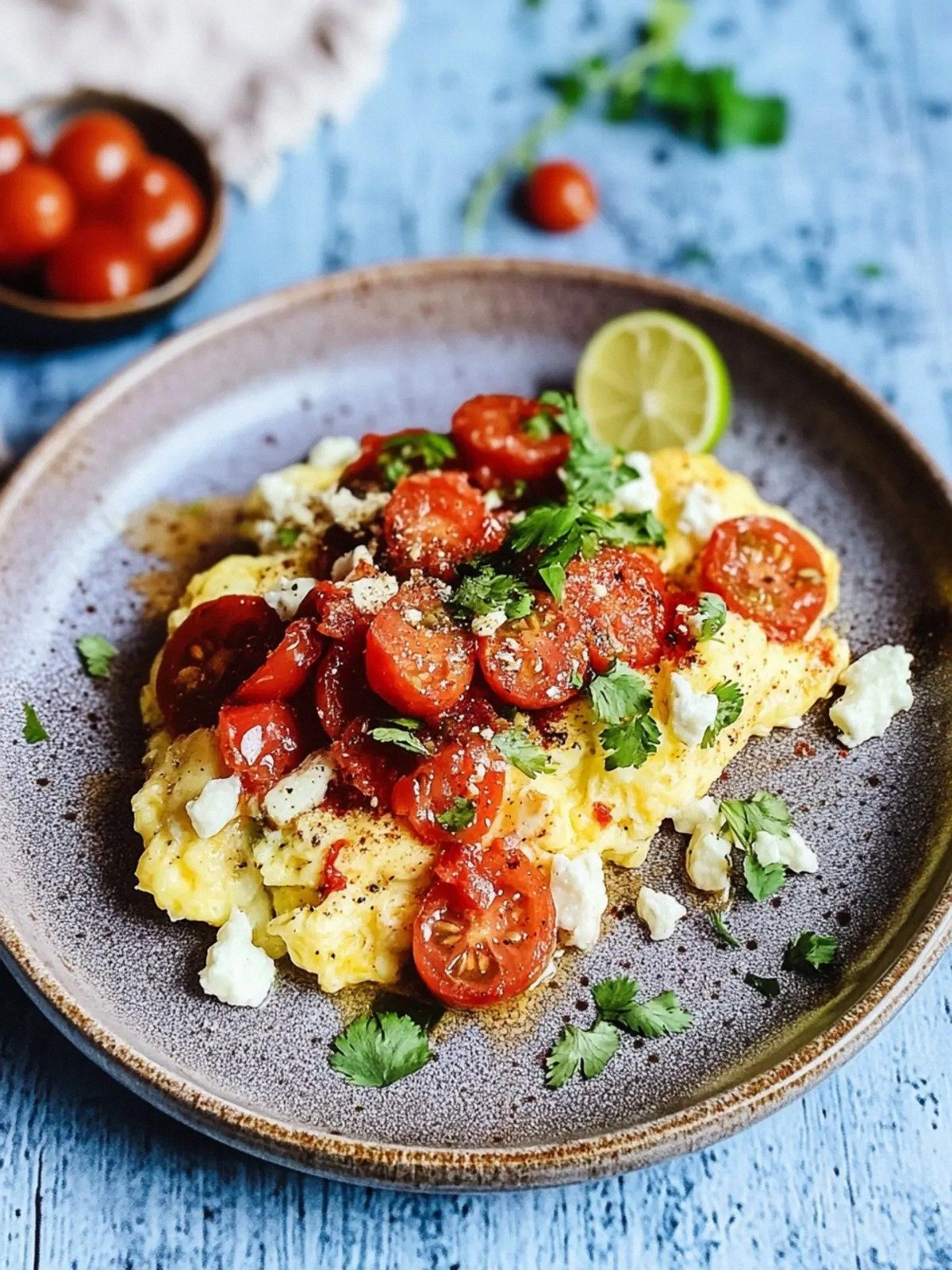
What sets this version apart is that it’s not just eggs; it’s a symphony of flavors that work together like a well‑orchestrated band. Goat cheese introduces a creamy, tangy depth that elevates the eggs beyond plain scrambled. The addition of cherry tomatoes brings a juicy, slightly sweet contrast that cuts through the richness. Red chilies add a kick that’s balanced by a splash of vinegar and a touch of brown sugar, creating a harmony of sweet, sour, and spicy. The final flourish of fresh herbs—chives and coriander—brings a bright, almost citrusy lift that makes the dish feel fresh and alive.
I’ll be honest—after I finished this dish, I ate half the batch before anyone else got to try it. That’s because the combination of textures and flavors is so addictive that it feels almost… magical. Most recipes get this completely wrong, treating scrambled eggs as a bland side dish. Here, every ingredient is purposeful, every step intentional, and the result is hands down the best version you’ll ever make at home. Picture yourself pulling this out of the pan, the whole kitchen smelling incredible, and the anticipation of the first bite building to a crescendo.
Okay, ready for the game‑changer? I’ll walk you through every single step, from the first whisk to the final garnish. By the end, you’ll wonder how you ever made scrambled eggs any other way. And trust me, the secrets I’m about to share will change the way you think about breakfast forever.
What Makes This Version Stand Out
- Flavor Depth: Goat cheese adds a creamy tang that’s richer than milk or butter alone. When melted, it coats the eggs like velvet, creating a luxurious mouthfeel that’s both comforting and indulgent. The subtle sourness from vinegar cuts through the richness, making every bite feel balanced.
- Heat Balance: Red chilies bring a bold kick, but the sweet undertone from brown sugar tempers it. This creates a heat profile that’s vibrant yet approachable, so even those who shy away from spicy food can enjoy the dish. The heat lingers just enough to keep you coming back for more.
- Texture Contrast: Cherry tomatoes burst with juice, adding a juicy pop against the silky eggs. The crisp edges of toasted sourdough slices provide a satisfying crunch that anchors the dish. Together, they create a multi‑sensory experience that feels both luxurious and grounded.
- Freshness Factor: Fresh herbs—chives and coriander—infuse the dish with bright, herbal notes that lift the entire flavor profile. Their aroma is almost citrusy, providing a clean finish after each bite. This freshness makes the dish feel like a bright, sunny morning.
- Visual Appeal: The color palette—golden eggs, bright reds, deep greens—makes the dish visually stunning. It’s a feast for the eyes before the first bite, which adds to the overall dining experience. The contrast of colors is like a painter’s palette, drawing you in.
- Versatility: This recipe is a playground. Whether you’re a breakfast enthusiast or a brunch crowd‑pleaser, it adapts effortlessly to any setting. Swap out ingredients or tweak the heat level, and you’ll get a different but equally delightful experience.
Inside the Ingredient List
The Flavor Base
Golden shallot, garlic, and ginger form the aromatic foundation of this dish. The shallot adds a subtle sweetness that balances the heat from the chilies, while the garlic provides a savory depth that grounds the dish. Ginger brings a warm, slightly peppery note that enhances the overall flavor profile. Together, these ingredients create a base that’s both complex and harmonious, ensuring that each bite is layered with taste.
If you skip the shallot, the dish loses its gentle sweetness, and the eggs may taste a bit flat. The garlic, on the other hand, is essential for that savory punch; without it, the eggs can feel too mild. Ginger can be substituted with a pinch of ground pepper if you’re short on fresh ginger, but the fresh version delivers a bright, lively aroma that’s hard to replicate.
When selecting shallots, look for ones that feel firm and have a smooth, papery skin. Fresh garlic should have a firm bulb with no soft spots. For ginger, choose a piece that’s firm to the touch and has a smooth skin. These small details make a big difference in the final flavor.
The Texture Crew
Eggs and cream are the backbone of this dish, providing a silky, rich base that’s both comforting and luxurious. The eggs are whisked until they’re light and airy, which ensures that the final product is fluffy rather than dense. Cream adds a velvety texture that coats each egg strand, creating a mouthfeel that feels indulgent without being heavy.
Butter and olive oil are used for cooking, each contributing distinct flavors. Butter gives a rich, slightly nutty taste, while olive oil adds a subtle fruity note that complements the herbs. The combination of both fats ensures a balanced flavor profile and a smooth cooking surface.
Sourdough bread is toasted to a golden crisp, providing a contrasting crunch that breaks up the softness of the eggs. The toasted bread also serves as a vessel for the eggs, making it easy to scoop up each bite. If you’re vegan, you can replace sourdough with a gluten‑free alternative or simply serve the eggs on a bed of sautéed spinach.
The Unexpected Star
Goat cheese is the secret weapon that sets this dish apart. Its tangy, slightly salty flavor pairs perfectly with the sweet tomatoes and the fiery chilies. Goat cheese melts smoothly, creating a creamy coating that enhances the texture of the eggs. This ingredient elevates the dish from ordinary to extraordinary.
If you can’t find goat cheese, feta or ricotta can be a decent substitute, though they’ll bring slightly different flavor nuances. For a vegan version, try a plant‑based cheese that melts well. Remember, the key is a cheese that has a mild, creamy texture so it doesn’t overpower the other flavors.
When selecting goat cheese, look for a brand that’s fresh and not overly processed. A block of cheese that’s firm yet yields to the touch works best. The fresher the cheese, the more pronounced its tang will be, which is exactly what you want in this dish.
The Final Flourish
Fresh herbs—chives and coriander—add a bright, almost citrusy lift that completes the dish. Chives provide a mild onion flavor that’s gentle and aromatic, while coriander offers a fresh, slightly peppery note that cuts through the richness. Together, they create a harmonious finish that lingers on the palate.
Cherry tomatoes and larger tomatoes bring juiciness and sweetness, balancing the heat and the tang. The cherry tomatoes burst with juice, adding a delightful pop of flavor, while the larger tomatoes offer a deeper, more robust taste. Together, they create a sweet‑savory contrast that keeps each bite interesting.
The vinegar and brown sugar create a subtle sweet‑sour balance that ties the dish together. Vinegar adds acidity that brightens the flavors, while brown sugar provides a mellow sweetness that tempers the heat. This combination is a classic in many cuisines and works wonders here.
Everything's prepped? Good. Let’s get into the real action and see how these ingredients come together in a dance of flavors that will leave your taste buds singing.
The Method — Step by Step
- Begin by heating a non‑stick skillet over medium heat. Add 1 tablespoon of butter and 2 tablespoons of olive oil, allowing the mixture to shimmer. Once the butter has melted, add the minced shallot, garlic, and ginger. Sauté for 2 minutes until the shallots turn translucent and the aromatics release their fragrance. This step sets the foundation for a rich, flavorful base.
- Next, dice the red chilies into thin rings, removing seeds if you prefer less heat. Toss them into the pan and cook for another minute, letting them soften slightly while releasing their heat. The chilies should start to look glossy, indicating they’re ready to mingle with the eggs. The visual cue is as important as the aroma.
- Whisk the eggs in a bowl with 2 tablespoons of cream until the mixture is uniform. Pour the egg mixture into the skillet, letting it spread evenly across the surface. Stir gently with a silicone spatula, allowing the eggs to set slowly. The goal is to keep the eggs fluffy, so avoid over‑stirring.
- As the eggs begin to thicken, add the diced cherry tomatoes, 2 tablespoons of brown sugar, and 1 tablespoon of vinegar. Stir carefully, ensuring the tomatoes are coated with the egg mixture. The sweet and acidic components will balance the heat, creating a harmonious flavor profile. This is the moment of truth.
- Crush the goat cheese into small chunks and sprinkle them over the eggs. Let the cheese melt into the mixture, forming a creamy, tangy coating that envelops each egg strand. The cheese should look glossy and slightly gooey, signaling that it’s melted perfectly. This step is pure magic.
- Add the chopped chives and coriander, stirring gently to distribute the herbs evenly. The fresh herbs will brighten the dish and add a subtle peppery note. The aroma should become instantly more vibrant, making you feel like you’re stepping into a bright garden.
- Toast the sourdough slices in a separate skillet until they’re golden brown on both sides. The crust should crackle slightly, giving a satisfying crunch. Once toasted, set them aside on a plate. These slices will serve as a crunchy base for the eggs.
- Plate the eggs on the toasted sourdough, then drizzle with a splash of olive oil for extra sheen. Garnish with a few extra chives or a sprinkle of fresh coriander. Serve immediately, while the eggs are still warm and the cheese is still melty. The final presentation should look as good as it tastes.
That’s it—you did it. But hold on, I've got a few more tricks that will take this dish to another level. Stay tuned for insider tips that will elevate your cooking game and ensure each bite is flawless.
Insider Tricks for Flawless Results
The Temperature Rule Nobody Follows
Many cooks think high heat is the secret to quick scrambled eggs. In reality, low and slow is the way to go. Keeping the skillet at medium ensures the eggs set gently, preserving their airy texture. If you’re in a rush, use a heat‑resistant spatula to stir quickly, but avoid constant agitation. The result is a fluffy, even scramble that’s a delight to eat.
Why Your Nose Knows Best
Smell is your secret ally when cooking scrambled eggs. As the eggs start to set, the aroma will change from buttery to savory. When you notice a faint, almost metallic scent, it’s a sign the eggs are about to overcook. Pause the cooking process and let the eggs rest for 30 seconds; this helps them finish cooking without becoming rubbery. Your nose will guide you to the perfect texture.
The 5‑Minute Rest That Changes Everything
After you remove the pan from heat, let the eggs sit for five minutes. During this rest period, the residual heat will finish the cooking process, ensuring the eggs are perfectly set. This step also allows the flavors to meld together, resulting in a more cohesive dish. Many people skip this step, but it’s the difference between good and great.
Balancing Sweet and Sour
The combination of brown sugar and vinegar creates a sweet‑sour balance that’s essential. If you prefer a sweeter dish, increase the brown sugar by one tablespoon. If you want more acidity, add an extra splash of vinegar. Experimenting with these ratios allows you to tailor the dish to your taste buds.
The Herb Freshness Trick
Fresh herbs lose their potency quickly. To keep them bright, chop them just before serving. If you need to prep ahead, keep the herbs in a sealed container with a damp paper towel. This keeps them crisp and flavorful, ensuring the dish remains vibrant.
The Cheese Melting Secret
Goat cheese can be tricky to melt evenly. To avoid clumps, add it in small cubes and stir gently. If you’re using a pre‑shredded cheese, sprinkle it over the eggs and let it melt slowly. This technique ensures a smooth, creamy coating that enhances every bite.
Creative Twists and Variations
This recipe is a playground. Here are some of my favorite ways to switch things up:
Spicy Avocado Twist
Add sliced avocado on top of the scrambled eggs. The creamy avocado pairs wonderfully with the goat cheese, creating a rich, buttery texture. The mild heat from the chilies is balanced by the coolness of the avocado, making it a refreshing variation.
Mushroom Medley
Sauté sliced mushrooms with the shallot and garlic before adding the chilies. The earthy flavor of mushrooms complements the tangy goat cheese and sweet tomatoes. This variation adds depth and a meaty texture that’s surprisingly satisfying.
Italian Herb Remix
Replace coriander with fresh basil and sprinkle oregano for an Italian twist. The basil adds a sweet, peppery aroma, while oregano brings a slightly bitter edge. This version is perfect for a brunch that feels like a Mediterranean getaway.
Smoky Paprika Variation
Add a teaspoon of smoked paprika when sautéing the chilies. The smoky flavor adds a new dimension to the dish, making it more complex. This is an excellent choice for a brunch that feels cozy and comforting.
Vegan Version
Use a plant‑based cheese that melts well and replace the butter with coconut oil. Swap the eggs for a tofu scramble, seasoned with turmeric for color. The result is a creamy, protein‑rich dish that’s entirely plant‑based.
Breakfast Bowl Upgrade
Serve the eggs over a bed of sautéed spinach and quinoa instead of sourdough. The quinoa adds a nutty crunch, while the spinach provides a burst of green. This variation turns the dish into a hearty, wholesome breakfast bowl.
Storing and Bringing It Back to Life
Fridge Storage
Store the cooked eggs in an airtight container for up to 2 days. Keep the toasted sourdough slices separate to maintain their crispness. When ready to reheat, gently warm the eggs in a saucepan over low heat, stirring frequently. The eggs should be heated just until they’re steaming, not boiling. This preserves their fluffy texture.
Freezer Friendly
Freezing scrambled eggs is possible, but texture changes slightly. Store the eggs in a freezer‑safe container for up to 1 month. Thaw overnight in the refrigerator before reheating. Reheat in a microwave with a splash of water to keep them moist. The texture will be slightly denser, but still delicious.
Best Reheating Method
The best way to reheat these eggs is on the stovetop over low heat. Add a teaspoon of milk or cream to keep the mixture creamy. Stir gently until the eggs are heated through. Avoid high heat to prevent the eggs from drying out. Finish with a sprinkle of fresh herbs to bring back that bright finish.