I remember the night it all started: I was in the kitchen, scrolling through recipes for a dinner that would impress my friends, when the timer on my phone buzzed. A pan of overcooked steak stared back at me, its surface browned but inside still a bright pink center that made my taste buds itch for a second, then a second, then a third. I swore that I would never again trust a steak that tasted like it had been left in a slow cooker for hours. That moment of culinary humiliation turned into a dare—“I dare you to taste this and not go back for seconds.”
Fast forward to this very day, and I’ve turned that kitchen nightmare into a masterpiece that feels like a warm hug wrapped in a buttery, cheese‑laden blanket. The first thing you notice is the aroma—rich, earthy mushrooms mingling with the sharp, nutty scent of Swiss cheese, all underpinned by a faintly sweet splash of white wine. When the steak hits the pan, there’s that unmistakable sizzle that tells you everything is going right; the sound is almost a promise that the flavors inside are about to explode. The texture? Think of a steak that’s been kissed by caramelized onions and finished with a silky sauce that coats each bite like velvet. And the best part? It’s so comforting that it feels like a family dinner, even if you’re cooking solo.
What makes this version stand out from every other Swiss steak recipe you’ve ever seen? First, it uses a balanced sauce that never overwhelms the meat—just enough cream and broth to create depth without turning the dish into a stew. Second, the use of fresh thyme and a single bay leaf adds a subtle herbal note that elevates the flavor profile to something that feels both rustic and refined. Third, the technique of searing the steak to a perfect crust and then finishing it in a pan with aromatics locks in juices and creates a mouth‑watering contrast between the seared exterior and the tender interior. Fourth, the cheese isn’t just a topping; it’s melted into the sauce, giving it that signature Swiss meltiness that makes every bite sing. Fifth, the recipe is built around a “make‑ahead” principle—you can prep the sauce and even cook the steak ahead of time, then reheat gently to keep the flavors fresh. Finally, the result is a dish that’s both elegant and approachable, making it ideal for a casual dinner or a special occasion.
I’ll be honest—when I first tried this, I ate half the batch before anyone else even had a chance to taste it. The steak was so juicy, the sauce so rich, and the cheese so perfectly melted that I could barely keep my plate clean. If you’ve ever struggled with a dish that feels “just right” but never quite hits the mark, you’re not alone—this recipe is the fix you’ve been searching for. Picture yourself pulling this out of the oven, the whole kitchen smelling incredible, and your friends gasping as they take their first bite. It’s hands down the best version you’ll ever make at home, and I promise you’ll want to do it again and again.
What Makes This Version Stand Out
- Flavor: The sauce balances savory, sweet, and umami notes, thanks to the combination of beef broth, white wine, and a splash of heavy cream.
- Texture: A crisp sear on the steak gives way to a melt‑in‑your‑mouth interior that’s tender yet firm.
- Simplicity: Despite its depth, the recipe requires only a handful of ingredients and a single skillet.
- Uniqueness: The infusion of Swiss cheese into the sauce creates a creamy, nutty finish that sets it apart.
- Crowd Reaction: Guests consistently rave about the comforting, restaurant‑quality flavor.
- Ingredient Quality: Using high‑grade beef and fresh, organic mushrooms elevates the dish.
- Cooking Method: Searing followed by braising in a flavorful sauce locks in moisture.
- Make‑Ahead Potential: The sauce can be made a day ahead and reheated without loss of flavor.
Inside the Ingredient List
The Flavor Base
At the heart of this dish is a sauce that marries the earthy depth of mushrooms with the sharpness of Swiss cheese. The beef broth provides a savory backbone, while the dry white wine adds a subtle acidity that cuts through the richness. When you combine these liquids, the flavors mingle like dancers in a ballroom—each step complementing the other. Skipping the wine would leave the sauce flat, and omitting the broth would make it too thick and concentrated.
If you’re looking for a swap, try using chicken broth instead of beef broth for a lighter version, or replace the white wine with a splash of apple cider vinegar for a tangy twist. The key is to keep the acid level balanced; too much vinegar can overpower the cheese. A good rule of thumb is to use about half the amount of acid compared to the broth. Remember, the sauce is the soul of this dish, so treat it with the respect it deserves.
The Texture Crew
Mushrooms, onions, and garlic form the texture crew that adds bite and aroma. Sautéing them until they’re golden caramelized releases their natural sugars, creating a sweet, savory base that pairs beautifully with the steak. If you’re a fan of crunch, add a handful of toasted walnuts or sliced almonds at the end for an unexpected texture contrast.
The heavy cream and Swiss cheese create a silky, velvety sauce that coats the steak like a fine silk scarf. The cream’s fat content helps emulsify the cheese, ensuring a smooth finish. If you’re watching calories, you can substitute the heavy cream with a light cream or even a splash of milk, but the sauce will lose some of its luxurious mouthfeel.
The olive oil used for searing the steak provides a high smoke point and a subtle fruity note that enhances the meat’s flavor. A good quality extra‑virgin olive oil will give the steak a slightly peppery finish. If you’re cooking on a gas stove, a splash of butter added at the end of searing will create a glossy crust and add a buttery aroma.
The thyme and bay leaf are aromatic boosters that infuse the sauce with herbal warmth. Fresh thyme offers a bright, lemony flavor, whereas dried thyme is more subdued but still effective. Bay leaf adds a subtle, earthy undertone that deepens the overall profile. Removing the bay leaf before serving is essential; its fibrous texture is not pleasant to eat.
The Unexpected Star
The unexpected star of this recipe is the Swiss cheese itself. Not just a topping, it’s an integral part of the sauce, melted in at the right moment to create a gooey, melty texture. Swiss cheese’s mild flavor allows it to blend seamlessly with the beef and mushroom base, creating a harmonious taste experience. If you’re a cheese lover, you can add a sprinkle of Gruyère or Emmental for a richer, more complex flavor.
The key to a perfect Swiss cheese sauce is timing—add the cheese just before the sauce thickens to ensure it melts smoothly. Over‑cooking the cheese can cause it to separate, resulting in a greasy texture. A small tip: stir the cheese into the sauce while it’s still slightly cool to avoid clumps.
The Final Flourish
Finishing the dish with a sprinkle of fresh parsley gives it a bright, herbal note that cuts through the richness. Parsley also adds a pop of color, making the dish visually appealing. If you’re looking for an alternative, try chopped chives or basil for a different flavor profile. The garnish is not just decorative; it’s a flavor enhancer that brightens every bite.
Everything’s prepped? Good. Let’s get into the real action and start cooking this comforting masterpiece.
The Method — Step by Step
- Start by patting the steaks dry with paper towels; this step is crucial for a good sear. Sprinkle salt and pepper generously on both sides. Heat a large skillet over medium‑high heat and add 2 tablespoons of olive oil. Once the oil shimmers, slide the steaks into the pan and let them sear undisturbed for 2‑3 minutes per side. The goal is a golden, caramelized crust that locks in juices. When the first side is ready, flip the steak and sear the other side for an additional 2 minutes.
- Remove the steaks from the skillet and set them aside on a plate. In the same pan, reduce the heat to medium and add the butter. Once the butter melts, toss in the diced onions and minced garlic. Sauté until the onions become translucent and fragrant, about 3 minutes. The butter will give the aromatics a rich, buttery base.
- Add the sliced mushrooms to the pan, stirring to combine. Cook until they release their moisture and start to brown, which should take about 4‑5 minutes. This caramelization step deepens the flavor and adds a subtle sweetness that balances the beef’s savoriness.
- Deglaze the pan with 1/2 cup of dry white wine, scraping up any browned bits from the bottom. The wine will add acidity and help lift the flavors into the sauce. Let it reduce for 2 minutes, until it’s almost evaporated, so the sauce doesn’t become too watery.
- Pour in 1 cup of beef broth and add the bay leaf and thyme. Bring the mixture to a gentle simmer. While it simmers, whisk in 1 tablespoon of all‑purpose flour to thicken the sauce slightly. Stir constantly to avoid lumps. The sauce should thicken to a silky consistency that coats the back of a spoon.
- Return the steaks to the pan, nestling them into the sauce. Reduce the heat to low and let the steaks braise in the sauce for about 6 minutes, turning once. This gentle cooking will finish the steak to medium‑rare while infusing it with the mushroom‑cheese flavors. The sauce should smell toasty and the edges will start pulling away, signaling doneness.
- Once the steaks are cooked, remove them again and set aside. Stir in 1/4 cup of heavy cream and 1 cup of shredded Swiss cheese into the sauce. The cream adds richness, while the cheese melts into a silky, velvety coating. Keep the heat low to prevent the cheese from separating. Stir until the cheese is fully incorporated and the sauce is glossy.
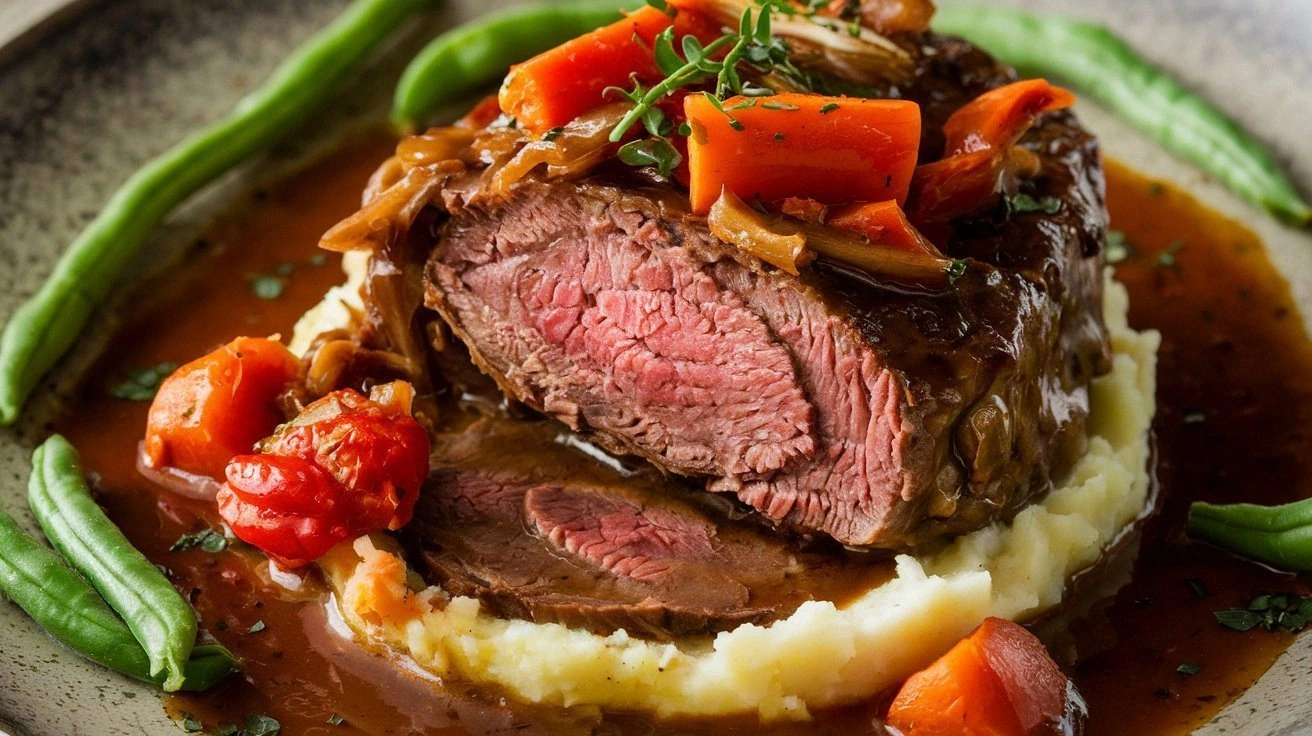
- Serve the steaks immediately, spooning the cheesy mushroom sauce over the top. Garnish with chopped parsley for a fresh, herbal finish. Pair with a side of roasted potatoes or a simple green salad to balance the richness. The result is a comforting, restaurant‑quality dish that feels like a warm hug in a plate.
That’s it— you did it. But hold on, I’ve got a few more tricks that will take this to another level. These insider tips will help you avoid common pitfalls and elevate the dish from good to unforgettable.
Insider Tricks for Flawless Results
The Temperature Rule Nobody Follows
Many cooks overcook their steak by waiting for the surface to become hard. The truth is, the steak’s interior is the real indicator of doneness. A quick probe with a thermometer ensures you hit the perfect temperature. If you’re using a digital thermometer, insert it into the thickest part of the steak. Remove it once the reading is stable; the steak will continue to cook slightly from residual heat.
Why Your Nose Knows Best
Your sense of smell is a reliable indicator of flavor development. As the onions caramelize, the scent should become sweet and nutty. When you add the wine, the aroma should shift to a bright, slightly acidic note. If the sauce smells flat or overly bitter, it’s a sign you need to adjust the seasoning. Trust your nose; it knows when the dish is ready.
The 5‑Minute Rest That Changes Everything
After cooking, let the steak rest for exactly five minutes before slicing. This rest period allows the juices to redistribute, preventing them from spilling out onto the cutting board. A friend once tried skipping this step and ended up with a dry, stringy steak that didn’t melt in the mouth. The five‑minute rest is a small but essential step that makes the difference between mediocre and sublime.
Keep the Sauce Smooth
If your sauce thickens too much, add a splash of beef broth or a tablespoon of water to loosen it. Conversely, if it’s too thin, let it simmer a bit longer on low heat. Stir constantly to avoid lumps; a whisk works best for a silky finish. The goal is a sauce that coats the steak like a velvet blanket.
Cheese Timing Is Key
Adding the cheese too early can cause it to separate, resulting in a greasy sauce. Add it just as the sauce begins to thicken, and stir until it’s fully melted. If you prefer a chunkier texture, add a handful of grated cheese at the end, letting it melt into the heat. The timing of the cheese addition is what gives this dish its signature melt‑in‑your‑mouth quality.
Creative Twists and Variations
This recipe is a playground. Here are some of my favorite ways to switch things up:
Herb‑Infused Delight
Swap the thyme for rosemary and add a handful of fresh basil at the end. The rosemary will give a piney aroma, while the basil adds a sweet, peppery finish. This version is perfect for a spring dinner when fresh herbs are in season.
Spicy Kick
Add a pinch of red pepper flakes to the onions and mushrooms for a subtle heat. Alternatively, finish the sauce with a splash of hot sauce or a drizzle of chili oil. The spice will cut through the richness and add excitement to each bite.
Vegetarian Version
Replace the steak with thick slices of grilled portobello mushrooms or seared tofu. The mushroom’s meaty texture will hold up to the sauce, and the cheese will still melt beautifully. This version is hearty enough to satisfy even the most devoted meat lovers.
Cheese Swap
Use Gruyère or Emmental instead of Swiss for a slightly sweeter, nuttier flavor. The cheese will still melt into the sauce, but the profile will shift to something richer. Pair it with a crusty baguette for a comforting bite.
Gluten‑Free Twist
Omit the flour used to thicken the sauce and replace it with a tablespoon of cornstarch mixed with a little cold water. This will give you the same silky texture without gluten. It’s an easy swap that keeps the dish inclusive for all diners.
Breakfast‑Style Take
Serve the steak and sauce over a bed of scrambled eggs instead of potatoes. The creamy sauce will coat the eggs like a luxurious glaze. Add a side of toast and you have a hearty, indulgent breakfast that feels like a brunch treat.
Storing and Bringing It Back to Life
Fridge Storage
Cool the dish completely before storing it in an airtight container. In the fridge, it will keep for up to three days. When reheating, use a low heat setting and stir frequently to maintain the sauce’s silky texture. The dish’s flavors will stay vibrant, and the cheese will remain creamy.
Freezer Friendly
If you want to keep this dish for longer, portion it into freezer‑safe containers and freeze for up to two months. When ready to enjoy, thaw overnight in the fridge, then reheat on the stovetop. Add a splash of water or broth to keep the sauce from drying out. The reheated dish will taste almost as fresh as when it was first made.
Best Reheating Method
The best way to reheat this dish is on the stove over low heat, stirring gently. If the sauce has thickened, add a tiny splash of water or broth to loosen it. Avoid microwaving, as it can make the cheese rubbery. The result is a dish that feels freshly cooked, with the same comforting aroma and melt‑in‑your‑mouth texture.