Introduction
Picture this: I was standing in my cramped kitchen, a stack of forgotten pork chops on the counter, and a craving that felt like a culinary dare. The last time I tried a “creamy herbed” dish, the sauce had turned out like a soggy blanket—nothing to write home about. But that evening, I decided to rewrite the rulebook. I grabbed a handful of fresh herbs, a splash of cream, and a secret seasoning blend that turned the ordinary into a showstopper.
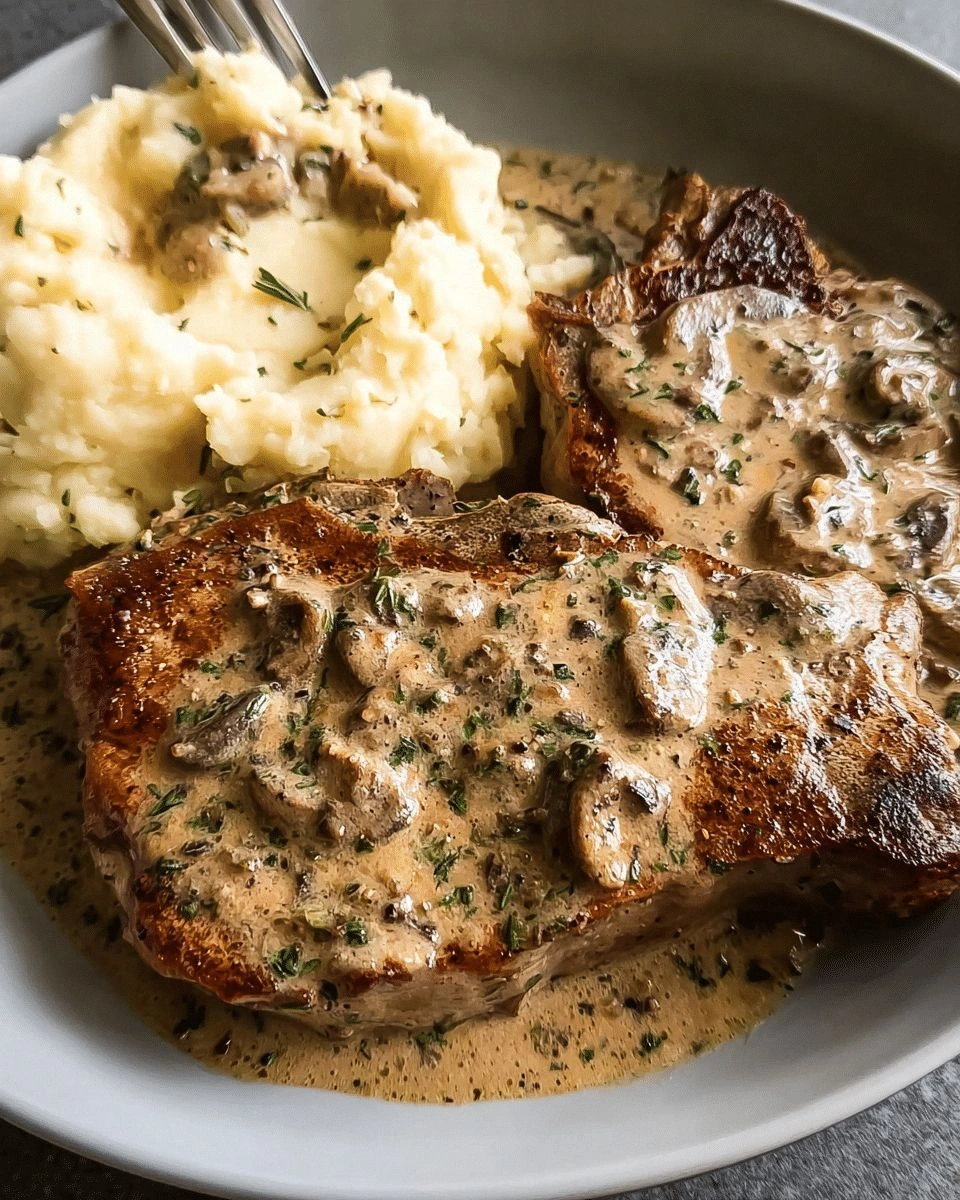
From the moment the pork hit the skillet, the aroma was a seductive invitation. The sizzling sound, the golden crust forming, and the faint scent of thyme and rosemary mingled like a fragrant symphony. My taste buds tingled before I even tasted the first bite. The sauce, thick and silky, clung to the meat like velvet, delivering a burst of umami with every mouthful. It wasn’t just a meal; it was a moment of triumph over kitchen mediocrity.
What makes this version stand out is that it’s built around three core principles: simplicity, depth of flavor, and an unexpected twist that elevates the classic pork chop. I’ve taken the basic idea of a creamy sauce and injected it with a bold herb profile, a touch of mustard for bite, and a hint of citrus to brighten the richness. The result? A dish that’s both comforting and sophisticated, ready to wow a crowd or satisfy a quiet dinner at home.
And there’s a twist you won’t see on the usual recipe blogs: I’ll be using a small amount of Dijon mustard and a splash of lemon juice in the sauce. That subtle tang cuts through the cream’s heaviness and keeps the dish from becoming too cloying. Trust me, this is hands down the best version you’ll ever make at home, and I dare you to taste this and not go back for seconds.
Let me walk you through every single step—by the end, you’ll wonder how you ever made it any other way.
What Makes This Version Stand Out
- Flavor Depth: The combination of thyme, rosemary, and a touch of lemon creates layers that dance on the palate. Each bite feels fresh yet indulgent, proving that herbs can be the star of a creamy dish.
- Texture Contrast: A crisp, golden crust meets a silky sauce that coats the pork like velvet. The crunch of the crust is a satisfying counterpoint to the smoothness of the gravy.
- Time Efficiency: From prep to plating, the entire process takes less than an hour. That’s a win for busy weeknights or last‑minute dinner parties.
- Make‑Ahead Friendly: The sauce can be prepared ahead and reheated without losing its lusciousness, making this dish a reliable backup for unexpected guests.
- Versatile Pairings: It pairs beautifully with roasted potatoes, sautéed greens, or a light salad, giving you endless plating options.
- Ingredient Quality: Using fresh, high‑quality pork chops and fresh herbs makes the difference between a good dish and a great one.
- Audience Appeal: Even the most skeptical pork chop skeptics will find themselves craving a second serving.
- Ingredient Simplicity: Only a handful of pantry staples are required, yet the flavor profile is complex and memorable.
Alright, let’s break down exactly what goes into this masterpiece...
Inside the Ingredient List
The Flavor Base
At the heart of this dish is the sauce, which marries cream, broth, and a punch of herbs. The cream provides richness, while the chicken broth lightens the sauce without diluting the flavor. Adding Dijon mustard introduces a subtle sharpness that cuts through the fat, and lemon juice brightens the overall profile. If you skip the mustard, the sauce will feel heavy and flat; the same goes for lemon—without it, the herbs can become overpowering.
The Texture Crew
Flour and butter are the unsung heroes that give the sauce its body. The flour thickens the mixture into a silky gravy, while the butter adds a glossy sheen and depth. When searing the pork chops, a thin coating of flour ensures a crisp, golden exterior that locks in juices. If you prefer a gluten‑free version, swap the flour for a fine almond flour or a cornstarch slurry.
The Unexpected Star
Fresh herbs are the secret sauce that elevate this recipe. A handful of chopped parsley and a splash of fresh thyme bring brightness, while dried rosemary adds a woody depth. The herbs are added at different stages—thyme and rosemary during the sear, parsley at the finish—to maximize aroma and flavor. Skipping the herbs will reduce the dish to a generic creamy pork chop; don’t do that.
The Final Flourish
Seasoning is the final touch that ties everything together. Salt and pepper are essential, but a pinch of smoked paprika adds a subtle smokiness that complements the pork. A drizzle of olive oil right before serving adds a silky finish and a pop of color. If you’re watching sodium, reduce the salt but keep the pepper bold.
Everything's prepped? Good. Let's get into the real action...
The Method — Step by Step
- Season the pork chops generously with salt, pepper, and smoked paprika on both sides. Pat them dry with paper towels; moisture is the enemy of a good sear. Let them rest at room temperature for ten minutes—this helps them cook evenly.
- Heat a large skillet over medium‑high heat and add 2 tablespoons of butter. Once the butter foams, sprinkle a light dusting of flour over the chops, tapping off any excess. This creates a crisp, golden crust that locks in juices.
- Sear the chops for 3–4 minutes on each side until a deep amber crust forms. The edges will start pulling away, a clear sign that the sear is complete. Flip only once to avoid tearing the meat.
- Remove the chops and set them aside on a plate. In the same pan, add minced garlic and sauté for 30 seconds until fragrant, being careful not to burn it.
- Pour in 1 cup of heavy cream and 1/2 cup of chicken broth, scraping up any browned bits. Stir in 1 teaspoon of dried thyme and 1 teaspoon of dried rosemary. Bring the mixture to a gentle simmer.
- Whisk in 2 tablespoons of Dijon mustard and 1 tablespoon of lemon juice. The sauce should thicken slightly and coat the back of a spoon. If it’s too thick, add a splash more broth.
- Return the pork chops to the skillet, nestling them into the sauce. Reduce heat to medium and let them cook for an additional 5 minutes, allowing the flavors to meld.
- Finish with a sprinkle of freshly chopped parsley and a drizzle of olive oil. This brightens the dish and adds a glossy sheen.
- Plate the chops, spooning the sauce over them. Serve immediately with your choice of sides.
That's it—you did it. But hold on, I've got a few more tricks that'll take this to another level...
Insider Tricks for Flawless Results
The Temperature Rule Nobody Follows
Many cooks think a high heat is the secret to a great sear. In reality, a medium‑high setting gives you a golden crust without burning the outside. I’ve found that preheating the pan for a full minute before adding butter ensures the skillet is hot enough to sear immediately.
Why Your Nose Knows Best
When the pork chops hit the pan, a distinct aroma of browned meat and herbs signals that the Maillard reaction is happening. If you don’t smell that, the pan isn’t hot enough, and you’ll end up with a soggy crust.
The 5‑Minute Rest That Changes Everything
After searing, let the pork chops rest for at least five minutes before adding them back to the sauce. This allows juices to redistribute, keeping the meat moist and tender.
Use Fresh Herbs for a Burst of Flavor
While dried herbs are convenient, fresh thyme or rosemary adds a brighter, more vibrant flavor. If you can’t find fresh herbs, use a pinch of dried and double the amount to compensate.
Finish with a Splash of Acid
Adding lemon juice at the end brightens the sauce and balances the richness of cream. A touch of vinegar or a dash of white wine can also work if you prefer a different acid profile.
Creative Twists and Variations
This recipe is a playground. Here are some of my favorite ways to switch things up:
Garlic Parmesan Crusted
Replace the flour dusting with a blend of grated Parmesan and garlic powder. The crust becomes nutty and savory, perfect for a more indulgent version.
Smoky Chipotle Cream
Add a teaspoon of chipotle in adobo for a smoky heat that pairs beautifully with pork. The chipotle also adds a deep, earthy undertone.
Herb‑Infused Gremolata
Top the finished dish with a gremolata of lemon zest, chopped parsley, and minced garlic. This bright, herby finish elevates the sauce’s freshness.
Butternut Squash Puree
Serve the pork chops over a smooth butternut squash puree instead of potatoes. The natural sweetness balances the richness of the sauce.
Asian Twist
Replace the cream with coconut milk and add soy sauce, ginger, and scallions. This creates a sweet‑savory, Asian‑inspired variation that’s equally delicious.
Low‑Carb Version
Use a thickening agent like xanthan gum instead of flour, and replace the cream with a combination of Greek yogurt and heavy cream. This keeps the dish low in carbs while maintaining creaminess.
Storing and Bringing It Back to Life
Fridge Storage
Store leftovers in an airtight container in the refrigerator for up to 3 days. The sauce may thicken slightly; a splash of milk or broth will restore its silky texture.
Freezer Friendly
For longer storage, freeze the pork chops and sauce separately. The pork can be frozen for up to 2 months, while the sauce lasts up to 1 month. Thaw overnight in the fridge before reheating.
Best Reheating Method
Reheat on low heat, stirring occasionally. Add a tiny splash of water or broth to keep the sauce from drying out. The pork should reach an internal temperature of 145°F before serving.