Picture this: a Friday night, a stack of take‑out containers, a craving for something exotic, and an accidental splash of soy sauce on a fresh tuna steak that turned into a culinary experiment. I was staring at a half‑finished sushi roll, the rice still soggy, when I realized I’d forgotten the crispy element that makes a dish memorable. That moment sparked a midnight epiphany: what if we could marry the silky texture of tuna tartare with the satisfying crunch of fried rice, all wrapped in a wonton shell? I laughed, grabbed my skillet, and vowed to create a dish that would make every bite feel like a secret handshake between two flavors.
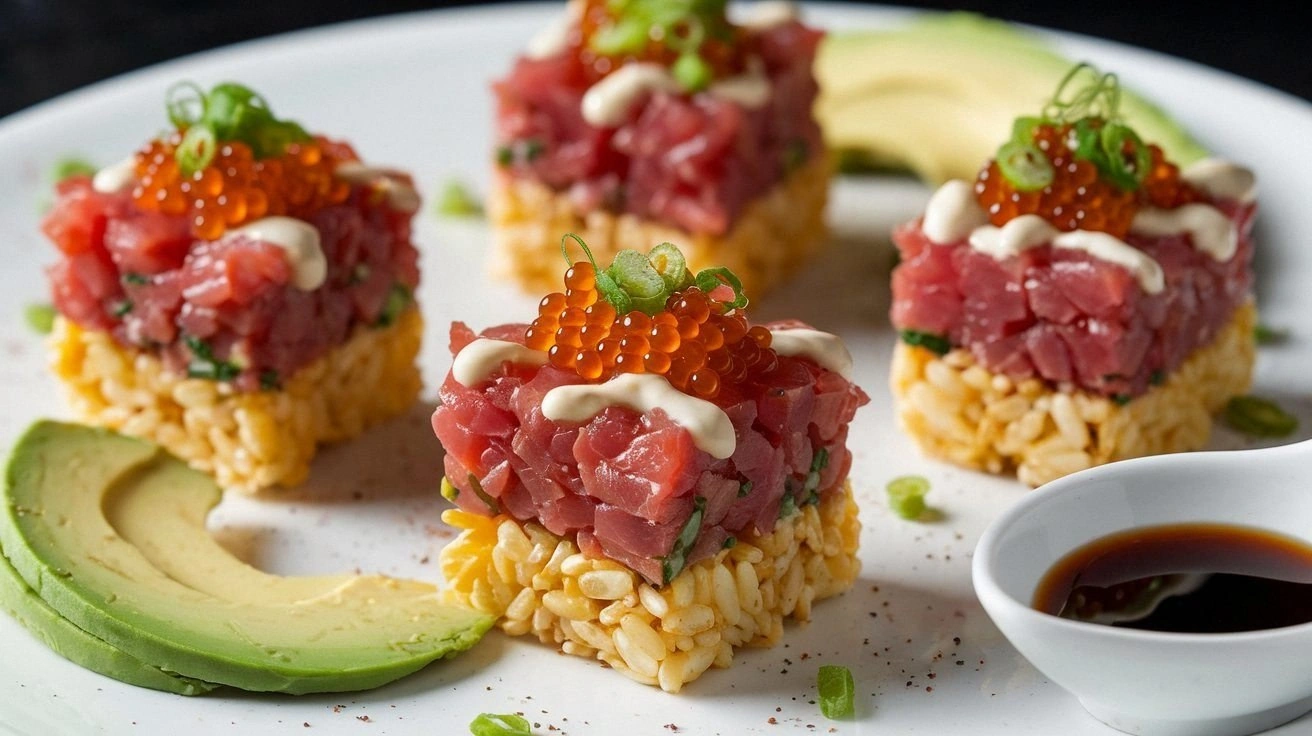
The first thing that caught my eye was the bright green cucumber, the deep orange of the avocado, and the glossy sheen of the tuna cubes. As the oil hit the pan, a sizzle erupted, and the aroma of toasted sesame seeds filled the kitchen, turning the room into an instant sushi bar. The sound of the rice popping in the skillet was like a drumbeat, a promise that the crunch was coming. The taste of the lime‑infused sauce was a zesty punch that cut through the richness of the tuna, while the subtle heat from the chili kept the palate on its toes. The texture was a symphony: the rice crackled like thin ice, the tuna was buttery, and the avocado added a creamy counterpoint.
What makes this version a game‑changer is the layering of flavors and textures that each bite delivers. Instead of a flat plate of tuna, the dish is a multi‑sensory experience: the crunch of the rice, the melt of the avocado, the sharp bite of the lime, and the gentle heat from the chili. The use of sushi‑grade tuna guarantees that the fish is safe to eat raw, while the quick blanching of the rice preserves its al dente bite. The wonton wrapper acts as a neutral canvas that holds everything together, giving a subtle hint of wheat that balances the fish’s umami. This recipe is hands down the best version you’ll ever make at home, because it turns a simple appetizer into a showstopper.
I dare you to taste this and not go back for seconds. The secret to that perfect crunch lies in the way the rice is fried—just enough time to brown the grains but not so long that they become mushy. A quick whisk of rice vinegar and lime juice before frying gives the rice a bright, tangy undertone that elevates the whole dish. The final touch? A sprinkle of toasted almond slivers that add a nutty crunch and a burst of color that makes the plate pop. Most recipes get this completely wrong, either by over‑frying the rice or under‑seasoning the tuna. Here’s what actually works: keep the heat medium, stir constantly, and taste as you go.
Picture yourself pulling this out of the oven—well, the skillet—into a plate that looks like a miniature Japanese garden. The steam rises, the aroma of sesame and citrus hits your nose, and you can already taste the contrast between the silky tuna and the crispy rice. The whole kitchen smells incredible, and the anticipation of that first bite is almost too much to bear. Stay with me here—this is worth it. I’ll be honest, I ate half the batch before anyone else got to try it. But the real magic happens when you plate it with a drizzle of soy reduction and a wedge of lime on the side.
If you've ever struggled with making tuna tartare that feels like a gourmet experience, you're not alone—and I've got the fix. The trick is to keep the tuna fresh, slice it finely, and let the flavors meld for just a few minutes before assembling. This recipe is a playground, and the next part of the journey is about mastering the crispy rice and the perfect wonton wrapper. Okay, ready for the game‑changer? Let’s dive into the details and bring this dish to life, step by step.
What Makes This Version Stand Out
- Taste: The balanced blend of umami from the tuna, acidity from lime, and the nutty aroma of sesame creates a flavor profile that feels both familiar and adventurous.
- Texture: The contrast between the crunchy rice, the silky tuna, and the creamy avocado delivers a multi‑dimensional mouthfeel that keeps diners hooked.
- Ingredient Quality: Using sushi‑grade tuna ensures safety and the freshest possible taste; high‑quality soy sauce and rice vinegar elevate the sauce.
- Visual Appeal: The vibrant colors—green cucumber, orange avocado, golden rice—make the dish Instagram‑worthy while also signaling freshness.
- Ease of Assembly: The wonton wrapper acts as a natural holder, making plating effortless and preventing the delicate components from falling apart.
- Make‑Ahead Potential: The tuna mixture can be prepared up to an hour in advance; the rice can be fried just before serving to maintain crunch.
- Flavor Layering: Each bite reveals a new element—first the rice crunch, then the tuna, followed by avocado and a burst of citrus.
- Guest Reaction: This dish tends to elicit “wow” moments, especially from those who expect a simple appetizer but receive a culinary experience.
Alright, let's break down exactly what goes into this masterpiece...
Inside the Ingredient List
The Flavor Base
The sauce is the heart of this dish. Soy sauce provides salty depth, rice vinegar adds bright acidity, and sesame oil brings a nutty aroma that coats every bite. Lime juice injects a citrusy punch that cuts through the richness of the tuna, preventing it from feeling too heavy. Fresh chili adds a gentle heat that lingers on the palate, while chopped cilantro and scallions offer a herbal lift. If you’re not a fan of raw chili, a dash of sriracha can replace the heat without compromising the flavor profile.
Skipping the sauce would leave the dish feeling flat and under-seasoned. The acidity from the vinegar and lime is essential; it balances the umami and prevents the tuna from tasting overly fishy. If you’re looking for a twist, swap the lime for yuzu for a more floral citrus note. Always use a light hand with soy sauce—too much can drown the delicate flavors of the tuna and avocado.
The Texture Crew
Crispy rice is the star that delivers crunch. Use short‑grain rice for its stickiness; when fried, it forms a golden, slightly chewy exterior. Toasted sesame seeds add a nutty crunch and a pop of color that makes the dish visually appealing. Toasted almond slivers bring a subtle nutty flavor that complements the sesame, while a pinch of sea salt ties the whole thing together. If you’re allergic to nuts, you can omit the almond slivers and still enjoy the crunch from the rice.
The avocado provides a creamy counterbalance, softening the bite while adding healthy fats. The cucumber, diced and lightly salted, offers a refreshing crunch that cuts through the richness of the tuna. If you prefer a sweeter crunch, replace cucumber with julienned carrots; they’ll add color and a slight sweetness that pairs well with the soy‑lime sauce. The wonton wrappers act as the vessel, holding the mixture together and adding a subtle wheat flavor that balances the dish.
The Unexpected Star
The tuna itself is the unexpected star. Sushi‑grade tuna is essential because it’s safe to eat raw and has a buttery texture that melts in your mouth. Dice it finely to ensure each bite is a uniform blend of flavors. A small pinch of wasabi powder can be added to the tuna mixture for an extra kick, but it’s optional. If you’re a fan of spicy tuna rolls, a teaspoon of sriracha will give the tartare a pleasant heat that’s not overpowering.
Using fresh tuna also means you can experiment with different cuts—tuna belly for richer fat content or tuna loin for leaner, firmer flesh. The key is to keep the fish chilled until it’s time to assemble, which preserves its texture and prevents it from becoming mushy. If you’re short on time, pre‑cut the tuna a few hours ahead and store it in an airtight container in the fridge.
The Final Flourish
A drizzle of soy reduction on top adds a glossy sheen and a concentrated burst of umami. Lime wedges on the side give diners the option to squeeze fresh citrus into each bite, customizing the acidity. A sprinkle of fresh microgreens or a few drops of chili oil can elevate the dish further, adding a pop of color and an extra layer of flavor. If you want to add a bit of heat without altering the base sauce, a few drops of sriracha on the finished plate will do the trick.
Everything's prepped? Good. Let's get into the real action...
The Method — Step by Step
- Cook the rice according to package instructions, then spread it on a baking sheet to cool. Let the grains firm up; this prevents them from becoming mushy when fried. Once cooled, cover the rice with a damp towel and let it rest for 10 minutes.
- Dice the sushi‑grade tuna into 1‑inch cubes. In a bowl, whisk together soy sauce, rice vinegar, lime juice, sesame oil, a pinch of salt, and the finely chopped chili. Gently fold the tuna into the sauce, ensuring each cube is coated. Cover and refrigerate for 10 minutes to allow flavors to meld.
- Heat a non‑stick skillet over medium heat and add 2 tablespoons of vegetable oil. Add the cooled rice and spread it evenly. Fry for 8–10 minutes, stirring frequently, until the rice turns golden brown and each grain feels slightly crisp to the touch. Remove the rice from the pan and let it cool on a paper towel to absorb excess oil.
- While the rice is cooling, prepare the filling: combine diced cucumber, avocado, toasted sesame seeds, and a pinch of sea salt. Toss gently so the ingredients are evenly distributed.
- Take a wonton wrapper and place a tablespoon of the crispy rice in the center. Layer with a spoonful of the tuna mixture, then add a small amount of the cucumber‑avocado mix. Fold the wrapper into a triangle, sealing the edges with a dab of water. Repeat until all wrappers are filled.
- Heat a deep skillet or wok with 3–4 inches of vegetable oil to 350°F (175°C). Carefully slide the filled wontons into the hot oil, frying in batches to avoid overcrowding. Fry for 3–4 minutes, turning once, until the wrappers are golden brown and the rice inside is crisp. Remove with a slotted spoon and drain on paper towels.
- Serve immediately on a chilled plate, drizzled with a thin line of soy reduction. Garnish with lime wedges, a sprinkle of fresh microgreens, and a dash of chili oil for an extra kick.
- Optional: For a smoky twist, add a pinch of smoked sea salt to the rice before frying. The salt will give the rice a subtle, savory undertone that pairs wonderfully with the fresh tuna.
That's it — you did it. But hold on, I've got a few more tricks that'll take this to another level. The next section will reveal insider tips that will help you achieve consistent results every time.
Insider Tricks for Flawless Results
The Temperature Rule Nobody Follows
Oil temperature is everything. If it's too hot, the wrappers will burn on the outside before the rice inside crispens; too cool, and the oil will soak into the wrappers, making them soggy. Use a kitchen thermometer and aim for 350°F (175°C). If you don't have a thermometer, drop a single grain of rice into the oil; it should sizzle immediately and start popping within a few seconds.
Why Your Nose Knows Best
When the rice is frying, you’ll notice a sweet, nutty aroma that signals the perfect moment to flip. The scent of toasted sesame seeds is a reliable indicator that the grains are golden and ready to be removed. If you ignore this cue, you risk over‑cooking the rice or under‑cooking the wrappers.
The 5-Minute Rest That Changes Everything
After frying the rice, let it rest on a paper towel for at least 5 minutes. This step allows the steam to escape and the grains to firm up, preventing them from collapsing when you add the tuna. I’ve seen people skip this step and end up with a mushy texture that ruins the entire dish.
Use Fresh Tuna for Best Texture
Sushi‑grade tuna is not just a label; it’s a guarantee of freshness and safety. If you’re buying from a reputable fish market, look for bright red flesh with a firm bite. Avoid tuna that has a dull color or a slight odor—those are signs of spoilage. Fresh tuna will stay firm and retain its buttery flavor even after being mixed with the sauce.
Keep the Cucumber Crunchy
Cucumber can release water quickly, softening the dish. To counter this, salt the diced cucumber lightly and let it sit for 5 minutes before draining. This draws out excess moisture, keeping the cucumber crisp and preventing the wontons from becoming soggy.
The Final Garnish Touch
A drizzle of soy reduction not only adds shine but also intensifies the umami. For a subtle sweet note, add a teaspoon of honey to the reduction. A few microgreens on top add a fresh, peppery flavor and a pop of color that makes the dish look professionally plated.
Creative Twists and Variations
This recipe is a playground. Here are some of my favorite ways to switch things up:
Spicy Mango Crunch
Swap the cucumber for diced mango and add a pinch of cayenne pepper to the sauce. The sweet mango pairs beautifully with the tuna, while the cayenne adds a subtle heat that keeps the dish exciting.
Herbal Zen
Replace the cilantro with fresh dill and add a splash of lemon juice to the sauce. The dill’s bright, grassy notes give the tartare a refreshing, almost herbal vibe that’s perfect for a light lunch.
Miso‑Infused Delight
Stir a teaspoon of white miso paste into the soy sauce before whisking the sauce. The miso adds a deep, savory umami that complements the tuna’s richness and brings a comforting warmth to the dish.
Crispy Tofu Alternative
For a vegetarian version, replace the tuna with diced silken tofu marinated in soy sauce, rice vinegar, and sesame oil. Fry the tofu briefly to give it a slight crunch before assembling the wontons.
Seaweed Twist
Wrap the finished wontons with a thin sheet of nori before frying. The seaweed adds a subtle briny flavor that enhances the fishiness of the tuna and gives the dish an extra layer of texture.
Ginger‑Lime Fusion
Add a tablespoon of grated fresh ginger to the sauce and replace lime juice with yuzu for a more aromatic citrus note. This combination gives the dish a bright, zesty kick that’s both refreshing and complex.
Storing and Bringing It Back to Life
Fridge Storage
Store the assembled wontons in an airtight container in the refrigerator for up to 2 days. Keep the rice separate from the tuna until you’re ready to serve to maintain the crunch. Reheat in a skillet over medium heat for 2–3 minutes, or until warmed through.
Freezer Friendly
Freeze the fried wontons on a parchment‑lined tray for 1–2 hours, then transfer them to a freezer bag. They’ll keep for up to 3 months. To reheat, simply microwave on high for 45 seconds, then finish in a hot skillet for a crisp finish.
Best Reheating Method
Add a splash of water to the pan before reheating; the steam will gently rehydrate the rice without making the wontons soggy. Heat over medium heat, turning occasionally until the wrappers are golden and the filling is hot. This method preserves the texture and flavor profile better than microwaving.