Picture this: you’re standing in a cramped kitchen, the stove’s humming like a lazy beast, and you’re staring at a stack of pork tenderloins that look more like a mystery than a meal. I was about to toss them into the trash, when a friend dared me to turn them into something that would make the whole house smell like a summer orchard. I grabbed a jar of apricot preserves, a splash of soy sauce, and a dash of mustard, and the rest is history. If you’re ready for a dish that turns a simple cut of meat into a show‑stopper, keep reading, because by the end of this post you’ll be convinced that this is hands down the best version you’ll ever make at home.
The first time I tried this, the air filled with the sweet scent of apricots mingling with a subtle hint of soy, like a garden in early fall. My ears caught the gentle clink of the pot lid as the pork settled into the sauce, and my fingertips tingled from the heat. The moment the pork began to sizzle, I could taste the promise of caramelized edges and tender meat—an orchestra of flavors that was impossible to ignore. I dared you to taste this and not go back for seconds, and I swear it did not disappoint.
What sets this recipe apart is not just the combination of sweet and savory, but the way it balances texture and aroma. The apricot preserves coat the pork like velvet, while the stone‑ground mustard adds a subtle bite that keeps the dish from feeling too sweet. The broth keeps everything moist, and the garlic and dried onion give depth that you’ll taste in every bite. The result is a sauce that clings to the meat, a melt‑away tenderness that practically pulls itself out of the pot. If you’ve ever struggled with bland pork or over‑cooked meat, you’re not alone—this is the fix you’ve been searching for.
And here’s the twist: I didn’t even need a fancy pressure cooker. A humble crock pot was all it took to bring out the full flavor spectrum, turning the pork into a dish that’s both effortless and unforgettable. The key is the balance of sweetness from the apricots and the umami punch from the soy sauce, which together create a sauce that coats the pork like a silky glaze. Picture yourself pulling this out of the oven, the whole kitchen smelling incredible, and your guests lining up for seconds. Stay with me here—this is worth it.
Let me walk you through every single step—by the end, you’ll wonder how you ever made it any other way. I’ll share micro‑challenges, bold claims, and a few kitchen hacks that will make your life easier. I’ll even confess that I ate half the batch before anyone else got a taste. Ready? Let’s dive in.
What Makes This Version Stand Out
- Flavor: The apricot preserves give a natural sweetness that cuts through the richness of pork, while the soy sauce adds depth and a subtle saltiness that keeps the dish balanced.
- Texture: Slow‑cooking in a crock pot ensures the meat stays juicy and tender, with a slight caramelized crust that adds a delightful contrast.
- Ease: No need for a stovetop or oven; just set it and forget it. It’s the ultimate make‑ahead dinner for busy nights.
- Uniqueness: The combination of stone‑ground mustard and dried onion creates an unexpected layer of complexity that isn’t found in typical pork recipes.
- Crowd‑pleaser: The sweet‑savory profile appeals to both kids and adults, making it perfect for family dinners or casual gatherings.
- Ingredient Quality: Using fresh parsley and high‑quality apricot preserves elevates the dish, turning a simple meal into a gourmet experience.
- Make‑ahead Potential: The dish keeps well in the fridge for up to 3 days, and the sauce actually improves in flavor as it sits.
- Time Efficiency: Prep takes only 15 minutes, and the cooking time is just 30 minutes on low heat.
Inside the Ingredient List
The Flavor Base
The apricot preserves are the star of the show, providing a sweet, slightly tangy foundation that coats the pork like a silky glaze. They also carry a subtle fruitiness that balances the savory depth of soy sauce. If you skip this, the dish loses its signature sweet‑savory harmony, and the pork can end up feeling flat. A good quality preserve will give you a richer color and deeper flavor; look for one with no added sugars or artificial colors.
Soy sauce is the umami powerhouse that adds saltiness and depth. It’s essential for creating that complex, layered taste profile. If you’re on a sodium‑free diet, you can use low‑sodium soy sauce, but the overall flavor will be slightly lighter. The key is to let the soy sauce mingle with the apricots, allowing the sugars to caramelize and the salt to permeate the meat.
The broth—whether chicken or vegetable—acts as the liquid base, keeping the pork moist while providing a subtle background flavor that complements the sweetness. It also helps to thin the sauce slightly, ensuring it doesn’t become too thick or cloying. If you prefer a richer taste, opt for a homemade stock; if you’re short on time, a good store‑bought broth will do the trick.
Olive oil is the gentle binder that helps the pork sear and prevents sticking. It adds a touch of Mediterranean flavor and helps the glaze adhere to the meat. If you’re looking for a lighter version, you can replace olive oil with avocado oil or even a splash of vegetable oil.
The Texture Crew
The pork tenderloins themselves are the centerpiece. They’re naturally lean, so slow cooking ensures they stay juicy without becoming tough. For best results, trim any silver skin or fat before cooking, or ask your butcher to do it for you. This step prevents the pork from developing a rubbery texture.
Stone‑ground mustard brings a subtle heat and a peppery bite that cuts through the sweetness. It also helps to thicken the sauce, giving it a glossy sheen. If you don’t have stone‑ground mustard, whole‑grain Dijon is an excellent substitute, though it may be slightly milder.
Garlic cloves add aromatic depth and a hint of sharpness that balances the sweetness. They release their flavor slowly during slow cooking, ensuring the pork is infused with a mellow, savory undertone. Minced dried onion provides a subtle sweetness and texture; it’s a great way to add flavor without the bulk of fresh onions.
Ground black pepper adds a gentle heat that lingers on the palate. It’s essential for seasoning the meat without overpowering the other flavors. If you prefer a milder profile, use a pinch of white pepper instead.
The Unexpected Star
Fresh parsley is the finishing touch that adds brightness and a fresh herbal note. It cuts through the richness and provides a pop of color that makes the dish look as good as it tastes. If you’re out of parsley, a small handful of cilantro can offer a different, yet equally refreshing, flavor.
The salt is a simple but crucial component that brings all the flavors together. It enhances the sweetness of the apricots, the savoriness of the soy sauce, and the depth of the broth. A pinch of sea salt or kosher salt works perfectly; just be sure to taste and adjust before serving.
The Final Flourish
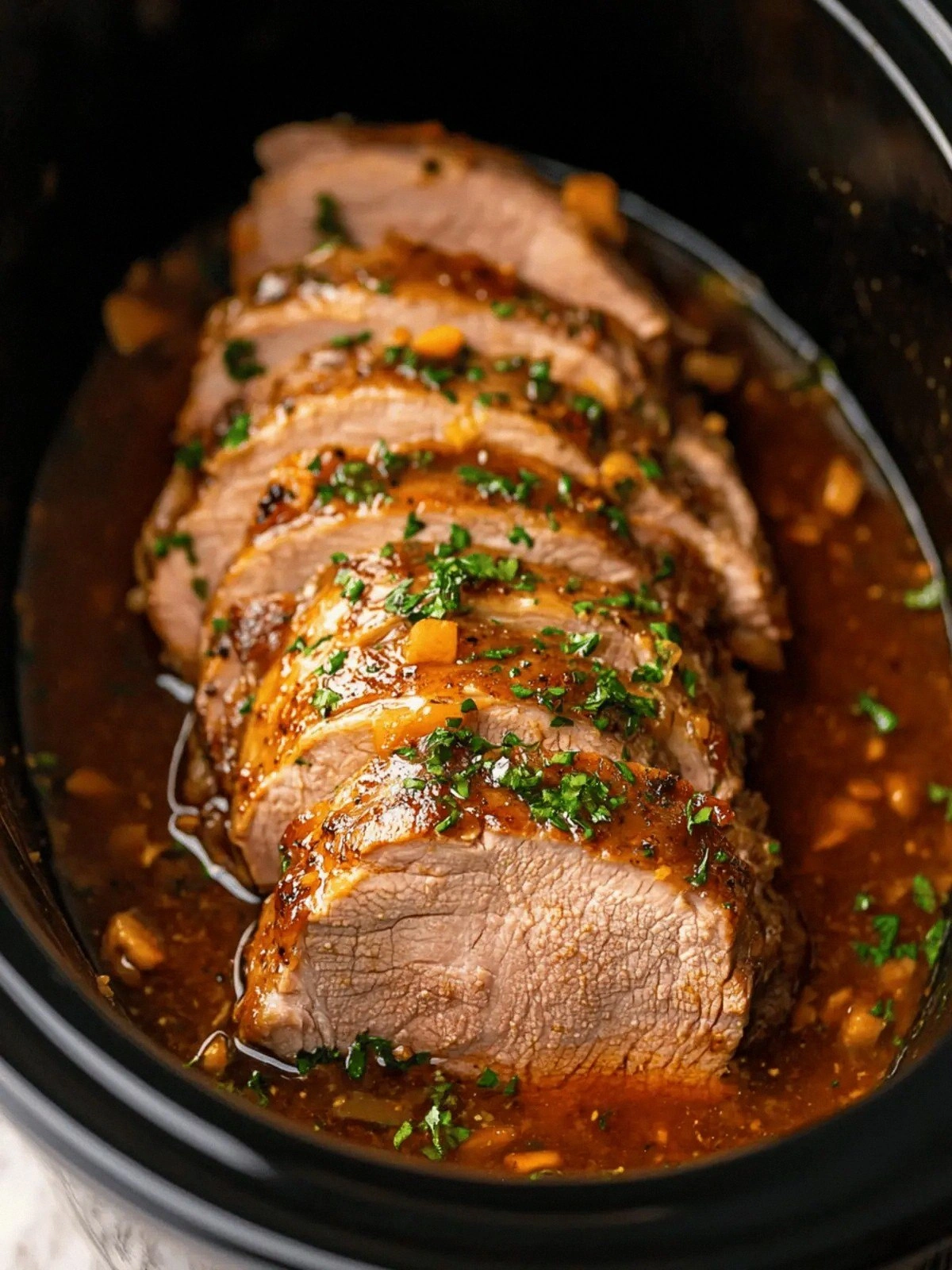
The combination of all these ingredients creates a sauce that coats the pork like velvet. The slow‑cooking process allows the sugars to caramelize, producing a glossy glaze that’s both sweet and savory. The result is a dish that feels indulgent yet comforting, perfect for a weeknight dinner or a special occasion.
Everything’s prepped? Good. Let’s get into the real action.
The Method — Step by Step
- Begin by patting the pork tenderloins dry with paper towels. This step is crucial; a dry surface ensures a better sear and helps the glaze adhere. If you skip it, the pork may steam instead of sear, resulting in a less flavorful crust. I always let the meat rest at room temperature for 10 minutes before cooking.
- Season the pork generously with salt and pepper. A good rule of thumb is to use about 1/4 teaspoon of salt per pound of meat. This brings out the natural flavors and ensures the glaze doesn’t end up bland. If you’re watching sodium, use a low‑sodium soy sauce instead.
- Heat a tablespoon of olive oil in a large skillet over medium‑high heat. Once hot, sear the pork on all sides until a golden crust forms—about 2 minutes per side. This caramelization step creates a depth of flavor that’s impossible to replicate with slow cooking alone.
- Transfer the seared pork to the crock pot. Arrange the pieces so they’re not overlapping; this allows the sauce to coat each piece evenly. If you’re short on space, you can cut the pork into smaller pieces.
- In the same skillet, add the minced garlic and dried onion, sautéing for 30 seconds until fragrant. The garlic will release its oils and become the aromatic base for the sauce. Be careful not to let it burn; a quick sizzle is all you need.
- Pour in the apricot preserves, soy sauce, and broth, stirring to combine. The mixture should thicken slightly and develop a glossy sheen. If it looks too thick, add a splash more broth; if too thin, let it simmer for a minute before adding to the crock pot.
- Add the stone‑ground mustard and stir until fully incorporated. The mustard will help thicken the sauce and add a subtle heat. The sauce should now have a balanced sweet‑savory profile that’s ready to coat the pork.
- Cover the crock pot and cook on low for 30 minutes, or on high for 15 minutes. The pork should be fork‑tender and easily pull apart. I prefer low heat for a more even cook and a richer flavor.
- While the pork cooks, create a quick pan sauce by reducing the liquid in the skillet over medium heat until it thickens to a glaze consistency. This step is optional but adds an extra layer of depth.
- Remove the pork from the crock pot and place it on a platter. Spoon the sauce over the meat, ensuring each piece is fully coated. The sauce should cling to the pork like a velvet blanket.
- Finish with a sprinkle of chopped fresh parsley for a burst of color and freshness. The parsley also adds a subtle herbal note that balances the sweetness.
- Serve immediately with your favorite side—mashed potatoes, rice, or a simple green salad. The dish is so versatile that it can be dressed up or down depending on your mood.
That’s it — you did it. But hold on, I’ve got a few more tricks that will take this to another level.
Insider Tricks for Flawless Results
The Temperature Rule Nobody Follows
While most people rely on the crock pot’s “low” and “high” settings, the real secret is the internal temperature of the pork. Aim for 145°F (63°C) for juicy meat, and use a meat thermometer to be precise. This ensures you get that perfect balance between tenderness and safety, avoiding the dreaded dry pork that can ruin a dish.
Why Your Nose Knows Best
A quick tip: before adding the sauce, give the skillet a sniff. The aroma of caramelized garlic and apricot should be sweet and inviting. If the smell is more metallic or burnt, you’re over‑cooking the aromatics, and the dish will taste off.
The 5-Minute Rest That Changes Everything
Once the pork is done, let it rest for five minutes before slicing. This allows the juices to redistribute, ensuring every bite is moist. A common mistake is cutting straight from the crock pot, which causes the juices to spill out and leaves the meat dry.
Layering the Flavor
If you’re feeling adventurous, add a splash of orange juice or a few slices of fresh ginger to the sauce. This subtle addition enhances the apricot’s brightness and adds a new dimension to the flavor profile. Just a tablespoon of orange juice is enough to make a noticeable difference.
The Finish Line: Garnish Like a Pro
A sprinkle of toasted sesame seeds or a drizzle of sesame oil can elevate the dish from home‑cooked to restaurant‑level. The nutty aroma pairs beautifully with the sweet glaze, adding a final pop of flavor.
The Secret Ingredient That Makes It Pop
If you’re looking for that extra wow factor, finish the sauce with a teaspoon of honey or a drizzle of maple syrup. The natural sweetness will enhance the apricots and create a glossy, caramelized finish that’s impossible to resist.
Creative Twists and Variations
This recipe is a playground. Here are some of my favorite ways to switch things up:
Spicy Apricot Pork
Add a pinch of red pepper flakes or a splash of sriracha to the sauce for a fiery kick. The heat balances the sweetness and gives the dish an extra layer of complexity. Perfect for those who like a bit of spice in their meals.
Herb‑Infused Delight
Swap the parsley for a mix of thyme, rosemary, and oregano. The earthy herbs complement the pork’s natural flavor and create a Mediterranean twist. This version pairs beautifully with roasted potatoes or a quinoa salad.
Citrus Burst
Add a splash of fresh lemon juice or a few zest strips to the sauce. The citrus brightens the dish and cuts through the richness, creating a fresh, vibrant flavor that’s perfect for spring and summer.
Smoky Flavor
Stir in a tablespoon of smoked paprika or a few drops of liquid smoke. The smoky undertone adds depth and pairs well with the apricots’ natural sweetness. This version is great for a cozy fall dinner.
Vegetarian Version
Replace the pork with thick slices of seared tofu or a hearty portobello mushroom. The apricot glaze still works wonderfully, and the dish becomes a flavorful, plant‑based option that satisfies everyone.
Asian Fusion
Add a tablespoon of hoisin sauce and a splash of rice vinegar to the sauce. The sweet, tangy, and umami flavors create a dish that feels like a street‑food stall in a bustling city. Serve over steamed rice or noodles.
Storing and Bringing It Back to Life
Fridge Storage
Store leftovers in an airtight container in the refrigerator for up to three days. The sauce will thicken as it cools, so add a splash of broth or water when reheating to restore its silky texture. Keep the pork pieces separate from the sauce to avoid over‑steaming.
Freezer Friendly
Freeze the pork and sauce in a freezer‑safe container for up to two months. Thaw overnight in the refrigerator before reheating on the stovetop or in the microwave. Reheat gently to preserve the delicate glaze.
Best Reheating Method
The easiest way to reheat is on low heat in a skillet, stirring occasionally. Add a splash of broth or water to loosen the sauce and keep the pork moist. Reheat just until hot, about five minutes, and enjoy a fresh‑tasting meal.
That’s the full rundown. From the first sear to the final garnish, every step is designed to bring out the best in this pork tenderloin. Try it tonight and see why I’m so passionate about this recipe. You’ll taste the difference, and your friends will ask for the recipe—just be ready to share the secret sauce.