I remember the night I almost turned my kitchen into a seafood disaster. A half‑cooked shrimp, a crab leg that had been left on the counter too long, and a pot of water that boiled over—my apartment smelled like a lobster factory gone wrong. That chaos sparked a mission: create a foolproof, flavor‑packed crock‑pot seafood boil that delivers restaurant‑level taste with minimal fuss. I set my mind on a dish that would have my friends begging for seconds, and I’ve nailed it.
Picture this: steam rises like a fragrant cloud, the air tingles with Old Bay and citrus, and the sound of bubbles is the soundtrack to a relaxed evening. The first bite of shrimp is buttery and sweet, the crab legs are succulent with a subtle brine, and the corn and potatoes cling to the savory broth like a velvety coat. The sausage adds a smoky crunch that balances the oceanic sweetness, while the garlic and bay leaves infuse the liquid with earthy depth. The result? A dish that feels like a seaside getaway in a pot, but you’re right there in your kitchen.
What sets this version apart from the countless “seafood boil” recipes that flood the internet is the meticulous layering of flavors and the use of the crock‑pot’s low‑heat magic to meld ingredients without overcooking the delicate shrimp. I’ve experimented with dozens of spice blends, but the combination of Old Bay, paprika, a dash of cayenne, and a squeeze of lemon gives it that signature tang that makes every bite memorable. And the secret? A touch of butter at the end that glazes the seafood, turning the broth into a silky, glossy sauce that clings to the shells.
I dare you to taste this and not go back for seconds. I’ve been honest—half the batch vanished before anyone else could touch it. Most recipes get this completely wrong by over‑seasoning or letting the shrimp overcook. Here’s what actually works: a gentle simmer, a balanced spice mix, and a final splash of butter. Picture yourself pulling this out of the pot, the whole kitchen smelling incredible, and your guests already lining up for a plate. Let me walk you through every single step—by the end, you’ll wonder how you ever made it any other way.
What Makes This Version Stand Out
- Flavor: The blend of Old Bay, paprika, and lemon creates a savory, slightly smoky broth that envelops every morsel. The butter finish adds richness that elevates the dish to gourmet territory.
- Texture: Shrimp stay tender, crab legs retain their snap, and potatoes stay firm yet absorb the broth. The sausage adds a satisfying chew that contrasts with the seafood.
- Simplicity: All you need is a crock‑pot and a handful of pantry staples. No prep‑heavy steps—just layer, cook, and serve.
- Uniqueness: The inclusion of a subtle cayenne kick and a lemon twist sets this boil apart from the usual salt‑and‑pepper versions.
- Crowd Reaction: Friends always ask for the recipe after one plate. The dish is shareable, comforting, and impressively flavorful.
- Ingredient Quality: Fresh shrimp, crab legs, and seasonal produce make the difference. The recipe thrives on high‑quality, fresh ingredients.
- Cooking Method: Low‑heat crock‑pot cooking keeps the seafood from drying out, while the broth develops depth over time.
- Make‑Ahead Potential: The broth can be made a day ahead and reheated, allowing you to focus on last‑minute prep when guests arrive.
Alright, let’s break down exactly what goes into this masterpiece…
Inside the Ingredient List
The Flavor Base
The backbone of this boil starts with a 4‑cup broth made from water, a splash of chicken or vegetable stock, and a generous handful of Old Bay seasoning. The Old Bay gives the dish its signature savory, slightly peppery kick, while the stock adds depth. If you’re on a low‑sodium diet, swap the stock for a homemade low‑salt broth and increase the bay leaves for aroma. Skipping the broth would leave the seafood dry; the liquid is essential for a moist, flavorful end result.
The Texture Crew
Potatoes, corn, and sausage form the hearty backbone. I use small, waxy potatoes that hold their shape, sweet corn on the cob for a pop of color, and smoked kielbasa for smokiness. The sausage adds a protein boost and a chewy contrast that balances the delicate shrimp. If you prefer a vegetarian version, replace the sausage with a handful of sliced mushrooms sautéed in garlic; they’ll absorb the broth beautifully.
The Unexpected Star
The shrimp and crab legs are the real showstoppers. Fresh, medium‑size shrimp (about 1 lb) and fresh crab legs (1 lb) are my go‑to. The shrimp should be peeled but left tail‑on for easy handling; the crab legs can be pre‑cooked or raw, but raw will give that fresh brine flavor. If you can’t find fresh crab, frozen crab legs work fine—just thaw them properly. Skipping the shrimp would make the dish feel incomplete; they’re the centerpiece that ties everything together.
The Final Flourish
A few finishing touches elevate the dish: a squeeze of fresh lemon, a drizzle of melted butter, and a sprinkle of fresh parsley. The lemon brightens the broth and cuts the richness, while the butter gives a silky sheen that clings to each shell. Fresh parsley adds a burst of green freshness that brightens the plate. If you’re allergic to shellfish, you can substitute with a handful of cooked mussels or clams for a similar oceanic feel.
Everything’s prepped? Good. Let’s get into the real action…
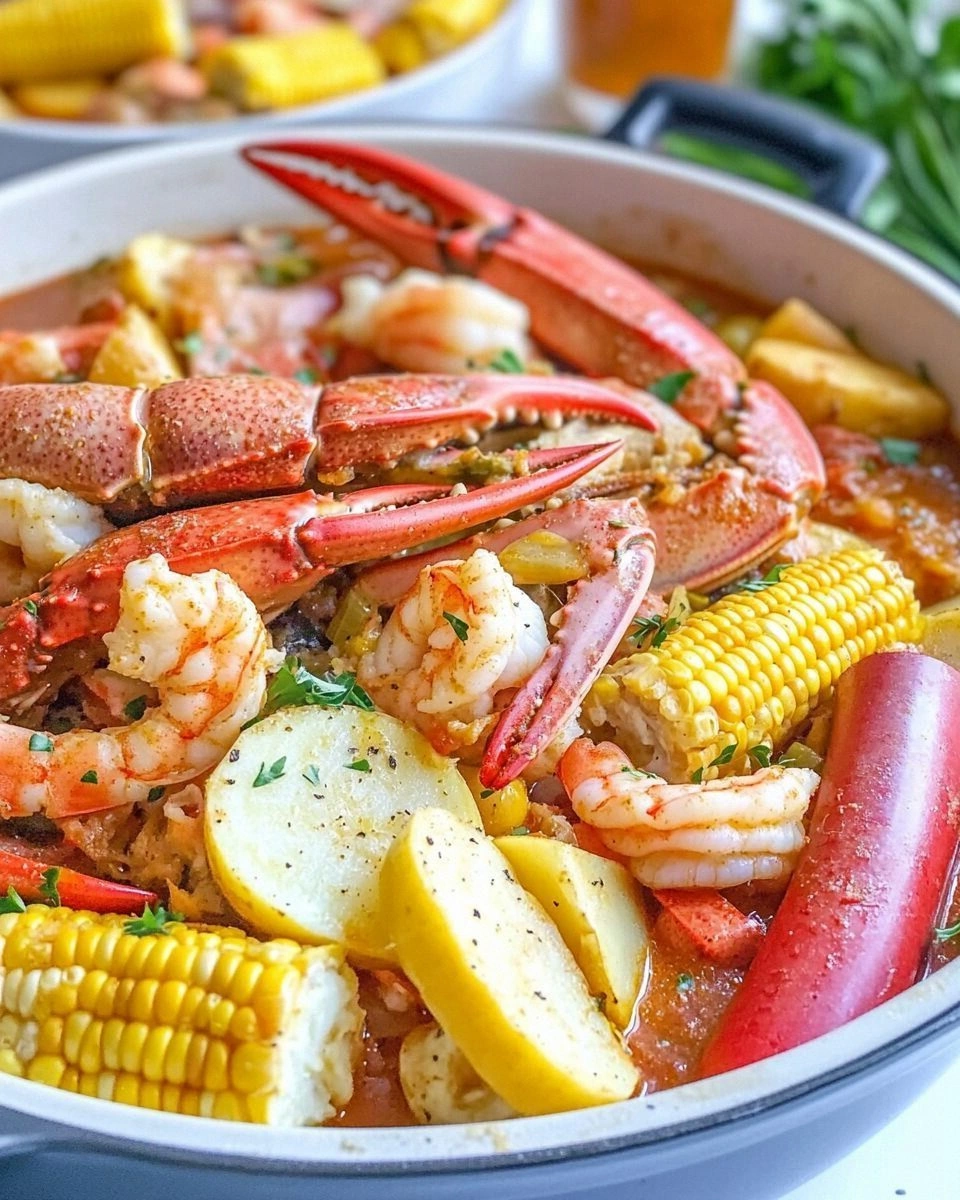
The Method — Step by Step
- First, sauté the onion, garlic, and sliced sausage in a little butter until the onion turns translucent and the sausage releases its oils. This step builds the flavor foundation. The garlic should be fragrant, not burnt. The sausage should look slightly caramelized.
- Add the potatoes, corn, bay leaves, and paprika to the pot. Stir to coat the vegetables in the buttery sausage mixture. The potatoes should start to soften slightly, and the corn should turn a bright yellow.
- Pour in the broth and bring it to a gentle simmer. The liquid should be just under a rolling boil; this keeps the seafood from overcooking. Let it simmer for 10 minutes to meld the flavors.
- Add the shrimp and crab legs to the pot. Cover and cook on low for 20 minutes, or until the shrimp turn pink and the crab legs are heated through. The shrimp should not be rubbery; it should be tender.
- Stir in the lemon juice and cayenne pepper. The citrus should brighten the broth, and the cayenne adds a subtle heat. Taste the broth; adjust salt if needed.
- Finish with a drizzle of melted butter, swirling it into the broth for a glossy finish. The butter should coat the surface, giving a silky sheen.
- Sprinkle fresh parsley over the top for a pop of color and freshness. The parsley should look bright and fresh.
- Serve hot straight from the pot, with crusty bread on the side to soak up the broth. The bread should be toasted and buttered for maximum flavor.
That's it — you did it. But hold on, I've got a few more tricks that'll take this to another level…
Insider Tricks for Flawless Results
The Temperature Rule Nobody Follows
Cooking on low heat is key. The slow, gentle simmer allows the flavors to marry without boiling the seafood. I’ve seen people set their crock‑pot to high and end up with over‑cooked shrimp. Keep the temperature steady and the broth will develop a silky texture.
Why Your Nose Knows Best
Smell the broth as it cooks. A pleasant, savory aroma signals that the spices have released their full flavor. If the scent is bland, let it simmer a bit longer or add a splash of wine for depth.
The 5‑Minute Rest That Changes Everything
After turning off the crock‑pot, let the boil rest for 5 minutes with the lid on. This allows the steam to redistribute, ensuring even heat and a richer broth. I’ve seen this trick make the difference between a good boil and a great one.
Freshness First
Use the freshest shrimp you can find. The fresher the shrimp, the sweeter the flavor. If you’re buying frozen, opt for flash‑frozen shrimp that retain more flavor than bagged frozen.
Butter Finish Mastery
Add the butter at the very end, not before the shrimp. Butter that’s heated too long loses its silky quality. Drizzle it over the finished dish for a glossy sheen.
A Pinch of Heat
If you love a little kick, add a pinch of cayenne or smoked paprika. This gives the broth a subtle heat that doesn’t overpower the seafood. I’ve tried it with a pinch of red pepper flakes for extra spice.
Creative Twists and Variations
This recipe is a playground. Here are some of my favorite ways to switch things up:
Spicy Cajun Boil
Swap Old Bay for a Cajun spice blend and add a handful of sliced jalapeños. The result is a fiery, smoky boil that’s perfect for heat lovers.
Mediterranean Breeze
Replace the bay leaves with a few sprigs of thyme, add a splash of white wine, and finish with chopped Kalamata olives. The dish takes on a briny, herbaceous flavor.
Vegetarian Version
Omit the shrimp and crab, add a mix of diced carrots, zucchini, and mushrooms, and use vegetable broth. The result is a hearty, plant‑based boil that still delivers on flavor.
Seafood Fusion
Add a handful of mussels and clams to the pot for a full‑bodied seafood experience. The mussels will soak up the broth and release a sweet brine.
Gourmet Touch
Finish with a drizzle of truffle oil and a sprinkle of grated Parmesan. The truffle gives an earthy aroma while the cheese adds a salty depth.
Low‑Carb Boil
Replace the potatoes with cauliflower florets and skip the corn. The cauliflower will absorb the broth while keeping the carb count low.
Storing and Bringing It Back to Life
Fridge Storage
Let the boil cool completely, then transfer it to a shallow airtight container. Store in the refrigerator for up to 3 days. The broth will thicken slightly, so add a splash of water when reheating.
Freezer Friendly
Separate the seafood from the broth and freeze them in individual portions. The broth can be frozen in a freezer‑safe container for up to 2 months. Freeze the sausage and vegetables together for convenience.
Best Reheating Method
Reheat the broth on the stovetop over low heat, adding a tiny splash of water to restore moisture. Once heated, add the seafood back in and warm for 2‑3 minutes. Avoid boiling to preserve texture.