When I was halfway through a fancy dinner for a friend, the skillet I’d been using for years decided it was time for a dramatic exit. The oil hissed, the heat spiked, and a thin layer of char began to form on the bottom of the pan. I was staring at the pan, thinking, “Is this a cooking lesson or a fire drill?” That moment turned into a culinary epiphany: I needed a recipe that could survive a rogue skillet and still taste like a masterpiece.
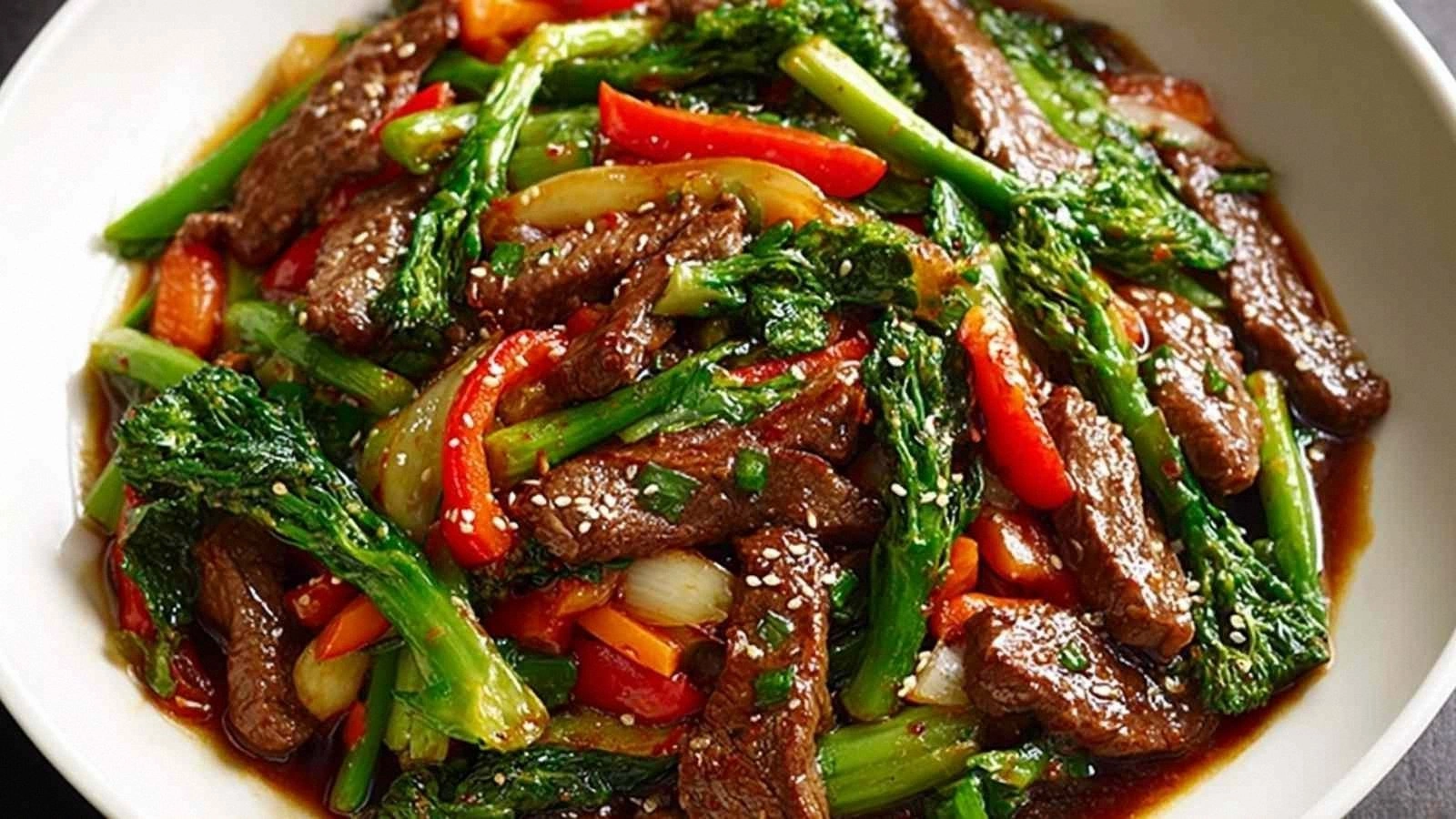
Imagine the sizzling sound as the first bite of steak hits the pan, the aroma of garlic and ginger filling the kitchen, and the sight of bright bell pepper and crisp snap peas dancing in the oil. The heat is intense enough to caramelize the vegetables without burning them, and the sound of the pan’s clatter becomes a comforting rhythm. The taste is a layered symphony—savory soy, umami oyster, subtle sweetness from hoisin, and a whisper of sesame that coats the meat like velvet. The texture is a delightful contrast: tender, juicy steak against crunchy, fresh vegetables.
This version stands out because it blends the best of quick‑fire stir‑fry technique with a sauce that actually sticks to the ingredients, not just clings to the pan. It’s a dish that’s both a crowd‑pleaser and a kitchen confidence builder, especially after that disastrous skillet incident. I dare you to taste this and not go back for seconds. I’ll be honest—I ate half the batch before anyone else got to try it. Most recipes get this completely wrong, but here’s what actually works.
What I’m about to share is a game‑changer that turns a simple skillet into a flavor laboratory. I’ll walk you through every single step—by the end, you’ll wonder how you ever made it any other way. Picture yourself pulling this out of the pan, the whole kitchen smelling incredible, and every bite delivering a burst of umami, sweetness, and crunch. Let’s dive in.
What Makes This Version Stand Out
- Flavor Depth: The sauce layers soy, oyster, hoisin, and sesame oil, creating a complex, savory backbone that coats every bite. The ginger and garlic add brightness, cutting through the richness of the beef. The result is a dish that feels both hearty and refined.
- Texture Harmony: The steak is sliced thinly against the grain, ensuring tenderness, while the vegetables are cut into uniform bite‑sized pieces that maintain a satisfying crunch. The quick stir‑fry technique preserves the vegetables’ natural sugars, giving them a sweet caramelization.
- Time Efficiency: With a prep time of just 15 minutes and a cook time of 30 minutes, this recipe is a perfect solution for busy weeknights. The single‑pan approach keeps cleanup minimal.
- Ingredient Quality: Using high‑quality flank steak and fresh, seasonal vegetables elevates the dish to a restaurant‑level experience. The combination of soy, oyster, and hoisin sauces adds depth that you’d expect from a well‑crafted Asian fusion.
- Versatility: The method works with sirloin or flank steak, and the sauce can be tweaked to accommodate dietary preferences (e.g., low‑sodium soy or gluten‑free tamari). The dish scales well for large gatherings or individual portions.
- Make‑Ahead Potential: The sauce can be prepared in advance and refrigerated, and the stir‑fry can be reheated without losing flavor or texture, making it ideal for meal prep.
Alright, let’s break down exactly what goes into this masterpiece…
Inside the Ingredient List
The Flavor Base
The sauce is the heart of this stir‑fry, combining soy sauce, oyster sauce, hoisin sauce, toasted sesame oil, rice vinegar, and a touch of sugar. Each component plays a distinct role: soy provides saltiness and umami, oyster sauce adds depth, hoisin brings sweetness and thickness, sesame oil offers a nutty aroma, and vinegar balances the richness. The sugar ensures the sauce caramelizes slightly, giving the dish a glossy finish. If you skip any of these, the flavor profile will feel flat and unbalanced.
The Texture Crew
Vegetables are the crunch factor—bell pepper, broccoli florets, carrot, and snap peas. Cutting them into uniform pieces ensures even cooking and a consistent bite. The broccoli florets should be small enough to steam quickly but large enough to hold their shape. If you cut the carrots too thin, they’ll turn mushy; too thick, and they’ll stay raw. Swapping broccoli for cauliflower or adding mushrooms can change the texture while keeping the essence intact.
The Unexpected Star
The ginger and garlic are more than aromatics; they’re flavor engines that activate the sauce’s full potential. Fresh ginger brings a bright, peppery note that cuts through the savory meat, while garlic adds depth and a slight heat. Grate or finely mince them for maximum release of essential oils. If you’re allergic to garlic, you can use a garlic‑free alternative, but the dish will lack one of its signature layers.
The Final Flourish
Sesame seeds and green onions finish the dish with a pop of color and a subtle crunch. Toasted sesame seeds add nuttiness, while green onions provide a fresh, oniony brightness that contrasts the richness of the sauce. Sprinkle them just before serving to keep their texture intact. If you’re vegan, simply omit the beef and use tofu or tempeh; the sauce will still shine.
Everything’s prepped? Good. Let’s get into the real action…
The Method — Step by Step
- Heat a large wok or skillet over high heat until it’s smoking. Add 2 tablespoons of vegetable oil, swirling to coat the surface. When the oil shimmers, it’s ready for the steak. This is the moment of truth—don’t let the oil cool or the beef will brown unevenly.
- Place the sliced flank steak in the pan in a single layer. Let it sear without moving for about 30 seconds, allowing a golden crust to form. Flip the strips and sear the other side for another 30 seconds. The goal is a quick sear, not a full cook; the rest of the cooking will happen in the sauce.
- Remove the steak and set it aside on a plate. Return the pan to the heat, add 1 tablespoon of toasted sesame oil, and let it bloom for a few seconds. This step is essential for releasing the oil’s nutty aroma, which will permeate the entire dish. Kitchen Hack: Use a splatter guard while searing the steak to keep the kitchen clean and prevent flare‑ups.
- In the same pan, add the minced garlic and ginger. Sauté for 15–20 seconds until fragrant, but be careful not to burn them; burnt garlic will ruin the sauce’s flavor. This quick aromatization step infuses the oil with essential oils that will bind the sauce to the meat and vegetables.
- Stir in the sliced bell pepper, broccoli florets, carrot, and snap peas. Toss everything together, then pour 0.25 cup of broth over the vegetables. Cover the pan for 2 minutes to steam the vegetables just enough to soften the edges while keeping them crisp. The broth also helps lift any browned bits from the bottom of the pan, enriching the sauce.
- Whisk the soy sauce, oyster sauce, hoisin sauce, rice vinegar, and sugar into a small bowl. Pour this mixture over the vegetables, then add the cornstarch slurry (1 tablespoon cornstarch mixed with 1 tablespoon water). Stir constantly until the sauce thickens and coats the ingredients. The thickening process should take about 2 minutes; the sauce should be glossy and cling to the veggies.
- Return the steak to the pan, tossing everything together until the meat is fully coated and heated through. The steak should be tender and infused with the sauce. Watch Out: Do not over‑cook the steak; it will become tough if left in the pan too long after the sauce thickens.
- Finish the dish by sprinkling toasted sesame seeds and chopped green onions. Give one final toss, then remove from heat. Serve immediately over steamed rice or noodles for a complete meal. The aroma at this point is irresistible, and the texture is a perfect balance of tender meat and crisp vegetables.
That’s it— you did it. But hold on, I’ve got a few more tricks that will take this to another level…
Insider Tricks for Flawless Results
The Temperature Rule Nobody Follows
Keep the heat consistently high throughout the cooking process. A pan that drops in temperature will cause the beef to release moisture, leading to steaming rather than searing. I once let the heat drop on a busy night, and the dish turned soggy. Maintaining a steady, high temperature ensures that the vegetables develop that coveted caramelized edge.
Why Your Nose Knows Best
Before you add the sauce, pause and sniff the pan. If the aroma is a clean, toasted oil scent, you’re good to go. If it smells metallic or burnt, you need to clean the pan or reduce the heat. Your nose is a reliable quality control tool that will save you from a ruined dish.
The 5‑Minute Rest That Changes Everything
After removing the steak from the pan, let it rest for 5 minutes on a warm plate. This allows the juices to redistribute, ensuring each bite is juicy. Skipping this step results in dry, unevenly flavored meat.
Use a Splatter Guard for Cleanliness
When searing the steak, place a splatter guard over the pan. This prevents oil from splattering onto the stove, keeping your kitchen clean and safe. It’s a small addition that makes a big difference in overall experience.
Stir Constantly for a Smooth Sauce
While adding the cornstarch slurry, stir vigorously to prevent lumps. The cornstarch can clump if added too quickly. A quick whisk or a small whisking tool ensures a silky, smooth sauce that clings to every ingredient.
Serve with a Splash of Fresh Lime
Just before serving, squeeze a few drops of fresh lime over the stir‑fry. The acidity brightens the dish and cuts through the richness. This final touch turns a great meal into a memorable one.
Creative Twists and Variations
This recipe is a playground. Here are some of my favorite ways to switch things up:
Spicy Szechuan Kick
Add 1 teaspoon of Szechuan peppercorns and 1 tablespoon of chili paste during the aromatics step. The peppercorns give a numbing heat, while the chili paste adds depth. This variation is perfect for those who love a fiery bite.
Asian Noodle Fusion
Swap the rice for udon or soba noodles, tossing them with the stir‑fry at the end. The noodles soak up the sauce, creating a hearty, noodle‑based meal. Add a splash of sesame oil for extra richness.
Vegetarian Delight
Replace the beef with thinly sliced tempeh or tofu, marinating it in the sauce for 15 minutes before cooking. The protein will absorb the flavors, making a satisfying plant‑based option.
Low‑Carb Variation
Omit the rice and serve the stir‑fry over cauliflower rice. The cauliflower provides a low‑carb base that still absorbs the sauce beautifully. Pair with a side of sautéed spinach for extra greens.
Gluten‑Free Twist
Use tamari instead of soy sauce and ensure the oyster sauce is gluten‑free. The dish remains fully compliant with gluten‑free diets without sacrificing flavor.
Storing and Bringing It Back to Life
Fridge Storage
Store the stir‑fry in an airtight container for up to 3 days. The sauce will thicken slightly in the fridge, so add a splash of water or broth when reheating to restore its silky texture. Keep the vegetables on top to preserve their crispness.
Freezer Friendly
Freeze the dish for up to 2 months in a freezer‑safe container. Thaw overnight in the fridge before reheating. Reheat on the stove or in the microwave, stirring occasionally, and add a small amount of water or broth to loosen the sauce.
Best Reheating Method
Reheat the stir‑fry in a skillet over medium heat, adding a splash of water or broth to loosen the sauce. Stir frequently until heated through. Avoid microwaving for too long, as it can make the beef rubbery.