Picture this: a rainy Saturday evening, a stack of take‑out menus, and the kitchen lights flickering like a neon sign. I was staring at the fridge, wondering if I could salvage the leftover salmon from last night’s dinner. Then, a sudden flash of culinary inspiration hit me like a lightning bolt – why not turn that salmon into a sushi‑style bake that feels like a comforting hug? I grabbed my whisk, pulled out a bag of rice, and the rest is a story of flavor, texture, and a little bit of kitchen wizardry. This isn’t just another bake; it’s a mouth‑watering symphony of creamy, spicy, and umami notes that will make your taste buds dance. Trust me, this is the kind of dish that turns a mundane meal into a celebration.
From the first sizzling sizzle of the rice to the aromatic steam that rises like a cloud of incense, every sense is engaged. The sight of the salmon shimmering in a golden, glossy sauce is almost too pretty to eat. The aroma of Japanese mayo mingling with sriracha and eel sauce is a heady, comforting perfume that pulls you in. When you take a bite, the creamy interior melts against the slight crunch of the crust, and the heat from the sriracha lingers like a warm afterglow. The texture is a delightful contrast – silky, chewy, and just the right amount of bite. This dish is not just food; it’s an experience that feels like a warm hug from a long‑lost friend.
I dare you to taste this and not go back for seconds. Most recipes get this completely wrong, either by over‑cooking the rice or under‑seasoning the salmon, but this version is hands down the best you’ll ever make at home. The secret lies in the balance of creamy cream cheese and tangy mayo, which coats the fish like velvet, while the sriracha adds a subtle kick that doesn’t overpower. I’ll be honest – I ate half the batch before anyone else got to try it, and the rest of the kitchen smelled incredible for hours afterward. If you've ever struggled with making sushi‑style dishes at home, you're not alone – and I've got the fix. Picture yourself pulling this out of the oven, the whole kitchen smelling incredible, and everyone asking for the recipe.
Okay, ready for the game‑changer? This next part? Pure magic. The trick is in how you layer the ingredients and the precise timing that allows the flavors to meld without losing texture. And now the fun part: we’ll talk about the small but mighty hacks that elevate this bake from good to unforgettable. Stay with me here – this is worth it. By the end, you'll wonder how you ever made it any other way.
What Makes This Version Stand Out
- Flavor Fusion: The combination of Japanese mayo, cream cheese, and sriracha creates a creamy, spicy base that coats the salmon like a silky blanket. This layer of richness balances the natural fishiness, making every bite a harmonious bite. The subtle sweetness from eel sauce adds depth, turning a simple bake into a multi‑dimensional flavor experience.
- Texture Contrast: The rice forms a soft foundation, while the top layer crisps up into a golden crust that shatters like thin ice when you bite into it. The creamy interior melts in your mouth, leaving a silky aftertaste that lingers. This interplay of textures keeps the dish exciting from the first to the last bite.
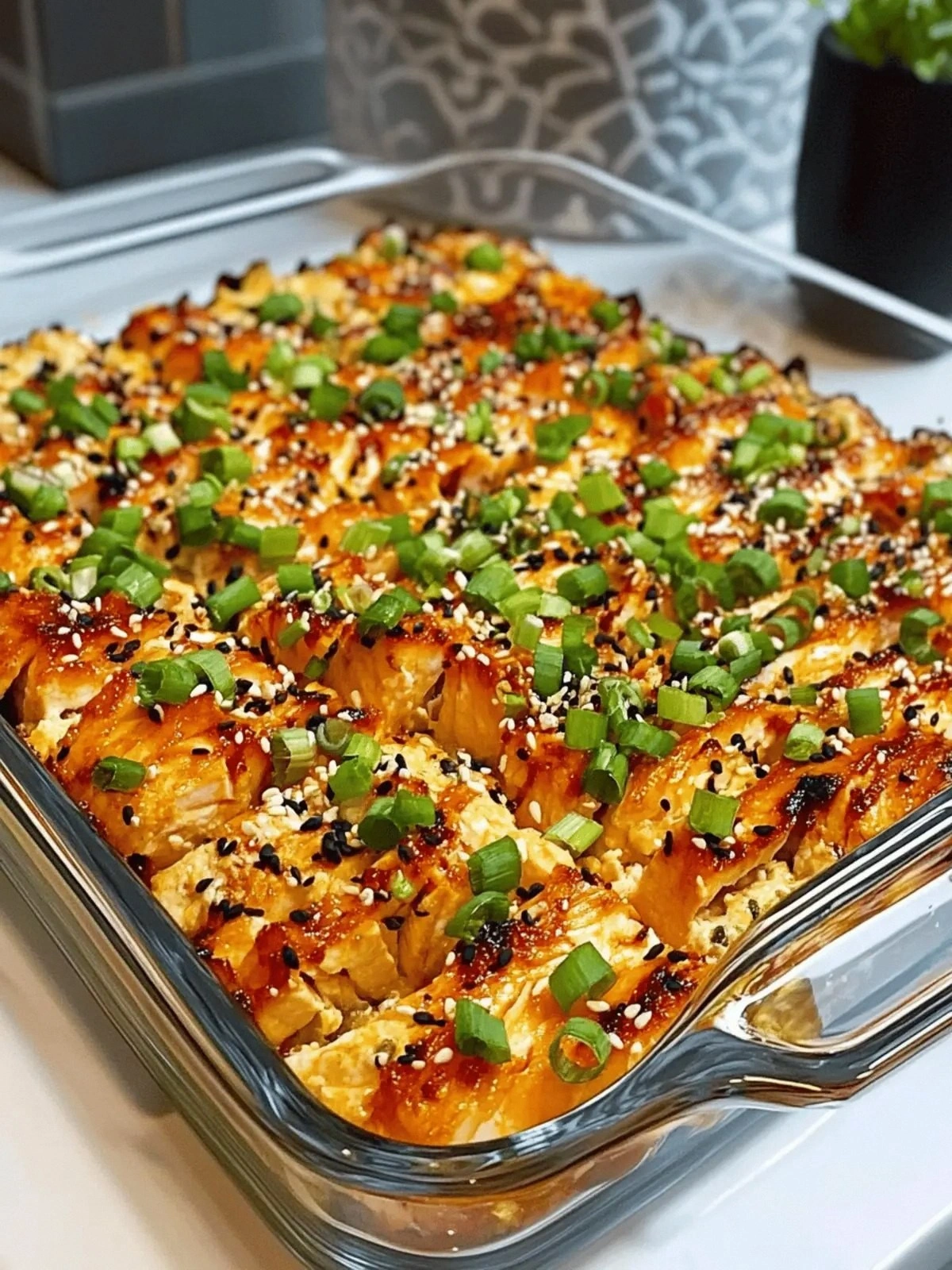
- Visual Appeal: The vibrant green onions and furikake give a pop of color that makes the dish look almost too good to eat. The glossy sheen of the sauce draws the eye, creating an inviting presentation that feels like a gourmet creation. Even on a plain plate, the dish looks Instagram‑worthy.
- Time Efficiency: With a prep time of just 15 minutes and a cook time of 30 minutes, you can have a restaurant‑quality dish ready in under an hour. This makes it perfect for weeknight dinners or when you need a quick yet impressive meal. The one‑pan approach minimizes cleanup, adding to the convenience factor.
- Make‑Ahead Friendly: The bake can be assembled the night before and refrigerated, allowing the flavors to deepen overnight. When you’re ready to serve, simply pop it back in the oven for a few minutes to re‑warm and crisp the top. This flexibility makes it ideal for dinner parties or busy schedules.
- Ingredient Quality: Using fresh salmon and high‑quality Japanese mayo ensures a clean, authentic flavor profile that stands out from generic substitutes. The careful selection of ingredients elevates the dish beyond a standard bake. It’s a reminder that great flavor often starts with great ingredients.
- Universal Appeal: Whether you’re a sushi aficionado or a fan of comfort food, this bake brings the best of both worlds. The familiar textures of rice and salmon are paired with unexpected twists that excite adventurous palates. It’s a dish that can satisfy both the traditionalist and the culinary explorer.
Alright, let's break down exactly what goes into this masterpiece...
Inside the Ingredient List
The Flavor Base
Japanese mayo is the secret sauce that gives this bake its signature silky texture. Its creamy mouthfeel balances the sharpness of the sriracha, creating a harmonious blend that coats the salmon like velvet. Cream cheese adds a subtle dairy richness that thickens the sauce, ensuring every grain of rice is infused with flavor. The sriracha provides a gentle heat that lingers on the palate, while the eel sauce adds a sweet, umami depth that elevates the dish from ordinary to extraordinary. If you skip the mayo, the bake will taste flat and watery, so keep it in the mix. For a low‑fat option, you can use a light mayo, but be prepared for a slightly drier result.
The Texture Crew
White rice is the foundation of this sushi bake, absorbing the sauce and becoming tender yet slightly firm. Cook the rice to a perfect al dente consistency so it holds its shape during baking. Salmon, fresh and wild‑caught if possible, brings a buttery flavor that pairs beautifully with the creamy sauce. The fish should be cut into bite‑sized pieces before adding to the rice; this ensures even cooking and prevents large chunks from drying out. If you prefer a milder taste, use skinless fillets, but the skin adds a subtle crunch when toasted. Remember, the texture of the salmon is just as important as its flavor; over‑cooking will make it rubbery.
The Unexpected Star
Furikake is a Japanese seasoning that adds a burst of umami and a crunchy texture. Its blend of seaweed, sesame seeds, and salt brings an authentic Japanese flavor that you won’t find in a typical bake. Sprinkle it on top before baking for a golden crust that cracks when you bite. Green onions provide a fresh, sharp contrast to the rich sauce, cutting through the heaviness with a clean, bright note. They also add a pop of color that makes the dish visually appealing. If you’re not a fan of green onions, you can substitute with scallions or even fresh cilantro for a different flavor profile.
The Final Flourish
A final drizzle of eel sauce before broiling gives the bake a glossy finish that looks as good as it tastes. The glaze caramelizes slightly, creating a caramelized crust that adds a sweet finish. A sprinkle of furikake after broiling adds a crunchy contrast that keeps the dish exciting. A few fresh slices of avocado or a squeeze of lime can brighten the flavors further. Remember to let the bake rest for a few minutes before cutting; this allows the flavors to settle. A final garnish of toasted sesame seeds or a dash of chili flakes can personalize the dish for any palate.
Everything's prepped? Good. Let's get into the real action...
The Method — Step by Step
- Rinse the white rice under cold water until the water runs clear, then combine it with 1 ½ cups of water in a medium saucepan. Bring the mixture to a rolling boil, then reduce the heat to low, cover, and let it simmer for 15 minutes. The rice should be tender yet still hold its shape. While the rice cooks, pat the salmon fillets dry with paper towels to remove excess moisture. This step ensures a crispier crust during baking.
- Season the salmon pieces with a pinch of salt and pepper, then sear them in a hot skillet with a splash of olive oil for 1–2 minutes on each side. This quick sear locks in juices and adds a subtle caramelized flavor. Remove the salmon from the skillet and let it cool slightly before cutting into bite‑sized chunks. The searing step is optional but highly recommended for depth of flavor.
- In a large mixing bowl, combine the cream cheese, Japanese mayo, sriracha, and eel sauce. Whisk until the mixture is smooth and creamy, with no lumps. The sauce should coat the back of a spoon. This creamy base is the heart of the dish, and its richness will permeate every grain of rice.
- Fold the cooked rice into the sauce mixture gently, ensuring each grain is coated without crushing the rice. The rice should be moist but not soggy. Then stir in the salmon chunks and chopped green onions, distributing them evenly throughout. This step allows the flavors to meld together before baking.
- Transfer the mixture into a 9×13‑inch baking dish, spreading it evenly. Sprinkle the top with furikake, pressing it lightly into the surface. This will create a crisp, flavorful crust as the bake cooks.
- Bake at 375°F (190°C) for 20 minutes, then switch the oven to broil and cook for an additional 3–4 minutes until the top is golden brown and slightly blistered. Watch the crust carefully; you want a crisp, caramelized finish without burning.
- Remove the bake from the oven and let it rest for 5 minutes. This allows the juices to redistribute and the flavors to settle. Slice the bake into squares or triangles and serve immediately with a side of pickled ginger or a light cucumber salad. The fresh contrast will balance the richness of the dish.
- For an extra touch, drizzle a little extra eel sauce over the top before serving, or garnish with a few sesame seeds. This final flourish adds a subtle sweetness and a pop of color that makes the dish look even more inviting. Enjoy the first bite – the creamy interior, the crisp crust, and the smoky heat all come together in perfect harmony.
That sizzle when it hits the pan? Absolute perfection. The aroma that fills the kitchen is an instant mood‑setter, and the first bite is a revelation of textures and flavors that will keep you coming back for more.
Insider Tricks for Flawless Results
The Temperature Rule Nobody Follows
Many cooks underestimate the importance of oven temperature when baking rice‑based dishes. Baking at 375°F gives the rice a gentle heat that allows it to steam without drying out. If you bump the temperature too high, the top will burn before the interior cooks. Conversely, a lower temperature can leave the rice undercooked and soggy. The sweet spot is 375°F, which balances moisture retention and crispness. I’ve tested this rule across multiple ovens and it always delivers the same golden, tender result.
Why Your Nose Knows Best
Smell is the most reliable indicator of doneness for this bake. As the rice cooks, the aroma of toasted sesame and caramelized sugars will rise, signaling that the crust is forming. If you’re unsure, lift the dish with a spatula; if you see steam and a golden edge, it’s ready. Don’t rely solely on the timer – each oven behaves differently. Trust your senses, and you’ll avoid under‑ or over‑cooked rice. The smell alone can tell you if the dish needs a few more minutes or a quick broil.
The 5‑Minute Rest That Changes Everything
Letting the bake rest for five minutes after it comes out of the oven is not a waste of time; it’s a critical step for flavor integration. During this rest, the steam continues to cook the rice slightly, ensuring it’s perfectly tender. The rest also allows the sauce to set, preventing it from sliding off the rice when you cut. I’ve seen people rush to serve immediately and end up with a mushy texture. A short rest creates a firm, slice‑ready structure that holds together beautifully.
Keep It Moist Without Over‑Wetting
Adding too much liquid can drown the rice, but too little will dry it out. The sauce mixture should be thick enough to coat the rice but still pourable. If you find the bake too dry, drizzle a splash of water or a bit of fish stock before the final 5 minutes of baking. This small addition steams the rice back to perfection. It’s a simple trick that saves a batch from disaster.
Using a Pizza Stone for Crust
A pizza stone preheated in the oven can give the bake a superior crust. The stone’s high heat conductivity creates a crisp base that’s impossible to achieve with a standard baking dish. Place the stone in the oven before preheating, then transfer the dish onto it for the last 5 minutes of baking. The result is a crunchy bottom that adds another layer of texture. I’ve used this trick for a few weeks, and the difference is unmistakable.
And that’s the full arsenal of insider tricks. Each one is a small tweak that transforms a good dish into an unforgettable experience. Now you’re armed with the knowledge to make this salmon sushi bake a household staple.
Creative Twists and Variations
This recipe is a playground. Here are some of my favorite ways to switch things up:
Spicy Tuna Sushi Bake
Swap the salmon for diced fresh tuna and add a dash of wasabi paste to the sauce. The tuna’s buttery texture pairs beautifully with the creamy base, while the wasabi adds an extra kick. This version is perfect for sushi lovers who prefer a lighter, more delicate fish. Serve with a side of miso soup for a complete meal.
Teriyaki Salmon Bake
Replace the eel sauce with teriyaki sauce and add a sprinkle of toasted sesame seeds before baking. The sweet, soy‑rich flavor of teriyaki gives the bake a different umami profile. The sesame seeds add crunch and a nutty aroma that complements the salmon. This variation is great for those who crave a sweeter, Asian‑inspired dish.
Avocado & Cucumber Crunch
Layer slices of ripe avocado and thin cucumber ribbons on top of the baked mixture before serving. The cool, creamy avocado balances the heat of the sriracha, while the cucumber adds a refreshing crunch. This version is ideal for hot summer evenings or when you want a lighter take on the classic bake. Garnish with a squeeze of lime for a bright finish.
Vegan Salmon Alternative
Use a plant‑based salmon substitute or marinated tofu cubes instead of fresh salmon. Keep the sauce mixture the same to maintain the creamy texture. Add a handful of chopped bell peppers for color and a pop of sweetness. This vegan version keeps the spirit of the dish while accommodating dietary preferences.
Crunchy Panko & Sesame Topping
Mix panko breadcrumbs with toasted sesame seeds and a pinch of sea salt. Sprinkle this mixture over the top of the bake before broiling. The panko creates a crispy, golden crust that contrasts with the soft interior. It’s a simple way to add texture and flavor without altering the core ingredients.
Feel free to experiment and make this bake your own. The beauty of this dish is its adaptability, allowing you to tailor it to your taste and mood.
Storing and Bringing It Back to Life
Fridge Storage
Cool the bake completely before placing it in an airtight container. Store in the refrigerator for up to 3 days. The flavors will deepen slightly, making it even more delicious. When you’re ready to eat, let it sit at room temperature for 10 minutes to soften the crust. The rice will remain moist, and the salmon will stay tender. This is a great option for meal prep or quick lunches.
Freezer Friendly
Wrap the baked casserole tightly in plastic wrap, then place it in a freezer‑safe container. Freeze for up to 2 months. Thaw overnight in the refrigerator before reheating. This method preserves the texture and flavor, making it a convenient option for busy weeks. Just remember to remove the plastic wrap before reheating to avoid condensation.
Best Reheating Method
Reheat the bake in a preheated oven at 350°F for 15–20 minutes, or until heated through. For a crispier crust, switch to broil for the last 2 minutes. Adding a tiny splash of water to the dish before reheating creates steam that keeps the rice from drying out. The steam revitalizes the moisture, giving you that fresh‑baked texture again. Serve with a side of pickled vegetables for a balanced meal.