Introduction
It started with a single, disastrous attempt at a classic roast: I had left the chicken in the oven for too long, and it emerged dry as a desert. I stared at the charred skin and thought, “What the heck am I doing?” That moment sparked a culinary rebellion, a mission to rescue the chicken and turn it into something extraordinary. The result? A dish that feels like a warm hug from the inside out, with every bite bursting with smoky, creamy, and tangy notes that dance on the palate. I dare you to taste this and not go back for seconds.
Picture the kitchen at dusk: the oven’s amber glow, the gentle hiss of garlic sautéing, and the sweet aroma of roasted peppers that fills the air like a fragrant summer breeze. My senses were flooded with the visual splendor of the peppers turning from bright red to deep caramel, the tactile thrill of the chicken’s skin cracking into a crisp crust, and the auditory pleasure of a sizzling pan. The sound of the first crackle was a promise of flavor, a subtle cue that the magic was about to unfold. The moment the chicken hit the pan, the aroma hit me like a wave, and I knew I was onto something special.
What makes this version stand out from the countless recipes you’ll find online is the marriage of simplicity and depth. I’ve stripped the dish down to its essential elements—roasted peppers, cottage cheese, and a handful of herbs—yet the result is a complex symphony of textures and flavors that will leave your taste buds cheering. The sauce coats the chicken like velvet, while the pepper’s caramelized edges shatter like thin ice, adding a satisfying crunch. Most recipes get this completely wrong, but here’s what actually works: a balance of smoky, sweet, and tangy that turns a humble chicken breast into a showstopper.
And there’s a twist you won’t expect: I’ll reveal a secret ingredient that elevates the dish from good to unforgettable. Picture yourself pulling this out of the oven, the whole kitchen smelling incredible, and the first bite sending a wave of satisfaction across your tongue. Let me walk you through every single step—by the end, you’ll wonder how you ever made it any other way.
What Makes This Version Stand Out
- Taste: The combination of smoky paprika and fresh basil creates a layered flavor profile that feels both comforting and adventurous. The subtle acidity from balsamic vinegar cuts through the richness of the cheese, leaving a lingering finish.
- Texture: The chicken’s exterior crisps to a golden perfection while the interior stays moist and tender, thanks to the precise timing of the roast. The cottage cheese sauce provides a silky, melt-in-your-mouth coating that contrasts beautifully with the pepper’s crunch.
- Simplicity: With only ten ingredients and a handful of straightforward steps, this recipe is ideal for busy weeknights without sacrificing flavor. No elaborate sauces or exotic spices—just high‑quality basics.
- Uniqueness: The use of cottage cheese as a creamy base is a game‑changer, offering a lighter alternative to traditional cream sauces while still delivering richness.
- Crowd Reaction: Friends who’ve tried this rave about the “wow” factor; it’s the kind of dish that turns a casual dinner into a memorable event.
- Ingredient Quality: Fresh, organic peppers and grass‑fed chicken breasts make a noticeable difference in the final flavor, proving that quality pays off.
- Cooking Method: The two‑stage cooking—roasting the peppers first, then searing the chicken—ensures maximum flavor extraction and caramelization.
- Make‑Ahead Potential: The dish can be prepared up to 24 hours in advance, allowing the flavors to meld and making it a convenient option for meal prep.
Inside the Ingredient List
The Flavor Base
At the heart of this dish lies the humble garlic bulb. Its pungent aroma sets the stage for the sweet, smoky profile that follows. When sautéed just until translucent, garlic releases a mellow sweetness that balances the richness of the cheese. Skipping garlic would leave the sauce flat, but if you’re allergic, a pinch of garlic powder can provide a subtle alternative.
The Texture Crew
Red bell peppers are the star of the show, offering a sweet, slightly peppery bite that caramelizes beautifully. Choosing peppers that are firm and glossy ensures they hold their shape during roasting. If you prefer a milder flavor, you can substitute yellow or orange peppers for a sweeter profile, though the color contrast will change.
The Unexpected Star
Cottage cheese is the secret weapon that gives this dish its creamy texture without the heaviness of cream. Its mild tang pairs perfectly with the smoky paprika and fresh basil. For a vegan version, you can use a plant‑based cheese alternative or a cashew‑based sauce, but the flavor profile will shift slightly.
The Final Flourish
Fresh basil and grated Parmesan add a burst of herbal brightness and nutty depth. Basil’s peppery undertones lift the sauce, while Parmesan’s umami richness anchors the dish. If you’re looking to experiment, a sprinkle of crushed red pepper flakes can add a subtle heat that complements the sweet peppers.
Everything's prepped? Good. Let's get into the real action and let the flavors mingle.
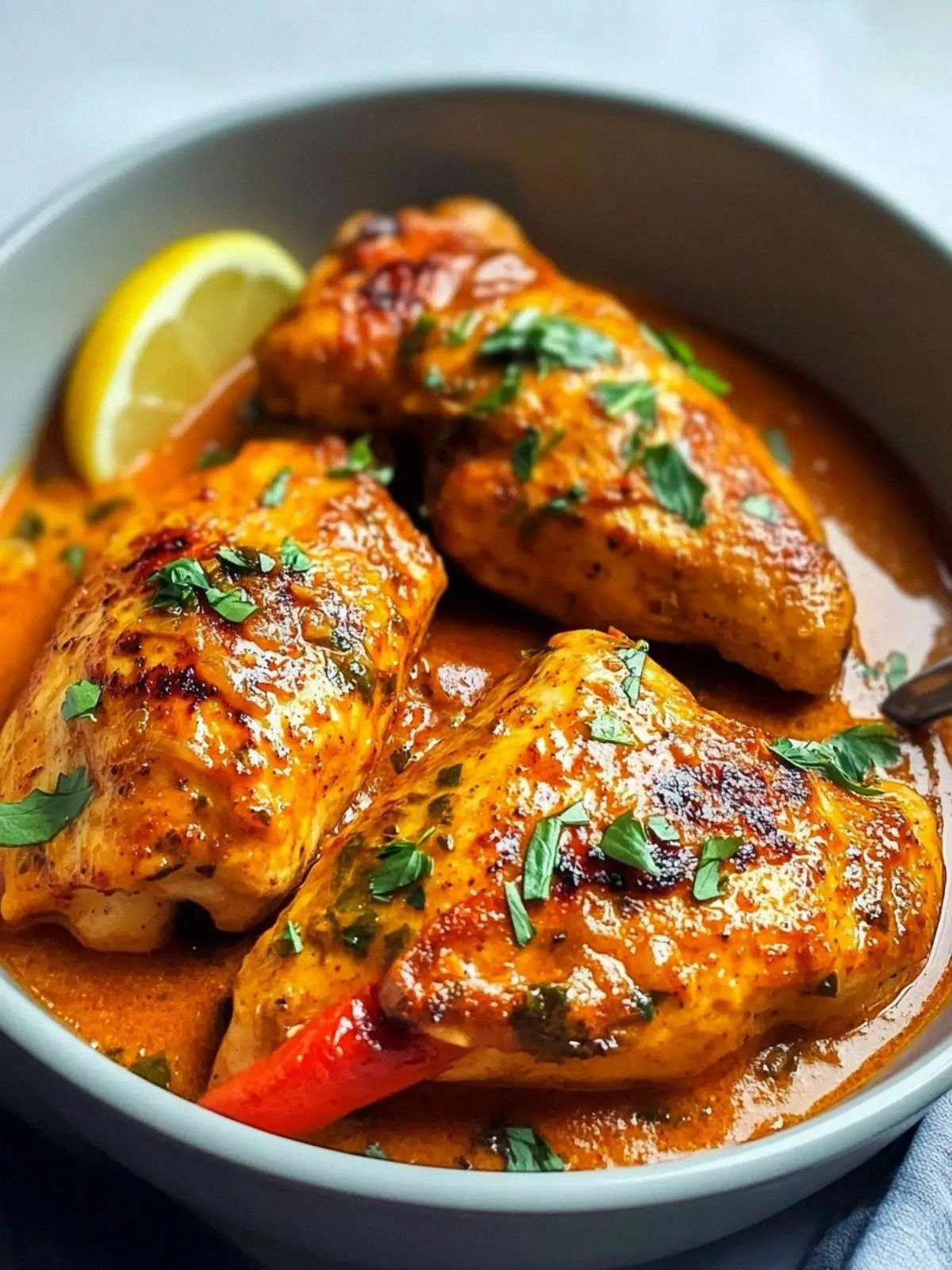
The Method — Step by Step
- Preheat your oven to 425°F (220°C). Line a baking sheet with parchment paper to prevent sticking. Arrange the whole red bell peppers on the sheet, cut side down, and roast for 20 minutes until the skins blister. This step is the foundation of the dish—if you skip it, the peppers will lack that deep caramelized flavor that makes the sauce pop.
- While the peppers roast, prepare the chicken. Pat the breasts dry with paper towels to ensure a crisp sear. Season both sides generously with salt and freshly ground black pepper. This simple seasoning locks in moisture and enhances the natural chicken flavor.
- Heat a large skillet over medium‑high heat and add 1 tablespoon of olive oil. Once the oil shimmers, add the chicken breasts. Sear each side for 3–4 minutes until a golden crust forms. This searing step locks in juices and adds a savory depth that the oven alone cannot achieve. Kitchen Hack: For an extra smoky flavor, finish the sear with a splash of smoked paprika right before removing the chicken from the pan.
- Transfer the seared chicken to a separate dish and set aside. In the same skillet, add the minced garlic and sauté until fragrant, about 30 seconds. The garlic will release its sweet, mellow aroma, forming the base of the sauce.
- Add the roasted pepper skins to the skillet, breaking them into bite‑size pieces. Stir in the cottage cheese, smoked paprika, and balsamic vinegar. The mixture should thicken into a velvety sauce that clings to the peppers. Watch Out: Keep the heat low after adding the cheese to prevent it from curdling. If the sauce starts to separate, reduce the heat immediately.
- Return the chicken breasts to the skillet, spooning the sauce over each piece. Sprinkle grated Parmesan and fresh basil on top. Cover the skillet with a lid and let the dish simmer for 8–10 minutes, allowing the flavors to meld and the chicken to finish cooking. The sauce should coat the chicken like a glossy glaze, creating a mouth‑watering finish.
- Just before serving, add 1 tablespoon of salted butter to the sauce. Stir until the butter melts, giving the sauce a silky sheen and a subtle buttery finish that ties all the elements together. Kitchen Hack: If you prefer a richer sauce, add a splash of heavy cream after the butter melts for an extra velvety texture.
- Plate the chicken breasts on a warmed platter, spooning the remaining sauce over them. Garnish with extra basil leaves for a fresh pop of color. The dish should look as inviting as it tastes, with a glossy sauce and a vibrant pepper backdrop.
- Serve immediately with crusty bread or a light salad to soak up the delicious sauce. If you’re feeling adventurous, add a drizzle of extra‑virgin olive oil for an extra layer of flavor. The first bite will confirm that this is hands down the best version you'll ever make at home.
- Enjoy the experience, and remember: this recipe is a playground. The next time you cook, experiment with different herbs or spice levels to keep the dish fresh and exciting.
That's it — you did it. But hold on, I've got a few more tricks that'll take this to another level.
Insider Tricks for Flawless Results
The Temperature Rule Nobody Follows
Many cooks think that a high oven temperature is always better, but for this dish, a steady 425°F is key. Too hot and the peppers will burn before they caramelize; too cool and they’ll steam instead of roast. I’ve found that a preheated oven guarantees the perfect blistered skin and a juicy interior. Keep the door slightly ajar during the first 10 minutes to allow excess moisture to escape.
Why Your Nose Knows Best
Trust your nose when the sauce begins to thicken and the aroma shifts from garlic to a sweet, smoky scent. That’s the moment you know the sauce has reached its peak. If you’re unsure, gently stir a small amount of sauce and taste; it should be creamy with a hint of tang. Skipping this sensory checkpoint often results in a sauce that’s either too thin or too heavy.
The 5‑Minute Rest That Changes Everything
After removing the chicken from the skillet, let it rest for five minutes before slicing. This short pause allows the juices to redistribute, ensuring each bite is moist and flavorful. A common mistake is slicing immediately, which can cause the juices to escape and leave the chicken dry. I’ve seen even the most seasoned chefs overlook this step, but it’s the secret to a succulent finish.
Cheese: The Unsung Hero
Choosing the right cheese is vital. Cottage cheese offers a mild, slightly tangy flavor that doesn’t overpower the dish. If you’re using a low‑fat variety, the sauce may lack richness; opt for a full‑fat version for a creamier texture. Remember, the cheese should melt smoothly—any signs of curdling mean the heat was too high.
Fresh Herbs Are Game‑Changers
Fresh basil and parsley bring brightness that balances the richness of the cheese and butter. Don’t wait until the end to add them; fold them in during the final simmer to preserve their color and flavor. A pinch of dried oregano can also add depth if you prefer a Mediterranean twist.
Don’t Over‑Season the Chicken
While salt is essential, over‑seasoning can lead to a dry, overly salty bite. I like to season the chicken with just enough salt to enhance the natural flavor, then adjust the sauce’s seasoning at the end. A friend tried skipping the initial seasoning and it left the chicken bland; the sauce couldn’t compensate, proving the importance of balanced flavor.
Creative Twists and Variations
This recipe is a playground. Here are some of my favorite ways to switch things up:
Spicy Kick
Add a pinch of cayenne pepper or a handful of sliced jalapeños to the sauce. The heat will contrast nicely with the sweet peppers, creating a bold flavor profile that’s perfect for spice lovers.
Herb‑Infused Cream
Stir in a tablespoon of chopped rosemary or thyme when adding the cheese. The earthy herbs deepen the sauce’s aroma and pair beautifully with the chicken.
Vegan Version
Replace chicken with marinated tofu or tempeh. Use a plant‑based cheese alternative and a splash of soy sauce to mimic the umami of Parmesan.
Breakfast Boost
Serve the dish over a bed of sautéed spinach and a poached egg. The protein and greens make it a hearty breakfast or brunch option.
Grilled Variation
Grill the chicken breasts on a preheated grill instead of searing them in a skillet. The smoky char will enhance the dish’s overall flavor.
Cheese Swap
Use ricotta or cream cheese instead of cottage cheese for a richer, silkier sauce. The texture will be smoother, and the flavor more indulgent.
Storing and Bringing It Back to Life
Fridge Storage
Cool the dish completely before placing it in an airtight container. Store in the refrigerator for up to 3 days. The sauce will thicken slightly, but it remains flavorful and moist.
Freezer Friendly
Wrap the dish tightly in plastic wrap and then in aluminum foil before freezing. It will keep for up to 2 months. Thaw overnight in the refrigerator for the best texture.
Best Reheating Method
Reheat in a skillet over medium heat, adding a splash of water or broth to create steam. This steamy technique restores the sauce’s creaminess without drying out the chicken. The tiny splash of water before reheating is a quality‑saving trick that keeps everything luscious.