Picture this: a rainy Saturday afternoon, a half‑finished stir‑fry, and the unmistakable scent of soy sauce mingling with fresh ginger drifting from the kitchen. I was staring at a half‑cooked batch of pork that had gone from golden to a sad, soggy mess in mere minutes. The kitchen was a battlefield of burnt edges and a sauce that tasted more like a sad apology than a sweet, tangy triumph. That moment was the spark that ignited my obsession with the ultimate sweet and sour pork recipe.
I was determined to turn that disaster into a masterpiece that would make my friends gasp, “I dare you to taste this and not go back for seconds.” The goal was simple: create a dish that balances crispness with velvety sauce, that sings with bright fruit and bold spices, and that feels like a comforting hug from the inside out. Every bite should be a burst of sweet pineapple, a splash of tangy vinegar, and the satisfying crunch of perfectly fried pork. That’s the promise I made to myself, and to you, when I finally perfected this version.
What makes this recipe stand out is that it’s not just another copy‑paste from a cookbook. It’s a carefully choreographed dance of textures and flavors, where the pork is coated in a light, airy batter that crisps up like a golden cloud. The sauce is a glossy, caramelized glaze that clings to each piece like a second skin, and the vegetables retain their snap without becoming mushy. I’ve tweaked the ratios, swapped ingredients for better flavor, and added a few secret steps that most recipes overlook.
The secret to its unbeatable flavor lies in a subtle ingredient that most people forget: pineapple juice. Adding a splash of fresh pineapple juice to the sauce not only sweetens it naturally but also tenderizes the pork, making each bite melt in your mouth. And the sauce’s balance of sweet and sour is achieved by pairing the acidity of rice vinegar with the natural sweetness of pineapple, then rounding it out with a touch of brown sugar. The result is a sauce that glistens, a pork that crunches, and a dish that will have you saying, “This is hands down the best version you’ll ever make at home.”
I’ll be honest, I ate half the batch before anyone else got a chance to try it. The moment you taste the first bite, the kitchen smells like a tropical paradise, and the texture is an instant win. If you've ever struggled with sweet and sour pork, you’re not alone — and I've got the fix. The next few paragraphs will walk you through every single step, from the first toss to the final garnish, so by the end, you’ll wonder how you ever made it any other way.
Picture yourself pulling this out of the pan, the whole kitchen smelling incredible, the sauce shimmering like a jewel, and the pork pieces looking like little golden moons. The anticipation builds, and you’re ready to taste the culmination of all that careful preparation. Ready? Let’s dive in and transform your kitchen into a sweet and sour haven.
What Makes This Version Stand Out
- Texture: The batter is light yet sturdy, creating a crisp exterior that holds up against the glossy sauce. The pork remains tender inside, thanks to the pineapple juice tenderizer. This contrast makes each bite unforgettable.
- Flavor Balance: Sweetness from pineapple and brown sugar is perfectly countered by the sharp bite of rice vinegar. The sauce coats the pork without overpowering, leaving a lingering citrus finish.
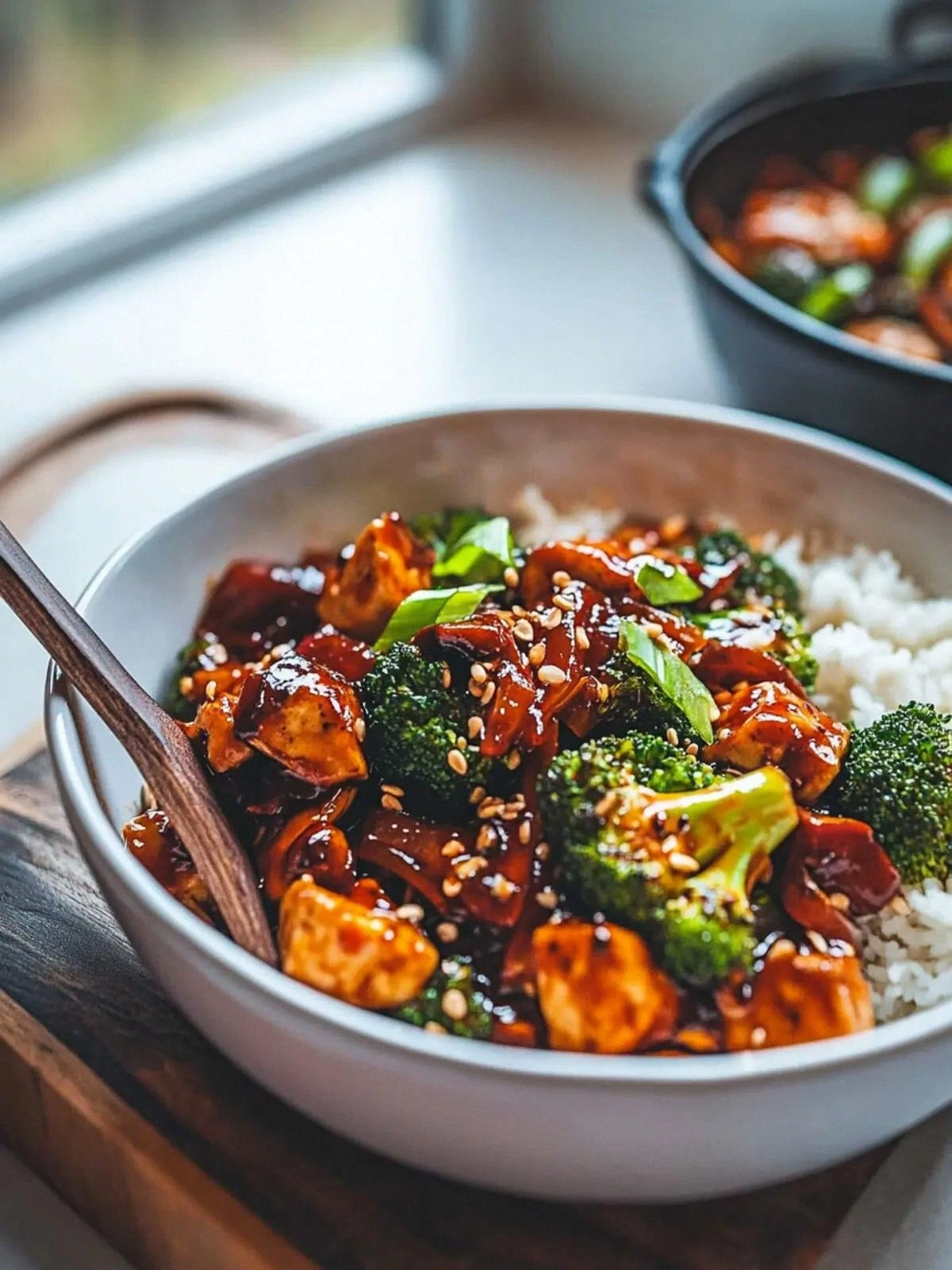
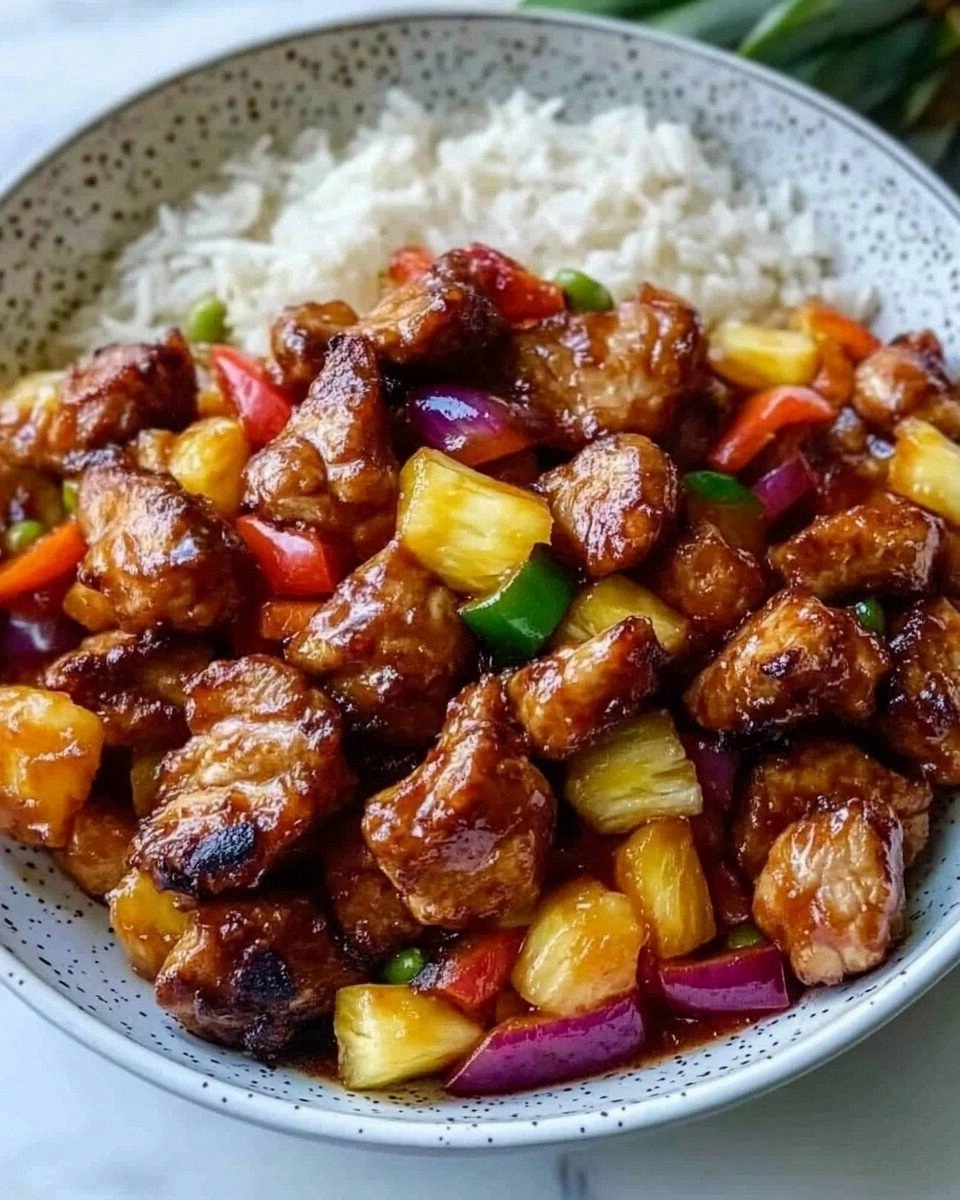
- Visual Appeal: The bright green bell pepper, ruby pineapple chunks, and caramelized edges give the dish a vibrant, Instagram‑ready look. A sprinkle of sesame seeds adds a subtle crunch and a pop of color.
- Ease of Prep: The method uses pantry staples and requires no specialized equipment. The batter can be made in minutes, and the sauce thickens quickly, saving you valuable time.
- Crowd‑Pleaser: Whether you’re feeding a family or hosting a dinner party, this dish wins over even the pickiest eaters. The sweet and sour profile is universally loved.
- Make‑Ahead Friendly: The sauce can be prepared ahead and reheated without losing its shine. The pork can be fried and stored separately, allowing for a quick assembly later.
- Ingredient Quality: Fresh, high‑quality pork and fresh pineapple make the difference. The use of real pineapple juice versus bottled preserves authenticity.
- Unique Twist: The addition of a subtle ginger kick and the use of cornstarch for a silky glaze set this recipe apart from the standard version.
Alright, let's break down exactly what goes into this masterpiece…
Inside the Ingredient List
The Flavor Base
The foundation of this dish begins with the pork itself. I recommend cutting 1 lb of pork tenderloin into bite‑size cubes; the lean cut ensures a tender result. Pairing the pork with a splash of pineapple juice not only adds natural sweetness but also gently tenderizes the meat, preventing it from drying out during frying. If you’re using pork belly instead, slice it thinly to achieve the same quick cooking time. This base sets the tone for the rest of the dish.
The Texture Crew
A light batter is essential for that coveted crunch. Mix 1/2 cup of all‑purpose flour with 1/4 cup of cornstarch and 1 egg for a silky coating. The flour provides structure, while the cornstarch gives a fine, crisp finish. Whisk until smooth, and let the mixture rest for 10 minutes; this small pause allows the starches to hydrate, resulting in an even batter. If you want an extra airy texture, beat the egg to a froth before mixing.
The Unexpected Star
Pineapple chunks are more than just a garnish; they’re a flavor powerhouse. Use 1 cup of fresh pineapple, drained to avoid excess liquid. The natural sugars caramelize during cooking, adding a subtle depth to the sauce. If fresh pineapple isn’t available, canned chunks in juice can work, but drain thoroughly to keep the sauce from becoming watery.
The Final Flourish
Finishing touches like sesame seeds and sliced scallions add crunch and freshness. Toast 1 tablespoon of sesame seeds in a dry pan until golden; this brings out a nutty aroma that elevates the dish. Sprinkle 2 scallions over the finished plate for a bright, herbal note. These small details transform a good dish into a memorable experience.
Everything's prepped? Good. Let's get into the real action…
The Method — Step by Step
- Begin by heating 2 tablespoons of vegetable oil in a large skillet or wok over medium‑high heat. The oil should shimmer but not smoke. This is the moment of truth: if the oil is too hot, the batter will burn; if it's too cool, the pork will absorb oil instead of crisping. Watch for the first signs of bubbling around the oil’s surface; that’s your cue.
- While the oil heats, whisk together the batter in a bowl: combine 1/2 cup flour, 1/4 cup cornstarch, and 1 beaten egg until smooth. Let the mixture rest for 10 minutes; this brief pause hydrates the starches, ensuring an even coating. Think of it as letting the batter relax before the performance.
- Season the pork cubes with a pinch of salt and pepper. Toss them in the batter, ensuring each piece is fully coated. The batter should cling to the pork like a second skin. The coating is critical—without it, the pork will become soggy. Once coated, set the pieces aside for a minute to let the batter set.
- Add the pork to the hot oil in a single layer, cooking in batches if necessary to avoid overcrowding. Fry until the edges are golden brown and the pork is cooked through, about 3–4 minutes per side. Flip gently with tongs to maintain crispness. The aroma at this stage should be a savory, buttery symphony.
- In the same skillet, reduce the heat to medium and add the diced onion, bell pepper, and minced garlic. Stir-fry for 2 minutes until the vegetables are just tender but still crisp. The goal is to keep the vegetables vibrant; overcooking turns them into mush.
- Create the sauce by whisking together 1 tablespoon soy sauce, 2 tablespoons rice vinegar, 2 tablespoons ketchup, 1/4 cup brown sugar, 1 teaspoon grated ginger, and 1/4 cup pineapple juice. Pour the mixture into the skillet and bring to a simmer. Stir continuously until the sauce thickens to a glossy glaze, about 3–4 minutes. The sauce should coat the back of a spoon.
- Return the fried pork to the skillet, tossing it gently to coat with the sauce. Add the pineapple chunks and stir until everything is evenly coated. Let the mixture cook for another 2 minutes so the flavors meld. The pork should look glossy and the sauce should cling beautifully.
- Finish the dish by sprinkling toasted sesame seeds and sliced scallions over the top. Serve immediately over steamed rice or noodles for a complete meal. The final garnish adds a nutty crunch and a pop of freshness that elevates the dish.
That's it — you did it. But hold on, I've got a few more tricks that'll take this to another level…
Insider Tricks for Flawless Results
The Temperature Rule Nobody Follows
Many cooks assume any medium‑high heat will do the job, but the ideal oil temperature for crisping pork is around 350°F (175°C). Use a thermometer or drop a small piece of batter into the oil; if it sizzles immediately and rises to the surface, you’re good. Maintaining this temperature ensures the batter dries quickly and the pork stays juicy. A quick test: if the oil starts to smoke, lower the heat; if nothing happens, increase it slightly.
Why Your Nose Knows Best
During the sauce simmer, listen for that faint hiss and smell the caramelizing sugars. The moment the sauce thickens to a glaze, it will emit a sweet, slightly burnt aroma. Trust that scent; it indicates the sauce has reached optimal viscosity. If you’re unsure, dip a spoon into the sauce; it should coat the back of the spoon and leave a line.
The 5-Minute Rest That Changes Everything
After frying the pork, let it rest on paper towels for at least five minutes before tossing it in the sauce. This resting period allows excess oil to drain, keeping the coating crisp and preventing sogginess. It also gives the pork a chance to firm up, making it easier to handle during the final stir‑fry. Skipping this step can lead to a greasy, limp texture.
The Sweet‑Sour Balance Trick
If you find the sauce too sweet, add a splash of soy sauce or a pinch of salt to balance the flavor. Conversely, if the vinegar feels overpowering, a drizzle of honey or a few extra brown sugar cubes can mellow it. The key is to taste as you go and adjust gradually; the sauce is forgiving, but the final flavor profile depends on subtle tweaks.
The Quick Flip Technique
When frying pork in batches, use a wide spatula to flip the pieces gently. Avoid overcrowding the pan; this keeps the temperature consistent and prevents steaming. A quick flip every 30 seconds ensures even browning and a uniform crust. This small habit saves time and improves the overall quality.
Creative Twists and Variations
This recipe is a playground. Here are some of my favorite ways to switch things up:
Spicy Pineapple Punch
Add a tablespoon of Sriracha or a pinch of red pepper flakes to the sauce for a fiery kick. The heat complements the sweetness of pineapple, creating a dynamic flavor profile that excites the palate. Great for those who love a bit of heat.
Mango Madness
Swap pineapple chunks for diced mango for a subtler, tropical sweetness. Mango’s natural sugars caramelize beautifully, giving the sauce a silky glaze. Pair it with a splash of lime juice for an extra zing.
Herb‑Infused Delight
Add fresh basil or Thai basil leaves during the final stir‑fry. The aromatic herbs infuse the sauce with a fresh, green note that balances the sweetness. This variation works well with a side of jasmine rice.
Coconut Creamy Twist
Replace half the soy sauce with coconut milk for a creamy, mellow sauce. The coconut adds a subtle nutty flavor that pairs well with the pork’s crunch. This version is a crowd‑pleaser at dinner parties.
Vegetarian Version
Use firm tofu or tempeh instead of pork, coating it in the same batter. Fry until golden, then toss with the sauce and veggies. The tofu absorbs the sweet‑sour glaze, creating a plant‑based dish that satisfies.
Storing and Bringing It Back to Life
Fridge Storage
Cool the dish completely before placing it in an airtight container. Store in the refrigerator for up to 3 days. The sauce will thicken slightly, so consider adding a splash of water when reheating to restore its glossy sheen. Use a glass or BPA‑free plastic container for best results.
Freezer Friendly
Separate the pork and sauce before freezing. Freeze the pork in a single layer on a parchment‑lined tray, then transfer to a freezer bag. Keep the sauce in a separate container. This prevents the pork from becoming soggy when reheated. Freeze for up to 2 months.
Best Reheating Method
Reheat the pork in a skillet over medium heat, adding a splash of water or broth to create steam. Stir gently until the pork is heated through and the sauce is glossy again. Avoid microwaving, as it can dry out the pork and make the sauce clumpy. Serve immediately for optimal texture.