Picture this: I’m standing in my cramped kitchen, the smell of a burnt pizza crust still clinging to the air, and a friend dares me to whip up something that will make the whole house smell like a Mediterranean summer. I laughed, grabbed my skillet, and thought, “Why not? I’ve got chicken, garlic, and a jar of Greek seasoning.” The result? A dish that turns a kitchen disaster into a triumph, with sizzling sizzle, bright citrus, and a flavor that sings louder than any Greek chorus.
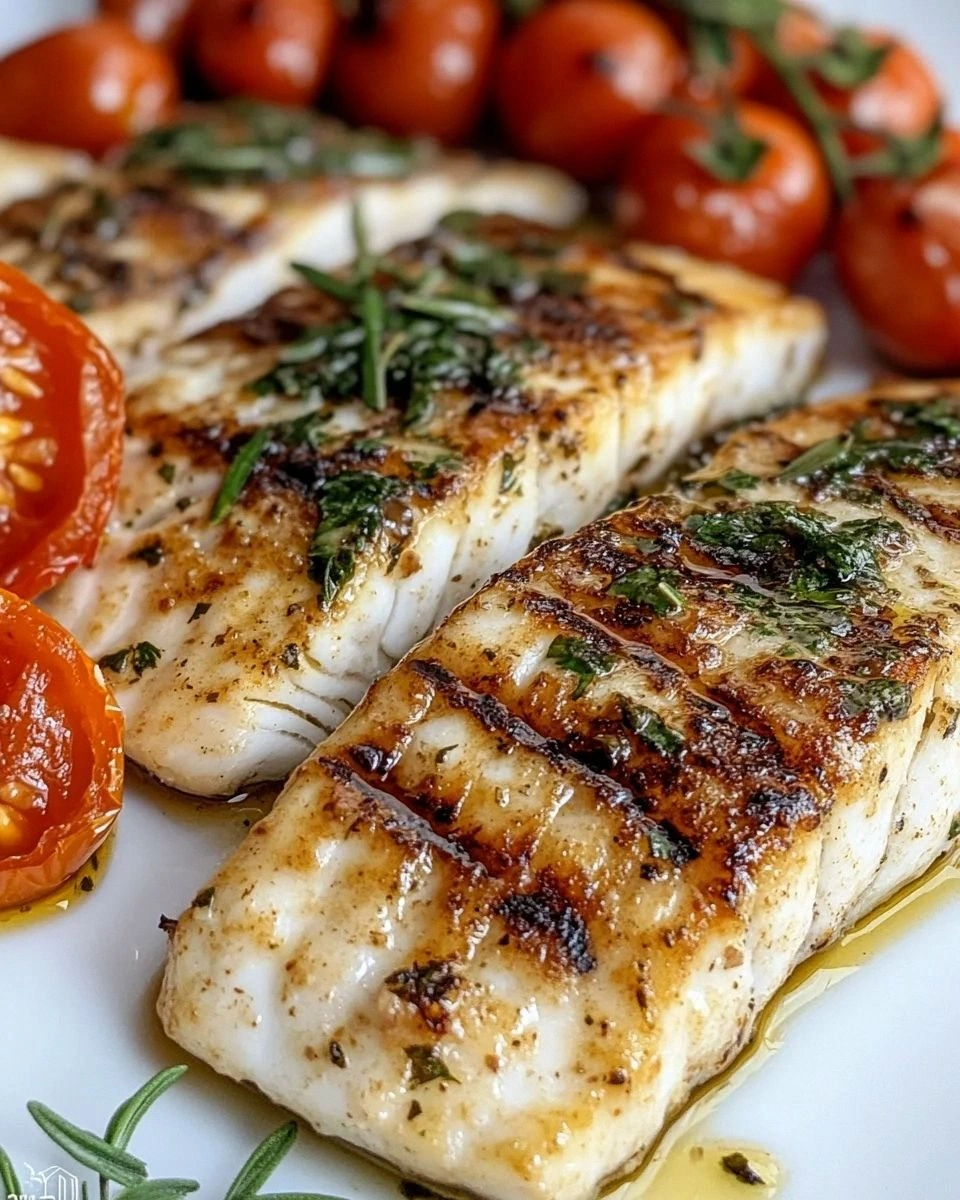
The moment the chicken hits the hot pan, the sound is a satisfying hiss that signals the start of a culinary symphony. The aroma of garlic and lemon wafts up, mingling with the faint sweetness of olive oil. My eyes catch the gleam of golden edges forming, like a sunrise on a skillet. The texture is a dance of crispy crust and juicy interior, each bite a burst of tangy, savory delight. I’m already daring you to taste this and not go back for seconds because it’s that addictive.
What makes this version stand out is not just the ingredients but the way they work together to create a dish that is hands down the best version you'll ever make at home. The chicken is marinated in a simple yet powerful blend of white wine vinegar, Greek seasoning, and lemon juice that penetrates the meat like a secret handshake. The result is a juicy, flavorful protein that’s ready in minutes, yet feels like it’s been resting for hours. It’s the kind of dish that turns a weekday dinner into a mini celebration.
I’ll be honest—my first attempt had me staring at the skillet like a detective, and I nearly forgot to add the garlic. That’s when I realized the importance of timing and the subtle art of seasoning. If you’ve ever struggled with getting the right balance of salt and herbs, you’re not alone—this recipe has a fix that will make your taste buds sing. Picture yourself pulling this out of the pan, the whole kitchen smelling incredible, and the family lining up for seconds.
What Makes This Version Stand Out
- Flavor: The combination of lemon juice and white wine vinegar creates a bright, acidic backdrop that cuts through the richness of olive oil, giving every bite a lively punch. The Greek seasoning adds depth without overpowering the fresh citrus.
- Texture: The chicken develops a caramelized crust while staying tender inside—think crispy edges that shatter like thin ice, yet the center remains juicy and succulent.
- Simplicity: With only eight ingredients, this dish is a masterclass in how less can be more. No complex sauces or long marinating times—just straightforward, honest flavors.
- Uniqueness: The use of white wine vinegar instead of the usual vinegar adds a subtle fruity note that elevates the dish beyond ordinary souvlaki.
- Crowd Reaction: Friends who’ve tried it rave about how the chicken feels like it was cooked over an open flame, yet it’s made entirely on the stovetop.
- Ingredient Quality: Choosing boneless, skinless chicken that’s fresh and high quality makes the difference between a good meal and a great one.
- Cooking Method: The quick sear technique locks in juices and flavor, ensuring the chicken stays moist even when cooked in a short amount of time.
- Make‑ahead Potential: The marinated chicken can sit for up to 30 minutes in the fridge, making it a perfect prep‑for‑later option for busy weeknights.
Inside the Ingredient List
The Flavor Base
The foundation of this dish is the marriage of olive oil and white wine vinegar. Olive oil provides a silky mouthfeel and a subtle fruity undertone, while white wine vinegar adds a bright acidity that lifts the entire flavor profile. If you skip the vinegar, the dish loses that zesty kick, resulting in a flat, overly oily taste. For a more pronounced tang, use a splash of fresh lemon juice instead of vinegar—just be careful not to overwhelm the chicken.
Choosing extra‑virgin olive oil gives you a richer, more complex flavor compared to light olive oil. Look for oils with a peppery finish; they’ll add an extra layer of depth. If you’re on a budget, a regular olive oil works fine, but the taste will be slightly muted. The 2 tablespoons of oil in this recipe are enough to coat the chicken without making it greasy.
The Texture Crew
The chicken itself is the star. Boneless, skinless breasts or thighs provide a lean, tender cut that cooks quickly and absorbs marinades well. If you prefer a richer bite, swap breasts for thighs—they’ll stay moister and develop a deeper flavor. Cutting the chicken into uniform pieces ensures even cooking, preventing some pieces from drying out while others are still raw.
The garlic is minced finely so it distributes evenly across the surface, creating a uniform flavor. Too large a mince can result in uneven bursts of garlic flavor. If you’re allergic or sensitive to garlic, a pinch of garlic powder works as a substitute, but the fresh minced garlic gives a vibrant aroma that’s hard to replicate.
The Unexpected Star
Greek seasoning is the secret sauce that ties the dish together. It’s a blend of oregano, thyme, garlic powder, and sometimes a hint of nutmeg, giving the chicken an authentic Mediterranean punch. If you can’t find a pre‑made blend, you can create your own by mixing 1 tablespoon dried oregano, 1 tablespoon dried thyme, 1 teaspoon garlic powder, and a pinch of nutmeg.
The lemon, when juiced, releases a bright acidity that brightens every bite. The juice also helps to tenderize the chicken slightly, making it more succulent. If you’re feeling adventurous, add a tablespoon of lemon zest for an extra burst of citrus aroma. This small tweak can elevate the dish to a new level of freshness.
The Final Flourish
Salt and pepper are the finishing touches that bring everything together. A half teaspoon of salt and a half teaspoon of freshly cracked black pepper are enough to season the chicken without making it taste like a salt shaker. If you’re watching sodium, reduce the salt by a quarter and rely more on the Greek seasoning for depth.
Everything’s prepped? Good. Let’s get into the real action—because the real magic happens in the skillet.
The Method — Step by Step
- Start by cutting the chicken into bite‑sized pieces. Make sure they’re uniform so they cook evenly. As you cut, you’ll notice the meat’s pinkness—this is fresh, ready to absorb the flavors. Don’t rush; the shape matters.
- In a large bowl, whisk together olive oil, white wine vinegar, minced garlic, Greek seasoning, lemon juice, salt, and pepper. The mixture should look glossy and slightly thick. The lemon juice will start to react with the oil, creating a bright, almost shimmering emulsion.
- Add the chicken pieces to the bowl, tossing them until every piece is coated in the marinating liquid. Cover the bowl with plastic wrap and let it sit for 15–30 minutes at room temperature. If you’re short on time, you can skip this step; the flavor will still be great, but a short marination makes the difference between good and unforgettable.
- Heat a large skillet over medium‑high heat. When the pan is hot, add a splash of olive oil to coat the surface. You’ll hear a hiss—this is the cue that the pan is ready.
- Lay the chicken pieces in a single layer, ensuring they don’t overlap. This allows each piece to develop a golden crust. The edges should start pulling away from the pan after a minute or two.
- Let the chicken sear without moving it for 3–4 minutes. This step is the moment of truth; the surface should develop a caramelized brown that’s slightly crispy. If you flip too early, you’ll lose that beautiful sear.
- Flip the pieces and cook for another 3–4 minutes, or until the internal temperature reaches 165°F (74°C). Use a meat thermometer to check; don’t rely solely on time.
- Remove the chicken from the skillet and let it rest on a plate for 5 minutes. Resting allows the juices to redistribute, ensuring each bite is juicy.
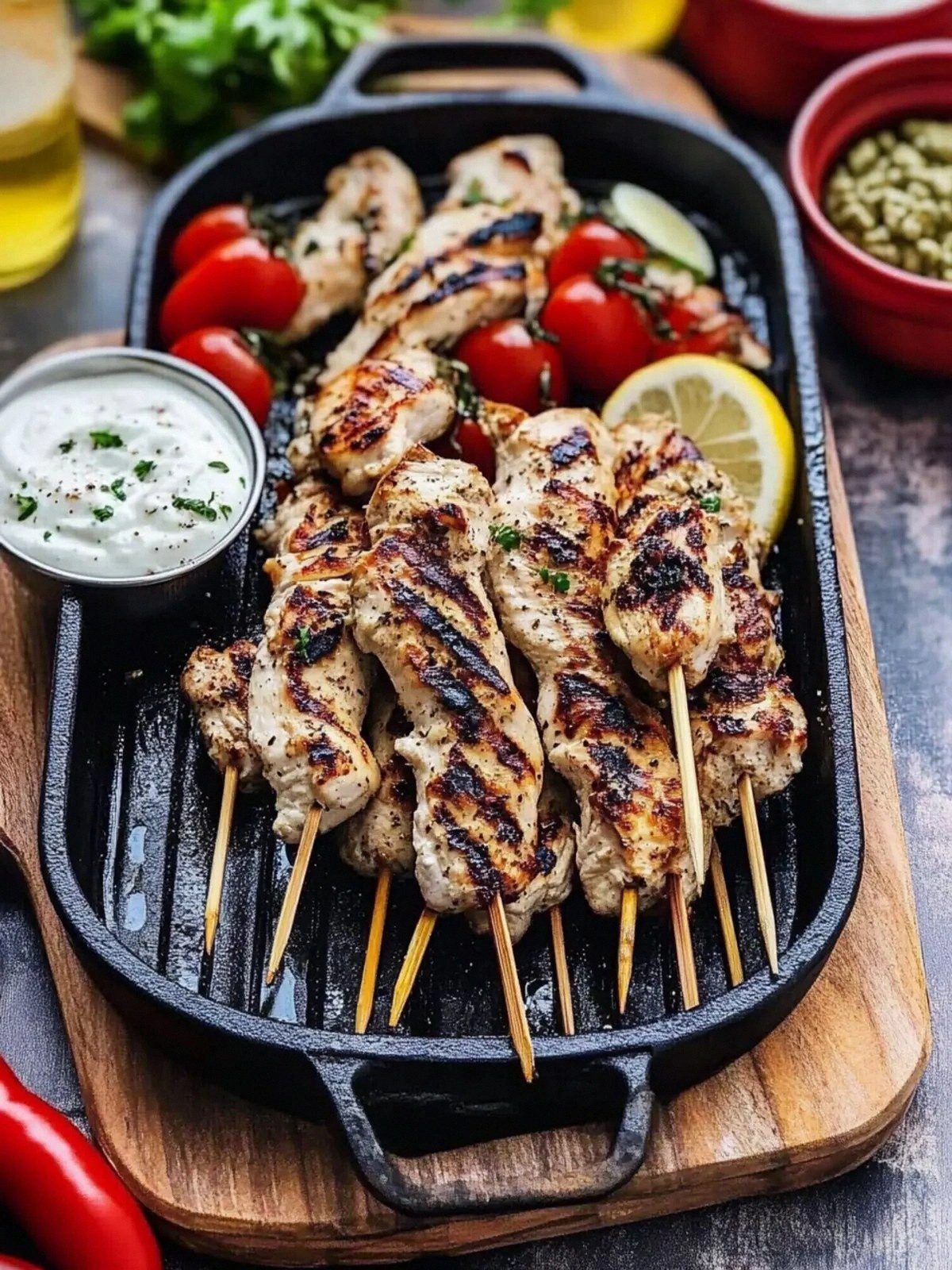
- Serve immediately with a side of tzatziki, a fresh salad, or over warm pita bread. The dish is best enjoyed hot, when the flavors are at their peak.
That’s it—you did it. But hold on, I’ve got a few more tricks that will take this to another level. These insider tips will help you avoid common pitfalls and elevate the dish from simple to spectacular.
Insider Tricks for Flawless Results
The Temperature Rule Nobody Follows
Many cooks assume that high heat is always best for searing, but that’s a myth. The key is a medium‑high heat that allows the chicken to brown without burning. A quick test: sprinkle a drop of water on the pan; if it dances and evaporates immediately, the temperature is right. If it sizzles too loudly or burns, lower the heat slightly.
Why Your Nose Knows Best
Trust your nose; when the chicken starts to smell toasty and the aroma of garlic and lemon fills the air, you’re close to perfection. Your sense of smell is a reliable indicator of doneness—don’t rely solely on a timer. If the smell is faint, let the chicken cook a bit longer; if it’s sharp, it’s time to flip.
The 5‑Minute Rest That Changes Everything
Resting the chicken after cooking is often overlooked. A 5‑minute rest allows the juices to redistribute, preventing them from spilling out when you cut into the meat. If you skip this step, the chicken can feel dry and less flavorful. It’s a simple habit that pays off.
Marinade Timing for Maximum Flavor
While a 30‑minute marination is ideal, you can extend it up to 2 hours for deeper flavor. Just be careful not to marinate for more than 3 hours, as the acidity can start breaking down the meat too much, resulting in a mushy texture. For a quick fix, use a quick “flash” marination of 10 minutes.
Use a Meat Thermometer—It’s Worth It
Many home cooks guess when chicken is done, but a thermometer guarantees safety and juiciness. Insert the thermometer into the thickest part of a piece; 165°F (74°C) is the target. If you’re using a digital thermometer, you can set it to alert you when it hits the right temperature, saving you from overcooking.
Creative Twists and Variations
This recipe is a playground. Here are some of my favorite ways to switch things up:
Mediterranean Skewers
Thread the marinated chicken onto skewers with chunks of bell pepper, red onion, and cherry tomatoes. Grill over medium heat until the veggies are slightly charred. The result is a colorful, finger‑food version perfect for parties.
Spicy Kick
Add a pinch of crushed red pepper flakes to the marinades. The heat pairs beautifully with the citrusy notes, giving the dish a lively edge. This is great for those who love a bit of spice in their meals.
Pesto‑Infused Chicken
Swap the Greek seasoning for a spoonful of basil pesto. The pesto brings a fresh, herbal flavor that complements the lemon. Serve over a bed of couscous for a complete meal.
Smoky Flavor
Add a few drops of liquid smoke to the marinades. The subtle smokiness mimics grilled flavor, making it a great indoor alternative to outdoor grilling.
Vegetarian Version
Replace the chicken with firm tofu or tempeh. Marinate the protein in the same mixture, then pan‑sear until golden. The tofu will absorb the flavors and provide a satisfying bite.
Herb‑Rich Twist
Add a handful of fresh chopped parsley or dill to the marinades. Fresh herbs give the dish a bright, aromatic finish that feels fresh and lively.
Storing and Bringing It Back to Life
Fridge Storage
Store leftover chicken in an airtight container in the refrigerator for up to 3 days. The flavors will continue to develop, making it even more delicious the next day. Before reheating, let the chicken sit at room temperature for 15 minutes to avoid uneven heating.
Freezer Friendly
To freeze, place the chicken in a single layer on a parchment‑lined tray, freeze until solid, then transfer to a freezer bag. This method prevents clumping and makes it easier to portion. Freeze for up to 3 months for best quality.
Best Reheating Method
Reheat in a skillet over medium heat, adding a splash of water or broth to create steam. A tiny splash of water before reheating steams the chicken back to perfection, keeping it moist and flavorful. Finish with a squeeze of fresh lemon to revive the citrus notes.