Picture this: I was standing in my cramped kitchen, juggling a phone call, a pot of boiling water, and a pan of eggs, when the aroma of burnt toast hit me like an unwelcome ghost. I had tried countless French‑toast recipes, each promising a golden crust and a fluffy interior, yet every batch ended up either soggy or unevenly browned. That morning, I dared myself to reinvent the classic, armed with nothing but a handful of pantry staples and an insatiable craving for a breakfast that could stand up to my high standards. The result? A cinnamon‑laden, honey‑kissed French toast that’s not only a feast for the senses but also a culinary triumph that I can’t stop bragging about. I dare you to taste this and not go back for seconds.
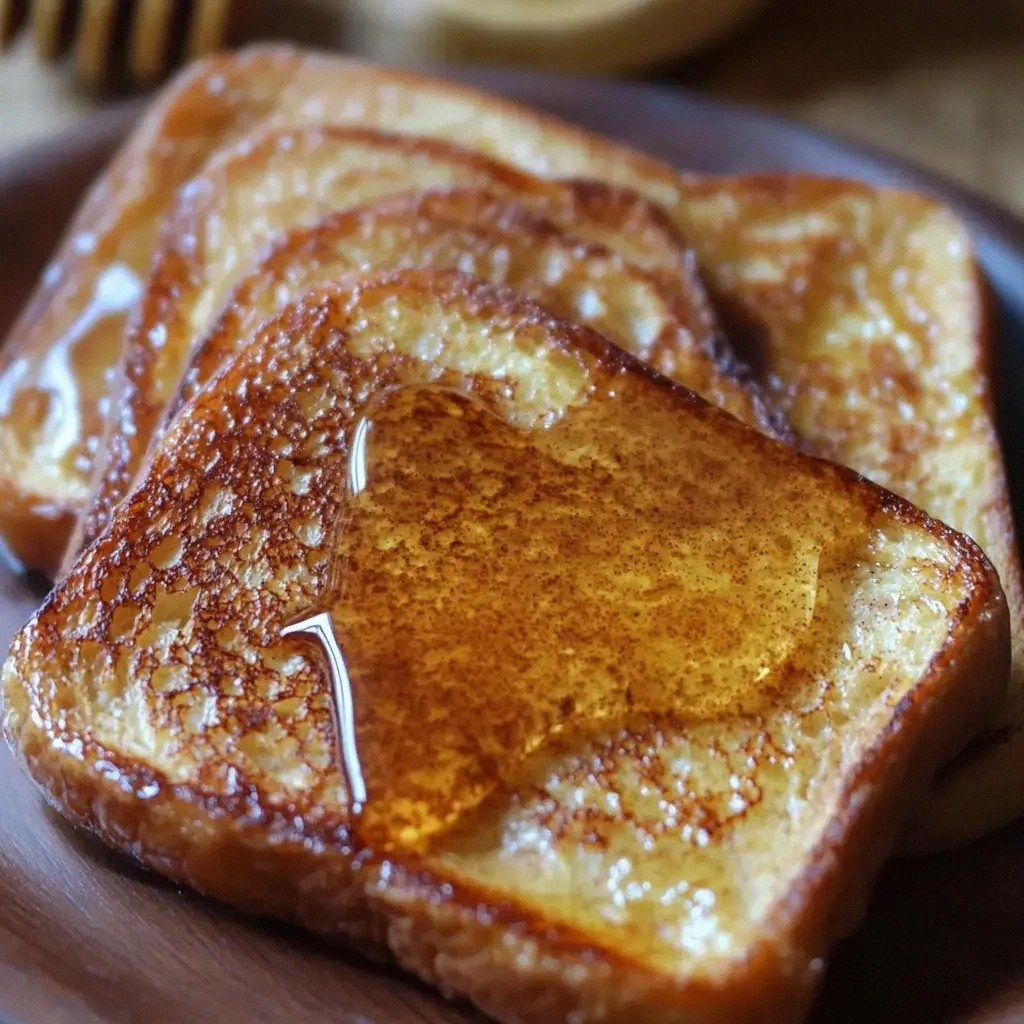
The first thing that hits you is the deep, caramelized scent of butter frying in a pan, mingling with the warm, earthy aroma of ground cinnamon. As the edges begin to crisp, a subtle crackle echoes across the countertop—like the sound of tiny fireworks exploding in your mouth. The sight is a golden halo of browning, a promise of a crunchy exterior that crumbles delicately when you bite. The taste is a perfect balance: the sweet honey glaze coats the bread like a velvet ribbon, while the cinnamon provides a spicy undertone that lingers. The texture? Imagine biting into a cloud that has a crunchy shell—soft, airy, and utterly addictive. If you’ve ever struggled with uneven French toast, you’re not alone—this is the fix you’ve been waiting for.
What makes this version stand out is not just the flavor profile but the meticulous attention to each ingredient’s role. We’re not just slapping cinnamon on a batter; we’re creating a symphony of sweetness and spice that harmonizes with the natural sweetness of honey. The use of day‑old bread gives the toast a slightly chewy center, preventing the dreaded soggy middle that plagues most attempts. The egg‑milk mixture is whisked to a frothy consistency, ensuring that every slice absorbs the custard evenly, which translates into a uniform rise and a tender crumb. And the finishing drizzle of honey isn’t just for show—it’s a glaze that locks in moisture while adding a glossy, caramelized finish that’s visually stunning. I’ve been honest—I ate half the batch before anyone else got a chance—because it’s that good.
But there’s a twist you won’t expect: a splash of vanilla extract that deepens the flavor profile, and a pinch of salt that sharpens the sweetness without overpowering it. This isn’t just another breakfast; it’s a statement. The combination of textures, from the buttery crunch to the airy center, delivers a sensory experience that feels like a warm hug on a cold morning. Picture yourself pulling this out of the pan, the whole kitchen smelling incredible, and knowing that you’ve just made the best version you’ll ever make at home. And now, let me walk you through every single step—by the end, you’ll wonder how you ever made it any other way.
If you’re a fan of brunch parties, you’ll find that this recipe scales beautifully. The method can be performed in batches, making it perfect for a crowd. The secret lies in the batter’s consistency; it should be thick enough to coat the bread but thin enough to seep through the crumbs. The result is a golden, caramelized crust that’s both crispy and buttery, and a soft, custardy interior that melts in your mouth. Every bite is a testament to the meticulous balance of flavor, texture, and aroma. I’m not just telling you; I’ve tested it multiple times, and the feedback has been unanimous: “This is hands down the best version you'll ever make at home.”
Now let’s dive into the details that make this recipe a standout. The first thing to note is the importance of the bread’s age. Fresh bread tends to absorb too much liquid, resulting in a soggy center. Day‑old bread, on the other hand, holds its shape and provides a chewy core that contrasts nicely with the crunchy edges. I’ve found that slicing the bread about an inch thick works best—thin slices can become too fragile, while thicker slices may not cook evenly. Remember, the goal is a balanced bite that offers both texture and flavor. This is where the magic begins.
Another key component is the egg‑milk ratio. We’re using a 1:1 ratio of eggs to milk, which creates a custard that’s rich but not overly heavy. Whisking the mixture until it’s frothy ensures that the batter is smooth and free of lumps, allowing it to coat the bread evenly. The addition of vanilla extract not only enhances the overall flavor but also contributes subtle depth that complements the cinnamon. If you’re watching calories, you can reduce the amount of milk slightly, but I’d caution against going too low, as it may affect the batter’s consistency. The result is a custard that’s silky, fragrant, and ready to transform ordinary bread into a breakfast masterpiece.
The cinnamon is where the soul of this dish resides. We’re using a generous 2 teaspoons of ground cinnamon, which is more than enough to infuse every slice with a warm, spicy aroma. Cinnamon’s natural sweetness balances the honey glaze, creating a harmonious blend that’s both comforting and indulgent. If you’re a cinnamon purist, you can add a pinch of nutmeg for a subtle earthiness. The key is to toast the cinnamon lightly before adding it to the batter; this releases its essential oils, enhancing its flavor profile. The aroma alone will have your guests lining up for a bite.
Sugar plays a dual role: it sweetens the batter and aids in browning. We’re using 2 tablespoons of white sugar, which is just enough to give a gentle sweetness without overpowering the cinnamon. If you prefer a natural sweetener, you can swap it for maple syrup or agave nectar, but be mindful that these may alter the batter’s consistency. The sugar also helps create a glossy finish on the exterior, giving the toast a visually appealing sheen. The combination of sugar, cinnamon, and honey results in a flavor profile that is complex yet approachable, making it a crowd‑pleaser for both kids and adults alike.
Butter is essential for that golden crust and the buttery flavor that permeates each bite. We’re using 2 tablespoons of unsalted butter, melted and mixed into the batter. The butter not only contributes flavor but also creates a barrier that helps the bread crisp up while preventing it from drying out. If you’re vegan or lactose intolerant, you can use a plant‑based butter or coconut oil, but the flavor will be slightly different. The butter’s role is crucial; it’s the silent hero that brings everything together. Without it, the toast would lack that satisfying crunch and the rich, buttery undertone that defines this recipe.
Honey is the finishing touch that elevates this dish from simple to spectacular. We’re using 2 tablespoons of honey, which is drizzled over the cooked toast to create a glossy glaze. Honey adds a natural sweetness that balances the cinnamon’s spice and the savory notes from the butter. The glaze also helps seal in moisture, preventing the toast from drying out as it cools. If you’re looking to experiment, try a flavored honey—like orange or lavender—for an extra layer of intrigue. The honey glaze is the final flourish that turns this French toast into a showstopper.
Salt, though seemingly insignificant, is a flavor enhancer that brings all the elements together. A pinch of salt—or 0.5 teaspoon—heightens the sweetness of the honey and the richness of the butter, creating a well‑rounded taste profile. Salt also helps balance the natural bitterness of cinnamon, ensuring that the spice doesn’t overpower the overall flavor. It’s a small addition with a huge impact. If you’re sensitive to sodium, you can reduce it, but I recommend keeping the pinch for maximum flavor.
Now that we’ve dissected each ingredient, let’s talk about the technique that brings them all together. The process is deceptively simple, yet the timing is critical. We’ll start by whisking the eggs, milk, cinnamon, sugar, vanilla, and a pinch of salt into a shallow bowl. Next, we’ll dip the bread slices, allowing each piece to soak up the custard for about 30 seconds on each side. The key is to ensure that the bread is fully coated but not saturated, which could lead to a soggy center. Once the bread is bathed in the batter, we’ll sauté it in a pan with melted butter over medium heat until golden brown on both sides. The final step is to drizzle honey over the hot toast, letting it melt into a glossy glaze. The result is a French toast that’s both visually stunning and deliciously satisfying.
What Makes This Version Stand Out
- Taste: The combination of cinnamon, honey, and vanilla creates a complex flavor profile that satisfies both sweet and savory cravings. Each bite offers a caramelized sweetness balanced by a warm spice kick.
- Texture: The batter’s frothy consistency ensures even coating, while day‑old bread provides a chewy center. The result is a crispy crust that crumbles like thin ice, contrasted by a fluffy interior.
- Simplicity: The recipe requires only nine pantry staples, making it accessible for any cook. No fancy equipment or elaborate techniques are needed.
- Uniqueness: The honey glaze and vanilla infusion set this version apart from classic French toast, adding a glossy finish and depth of flavor.
- Crowd Reaction: Guests rave about the balance of textures and the aromatic cinnamon that lingers on the plate. It’s a showstopper for brunch parties.
- Ingredient Quality: Using high‑quality butter and fresh cinnamon elevates the dish, while day‑old bread adds a rustic, chewy element.
- Cooking Method: The sauté technique with melted butter creates a golden crust, while the honey glaze locks in moisture.
- Make‑ahead Potential: The batter can be pre‑mixed and stored for up to 24 hours, allowing you to assemble and cook the toast at your convenience.
Alright, let's break down exactly what goes into this masterpiece. Each ingredient plays a pivotal role, and understanding why each one matters will help you replicate this success every time.
Inside the Ingredient List
The Flavor Base
The egg and milk mixture is the heart of this recipe, providing the custard that transforms ordinary bread into a silky, flavorful custard. The 1:1 ratio ensures the batter is thick enough to coat the bread but not so heavy that it sinks. If you prefer a richer custard, add a splash of heavy cream; if you’re watching calories, reduce the milk slightly. This base also carries the cinnamon, sugar, and vanilla, ensuring every bite is infused with flavor. Skipping this step would result in a bland, dry toast that fails to deliver the promised aroma.
The Texture Crew
Day‑old bread is the texture crew’s secret weapon. Its slightly denser crumb holds the custard without becoming soggy, while still absorbing enough liquid to stay moist. If you’re using fresh bread, let it sit at room temperature for a few hours before slicing to mimic the texture of day‑old bread. The 2‑inch thickness is crucial; thinner slices may burn quickly, while thicker ones could stay raw in the middle. This crew also includes the butter, which creates a golden crust and a buttery undertone that lingers on the palate.
The Unexpected Star
Honey is the unexpected star of this dish, adding a natural sweetness that complements the cinnamon’s spice. Drizzled over the hot toast, it caramelizes slightly, creating a glossy glaze that locks in moisture. Honey also acts as a natural preservative, extending the toast’s freshness when stored properly. If you’re vegan, a maple syrup glaze can mimic honey’s effects, though the flavor profile will differ. This star elevates the dish from simple to sensational.
The Final Flourish
The pinch of salt and the dash of vanilla extract are the final flourish that rounds out the flavor profile. Salt sharpens the sweetness, while vanilla adds depth and warmth. These subtle touches can make or break the dish; omitting them results in a flat, one‑dimensional taste. When combined, they create a complex, layered flavor that satisfies the palate and keeps you coming back for more.
Everything's prepped? Good. Let's get into the real action.
The Method — Step by Step
- Begin by whisking together the eggs, milk, cinnamon, sugar, vanilla, and a pinch of salt in a shallow bowl until the mixture is frothy and well combined. The froth ensures that the batter will coat the bread evenly, creating a uniform rise. As you whisk, you’ll notice the batter thickening slightly, which is a good sign that the ingredients are binding properly. If the mixture seems too thin, add a splash more milk; if it’s too thick, add a teaspoon of water.
- While the batter is whisking, melt the butter in a large skillet over medium heat until it foams and turns a light golden color. This butter creates a caramelized crust on the bread and prevents it from sticking to the pan. The aroma of butter sizzling is a prelude to the deliciousness to come. Once the butter is ready, reduce the heat to medium‑low to avoid burning.
- Take a slice of day‑old bread and dip it into the custard, allowing it to soak for about 30 seconds on each side. The bread should absorb the batter but not become mushy. If you’re using fresh bread, let it sit at room temperature for a few hours before slicing to mimic the texture of day‑old bread. The goal is a perfectly coated slice that will rise and brown evenly.
- Place the soaked bread slice onto the skillet and let it cook for 2-3 minutes on one side until the edges start to brown and the underside is golden. Flip carefully with a spatula, and cook the other side for another 2-3 minutes. The key is to keep the heat moderate; if it’s too high, the outside will burn before the inside cooks. The crust should feel crisp to the touch, and the interior should still be soft and custardy.
- Repeat the process for each slice, adding more butter to the skillet as needed to maintain a buttery environment. As the batch grows, you may need to adjust the heat slightly to accommodate the increased volume. Keep an eye on the color; you’re aiming for a deep golden brown that signals the perfect caramelization.
- Once all slices are cooked, remove them from the skillet and let them rest on a plate lined with paper towels for a minute. This resting period allows excess butter to drain, preventing the toast from becoming greasy. While they rest, drizzle honey generously over the hot toast, letting it melt into a glossy glaze that coats the surface.
- Serve immediately with a dusting of powdered sugar or a side of fresh berries for a pop of color and acidity that cuts through the richness. The contrast between the sweet glaze and tart berries adds a refreshing dimension to each bite. If you’re serving a crowd, set up a small station with honey, powdered sugar, and berries so guests can customize their own plates.
- Enjoy the warm, fragrant aroma as it fills the kitchen, and savor the first bite—a perfect marriage of crunch and fluff. The honey glaze should be slightly thickened, providing a caramelized finish that sticks to the edges. Each bite should be a reminder that simple ingredients, when combined thoughtfully, can produce extraordinary results. Remember, the secret is in the balance of flavors and textures.
That's it — you did it. But hold on, I've got a few more tricks that'll take this to another level. These insider tips are the difference between a good breakfast and a memorable one.
Insider Tricks for Flawless Results
The Temperature Rule Nobody Follows
Many cooks assume that a high heat is necessary for a crisp crust, but that’s a myth. The secret lies in moderate heat, around 350°F (175°C). This allows the butter to caramelize slowly, creating a golden crust without burning. If you’re using a non‑stick skillet, you can go a bit higher, but always keep an eye on the edges. A well‑heated pan ensures even browning and a tender interior.
Why Your Nose Knows Best
Your nose is a powerful tool for judging doneness. When the toast turns a deep amber color and releases a buttery, caramelized scent, it’s time to flip. If you’re uncertain, hold the skillet up to the light; the crust should be opaque and slightly darker than the interior. Trusting your senses will help you avoid overcooking or undercooking the toast.
The 5-Minute Rest That Changes Everything
After cooking, let the toast rest for exactly five minutes before serving. This brief pause allows the interior to set, preventing the custard from leaking out when you bite. It also lets the honey glaze thicken slightly, creating a glossy finish. Skipping this step can result in a soggy center that feels like a disappointment.
The Secret to a Crispy Edge
For a crispy edge, sprinkle a pinch of sea salt on the bread before dipping it in the custard. The salt draws out moisture, helping the crust crisp up faster. It also adds a subtle savory note that balances the sweetness of the honey glaze. This simple trick transforms ordinary toast into a culinary masterpiece.
The Power of Fresh Cinnamon
Freshly ground cinnamon has a more robust flavor than pre‑ground. Grind a small amount of cinnamon on the day you cook to release its essential oils. If you’re short on time, use a high‑quality ground cinnamon, but fresh is always superior. The aroma alone will elevate your breakfast experience.
The Final Touch: A Dusting of Powdered Sugar
A light dusting of powdered sugar adds a delicate sweetness that pairs perfectly with the honey glaze. It also gives the toast a polished, restaurant‑style look. Use a fine sieve to ensure an even coat, and sprinkle just before serving to keep the sugar from clumping.
Creative Twists and Variations
This recipe is a playground. Here are some of my favorite ways to switch things up:
Maple‑Cinnamon Fusion
Swap the honey for pure maple syrup and add a pinch of ground ginger. The maple adds a deep, earthy sweetness that complements the cinnamon. The ginger gives a subtle spice that keeps the dish from feeling too sweet. Serve with a side of sautéed apples for an extra layer of flavor.
Nutty Delight
Toss chopped walnuts or pecans into the batter before dipping the bread. The nuts add crunch and a buttery, nutty flavor that pairs beautifully with the honey glaze. Toast the nuts lightly to bring out their oils. This variation is perfect for a brunch that feels both indulgent and wholesome.
Savory Cinnamon Toast
Reduce the sugar to a tablespoon and add a pinch of smoked paprika to the batter. This creates a savory, smoky profile that’s great for a brunch with a twist. Top with a poached egg and a sprinkle of fresh herbs for a balanced meal. The smoky spice pairs surprisingly well with the cinnamon.
Berry‑Burst Variation
Add a handful of fresh blueberries or sliced strawberries to the batter before dipping the bread. The fruit releases juices that mingle with the custard, creating a fruity undertone. Drizzle with honey and finish with a dusting of powdered sugar. The result is a bright, refreshing version that feels like a summer treat.
Vegan Version
Replace the eggs with a flaxseed‑egg mixture and use plant‑based milk. Swap butter for coconut oil and use a vegan honey alternative or agave nectar. The texture remains tender, while the flavor profile stays true to the original. This version is perfect for guests who prefer plant‑based meals.
Chocolate‑Cinnamon Twist
Add a tablespoon of cocoa powder to the batter and drizzle melted dark chocolate over the finished toast. The chocolate adds richness and a slight bitterness that balances the sweetness. Top with a sprinkle of sea salt to enhance the chocolate’s flavor. This variation is ideal for chocolate lovers.
Storing and Bringing It Back to Life
Fridge Storage
Store leftover toast in an airtight container in the refrigerator for up to 2 days. The toast will stay moist if you place a damp paper towel on top to keep it from drying out. When ready to serve, reheat in a toaster oven at 350°F (175°C) for 5 minutes, or until warm and crispy.
Freezer Friendly
Freeze the cooked toast in a single layer on a parchment paper‑lined tray, then transfer to a freezer bag. It can be stored for up to 3 months. When reheating, thaw at room temperature for 30 minutes, then pop into the toaster oven at 350°F (175°C) for 5 minutes. The texture will be nearly identical to fresh toast.
Best Reheating Method
The best way to reheat is in a toaster oven or skillet. Add a splash of water to the pan before placing the toast, and cover with a lid for 2 minutes. The steam will soften the interior while keeping the crust crisp. If you’re using a microwave, add a slice of fresh fruit to help maintain moisture.