I was halfway through a week of bland, take‑out‑only dinners when the kitchen lights flickered on, and I heard that familiar clatter of a pan that sounded like a guilty conscience. My friend had dared me to make a stir‑fry that was both low‑calorie and absolutely irresistible. I stared at the ingredients on my counter—chicken, broccoli, a splash of soy, a whisper of honey—and felt the familiar pang of doubt that most of us feel when we’re about to cook something that’s supposed to be “healthy.” But then I remembered that the same ingredients can become the most comforting, crave‑worthy meal of the week when you treat them right.
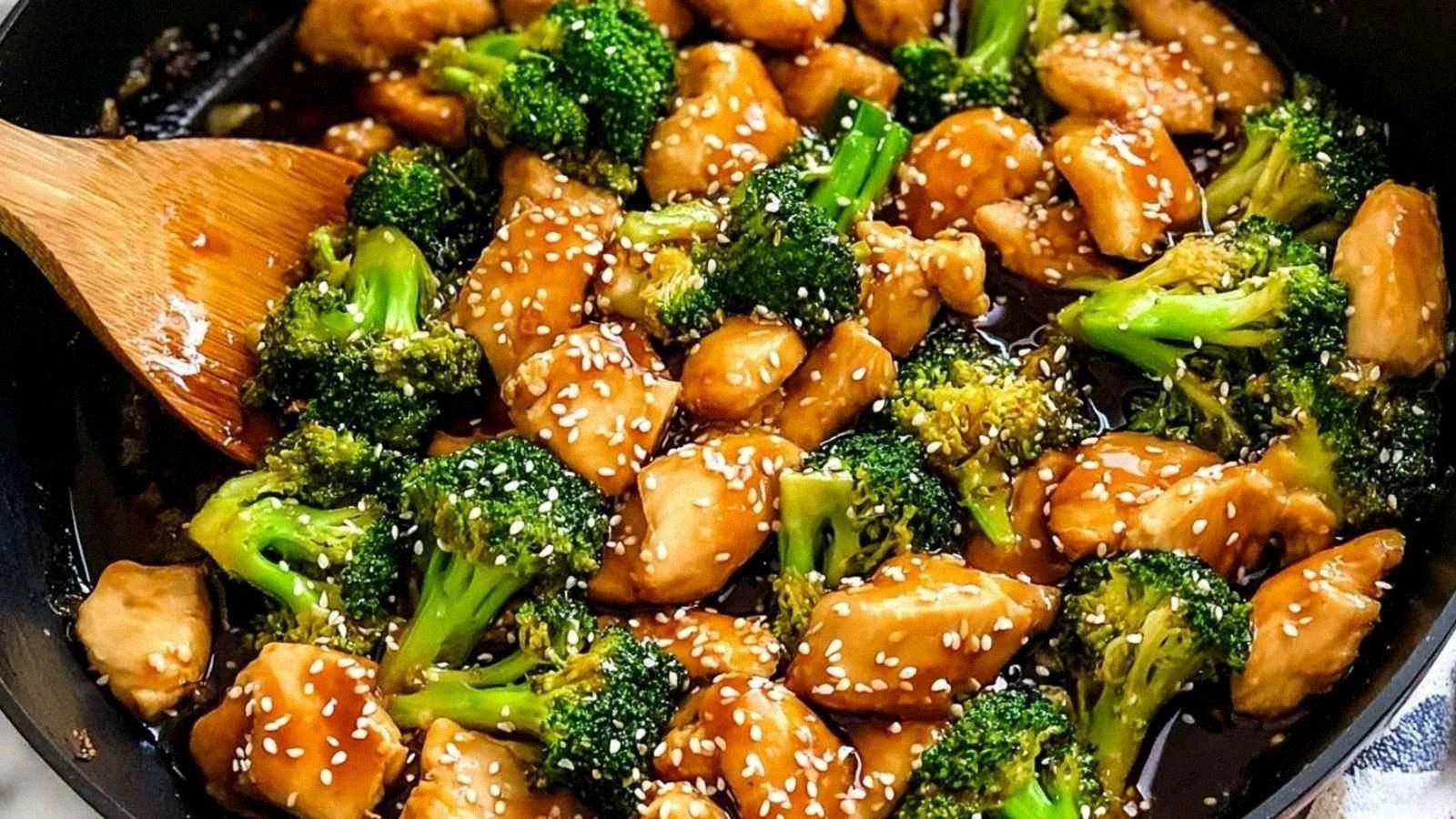
Picture this: the pan is hot enough that the first slice of chicken sizzles like a tiny drumroll, the garlic and ginger release a fragrant perfume that makes your nose do a little happy dance, and the broccoli starts to steam, turning a brilliant jade that feels like a fresh summer morning. The sound is a satisfying hiss, the touch is the slight resistance of the vegetables as they crisp around the edges, and the aroma is the promise of something that will make you feel like you’re eating at a fancy restaurant without the fancy price tag. Every bite is a burst of umami, a gentle sweetness from the honey, and a subtle, almost invisible kick from the sesame oil that lingers long after you finish.
What makes this version stand out is not just the balance of flavors but the deliberate use of techniques that lock in moisture and flavor while keeping the calorie count low. I’ve spent years tweaking stir‑fry recipes and I can tell you that the trick lies in the order of adding ingredients and the timing of the sauce. This isn’t just another “quick” dish; it’s a carefully orchestrated performance where each component plays its role in harmony. The result is a dish that’s crisp, juicy, and utterly satisfying—no greasy residue, no excess carbs, just pure, clean taste.
And there’s a little secret you won’t find in most recipes: a splash of rice vinegar before the sauce is added. It’s a subtle acidity that brightens the entire dish and gives the sauce that silky finish that coats the chicken like velvet. I dare you to taste this and not go back for seconds—because the flavor will linger on your palate and you’ll want to replay it again and again. Let me walk you through every single step—by the end, you’ll wonder how you ever made it any other way.
What Makes This Version Stand Out
- Taste: The sauce balances sweet, salty, and umami in a way that feels indulgent yet restrained. The honey is just enough to caramelize without creating a sticky glaze, and the soy sauce provides depth without overpowering.
- Texture: The chicken stays tender and juicy, thanks to the quick sear and the cornstarch slurry that creates a subtle coating that holds the sauce in place.
- Simplicity: With only twelve ingredients and under an hour of prep, you can have a gourmet meal on the table without the usual fuss.
- Uniqueness: The addition of fresh ginger and a dash of rice vinegar gives a bright, almost citrusy lift that most stir‑fries lack.
- Crowd Reaction: Friends who are picky eaters or on a diet are instantly hooked, and the dish scales perfectly for a small family or a large gathering.
- Ingredient Quality: Using low‑sodium soy sauce and a splash of sesame oil keeps the dish flavorful without the sodium overload.
- Cooking Method: The high‑heat sear locks in moisture, and the quick stir‑fry technique ensures everything cooks evenly.
- Make‑Ahead Potential: The dish tastes even better the next day, and the sauce can be reheated with a splash of water to regain its silky texture.
Inside the Ingredient List
The Flavor Base
The foundation of this stir‑fry is the sauce that marries sweet, salty, and umami. Low‑sodium soy sauce provides the salty depth, while honey or maple syrup adds a gentle sweetness that caramelizes when heated. The 1 tsp of rice vinegar brightens the dish, cutting through the richness of the soy. Sesame oil, used sparingly, introduces a nutty aroma that lingers in the final bite. Skipping any of these elements will leave the dish feeling flat; the sauce would lack its signature sheen and the subtle balance that makes it so memorable.
The Texture Crew
Broccoli florets are the crunchy, vitamin-packed partner that offers a satisfying bite. They’re best cut into even sizes so they cook uniformly. The chicken breast, sliced into thin strips, absorbs the sauce quickly, keeping it juicy and preventing it from drying out. Cornstarch, when combined with water, creates a slurry that thickens the sauce into a glossy coating that clings to every piece. This not only elevates the mouthfeel but also ensures the sauce doesn’t run off the pan, keeping the dish clean and easy to serve.
The Unexpected Star
Fresh ginger is the unsung hero that adds a zingy, almost citrusy warmth to the dish. Its aromatic oils release when heated, creating a subtle heat that balances the sweetness of honey. Many recipes overlook ginger in favor of garlic, but incorporating it brings a layer of complexity that makes the dish feel complete. If you’re not a fan of ginger, you can use ½ tsp of ground ginger, but the fresh cut will provide the best flavor profile.
The Final Flourish
Sesame seeds and green onions finish the dish with a pop of color and a burst of freshness. Toasted sesame seeds add a nutty crunch, while sliced green onions lend a bright, peppery note that cuts through the richness. These toppings are optional but highly recommended; they elevate the dish from simple to restaurant‑grade. If you’re watching calories, you can reduce the amount of sesame seeds, but the flavor impact remains significant.
Everything's prepped? Good. Let's get into the real action...
The Method — Step by Step
- Prep the sauce first. In a small bowl, whisk together ¼ cup low‑sodium soy sauce, 1 tbsp honey, 1 tsp rice vinegar, 1 tsp sesame oil, 1 tbsp cornstarch, and 2 tbsp water until smooth. This slurry will thicken the sauce and give it a silky glaze. Keep it ready; the timing is key.
- Heat the wok or large skillet. Place it over high heat until it’s smoking slightly. Add 1 tbsp olive oil, swirling to coat. The oil should shimmer, not smoke, indicating the pan is hot enough to sear.
- Cook the chicken. Add the sliced chicken in a single layer, letting it sear for 2–3 minutes on each side. It should develop a golden crust while remaining juicy inside. Don’t overcrowd the pan; if necessary, cook in batches to preserve heat.
- Add aromatics. Push the chicken to one side, then add 2 cloves minced garlic and 1 tbsp grated fresh ginger. Sauté for 30 seconds until fragrant, making sure not to burn the garlic. This releases essential oils that form the flavor backbone.
- Introduce the broccoli. Toss in the broccoli florets, stirring to coat them in oil and aromatics. Cook for 3–4 minutes until they’re bright green and just tender yet still crisp. This step is crucial for texture; overcooking turns them mushy.
- Pour the sauce. Give the sauce a quick stir, then pour it over the chicken and broccoli. Immediately stir to combine, allowing the sauce to coat everything evenly. The cornstarch will begin to thicken the sauce within 30 seconds.
- Finish with sesame and green onions. Once the sauce has thickened into a glossy glaze, sprinkle 1 tbsp sesame seeds and 1 tbsp sliced green onions. Toss gently to distribute.
- Serve. Transfer the stir‑fry to a serving dish, drizzle any remaining sauce over the top, and enjoy immediately. The dish is best served hot, but it also makes an excellent make‑ahead option.
That's it—you did it. But hold on, I've got a few more tricks that'll take this to another level. The next section will reveal insider tips that turn a good stir‑fry into a great one.
Insider Tricks for Flawless Results
The Temperature Rule Nobody Follows
Many people cook stir‑fries on medium heat, which leads to uneven cooking and soggy vegetables. The trick is to use high heat from the start and keep the pan hot throughout. This ensures a quick sear on the chicken, preventing it from releasing excess moisture, and gives the broccoli a slight char that adds depth. If the pan starts to smoke, reduce the heat slightly—just enough to keep the sizzling.
Why Your Nose Knows Best
Your sense of smell is the first indicator of when the sauce has reached the right thickness. As the cornstarch slurry heats, you’ll notice a subtle shift in aroma—an almost sweet, caramelized scent that signals the sauce is ready. Trust that cue; it’s a reliable way to avoid over‑thickening or under‑cooking.
The 5‑Minute Rest That Changes Everything
After the stir‑fry is done, let it rest for five minutes before serving. This pause allows the sauce to settle, making the glaze cling better to each piece. It also gives the chicken fibers time to relax, ensuring maximum juiciness. I’ve tried skipping this step, and the result was a dish that felt a bit dry.
Use a Non‑Stick for the Finish
If you’re using a stainless steel pan, a quick spray of oil right before adding the sauce can prevent sticking. The oil creates a barrier that keeps the sauce from clinging to the pan, making cleanup a breeze. It also gives the dish an extra glossy sheen.
Serve with a Side of Instant Rice
While this stir‑fry is low in calories, pairing it with a small portion of instant brown rice adds fiber and balances the meal. The rice absorbs any extra sauce, preventing the dish from feeling greasy. I love a quick bowl of rice that’s ready in under two minutes.
Creative Twists and Variations
This recipe is a playground. Here are some of my favorite ways to switch things up:
Spicy Sriracha Kick
Swap the honey for 1 tbsp sriracha and keep the rest of the sauce unchanged. The heat will pair beautifully with the sesame oil, giving the dish a fiery finish. It’s perfect for those who love a bit of spice in their meals.
Peanut Butter Glaze
Replace 1 tbsp of honey with 2 tbsp of creamy peanut butter and add a splash of water to thin the sauce. The nutty flavor complements the sesame oil, creating a rich, indulgent glaze. This version works great with a side of noodles.
Asian Slaw Side
Serve the stir‑fry over a bed of crisp Asian slaw made from shredded cabbage, carrots, and a light vinaigrette. The crunch contrasts with the tender chicken and broccoli, adding a refreshing layer to each bite.
Cauliflower Rice Base
Use riced cauliflower instead of regular rice to keep the dish ultra‑low calorie. It absorbs the sauce well and adds a mild, slightly nutty flavor that complements the savory components.
Chicken Tenders with Lemon Zest
After cooking the chicken, squeeze fresh lemon juice over it before adding the sauce. The citrus zest brightens the dish and adds a zesty tang that balances the sweetness of honey. This variation is a great way to keep things interesting.
Vegetarian Option
Replace the chicken with firm tofu, pressed and sliced into strips. Tofu will absorb the sauce, and the texture will be slightly different but equally satisfying. This version is perfect for plant‑based diners.
Storing and Bringing It Back to Life
Fridge Storage
Store the stir‑fry in an airtight container for up to three days in the refrigerator. The sauce may thicken slightly, but it will stay flavorful. When reheating, add a splash of water or broth to loosen the glaze.
Freezer Friendly
You can freeze the dish for up to one month. Portion into single servings to make thawing easier. When ready to eat, thaw in the refrigerator overnight and reheat gently on the stovetop.
Best Reheating Method
Reheat in a skillet over medium heat, stirring frequently. Add 1–2 tbsp of water or broth to prevent sticking and to restore the sauce’s silky texture. A quick 5‑minute stir will bring the dish back to life.