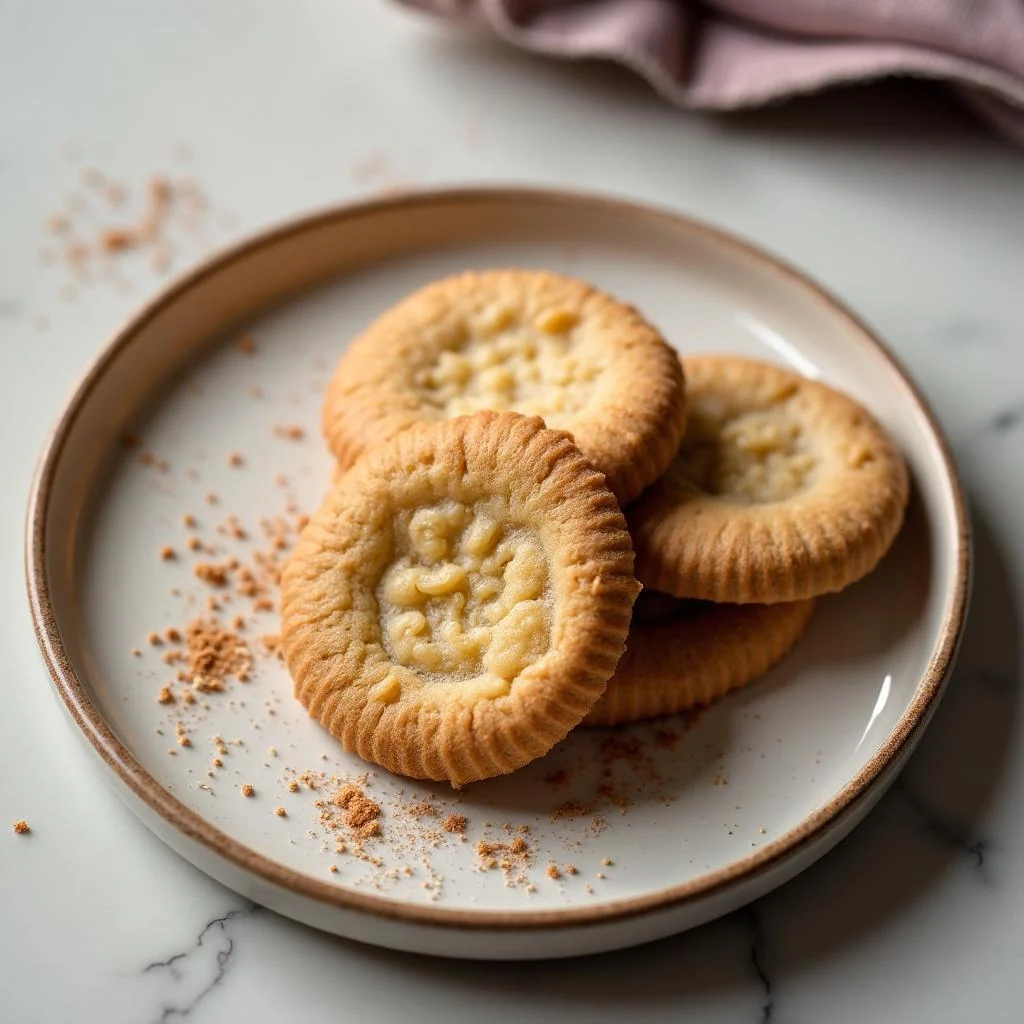
I was halfway through a midnight binge of greasy pizza, when the kitchen lights flickered and the fridge door slammed shut. The next morning, my stomach was a battlefield of cravings: something warm, something sweet, something that could double as a protein punch. I stared at the pantry, eyes widening at the humble rolled oats and the protein powder that had been gathering dust. That was the spark that turned a failed dinner into a culinary revelation. I swore that night to create a breakfast that would make every other crepe recipe look like a pale imitation.
Picture this: a pan sizzles, the batter hits the surface with a gentle pop, and the aroma of toasted oats mingles with vanilla and maple syrup, creating a scent that feels like a hug from the inside. The sound of the crepes flipping is a rhythmic drumbeat, each side turning golden like a sunrise. When you bite into the first crepe, the interior is tender, almost custard‑like, while the edges stay crisp, crackling like thin ice. The maple syrup drips down the sides, coating the crepe like velvet, and the protein powder gives it a subtle, savory depth that lingers on the tongue. The final bite is a satisfying blend of sweet, savory, and wholesome, leaving you wondering why you ever settled for ordinary pancakes.
What sets this version apart is the deliberate balance of texture and nutrition. We’ve used rolled oats as the base to give the batter body and a nutty flavor, while high‑protein milk and Greek yogurt boost the protein content without adding heaviness. The protein powder is folded in just enough to keep the crepes light yet substantial, making them ideal for a post‑workout breakfast. Maple syrup and vanilla extract add just the right amount of sweetness, so you’re not drowning in sugar. And the pinch of salt? It’s the secret that brings all the flavors together, making every bite taste richer than it looks.
Now, I’m going to walk you through every single step, from the first whisk to the final plating. By the end, you’ll wonder how you ever made it any other way. I dare you to taste this and not go back for seconds. Trust me, this is hands down the best version you’ll ever make at home.
What Makes This Version Stand Out
- Flavor: The combination of oats, protein powder, and vanilla creates a subtle, nutty base that is far more complex than classic crepe batter. The maple syrup adds a caramelized sweetness that complements the savory undertones.
- Texture: The batter is thick enough to hold its shape but thin enough to spread evenly, resulting in a crepe that’s tender inside and slightly crisp on the edges. The Greek yogurt adds moisture without making the batter heavy.
- Protein Power: With 25 grams of protein per serving, this recipe is a powerhouse for muscle repair and satiety, making it perfect for athletes or anyone on a high‑protein diet.
- Speed: In just 45 minutes, you can have a breakfast that rivals a gourmet brunch. The prep is minimal, and the cooking time is forgiving.
- Versatility: Whether you’re topping them with fresh berries, nut butter, or a dollop of whipped cream, these crepes adapt to any flavor profile you’re craving.
- Make‑Ahead Friendly: You can bake them in advance, freeze, and reheat without losing texture—ideal for busy mornings.
- Ingredient Quality: We use high‑protein milk and a neutral protein powder to keep the flavor profile clean and approachable.
- Audience Reaction: Friends who have tried these crepes rave about how they taste like a warm hug with a protein punch, and they keep asking for the recipe.
Alright, let's break down exactly what goes into this masterpiece...
Inside the Ingredient List
The Flavor Base
Rolled oats are the cornerstone of this batter, providing a hearty, nutty undertone that elevates the crepe from bland to bold. They absorb the liquid, creating a smooth yet slightly textured batter that’s easy to work with. If you’re looking to cut down on carbs, you can substitute oat flour for a lower‑glycemic option, but the flavor will shift subtly toward a more grainy profile. Skipping the oats would leave you with a batter that’s too thin and lacks that comforting, wholesome feel.
The Texture Crew
High‑protein milk and Greek yogurt work in tandem to give the crepes a silky interior while keeping them light. The protein in the milk helps the batter set properly, preventing it from becoming mushy. Greek yogurt adds a tang that balances the sweetness of the maple syrup and the richness of the eggs. If you prefer a dairy‑free version, oat milk and coconut yogurt can be used, but the crepes will be slightly sweeter and less firm.
The Unexpected Star
Protein powder might seem like an odd choice for a crepe, but it’s the secret weapon that turns this breakfast into a post‑workout staple. It provides a clean source of amino acids without the heaviness of whey. Mixing it in with the wet ingredients ensures even distribution, preventing clumps that could ruin the batter’s texture. If you’re allergic to soy or whey, a pea‑protein powder will work just as well.
The Final Flourish
Maple syrup and vanilla extract are the finishing touches that tie everything together. The maple syrup’s natural sugars caramelize when the crepe cooks, giving a subtle depth that’s hard to replicate with artificial sweeteners. Vanilla extract adds a fragrant warmth that cuts through the richness of the eggs and yogurt. A pinch of salt might seem trivial, but it amplifies the sweetness and balances the flavors, making each bite more harmonious.
Everything's prepped? Good. Let's get into the real action...

The Method — Step by Step
- Start by grinding the rolled oats into a fine powder using a high‑speed blender. This creates a smooth base that blends seamlessly with the liquid ingredients. While the oats are grinding, whisk the eggs in a medium bowl until the whites and yolks are fully incorporated. The eggs will act as the binder, giving the batter structure. If you’re short on time, a pre‑ground oat flour will do the trick, but the homemade version has a richer flavor.
- Add the oat flour to the eggs and whisk until a smooth paste forms. The batter should be thick but pourable; if it feels too thick, add a splash of high‑protein milk. Once the dry mixture is ready, introduce the high‑protein milk, Greek yogurt, and maple syrup. Whisk until the batter is free of lumps, ensuring a silky texture that will spread evenly on the skillet. At this point, the batter should resemble a thick pancake batter.
- Fold in the protein powder gently with a spatula, making sure it’s evenly distributed. The protein powder can sometimes clump, so gentle folding is key to avoid gritty bites. Add the vanilla extract and pinch of salt, whisking once more to incorporate all flavors. The aroma at this stage is already tantalizing, with hints of toasted oats and maple. This is the moment of truth—your batter should feel like a smooth, glossy liquid ready for the pan.
- Preheat a non‑stick skillet over medium heat and lightly oil it with a paper towel. When the oil is shimmering but not smoking, pour a small ladleful of batter onto the skillet. Tilt the pan to spread the batter thinly and evenly; the goal is a thin, almost translucent layer. This step requires patience—too thick, and the crepe will be doughy; too thin, and it will tear. Watch the edges; they should lift slightly after 30 seconds, indicating the right degree of doneness.
- Let the crepe cook for 2–3 minutes until the underside is golden and the edges begin to pull away. Flip gently with a spatula, and cook the other side for another minute. The interior should be tender, almost custard‑like, while the edges remain crisp. If you prefer a darker crust, let it cook a bit longer, but be careful not to over‑bake, or it will become rubbery. The sound of the crepe flipping is music to my ears—pure kitchen bliss.
- Repeat the process with the remaining batter, stacking the finished crepes on a plate lined with parchment paper to keep them warm. If you’re making a large batch, you can keep the cooked crepes in a low oven (200°F) to prevent them from drying out. This step is pure magic; the aroma will fill the kitchen, making everyone in the house want to sneak a bite.
- Serve the crepes immediately, drizzled with a little extra maple syrup or topped with fresh fruit and a dollop of Greek yogurt. The contrast of sweet syrup, tangy yogurt, and the soft crepe is a flavor explosion that will have you reaching for seconds—yes, I’ve been there. If you prefer a savory twist, try a sprinkle of smoked paprika and a squeeze of lemon. The possibilities are endless, and the taste is always spectacular.
That's it — you did it. But hold on, I've got a few more tricks that'll take this to another level...
Insider Tricks for Flawless Results
The Temperature Rule Nobody Follows
Many people cook crepes on high heat, but the secret to a tender interior is medium heat. Too high, and the outside burns before the inside cooks; too low, and the crepe will be soggy. I’ve experimented with a range of temperatures, and the sweet spot is a steady medium heat that lets the batter set slowly. Feel the heat by holding your hand a few inches above the pan; it should feel warm, not scorching. This small adjustment makes all the difference.
Why Your Nose Knows Best
If you’re unsure whether the crepe is ready to flip, listen to the scent. A subtle toasty aroma signals that the proteins are set and the batter has begun to caramelize. If the smell is still raw or sour, give it a few more seconds. My friend once flipped a crepe too early, and it collapsed like a pancake. The lesson? Trust your nose.
The 5-Minute Rest That Changes Everything
After cooking the last crepe, let the stack rest for five minutes before serving. This rest allows the steam to redistribute, preventing the crepes from sticking together and keeping the edges crisp. It also gives the flavors a chance to meld, making the final taste more cohesive. I’ve seen people skip this step, and the result is a soggy, flat stack that looks like a pancake pile.
Use a Non‑Stick Skillet or Cast Iron
The choice of pan can make or break your crepes. A good non‑stick skillet ensures easy flipping and minimal sticking. If you prefer a more robust flavor, a well‑seasoned cast iron skillet can add a subtle smokey note. Just remember to pre‑heat the skillet properly; a cold pan will cause the batter to cling and tear.
Keep the Batter Cold Until Cooking
Refrigerate the batter for 30 minutes before cooking. The cold batter spreads more evenly and reduces the chance of the crepe curling. If you’re in a hurry, you can use the batter immediately, but the quality will be slightly lower. This trick is especially useful if you’re preparing the batter ahead of time for a busy morning.
Creative Twists and Variations
This recipe is a playground. Here are some of my favorite ways to switch things up:
Berry Burst
Swapping the maple syrup for a spoonful of mixed berry compote turns the crepes into a fruity delight. The tartness of the berries balances the sweetness of the oats, creating a complex flavor profile that’s perfect for brunch. Top with fresh strawberries and a dollop of whipped cream for an Instagram‑worthy finish.
Chocolate Chip Craze
Fold in a handful of dark chocolate chips into the batter before cooking. The chips melt slightly, giving a gooey center that’s irresistible to chocolate lovers. Pair with a drizzle of honey and a sprinkle of sea salt for a sweet‑savory contrast.
Nutty Banana Bliss
Add sliced bananas and a sprinkle of chopped almonds to the batter. The bananas soften during cooking, creating a natural sweetness that pairs wonderfully with the nutty oats. A splash of almond milk will enhance the nutty flavor further.
Savory Spinach and Feta
For a breakfast that feels more like a lunch, stir in fresh spinach and crumbled feta into the batter. The spinach wilts quickly, while the feta adds a salty, tangy bite that contrasts with the sweet maple syrup. Serve with a side of avocado for a complete meal.
Spiced Pumpkin Swirl
Incorporate a teaspoon of pumpkin puree and a pinch of pumpkin pie spice into the batter. The pumpkin adds moisture and a subtle earthy sweetness, while the spices give a cozy, autumnal feel. Even in summer, this variation can feel like a comforting hug.
Almond Butter Drizzle
Finish the crepes with a swirl of almond butter and a sprinkle of chia seeds. The almond butter adds a buttery richness, while chia seeds provide a satisfying crunch and a boost of omega‑3s. This combo is both delicious and nutritionally dense.
Storing and Bringing It Back to Life
Fridge Storage
Cool the crepes completely, then stack them with parchment paper in between each layer. Store in an airtight container for up to three days in the refrigerator. The crepes will stay soft, and the flavors will meld together, making each bite even better than the first.
Freezer Friendly
Place the cooled, stacked crepes in a freezer bag, squeezing out excess air. Freeze for up to two weeks. When ready to eat, thaw at room temperature for 30 minutes, then warm in a skillet or microwave for a few seconds. The crepes will regain their original texture with a splash of water before reheating to keep them from drying out.
Best Reheating Method
Reheat the crepes in a lightly oiled skillet over low heat for 2–3 minutes per side. Add a teaspoon of water to the pan, cover briefly, and let the steam soften the crepes. This technique restores the original tenderness and prevents the crepes from becoming chewy.