Picture this: a scorching late‑summer afternoon, the kitchen air thick with the scent of ripe tomatoes, a splash of olive oil, and the faint whisper of basil leaves. I was staring at a pile of fresh produce that had just landed in my fridge, and the idea hit me like a sudden, glorious thunderbolt: “What if I could turn this bounty into a single, unforgettable dish?” I was right. I pulled out the eggs, the tomatoes, the herbs, and the cheese that had been waiting patiently in the back of my pantry. The result? A frittata that feels like a sunny afternoon in a bowl, with a golden crust that cracks like a sunrise and a filling that is both tender and bursting with fresh flavor. I dare you to taste this and not go back for seconds.
I’ve spent countless hours in kitchens that have been a carousel of over‑cooked eggs, under‑seasoned vegetables, and bland, forgettable omelets. That’s why this recipe is a game‑changer. It’s not just another frittata; it’s a symphony of textures and flavors that play in perfect harmony. The eggs are whisked to a silky consistency, the tomatoes are sautéed to bring out their natural sweetness, and the herbs are tossed in just before the finish so they maintain that bright, green punch. The result is a dish that feels both comforting and adventurous, and it’s so easy that even a novice can pull it off.
And the best part? The ingredients are simple, the method is straightforward, and the taste is unmistakable. You’ll find that the combination of fresh tomatoes, basil, and a touch of lemon zest elevates the humble frittata to a dish that feels like a celebration. I’ve tested it multiple times, tweaking the seasoning until it was just right. This is hands down the best version you’ll ever make at home, and I’m thrilled to share every detail so you can replicate it with confidence.
Now, let’s dive into the magic. By the end, you’ll wonder how you ever made it any other way.
What Makes This Version Stand Out
- Flavor Depth: The combination of fresh tomatoes, basil, and a splash of lemon zest creates a layered flavor profile that’s both bright and savory. The tomatoes caramelize slightly, adding a subtle sweetness that balances the herbs.
- Texture Contrast: The eggs form a silky, custard‑like interior while the crust develops a golden, slightly crispy edge that shatters like thin ice when you bite into it.
- Freshness: Using summer tomatoes and herbs ensures the dish feels seasonal and vibrant, turning any meal into a garden‑inspired experience.
- Simple Prep: All the ingredients can be prepped in under 15 minutes, making this a perfect go‑to for busy evenings or weekend brunches.
- Make‑Ahead Friendly: The frittata can be assembled and refrigerated for up to 48 hours, then reheated in the oven or microwave without losing its charm.
- Crowd‑Pleaser: Whether it’s a family dinner, a potluck, or a casual gathering, this frittata receives rave reviews and often disappears faster than the host can say “enjoy!”
- Versatile Base: The core recipe is neutral enough to accept a variety of additions—spinach, mushrooms, or even a splash of white wine—without altering its essence.
- Balanced Nutrition: With a good mix of protein from eggs and cheese, healthy fats from olive oil, and vitamins from fresh produce, it’s a wholesome option that satisfies both palate and body.
Alright, let’s break down exactly what goes into this masterpiece…
Inside the Ingredient List
The Flavor Base
At the heart of this frittata is the simple yet powerful combination of eggs, olive oil, and a dash of salt. The eggs act as a binder, creating a custard that holds everything together, while the olive oil adds a silky richness that coats each bite. If you skip the oil, the eggs will cling to the pan and the finished dish will feel dry. For a lighter version, use a splash of vegetable broth instead of oil, but keep the salt to maintain the depth of flavor.
The Texture Crew
The tomatoes are the star of the show, providing juiciness and a natural sweetness that contrasts beautifully with the creamy eggs. Fresh basil and parsley add a bright, green crunch that lifts the entire dish. A touch of red pepper flakes introduces a gentle heat that keeps the palate engaged. If you’re a fan of cheese, sprinkle in shredded mozzarella or a mix of Parmesan and feta for a gooey, savory finish. Skipping the cheese will make the frittata less indulgent but still delicious.
The Unexpected Star
Lemon zest is a subtle hero that brightens the dish, giving it a citrusy zing that cuts through the richness. A few drops of fresh lemon juice can also be added before serving to brighten the flavors further. If you prefer a more aromatic experience, add a teaspoon of fresh thyme or oregano. These herbs bring depth and a touch of earthiness that pairs wonderfully with the tomatoes.
The Final Flourish
A final sprinkle of grated Parmesan or a drizzle of good olive oil right before serving adds a glossy finish and a burst of umami. For those who love a bit of crunch, a handful of toasted pine nuts or slivered almonds can be tossed on top. If you’re adventurous, a few spoonfuls of ricotta folded into the eggs create a lighter, cloud‑like texture that’s simply divine.
Everything’s prepped? Good. Let’s get into the real action…
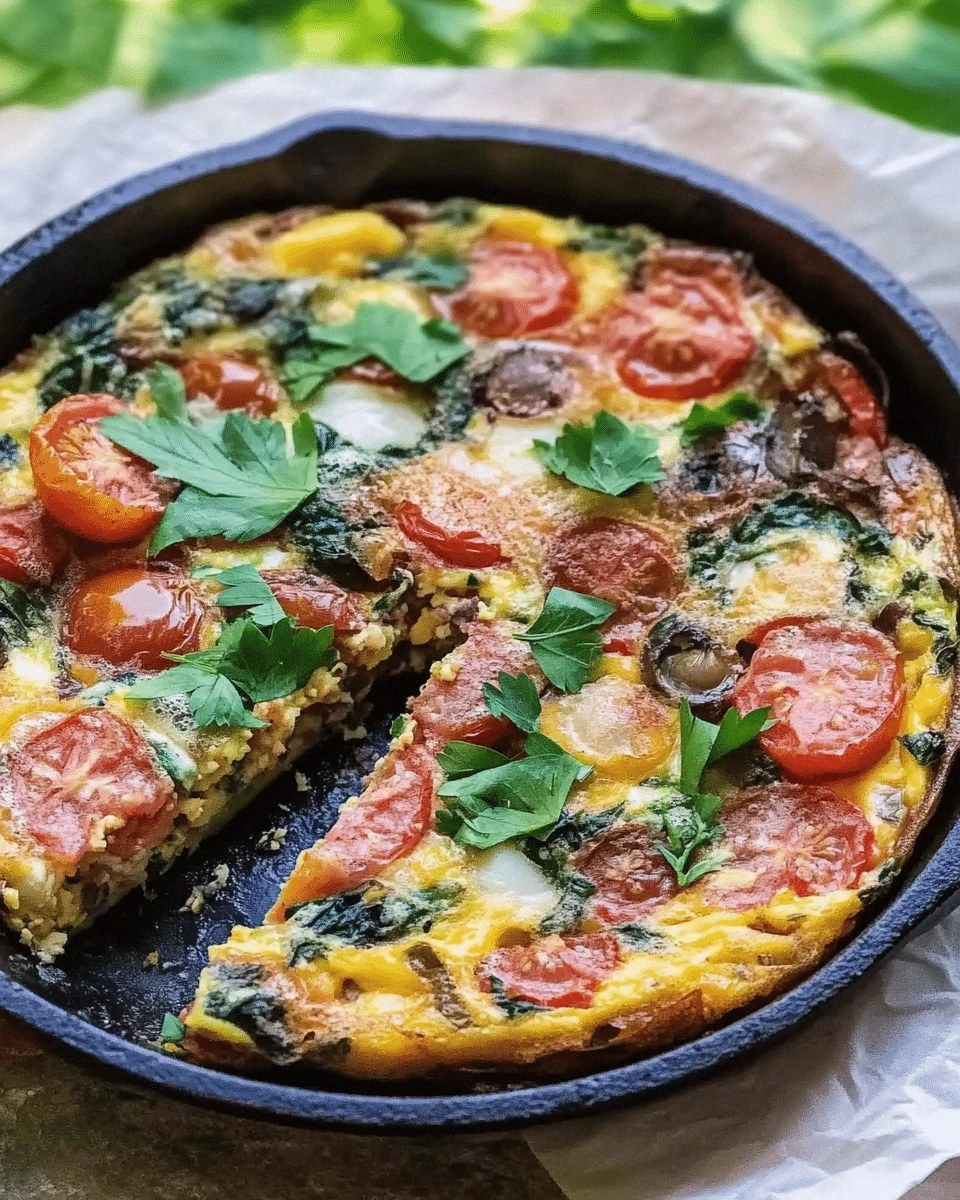
The Method — Step by Step
- Preheat the oven and prep the pan. Set the oven to 375°F (190°C) and lightly grease a 9‑inch cast‑iron skillet or oven‑safe pan with olive oil. The pan should be hot enough that the oil shimmers but not smoking. This initial step ensures a beautiful crust that crisps up just right. If the pan is too cold, the eggs will spread too thin and the edges won’t set.
- Saute the aromatics. In the preheated pan, add 2 tablespoons of olive oil and sauté 1 diced small onion until translucent, about 3 minutes. Add 2 minced garlic cloves and cook for an additional 30 seconds until fragrant. The garlic should not brown; it should just release its aroma. This creates a flavorful base that the eggs will absorb.
- Add the tomatoes. Toss in 2 medium tomatoes, roughly chopped, and a pinch of salt. Cook for 4–5 minutes until the tomatoes start to soften and release their juices. The mixture should smell like summer—sweet, bright, and utterly inviting. If the tomatoes release too much liquid, let them cook a bit longer to reduce it.
- Whisk the eggs. In a large bowl, crack 6 eggs and whisk vigorously until the whites and yolks are fully blended. Add 1 cup of shredded mozzarella or a blend of Parmesan and feta, 1/4 cup chopped basil, 1/4 cup chopped parsley, 1/2 tsp black pepper, 1/4 tsp red pepper flakes, and 1 tbsp fresh lemon zest. Stir until everything is evenly incorporated. The mixture should feel light and airy.
- Combine. Pour the egg mixture into the pan, ensuring it spreads evenly. Let it sit undisturbed for 2 minutes; the edges will start to set while the center remains runny. This is the moment of truth—watch the edges lift and the surface begin to look like a soft, golden crust.
- Bake to perfection. Transfer the skillet to the preheated oven and bake for 15–18 minutes. The frittata should be set in the center, with a slight wobble that disappears when you gently shake the pan. The top should be lightly browned and the edges should be golden brown. The aroma will be intoxicating—like a fresh garden in the heat of the oven.
- Rest and serve. Remove the skillet from the oven and let the frittata rest for 5 minutes. This resting period allows the eggs to finish setting and the flavors to meld. Slice into wedges, drizzle with a splash of good olive oil, and sprinkle additional fresh herbs or grated Parmesan if desired. Serve immediately while hot; the texture will be at its best.
That’s it— you did it. But hold on, I’ve got a few more tricks that will take this to another level…
Insider Tricks for Flawless Results
The Temperature Rule Nobody Follows
Many people think a frittata needs a high oven temperature to set quickly, but that often leads to over‑cooked edges and a rubbery center. Instead, keep the oven at a moderate 375°F (190°C). This slow, steady heat allows the eggs to cook evenly and keeps the interior moist. If you’re using a cast‑iron skillet, preheat it for a few minutes before adding the oil to ensure a consistent temperature.
Why Your Nose Knows Best
The smell of the frittata as it bakes is a reliable indicator of doneness. When the eggs start to set, the aroma will shift from raw egg to a warm, savory scent. A slight hint of caramelized onion and garlic will mingle with the tomato’s sweetness. Trust your nose; it will tell you when the crust is golden and the interior is perfectly set.
The 5-Minute Rest That Changes Everything
Resting the frittata for 5 minutes after baking is not just a courtesy—it’s essential. This pause allows the residual heat to finish cooking the center, preventing a runny middle. It also lets the flavors meld, giving the dish a cohesive taste. Skipping this step will result in a less cohesive texture and a slightly under‑cooked center.
Avoiding Over‑Seasoning
Seasoning the eggs before baking is crucial, but be cautious not to add too much salt early on. Salt draws moisture from the eggs, which can make the frittata watery. Add a pinch of salt to the egg mixture, then taste the sautéed tomatoes and adjust after baking if needed. This balanced approach ensures a savory, not salty, finished product.
Cheese Matters
Choosing the right cheese can elevate the dish from good to unforgettable. Mozzarella provides a subtle melt, while Parmesan adds sharpness and a nutty depth. For a creamy texture, mix in a few spoonfuls of ricotta. Avoid using low‑fat cheeses; they lack the richness that makes the frittata feel indulgent.
Serving Temperature
Serve the frittata immediately after slicing. If you need to hold it for a short while, cover it loosely with foil to retain heat. However, if you’re planning to serve it later, reheat it in a low oven (300°F) for 10 minutes to revive its warmth without drying it out. This ensures each bite remains moist and flavorful.
Creative Twists and Variations
This recipe is a playground. Here are some of my favorite ways to switch things up:
Mushroom Medley
Sauté sliced cremini or shiitake mushrooms with the onions for a meaty, earthy flavor. The mushrooms absorb the tomato juices and add a satisfying chew. Pair it with a sprinkle of thyme for a forest‑inspired twist.
Mediterranean Delight
Add chopped Kalamata olives, sun‑dried tomatoes, and crumbled feta to the egg mixture. The olives bring briny depth, while the feta adds a tangy bite that complements the tomatoes. Serve with a drizzle of extra‑virgin olive oil.
Spinach & Ricotta Cloud
Fold in a cup of fresh spinach and a few spoonfuls of ricotta. The spinach wilts into the eggs, adding a subtle green hue, while the ricotta gives a light, airy texture. Top with a sprinkle of nutmeg for a warm, comforting finish.
Spicy Jalapeño Kick
Dice a small jalapeño (remove seeds for less heat) and add it to the onions. The jalapeño will infuse the frittata with a gentle heat that balances the sweetness of the tomatoes. Finish with a handful of cilantro for a fresh finish.
Herb‑Infused Yogurt Glaze
Whisk Greek yogurt with chopped dill, parsley, and a squeeze of lemon. Drizzle this over the hot frittata before serving. The yogurt adds a creamy tang that cuts through the richness, making it a lighter yet still indulgent option.
Cheesy Broccoli Surprise
Add a cup of steamed broccoli florets to the egg mixture. The broccoli’s crunch contrasts with the soft eggs, and its mild flavor pairs well with the tomatoes. Sprinkle extra Parmesan on top for a crispy, cheesy finish.
Storing and Bringing It Back to Life
Fridge Storage
Cool the frittata to room temperature, then wrap it tightly with plastic wrap or store in an airtight container. It will keep well for up to 48 hours in the refrigerator. When you’re ready to eat, let it sit at room temperature for 10–15 minutes before slicing.
Freezer Friendly
Wrap individual slices in parchment paper and place them in a freezer bag. Freeze for up to 3 months. Thaw overnight in the refrigerator before reheating. The texture remains pleasantly firm, and the flavors stay intact.
Best Reheating Method
To reheat, preheat the oven to 350°F (175°C) and place the frittata slices on a baking sheet. Add a tiny splash of water to the pan to create steam, then cover loosely with foil. Bake for 10–12 minutes until heated through. This method preserves moisture and prevents the eggs from drying out.