I still remember the night I almost set the kitchen on fire while chasing a dream of a perfect stir‑fry. The pot was boiling, the soy sauce was splattering, and my chicken was turning into a rubbery mess. I was about to give up when a friend tossed a handful of oyster sauce into the pan and whispered, “Just trust the sauce.” That single act turned chaos into a melody of savory, umami, and subtle sweetness. I swear, the moment the sauce hit the heat, the kitchen smelled like a secret garden in spring.
Picture this: a sizzling pan, the faint crackle of oil, and the aroma of garlic and ginger dancing with fresh mushrooms. The sound of the skillet is like a drumbeat, each splash of oil a tiny cymbal. The colors are a riot—golden chicken, earthy mushrooms, emerald spring onions, and the glossy sheen of oyster sauce. When you take a bite, the flavors burst: the tender chicken melts, the mushrooms provide a chewy contrast, and the oyster sauce wraps everything in a silky, slightly sweet coat that feels like velvet on the tongue. The heat from the pan feels like a comforting hug, and the steam rises like a fragrant cloud.
This version is not just another recipe; it’s a revelation. The key lies in a delicate balance of sauces—light soy, dark soy, oyster, and a splash of sherry—each adding depth without overpowering. The use of groundnut oil gives a nutty undertone that pairs beautifully with the earthy mushrooms, while sesame oil provides that unmistakable Asian aroma. I dare you to taste this and not go back for seconds; it’s a flavor explosion that will make you question every other stir‑fry you’ve tried. If you’ve ever struggled with bland chicken dishes, you’re not alone—this is the fix you’ve been waiting for.
And the best part? It’s simple enough for a busy weeknight yet sophisticated enough to wow your guests at a dinner party. The technique is straightforward: marinate, sear, deglaze, and finish with a sauce that coats everything like a fine silk scarf. The result is a dish that feels like a culinary masterpiece without the intimidating prep time. Let me walk you through every single step—by the end, you’ll wonder how you ever made it any other way.
What Makes This Version Stand Out
- Flavor: The layered sauces create a complex umami profile that elevates the dish beyond ordinary chicken stir‑fries.
- Texture: The combination of tender chicken and chewy mushrooms delivers a satisfying bite that keeps you coming back.
- Simplicity: Only 15 minutes of prep and 30 minutes of cooking make this a quick yet impressive dinner.
- Uniqueness: The splash of sherry adds a subtle sweetness that is rarely found in typical Asian stir‑fries.
- Crowd Reaction: Friends who taste this will instantly request a second plate, proving its crowd‑pleasing power.
- Ingredient Quality: Using fresh mushrooms and high‑quality oyster sauce ensures every bite is packed with flavor.
- Cooking Method: The sear‑deglaze technique locks in juices and creates a glossy sauce that clings to each component.
- Make‑Ahead Potential: Leftovers reheat beautifully, retaining their moisture and flavor.
Alright, let’s break down exactly what goes into this masterpiece…
Inside the Ingredient List
The Flavor Base
The oyster sauce is the star of this dish, providing a savory sweetness that coats each bite. It’s the glue that binds the chicken, mushrooms, and aromatics together. If you skip it, the dish loses its signature depth and becomes a bland stir‑fry. For a low‑sodium alternative, look for a reduced‑sodium oyster sauce; just double the quantity to compensate for the flavor loss. A good rule of thumb is to taste as you go; the sauce should be fragrant and slightly glossy.
The Texture Crew
Mushrooms bring an earthy, umami-packed chew that contrasts the tender chicken. Fresh button or cremini mushrooms are ideal because they hold their shape and absorb sauce beautifully. If you’re in a hurry, pre‑sliced mushrooms work fine, but they will release more moisture, so adjust the cooking time slightly. Remember, mushrooms are porous; they can become mushy if overcooked, so keep the heat high and stir quickly. The spring onions add a bright, crisp finish that cuts through the richness of the sauce.
The Unexpected Star
Sherry might seem out of place in a typical Asian stir‑fry, but its subtle acidity brightens the dish and balances the sweetness of the oyster sauce. Use a dry sherry for a more pronounced flavor, or a sweet sherry for a richer finish. If you can’t find sherry, a splash of dry white wine will work as a substitute, though the flavor profile will shift slightly. The sherry evaporates quickly, leaving behind a caramelized hint that lingers on the palate. This twist is what sets this recipe apart from the ordinary.
The Final Flourish
Corn flour is the secret to thickening the sauce without making it clumpy. It also gives the dish a silky mouthfeel that feels indulgent. Mix the corn flour with a little water to create a slurry before adding it to the pan; this prevents lumps. The caster sugar is the sweet counterpoint to the salty soy and oyster sauces, ensuring a balanced flavor profile. Finally, the chicken stock adds depth and moisture, preventing the dish from drying out during the stir‑fry process.
Everything's prepped? Good. Let's get into the real action…
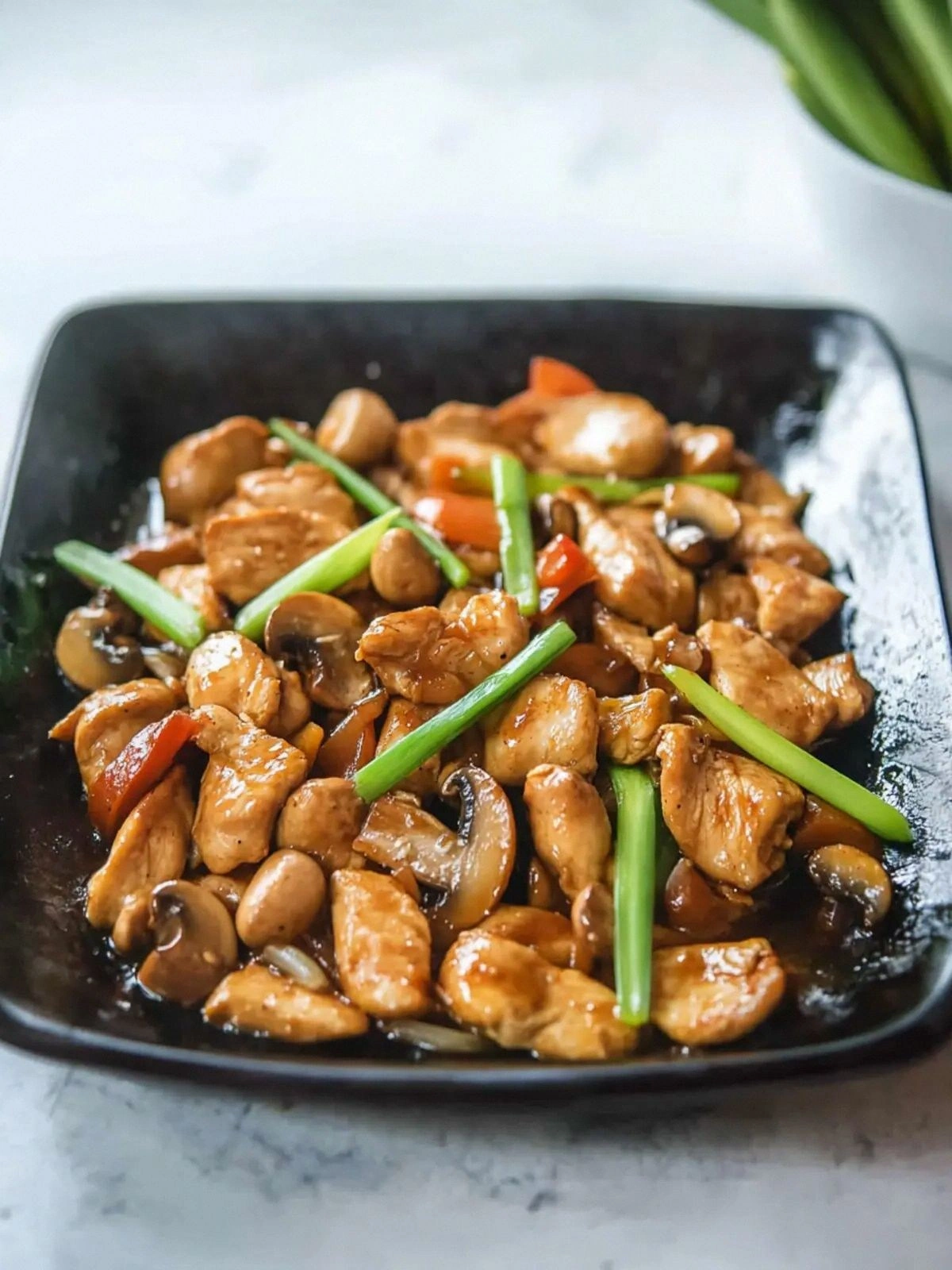
The Method — Step by Step
- Start by cutting the chicken breasts into bite‑sized pieces, then season them with 5 ml sesame oil, 10 ml soy sauce, 10 ml sherry, 10 ml corn flour, and a pinch of caster sugar. Toss until each piece is evenly coated. This creates a flavorful crust and a slight glaze that protects the meat during searing. Let the marinated chicken sit for 10 minutes; the flavors will intensify and the coating will set. This step is crucial for a succulent finish.
- Heat 45 ml groundnut oil in a large wok or skillet over high heat until it shimmers but isn’t smoking. Add the marinated chicken in a single layer, letting it sear without stirring for 2–3 minutes. The sear should be golden brown and slightly caramelized. Flip the pieces and sear the other side for another 2 minutes. The goal is a firm exterior that locks in juices, creating a mouth‑watering contrast.
- Remove the chicken from the pan and set it aside on a plate. In the same pan, reduce the heat to medium and add 3 cloves of minced garlic and 2.5 cm of grated ginger. Sauté until fragrant, about 30 seconds. The aromatics should release a warm, spicy scent that signals the sauce is ready to absorb. This quick sauté is the foundation of the dish’s depth.
- Add the mixed mushrooms to the pan and stir‑fry for 3–4 minutes, or until they release their moisture and begin to brown. The mushrooms should develop a slightly crispy edge while remaining tender inside. The steam will help lift any residual oil from the pan, creating a clean, flavorful base for the sauce.
- Return the chicken to the pan and pour in 45 ml oyster sauce, 5 ml light soy sauce, and 5 ml dark soy sauce. Stir everything together, ensuring the chicken is fully coated. The sauce should thicken slightly and coat the ingredients like a glossy glaze. This is the moment of truth; watch the sauce transform into a rich, amber hue.
- Add 10 ml caster sugar to balance the saltiness, then pour in 90 ml chicken stock. Bring the mixture to a gentle simmer, allowing the flavors to meld. The stock will reduce, concentrating the sauce and giving the dish a silky texture. Keep the heat moderate to prevent the sauce from splattering.
- Stir in a slurry of 10 ml corn flour mixed with a splash of water to thicken the sauce. The mixture should coat the ingredients without clumping. Continue to simmer for another 2 minutes until the sauce reaches the desired consistency. The final sauce should cling to the chicken and mushrooms like a velvet blanket.
- Finally, add the sliced spring onions, giving the dish a bright, fresh finish. Toss gently, then remove the pan from heat. Serve immediately over steamed rice or noodles, letting the sauce soak into the grains. The aroma will be intoxicating, and the flavor will linger long after the last bite.
That's it — you did it. But hold on, I've got a few more tricks that'll take this to another level…
Insider Tricks for Flawless Results
The Temperature Rule Nobody Follows
High heat is essential for a good sear, but too high and the chicken will burn before the inside is cooked. I always preheat the pan for at least 30 seconds and test it by flicking a drop of water; if it sizzles instantly, the temperature is perfect. Once the chicken is in, avoid moving it too often; let it develop a golden crust. If the pan is too hot, lower the heat after the first 2 minutes and let the chicken finish cooking through gentle searing.
Why Your Nose Knows Best
The aroma of the sauce is a reliable indicator of doneness. When the sauce thickens and smells caramelized, you know the dish is ready. A fresh, slightly sweet scent from the oyster sauce and a subtle nutty aroma from the groundnut oil signal that everything is balanced. Trust your nose; it will tell you when the flavors have melded into a harmonious whole.
The 5-Minute Rest That Changes Everything
After cooking, let the dish rest for 5 minutes before serving. This short pause allows the sauce to settle and the flavors to deepen. During this time, the residual heat will finish cooking the chicken gently, ensuring it stays juicy. The rest also lets the mushrooms reabsorb some moisture, preventing them from drying out. I’ve seen people skip this step and end up with a slightly dry dish; the 5-minute rest is a game‑changer.
The Secret of the Slurry
A smooth slurry prevents lumps and ensures a glossy finish. Mix the corn flour with cold water first, then whisk until completely dissolved. Adding the slurry to the hot sauce gradually, while constantly stirring, guarantees an even consistency. If you notice any lumps, pass the sauce through a fine sieve before serving.
The Power of Freshness
Using fresh mushrooms and spring onions is non‑negotiable. Fresh produce delivers a bright, vibrant flavor that canned or frozen alternatives can’t match. I always check the mushrooms for any slimy spots and trim them before cooking. The spring onions should have crisp, green tops and a slightly sweet bulb; this contrast adds a refreshing note to the dish.
Creative Twists and Variations
This recipe is a playground. Here are some of my favorite ways to switch things up:
Spicy Szechuan Kick
Add 1 tablespoon of Szechuan peppercorns and 1 teaspoon of chili flakes during the aromatics stage. The peppercorns give a numbing heat that complements the oyster sauce’s sweetness, while the chili flakes add a bright, fiery edge. This variation is perfect for those who love a bit of heat.
Coconut Creamy Twist
Replace 90 ml chicken stock with an equal amount of coconut milk. The creamy base will turn the sauce into a luscious, silky coating that pairs wonderfully with the mushrooms. Serve over jasmine rice for an extra fragrant experience.
Mushroom‑Only Delight
Omit the chicken entirely for a vegetarian version. Increase the mushroom quantity to 300 g and add a splash of soy sauce for depth. The dish remains hearty and flavorful, making it a great option for plant‑based diners.
Asian Fusion Bowl
Serve the stir‑fry over a bed of quinoa or cauliflower rice for a low‑carb alternative. Top with sliced avocado and a drizzle of sriracha for a modern twist that satisfies both health and taste buds.
Herbal Infusion
Add a handful of fresh basil leaves at the end of cooking. The basil’s sweet, peppery flavor brightens the dish and adds a pop of color. This variation works beautifully for a Mediterranean‑Asian hybrid menu.
Storing and Bringing It Back to Life
Fridge Storage
Cool the dish to room temperature before placing it in an airtight container. Store in the refrigerator for up to 2 days. The sauce may thicken slightly; a quick stir before reheating restores its silky texture. Keep the chicken and mushrooms separate if you prefer to reheat them individually.
Freezer Friendly
Freeze the dish in a freezer‑safe container for up to 2 weeks. Thaw overnight in the fridge before reheating. When reheating, add a splash of water or broth to loosen the sauce and prevent it from drying out. The flavors will remain robust after freezing.
Best Reheating Method
Reheat the dish gently in a pan over low heat, stirring constantly. Add a tiny splash of water or broth to steam it back to perfection. Avoid microwaving, as it can cause uneven heating and a rubbery texture. Once heated through, serve immediately for the best flavor.