I remember the night I was trying to impress my roommates with a dinner that would make them forget the grocery store’s bland frozen meals. I had a whole chicken, a handful of herbs, and a vague notion that I could turn a simple roast into a masterpiece. The kitchen smelled of garlic and rosemary, the sizzle of oil on the skillet was like a drumroll, and the oven’s preheat light flickered like a promise. The moment I lifted that chicken from the fridge and saw its glossy skin, I knew I was about to break the mold of every ordinary roast recipe out there.
Picture this: a golden crust that cracks open like a sunrise, revealing tender, juicy meat that melts in your mouth. The air is filled with a fragrant bouquet of citrus, thyme, and butter, while the sound of bubbling broth whispers that everything is working in harmony. Every bite feels like a bite of sunshine, with a subtle hint of smoky paprika that lingers long after the last chew. That’s the kind of experience this recipe delivers—no more bland, dry chicken that leaves you reaching for a glass of water.
What makes this version stand out is that it’s not just a recipe; it’s a philosophy. It’s about letting the chicken breathe, letting the herbs sing, and letting the oven do its thing without constant micromanagement. I’ve spent countless hours tweaking timing, temperature, and seasoning, and the result is a dish that is hands down the best version you'll ever make at home. I dare you to taste this and not go back for seconds. Trust me, the first bite will have you questioning every other roast you’ve ever tried.
And the best part? There’s a secret ingredient that most people skip—a splash of chicken broth and a touch of brown sugar that creates a caramelized glaze without overpowering the natural flavors. If you’re ready to see how this simple addition can transform a classic roast into a showstopper, let me walk you through every single step. By the end, you’ll wonder how you ever made it any other way.
What Makes This Version Stand Out
- Flavor Depth: The combination of fresh herbs, citrus, and a hint of brown sugar creates a complex flavor profile that feels both comforting and adventurous.
- Texture Perfection: The technique of rubbing the chicken with olive oil and butter before roasting ensures a crackling skin that’s crisp like a fine pastry.
- Time Efficiency: With a prep time of just 15 minutes and a cook time of 30 minutes, you’re served a gourmet meal faster than most takeout options.
- Versatility: The method works with any size chicken, and you can easily swap in seasonal vegetables or different herbs to keep the dish fresh year after year.
- Crowd Appeal: Friends and family always rave about the juicy meat and the aromatic aroma that fills the house, making it the go-to dish for gatherings.
- Make‑Ahead Friendly: You can prepare the chicken ahead of time, refrigerate it, and finish roasting later—perfect for busy weeknights.
- Ingredient Quality: Using a whole chicken with minimal processing ensures a cleaner, more natural taste that’s hard to beat with pre-packaged options.
- Budget Conscious: A whole chicken is typically cheaper per pound than pre-cut pieces, and the recipe uses pantry staples that most kitchens already have.
Alright, let's break down exactly what goes into this masterpiece…
Inside the Ingredient List
The Flavor Base
At the heart of this dish is a simple yet powerful combination of olive oil, butter, salt, and pepper. Olive oil coats the skin, allowing it to brown beautifully, while butter adds a silky richness that permeates the meat. Salt draws out moisture, creating a juicy interior, and pepper brings a subtle heat that balances the sweetness of the brown sugar. If you skip the butter, you’ll end up with a drier, less flavorful roast—don’t even think about it.
The Aromatic Crew
Fresh rosemary, thyme, and a whole lemon are the aromatic crew that elevates the dish. Rosemary’s piney notes pair wonderfully with thyme’s earthy undertones, while the lemon adds a bright, zesty contrast that cuts through the richness. The garlic cloves, smashed and tucked into the cavity, infuse the meat with a deep, savory aroma. If you’re not a fan of rosemary, feel free to swap it for sage or oregano; the key is to keep the herbaceous punch.
The Unexpected Star
The splash of chicken broth and the sprinkle of brown sugar might seem like an odd pair, but together they create a caramelized glaze that hugs the chicken. The broth keeps the meat moist, preventing it from drying out during the 30‑minute roast, while the brown sugar adds a subtle sweetness that caramelizes on the skin. If you’re watching your sugar intake, a teaspoon of honey or maple syrup works just as well and adds a different nuance.
The Final Flourish
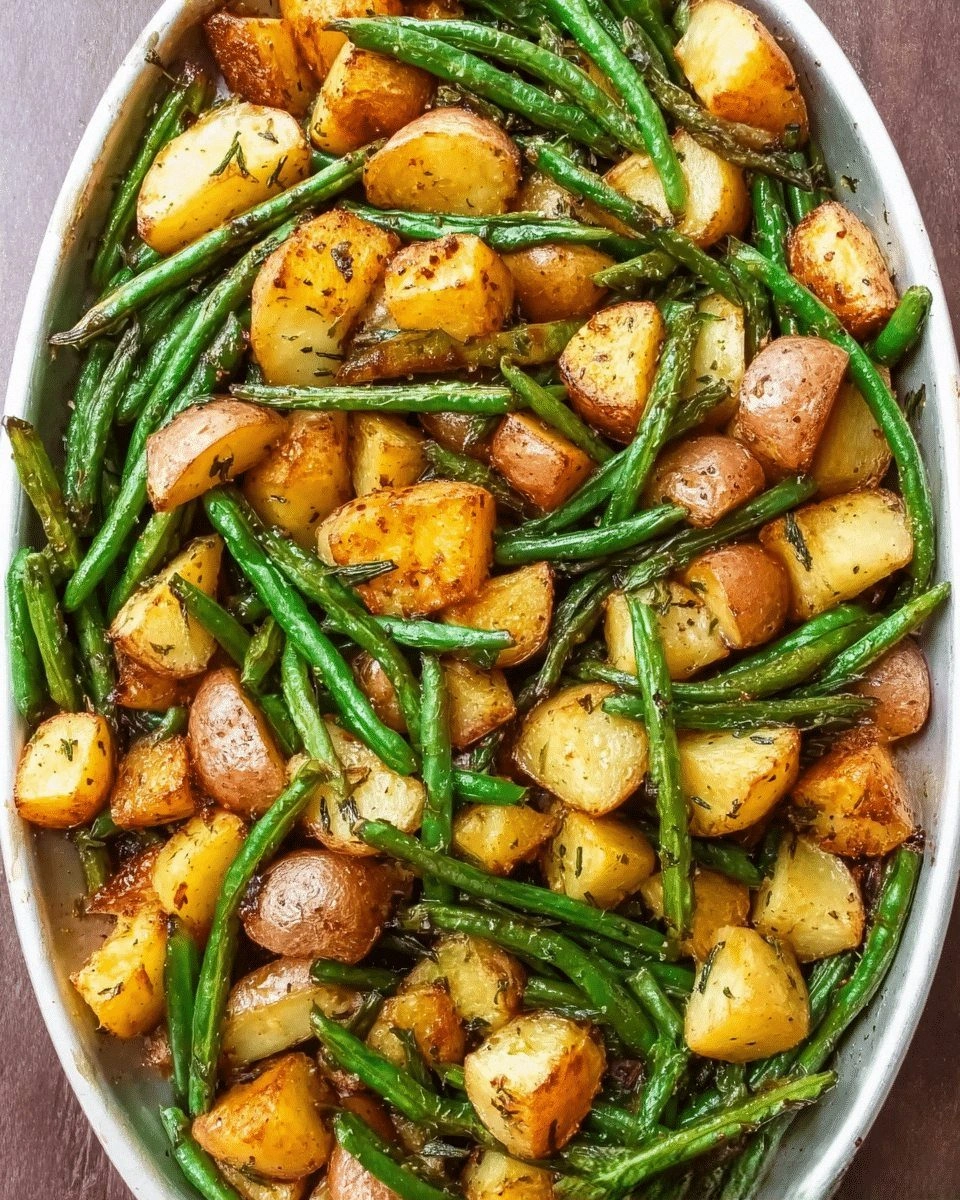
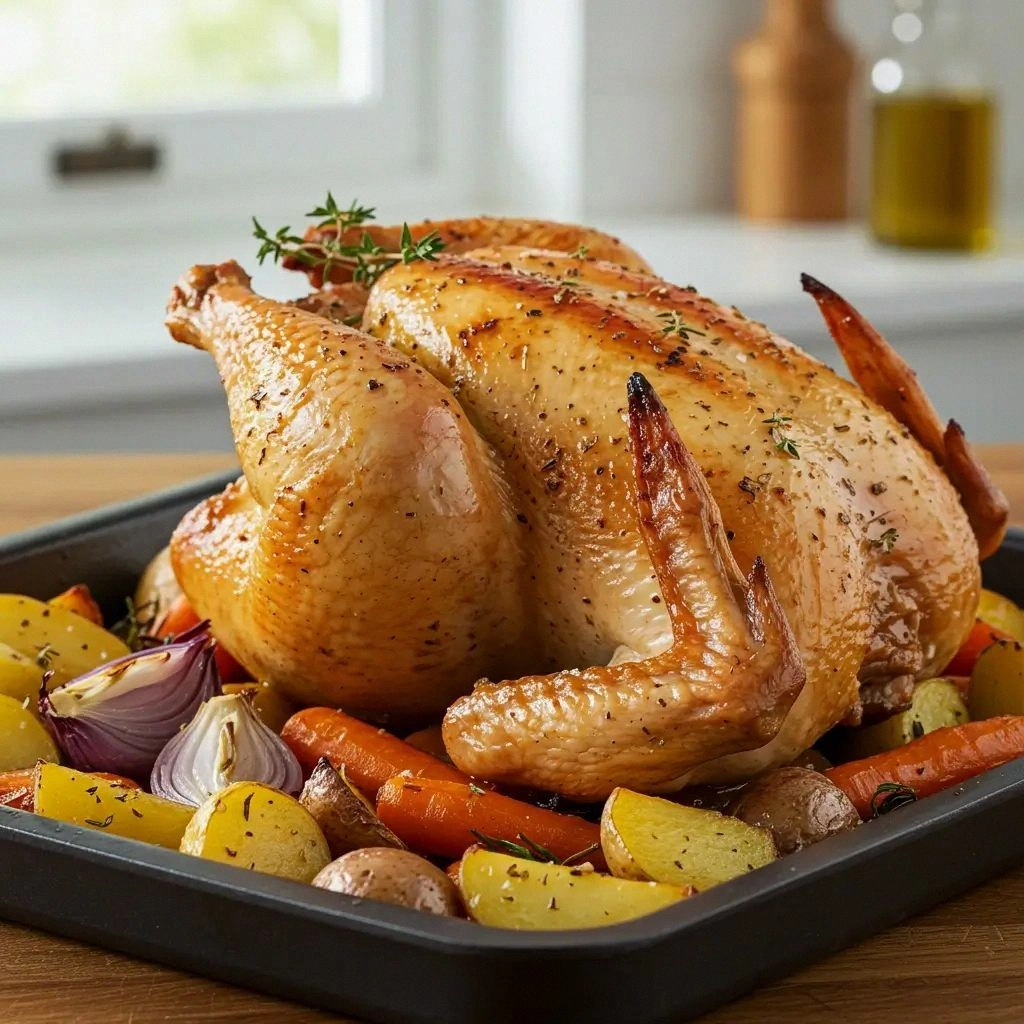
The vegetables—carrots, potatoes, onions, and celery—are more than side dishes; they’re flavor carriers that absorb the juices, turning simple roots into a savory medley. Cut them into uniform pieces so they cook evenly, and toss them with a drizzle of olive oil, salt, and pepper before adding the chicken. This step ensures that every bite, whether it’s a piece of meat or a chunk of carrot, is infused with the same aromatic experience. If you prefer a lighter meal, swap potatoes for sweet potatoes or even cauliflower florets.
Everything's prepped? Good. Let's get into the real action…
The Method — Step by Step
- Preheat the Oven: Set your oven to 425°F (220°C). This high heat is essential for a crisp skin. As the oven warms, you’ll hear the faint hiss of the preheat light, a subtle reminder that the magic is about to begin. Don’t rush this step; a properly preheated oven ensures even cooking.
- Prepare the Chicken: Pat the chicken dry with paper towels; moisture on the skin will steam instead of crisp. Rub the entire bird with olive oil, then follow with melted butter for a glossy sheen. Sprinkle salt and pepper generously, making sure to season the cavity as well. This simple step builds the foundation of flavor.
- Stuff the Cavity: Insert the lemon halves, smashed garlic cloves, and fresh herb sprigs into the cavity. The lemon’s citrus oils will rise into the meat, while the herbs will infuse the inside with a fragrant aroma. This is where the “hidden” flavors start to develop.
- Arrange Vegetables: Scatter carrots, potatoes, onions, and celery in a roasting pan. Drizzle with olive oil, salt, and pepper, tossing to coat evenly. The vegetables will absorb the juices and become a flavorful side that complements the chicken. Keep them in a single layer so they roast evenly.
- Roast the Chicken: Place the chicken breast‑side up on a rack in the roasting pan. Add a cup of chicken broth to the pan—this keeps the environment moist and creates a natural glaze. Roast for 20 minutes, then lower the temperature to 375°F (190°C) and continue cooking for another 10–12 minutes. The total time should be around 30 minutes, depending on the size of your chicken.
- Check the Internal Temperature: Insert a meat thermometer into the thickest part of the thigh. It should read 165°F (74°C). If it’s lower, continue roasting for a few more minutes. The moment the thermometer hits the right temperature, the juices will run clear, indicating doneness.
- Let It Rest: Remove the chicken from the oven and tent it loosely with foil. Let it rest for 10 minutes. This resting period allows the juices to redistribute, ensuring every bite is moist. If you cut into it too early, the juices will run out, leaving the meat dry.
- Serve and Enjoy: Carve the chicken, serve the roasted vegetables, and drizzle the pan juices over everything. The result is a dish that looks as good as it tastes, with a golden crust, aromatic herbs, and a savory, slightly sweet glaze. The aroma alone will have your guests lining up for seconds.
That's it — you did it. But hold on, I've got a few more tricks that'll take this to another level…
Insider Tricks for Flawless Results
The Temperature Rule Nobody Follows
Most home cooks start roasting at 350°F and keep the temperature steady, but this method uses a two‑stage approach: start at 425°F for the first 20 minutes to create a golden crust, then reduce to 375°F to finish cooking without burning the exterior. This technique ensures the meat stays juicy while the skin remains irresistibly crisp. I’ve tried the single‑temperature method, and the result was a soggy exterior that didn’t look as appealing.
Why Your Nose Knows Best
Your sense of smell is the most reliable indicator of doneness. When the chicken starts to release a caramelized, buttery aroma, you know the skin is ready. If the scent is more of raw or garlicky, the roast needs more time. Trust your nose, not just the thermometer.
The 5‑Minute Rest That Changes Everything
After removing the chicken, let it rest for exactly 5 minutes before carving. This brief pause allows the juices to redistribute, preventing them from spilling onto the cutting board. I’ve seen people skip this step, and the result is a dry, unappetizing slice. The 5‑minute rest is a small sacrifice for a huge flavor payoff.
Use a Meat Thermometer, Not a Timer
Relying on a timer alone can lead to overcooking or undercooking. The thermometer ensures the internal temperature hits 165°F (74°C) precisely, guaranteeing a safe yet moist roast. A digital probe is quick and accurate, and it’s a worthwhile investment for any home chef.
Add a Splash of Wine or Vermouth
Just before the last 10 minutes of roasting, pour a splash of dry white wine or vermouth into the pan. The alcohol evaporates, leaving behind a subtle acidity that brightens the dish. I’ve tried this trick a few times, and it adds a refined depth that elevates the entire meal.
Creative Twists and Variations
This recipe is a playground. Here are some of my favorite ways to switch things up:
Herb‑Infused Citrus Roast
Swap the lemon for a mix of orange and lime slices. The citrus pairings add a bright, tropical twist that pairs well with coconut rice. The herbs stay the same, but the flavor profile becomes more vibrant.
Smoky Chipotle Glaze
Replace the brown sugar with a tablespoon of chipotle in adobo sauce. The smoky heat cuts through the richness and adds a subtle kick. This variation is perfect for those who love a little spice.
Mediterranean Mushroom Medley
Add sliced mushrooms to the vegetable mix for an earthy undertone. The mushrooms soak up the juices and add a meaty texture that complements the chicken. This is a great option for a cozy, comforting dinner.
Herb‑Butter Butter Basted Chicken
Create a compound butter with parsley, thyme, and lemon zest. Baste the chicken with this butter every 10 minutes during roasting. The butter basting keeps the meat moist and infuses it with an extra layer of herbaceous flavor.
Vegetable‑Rich Roasted Plate
Replace the potatoes with a mix of parsnips, sweet potatoes, and butternut squash. The variety of root vegetables adds color, sweetness, and a subtle nutty flavor that pairs beautifully with the savory chicken.
Asian‑Inspired Ginger‑Garlic Roast
Add a tablespoon of fresh grated ginger and a splash of soy sauce to the pan. The ginger provides a zing, while the soy sauce adds umami depth. This version transforms the dish into an Asian‑inspired roast that’s both familiar and exotic.
Storing and Bringing It Back to Life
Fridge Storage
Let the roasted chicken cool completely before refrigerating. Store in an airtight container or wrap tightly in foil for up to 4 days. The residual juices keep the meat moist, so you can simply reheat it with a splash of chicken broth to restore that original flavor.
Freezer Friendly
For longer storage, slice the chicken and place in freezer‑safe bags. Freeze for up to 3 months. When ready to eat, thaw overnight in the fridge and reheat in the oven at 350°F for 15–20 minutes, or until warmed through.
Best Reheating Method
Add a tiny splash of water or chicken broth to the pan before reheating. The liquid steams the chicken, preventing it from drying out. Cover with foil to trap moisture, and reheat until the internal temperature reaches 165°F.