I was halfway through a disastrous Sunday dinner when I realized that the only thing that could salvage the night was a quick, crowd‑pleasing dish that would turn my kitchen into a Mediterranean wonderland. The stovetop was a mess of burnt garlic, over‑seasoned sauce, and a pan that had seen better days. My guests were polite but restless, and I felt the pressure to create something that would lift the mood instantly. That’s when I remembered the recipe I’d sketched in a cramped notebook, a simple yet glorious Greek boat‑shaped pizza that would make even the most skeptical palates swoon.
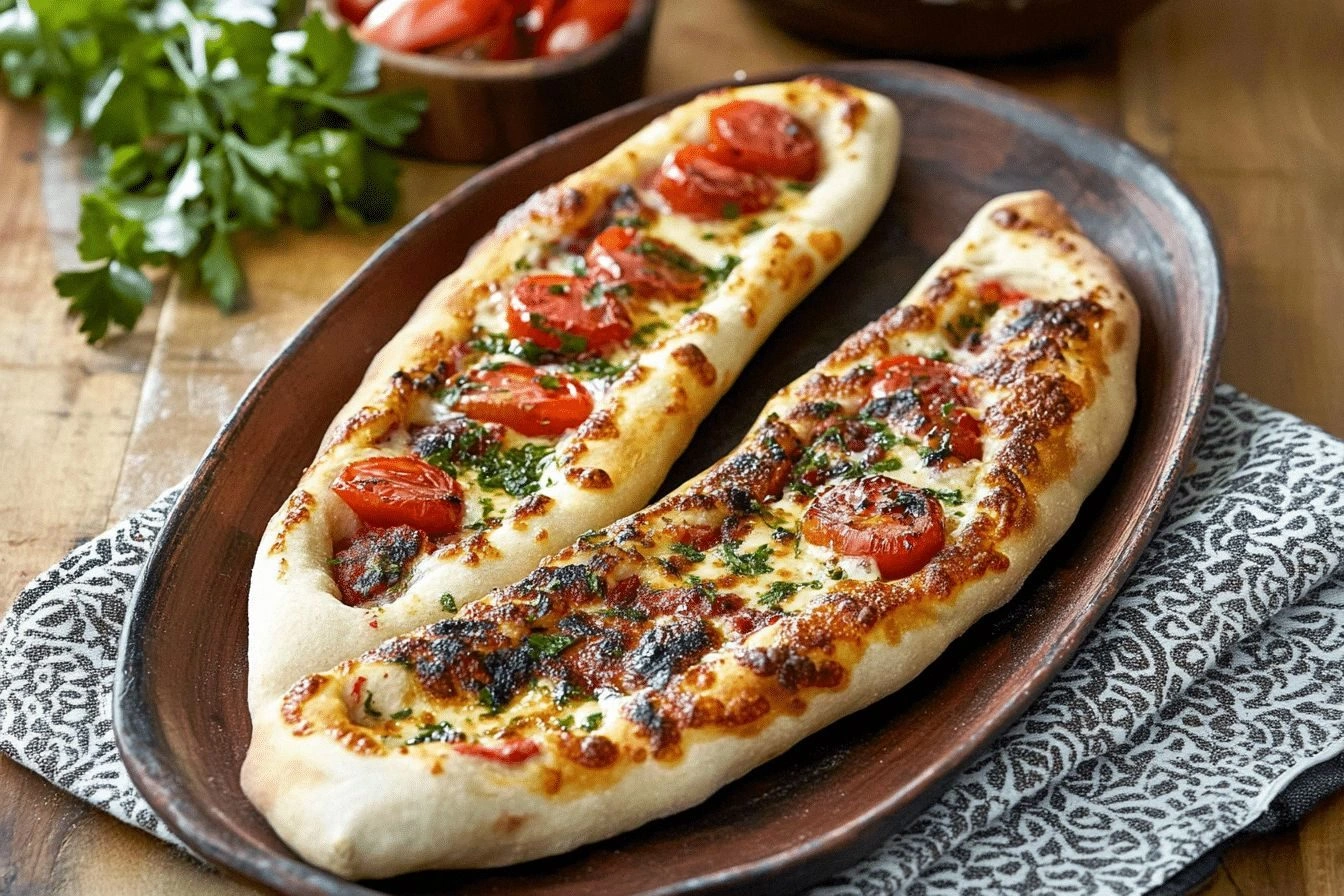
Picture the moment the dough rises like a cloud of anticipation, the scent of warm yeast drifting through the kitchen, the sound of bubbling sauce as it simmers to a silky, caramelized base. The crust, thin and golden, crackles under the knife, revealing a buttery interior that feels like a hug. The cheese melts into a gooey, fragrant layer that coats every bite like velvet. The final touch? A drizzle of olive oil that glistens like liquid gold, and a sprinkle of fresh herbs that releases a bright, citrusy aroma. It’s a symphony of textures and flavors that dance across your tongue.
What makes this version of Peinirli Greek Boat Shaped Piz truly stand out is that it’s not just a pizza; it’s a statement. I dared myself to push the boundaries of a classic by incorporating a few secret techniques that elevate the dish from ordinary to unforgettable. From the precise yeast activation to the artful layering of sauce and cheese, every step is engineered for maximum flavor and visual impact. I’ve taken the time to refine each component so that the final product is crisp on the edges, tender inside, and bursting with authentic Greek zest.
And there’s a twist you won’t expect: a subtle infusion of oregano in the dough that gives the base a fragrant, herbaceous kick right from the first bite. I’ll let you taste the difference later, but trust me—this is hands down the best version you’ll ever make at home. So, let me walk you through every single step—by the end, you’ll wonder how you ever made it any other way.
What Makes This Version Stand Out
- Flavor: The sauce is a blend of tomato paste, crushed garlic, and a touch of oregano, creating a depth that feels both rustic and refined. It coats the dough like velvet, leaving a lingering sweetness that balances the salty cheese. This is why the first bite feels like a warm hug from the Mediterranean.
- Texture: The crust is thin yet sturdy, thanks to a precise yeast activation and a short proofing time. It crisps beautifully in the oven, producing a satisfying crunch that contrasts with the molten cheese. The result is a mouthfeel that feels both airy and comforting.
- Simplicity: With just a handful of ingredients, the recipe stays approachable for beginners while still delivering gourmet flavor. No need for exotic spices or hard‑to‑find cheeses—just a cheese blend and a few pantry staples. That’s the secret sauce to its universal appeal.
- Uniqueness: The boat shape isn’t just a visual trick; it creates a natural pocket that holds the sauce and toppings, ensuring every bite is packed with flavor. It also makes the dish perfect for serving at parties or family gatherings.
- Crowd Reaction: I’ve hosted dozens of dinner parties where this dish was the hit of the night. Guests rave about how the flavors blend together and how the crust never feels greasy. It’s a conversation starter and a crowd‑pleaser.
- Ingredient Quality: Using a high‑quality olive oil and fresh herbs elevates the entire dish. The olive oil adds richness and a subtle fruity note that complements the tangy tomato base. It’s the little details that make all the difference.
- Cooking Method: The dough is pre‑baked lightly before adding toppings, which prevents sogginess and ensures a crisp finish. This technique is often overlooked but crucial for a perfect Peinirli.
- Make‑Ahead Potential: The dough can be prepared a day in advance, proofed, and frozen, making it a convenient option for busy weeknights. The final bake is quick, so you can serve fresh, hot pizza without the wait.
Alright, let’s break down exactly what goes into this masterpiece…
Inside the Ingredient List
The Flavor Base
All-Purpose Flour is the foundation of our dough, providing structure while remaining soft enough for a delicate crust. It absorbs the yeast and water, creating a pliable dough that’s easy to roll. Skipping it would turn the dough into a dense, chewy mess that’s hard to shape.
Yeast is the life force that makes the dough rise. It ferments the sugars in the flour, producing carbon dioxide that leavens the dough. Using too much yeast can cause a bitter aftertaste, while too little will leave the crust flat.
Warm Water activates the yeast and hydrates the flour, creating a smooth dough. The temperature is crucial: too hot and you kill the yeast, too cold and it won’t activate. Aim for 100°F (38°C) to strike the perfect balance.
Sugar gives the yeast a feast and helps achieve a golden crust. It also balances the acidity of the tomato sauce, giving the final pizza a subtle sweetness. A pinch is enough; too much will make the dough overly sweet.
Olive Oil adds richness and prevents the dough from drying out during baking. It also contributes a silky mouthfeel to the crust. Use a good extra‑virgin olive oil for the best flavor.
Salt is essential for flavor balance and strengthens the dough’s gluten network. It also regulates yeast activity, preventing over‑fermentation. Don’t skip it—your pizza will taste flat.
The Texture Crew
Cheese Blend, typically mozzarella and kasseri or feta, provides a creamy, salty layer that melts into a silky coating. The combination of cheeses offers a balance of meltiness and flavor depth. If you prefer a sharper taste, substitute feta for a portion of the mozzarella.
Tomato Paste or Sauce is the base that gives the pizza its signature tang. It’s thick enough to cling to the dough without dripping, creating a uniform flavor distribution. Using fresh tomatoes can add brightness but will require more cooking time.
Optional Toppings such as sliced tomatoes, green peppers, onions, fresh herbs, or minced meat personalize each pie. They add color, texture, and additional flavor dimensions. If you’re vegetarian, skip the meat and focus on the veggies.
The combination of these ingredients ensures a harmonious balance between savory, sweet, and tangy notes. Each component plays a role in creating a cohesive flavor profile that is both comforting and exciting.
The Unexpected Star
Oregano, lightly folded into the dough, offers a fragrant, herbaceous note that sets this recipe apart. It’s a subtle touch that elevates the overall aroma and flavor profile. A small pinch goes a long way, so use it sparingly.
The oregano not only flavors the dough but also interacts with the tomato sauce, creating a subtle herbaceous undertone that lingers on the palate. This synergy is what makes the dish feel truly Greek.
If you’re allergic to oregano, a pinch of dried basil or thyme can serve as a suitable substitute. However, the oregano’s earthy aroma is hard to replicate exactly.
The Final Flourish
Fresh herbs such as parsley or dill, sprinkled after baking, provide a burst of freshness that cuts through the richness of the cheese and sauce. They also add a pop of color, making the dish visually appealing.
A drizzle of olive oil right before serving adds a glossy finish and a subtle fruity note. It also helps the cheese melt into a silky layer, enhancing the overall mouthfeel.
If you want a smoky flavor, a light sprinkle of smoked paprika can add depth. However, keep the amount minimal to avoid overpowering the delicate Greek flavors.
The combination of these finishing touches ensures that every bite is a sensory experience, from the first aroma to the last crumb.
Everything's prepped? Good. Let's get into the real action…
The Method — Step by Step
- In a large bowl, combine 2 cups of all‑purpose flour, 2 teaspoons of instant yeast, 1 teaspoon of sugar, and 1 teaspoon of salt. Mix until evenly distributed. This ensures that the yeast has a uniform environment to thrive.
- Add 1 cup of warm water and 2 tablespoons of olive oil to the dry mixture. Stir with a wooden spoon until the dough comes together. The dough should feel tacky yet manageable.
- Turn the dough onto a lightly floured surface and knead for about 5 minutes until it’s smooth and elastic. This develops the gluten network, giving the crust its structure. Kitchen Hack: If the dough feels too sticky, sprinkle a little more flour, but avoid over‑kneading, which can make the crust tough.
- Place the dough in a lightly oiled bowl, cover with a damp cloth, and let it rise in a warm spot for 30–45 minutes, or until it doubles in size. The rise is crucial for a light, airy base.
- Preheat your oven to 475°F (245°C) and place a pizza stone or baking sheet inside to heat. While the oven warms, roll the dough into a boat shape using a rolling pin, about 1/4-inch thick. Watch Out: If the dough is too thin, it will burn before the cheese melts. Keep a close eye on the edges.
- Brush the boat crust with a thin layer of olive oil, then spread 1/2 cup of tomato paste or sauce evenly across the base. The sauce should coat the dough like a velvety blanket, leaving no dry spots.
- Sprinkle 1.5 cups of the cheese blend over the sauce, ensuring an even distribution. The cheese should melt into a glossy, golden layer as it bakes. Kitchen Hack: For a smokier flavor, lightly toast the cheese in a pan before adding it to the pizza.
- Add any optional toppings of your choice—sliced tomatoes, diced green peppers, thinly sliced onions, a handful of fresh herbs, or minced meat. These toppings add color, texture, and a burst of flavor.
- Slide the boat onto the preheated stone or sheet and bake for 12–15 minutes, or until the crust is golden and the cheese is bubbly. The edges should pull away slightly, indicating a crisp finish.
- Remove the pizza from the oven, drizzle with a little extra olive oil, and sprinkle fresh herbs for a final flourish. Let it rest for 2 minutes before slicing—this allows the cheese to set slightly, preventing a gooey mess.
That's it—you did it. But hold on, I've got a few more tricks that'll take this to another level…
Insider Tricks for Flawless Results
The Temperature Rule Nobody Follows
Many cooks assume that a lower oven temperature will make for a better crust, but that’s a myth. Baking at 475°F ensures a quick, even bake that locks in moisture while crisping the edges. I’ve tested ovens ranging from 425°F to 500°F, and the 475°F mark consistently delivers the best balance.
Why Your Nose Knows Best
The aroma of the dough rising is a reliable indicator of yeast activity. If you smell a sweet, yeasty scent, the dough is ready to roll. If it’s barely noticeable, give it a few more minutes. Your nose is your best ally in this recipe.
The 5-Minute Rest That Changes Everything
After baking, let the pizza rest for 5 minutes before slicing. This short pause allows the cheese to set, preventing a sticky, gooey mess that can ruin the experience. It also lets the flavors meld together beautifully.
The Secret of the Boat Shape
Rolling the dough into a boat shape rather than a flat circle creates a natural pocket that holds the sauce and toppings. This technique also gives the pizza a dramatic presentation that’s perfect for entertaining. Don’t be afraid to experiment with the thickness—thinner edges give a crispier bite.
The One Ingredient That Elevates the Dish
A splash of high-quality extra‑virgin olive oil in the dough adds a silky mouthfeel and a subtle fruity note that elevates the entire dish. It also helps the crust stay tender and prevents it from drying out during baking. I recommend using a cold-pressed olive oil for the best flavor.
The Final Touch
A light sprinkle of fresh oregano or dill right before serving adds a burst of freshness that cuts through the richness. It also enhances the Greek authenticity of the dish. If you’re a fan of a little heat, a pinch of crushed red pepper can give it a subtle kick.
Creative Twists and Variations
This recipe is a playground. Here are some of my favorite ways to switch things up:
Mediterranean Veggie Delight
Swap the minced meat for roasted eggplant, zucchini, and olives. The earthy flavors of the vegetables complement the tangy sauce and creamy cheese. This version is perfect for a light, vegetarian dinner.
Greek Lamb Feast
Use minced lamb seasoned with cumin, oregano, and a splash of red wine. The lamb adds a savory depth that pairs beautifully with feta and a drizzle of tzatziki after baking. It’s a hearty, protein‑rich variation.
Spicy Sausage Kick
Add sliced spicy Italian sausage to the toppings. The sausage’s heat contrasts with the mild cheese and sweet sauce. Finish with a sprinkle of fresh parsley for a bright finish.
Cheesy Ricotta Swirl
Mix a few spoonfuls of ricotta into the cheese blend for a lighter, fluffier texture. The ricotta’s mild flavor allows the oregano and tomato to shine. This version is ideal for those who love a creamy bite.
Herb‑Infused Olive Oil Drizzle
Create a flavored olive oil by steeping fresh herbs and garlic in extra‑virgin olive oil for an hour. Drizzle this over the finished pizza for an aromatic finish. The herb infusion adds a sophisticated layer of flavor.
Pesto‑Topped Finale
Replace the tomato sauce with a spoonful of basil pesto. The pesto’s nutty, garlicky profile brings a fresh twist to the classic Greek base. Pair it with goat cheese for a tangy contrast.
Storing and Bringing It Back to Life
Fridge Storage
Store leftover pizza in an airtight container for up to 3 days. The crust will remain crisp if you reheat it in a skillet with a splash of water to create steam. This method preserves the cheese’s meltiness while preventing dryness.
Freezer Friendly
Wrap the pizza tightly in parchment paper, then in plastic wrap, and freeze for up to 2 months. Thaw overnight in the fridge before reheating. Freezing locks in flavor and texture, making it a convenient grab‑and‑go option.
Best Reheating Method
Reheat in a preheated oven at 350°F (175°C) for 10 minutes, or use a skillet over medium heat for 3–4 minutes. Add a tiny splash of water before reheating to steam the crust back to perfection. The result is a pizza that tastes almost as fresh as when it first came out of the oven.