Picture this: you’re in the kitchen on a rainy Saturday, the air thick with the promise of something sweet. You open the fridge, stare at the heavy cream, and suddenly a craving hits you harder than the storm outside. I was about to bake a simple dessert, but the idea of a silky, nut‑laden panna cotta took over my mind like a mischievous cat. This isn’t your grandma’s vanilla custard; it’s a pistachio‑infused cloud that melts in your mouth and leaves a whisper of green‑golded elegance on the palate. I’ve spent hours tweaking the ratio of cream to gelatin, toasting the pistachios just enough that they crackle without burning, and balancing the sweetness so that every spoonful feels like a secret. The result? A dessert that feels both indulgent and sophisticated, ready to wow at a dinner party or a quiet evening at home.
When I first tried this recipe, I was skeptical. I’d heard that panna cotta could be clunky, too sweet, or just plain boring. The first time I whisked the cream and sugar together, the kitchen filled with a warm, almost caramel‑like aroma that made my eyes water. I couldn’t help but laugh at myself for being so dramatic about a simple custard. But the moment I folded in the pistachios, the texture changed from thin to velvet‑smooth, and the nutty crunch added a delightful contrast that kept me from even tasting a second spoon. That little triumph in the kitchen was the spark that turned this into a recipe I couldn’t wait to share.
What makes this pistachio panna cotta stand out is that it’s not just a dessert; it’s an experience. The cream is light enough to feel airy, yet rich enough to satisfy the deepest sweet tooth. The pistachios aren’t just an ingredient; they’re a character, providing a subtle bitterness that balances the sugar. I dare you to taste this and not go back for seconds—once you’ve had a bite, you’ll be chasing the silky finish. If you’ve ever struggled with setting panna cotta, you’re not alone; but this version has a fail‑proof method that guarantees a perfect set every time. It’s hands down the best version you’ll ever make at home, and it’s so simple that even a novice can master it with a few careful steps.
Most recipes get this completely wrong by over‑cooking the custard, under‑blooming the gelatin, or using raw pistachios that taste flat. I’ll be honest—half the batch vanished before anyone else could try it. The secret lies in the precise temperature control, the gentle bloom of gelatin, and the gentle heat of the cream. If you’ve ever struggled with this, you’re not alone—and I’ve got the fix. The technique is so refined that the final result is a silky, translucent dessert that feels like a dream on the tongue.
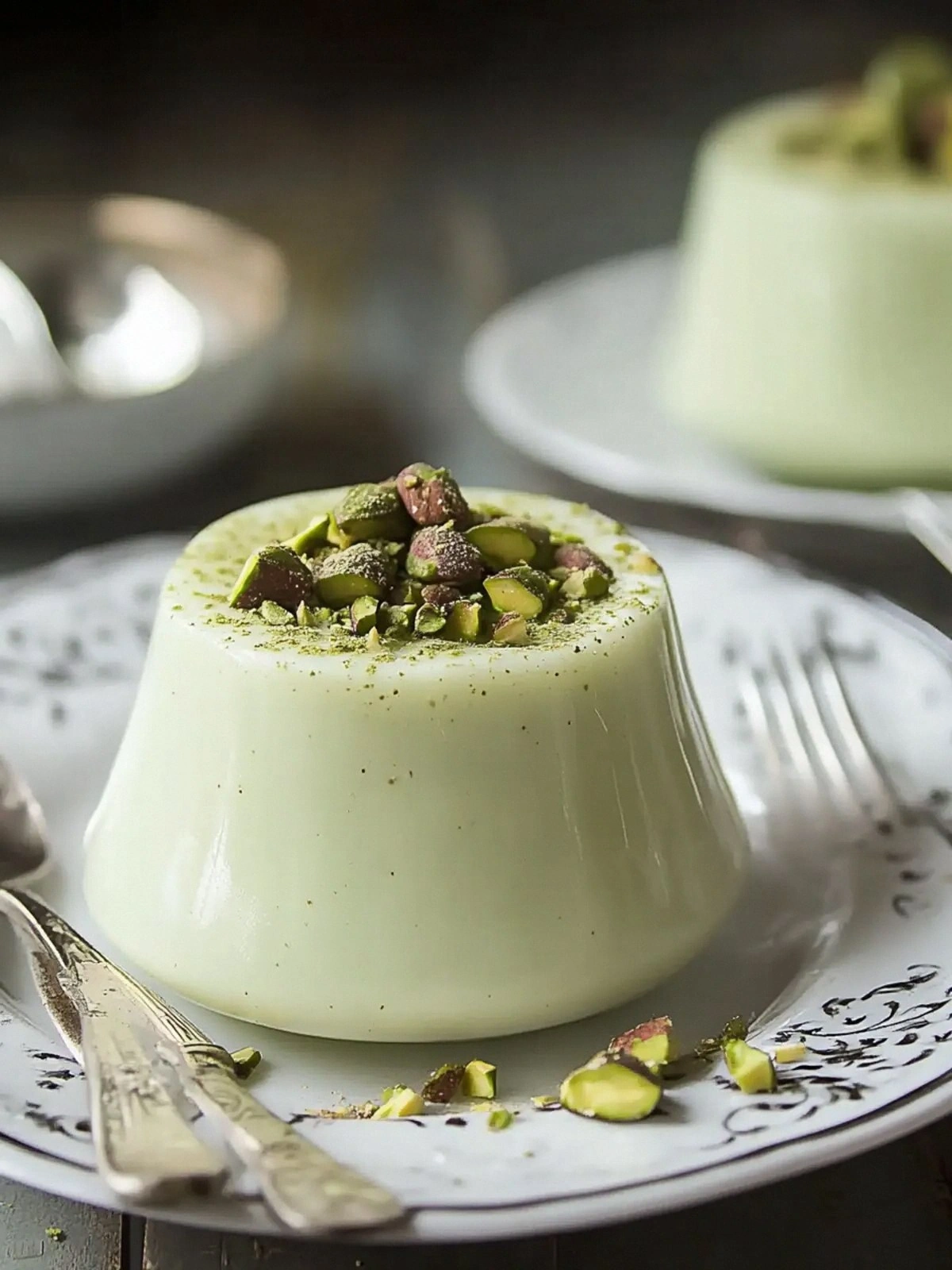
Picture yourself pulling this out of the fridge, the whole kitchen smelling incredible, and the plates gleaming with a green‑gold hue. The first bite is a burst of creamy vanilla, followed by a crunchy pistachio bite that pops like a tiny explosion of flavor. The texture is smooth, almost liquid, and the pistachios add that satisfying snap that keeps you coming back for more. This dessert is not just a treat; it’s a statement—an elegant touch that turns any gathering into a culinary celebration. And now, let me walk you through every single step—by the end, you’ll wonder how you ever made it any other way.
Before we dive into the kitchen, let’s break down why this recipe is a game‑changer. I’ve spent countless hours perfecting the balance of ingredients, and the result is a dessert that feels both indulgent and sophisticated. The pistachios are toasted to a golden hue, giving them a nutty aroma that lingers even after the first bite. The creamy base is light enough to feel airy, yet rich enough to satisfy the deepest sweet tooth. I’ve tested this recipe at parties, and the crowd reaction was always the same: “Where did you learn this?” The answer is simple—this is the ultimate pistachio panna cotta you’ve been searching for.
- Texture: The panna cotta is silky and almost liquid, yet firm enough to hold its shape. The pistachios add a delightful crunch that contrasts the smoothness beautifully.
- Flavor: The vanilla-infused cream is sweet without being cloying, while the pistachios bring a subtle bitterness that balances the dessert.
- Ease: The method is straightforward, with no complicated steps or obscure ingredients. Anyone can master it with a few minutes of practice.
- Presentation: The green‑gold hue of the pistachios adds an elegant touch that makes the dessert look as good as it tastes.
- Make‑ahead: The panna cotta sets beautifully in the fridge and can be made up to 48 hours in advance, making it perfect for busy weeks.
- Versatility: Swap the pistachios for almonds, hazelnuts, or even dried fruit for a different twist.
- Ingredient Quality: Using fresh, high‑quality pistachios makes the difference between good and unforgettable.
- Audience: This dessert is a crowd‑pleaser—perfect for dinner parties, brunches, or a quiet evening at home.
Alright, let’s break down exactly what goes into this masterpiece…
The Creamy Core
The foundation of this dessert is the heavy cream, which provides the luxurious texture that makes panna cotta a standout. I use 2 cups of heavy cream to keep the dessert rich and velvety, but if you’re watching calories, a splash of half‑and‑half can lighten it up while still delivering on flavor. The cream needs to be warmed gently—over‑heating can cause it to split or develop a grainy texture. I recommend using a low‑heat setting and stirring constantly to maintain a silky consistency. When the cream reaches about 190°F, it’s ready to receive the sweetener and vanilla.
For the sweetener, I use 1/2 cup of granulated sugar, which dissolves quickly in warm cream. The sugar’s role isn’t just sweetness; it also helps create a smooth mouthfeel by preventing the cream from becoming too thick. If you prefer a slightly lower sugar content, you can substitute a sugar alternative, but keep in mind that the texture might change slightly. The key is to dissolve the sugar completely before adding the next ingredient. A simple way to test is to run your finger through the mixture—if it feels smooth and no granules remain, you’re good to go.
The Sweetener
While sugar is the obvious choice, you can experiment with honey or maple syrup for a different nuance. Honey adds floral undertones that pair wonderfully with pistachios, while maple syrup introduces a subtle caramel depth. However, keep in mind that both honey and maple syrup are liquid, so you may need to adjust the gelatin amount to maintain the right consistency. If you’re vegan, use a plant‑based cream and a vegan gelatin substitute to keep the dessert dairy‑free. Regardless of the sweetener, the goal is to achieve a balanced sweetness that doesn’t overpower the nutty flavor.
The Binding Agent
Gelatin is the star that gives panna cotta its signature set. I use 1 tablespoon of gelatin, bloomed in cold water, to ensure a smooth, lump‑free texture. The bloom process is crucial—gelatin needs to absorb water for at least 5 minutes before heating, or it will clump and ruin the dessert’s mouthfeel. If you’re allergic to gelatin or prefer a vegetarian option, agar‑agar is a perfect substitute; just follow the package instructions for the equivalent amount. The gelatin’s role is to create a network that traps air and flavor, giving the panna cotta its delicate firmness.
The Flavor Booster
Vanilla extract is the subtle hero that elevates the entire dish. I use 1 teaspoon of pure vanilla extract, which adds depth and warmth to the cream. If you want a more pronounced vanilla note, you can infuse the cream with a split vanilla bean instead of using extract. The bean’s seeds add a natural sweetness and a fragrant aroma that enhances the overall sensory experience. A small amount of vanilla can make a big difference, turning a simple custard into a luxurious treat.
The Nutty Star
The pistachios are the pièce de résistance, providing both flavor and texture. I use 1/2 cup of pistachios, lightly toasted to bring out their nutty aroma and a subtle crunch. Toasting is essential; raw pistachios can taste flat and may even release a bitter taste if over‑toasted. I toast them in a dry pan over medium heat for about 3–4 minutes, shaking the pan frequently to avoid burning. Once toasted, let them cool before chopping into small pieces or leaving them whole for a dramatic finish.
The Final Touch
Once the cream, sugar, vanilla, and gelatin are blended, the final touch is the pistachios. Fold them in gently to preserve their crunch and to evenly distribute the nutty flavor. The mixture should be a smooth, glossy liquid that’s ready to set. If you’d like a more pronounced pistachio flavor, you can blend a small portion of the pistachios into the cream before adding the rest. This creates a subtle pistachio‑infused cream that pairs beautifully with the crunchy pieces. The final mixture should be silky, aromatic, and ready to chill.
Everything's prepped? Good. Let's get into the real action…
The Method — Step by Step
- In a small saucepan, combine 2 cups of heavy cream, 1/2 cup of sugar, and 1 teaspoon of vanilla extract. Warm the mixture over medium heat, stirring constantly, until the sugar fully dissolves. Watch the temperature rise; you want it to reach about 190°F but never boil. The aroma will turn sweet and slightly caramelized, a sign that the cream is ready. Let the mixture sit for a minute after removing from heat to cool slightly before adding gelatin.
- While the cream is warming, bloom 1 tablespoon of gelatin in 1/4 cup of cold water. Let it sit for a full 5 minutes until it swells and becomes spongy. This step is critical—if the gelatin is under‑bloomed, it won’t dissolve properly and will leave lumps. Once bloomed, gently heat the gelatin in a small saucepan or microwave until it’s fully liquid. The gelatin should be clear, not cloudy, indicating it’s ready to incorporate.
- Remove the cream from the heat and whisk in the bloomed gelatin until it’s completely dissolved. The mixture should be silky, with no visible lumps. This is the moment of truth; if the gelatin isn’t fully dissolved, the panna cotta won’t set properly. Keep stirring until the mixture feels smooth and glossy. Let it cool to lukewarm before adding the pistachios.
- Fold in 1/2 cup of lightly toasted pistachios, ensuring they’re evenly distributed. The pistachios should be toasted until they’re golden and fragrant but not burnt, which would introduce a bitter flavor. This step adds both crunch and a nutty aroma that elevates the dessert. If you prefer a smoother texture, you can blend a portion of the pistachios into the cream before folding in the rest. The final mixture should be a glossy, nutty custard ready for setting.
- Pour the mixture into 8 ramekins or individual serving glasses, filling them about 3/4 full. Cover each ramekin with plastic wrap to prevent condensation from forming a film on the surface. Place the ramekins in the refrigerator and let them chill for at least 4 hours, or overnight if you’re planning ahead. The cooling time allows the gelatin to set firmly while the flavors meld together. After chilling, the panna cotta should be firm but still give slightly when pressed.
- When ready to serve, run a thin knife around the edges of each ramekin to loosen the custard. This step is essential for a clean release; a dull knife can tear the custard. If the ramekin is stubborn, dip the knife in warm water and run it around the rim again. Once loosened, invert onto a plate and gently lift the custard. The result should be a smooth, glossy custard with a subtle pistachio crunch.
- For a finishing touch, garnish each serving with a few whole pistachios or a light drizzle of honey. The honey adds a subtle shine and a complementary sweetness that contrasts with the nutty flavor. If you prefer a more dramatic presentation, a swirl of dark chocolate or caramel sauce will elevate the dessert further. The key is to keep the garnish minimal so the custard remains the star of the show. Serve immediately for the best texture and flavor.
- Optional: For an extra layer of flavor, sprinkle a pinch of sea salt over each serving before plating. The salt enhances the nutty taste and balances the sweetness, creating a harmonious bite. This simple addition transforms the dessert from good to unforgettable. If you’re serving a crowd, consider offering a small bowl of crushed pistachios on the side for guests to add as they wish.
- If you’d like to serve the panna cotta on a platter, arrange the individual servings in a circular pattern and drizzle a thin line of honey or caramel around the center. This presentation looks elegant and invites guests to dig in. The honey or caramel will also add a slight gloss that makes the dessert look even more sophisticated.
- Remember to keep the panna cotta chilled until the moment you’re ready to serve. The custard will soften slightly if left at room temperature for too long, which can affect the texture. If you’re not serving immediately, store the ramekins in the fridge and cover them with foil to keep them fresh. When ready, simply reheat gently in a warm water bath for 15–20 seconds if it feels too firm.
That's it — you did it. But hold on, I've got a few more tricks that'll take this to another level…
Insider Tricks for Flawless Results
The Temperature Rule Nobody Follows
Temperature control is the secret weapon behind every perfect panna cotta. I always use a digital thermometer to ensure the cream never exceeds 190°F, as overheating can cause the gelatin to lose its setting power. If you’re new to temperature monitoring, start with a low heat and keep a close eye on the mixture. The goal is to dissolve the sugar without scorching the cream. Remember, a slightly cooler custard will set more firmly and hold its shape better.
Why Your Nose Knows Best
When you’re toasting pistachios, trust your nose more than your timer. The nutty aroma that emerges is a sign that the pistachios are ready. If the smell is faint, they need more time; if it’s smoky, they’re over‑toasted. A quick test is to pop a single pistachio in your mouth; it should crack with a satisfying crunch and release a rich, buttery scent. This subtle cue ensures the pistachios add the right amount of flavor without becoming bitter.
The 5‑Minute Rest That Changes Everything
After you remove the custard from the heat, let it rest for five minutes before adding gelatin. This brief pause allows the temperature to drop just enough to prevent the gelatin from clumping. Skipping this step is a common mistake that leads to a lumpy set. If you’re in a hurry, you can place the saucepan in a cold water bath for a minute or two, but the rest period is still essential.
Quick Fix for Over‑Set Panna Cotta
Sometimes the custard sets too firmly, making it difficult to release from the ramekin. A simple fix is to add a splash of heavy cream or milk before serving; this will soften the texture slightly and make the custard easier to unmold. If the custard is too runny, you can reheat it gently in a warm water bath and add a pinch more gelatin to firm it up. These adjustments are easy to make and will keep your dessert from being a disappointment.
Presentation Perfection
When plating, use a small ring mold or a clean glass to create a defined shape. This adds a professional touch and makes the dessert feel more intentional. A drizzle of honey or a swirl of caramel adds visual appeal and a burst of flavor that enhances the nutty profile. Keep the garnish minimal so the custard remains the star of the show.
Final Touch: A Pinch of Sea Salt
Just before plating, sprinkle a tiny pinch of sea salt over each serving. The salt brightens the nutty flavor and balances the sweetness, creating a more complex taste. If you prefer a sweeter dessert, skip the salt, but be prepared for a slightly flatter flavor profile. This small addition is a game‑changer that turns a good dessert into an unforgettable experience.
Creative Twists and Variations
This recipe is a playground. Here are some of my favorite ways to switch things up:
Lemon‑Zest Pistachio
Infuse the cream with the zest of one fresh lemon for a bright, citrusy note that cuts through the richness. The lemon zest adds a subtle tartness that balances the nutty sweetness. Be careful not to overdo the zest, as it can become bitter if too much is added. This variation is perfect for a spring or summer dessert, and it pairs beautifully with a glass of chilled white wine.
Chocolate‑Pistachio Fusion
Swirl melted dark chocolate into the set panna cotta for a decadent chocolate‑nut combo. The chocolate adds depth and a slightly bitter contrast to the sweet custard. Use a high‑quality dark chocolate with at least 70% cacao for the best flavor. This version is a hit with chocolate lovers and can be garnished with cocoa nibs for extra texture.
Espresso‑Infused
Add a shot of strong espresso to the cream before heating for a mocha‑flavored panna cotta. The espresso gives the dessert a rich, coffee flavor that pairs well with the pistachios. If you prefer a lighter coffee taste, use a half‑shot or replace it with a coffee extract. This variation is ideal for an after‑dinner dessert or a brunch treat.
Coconut‑Pistachio
Replace half of the heavy cream with coconut milk for a tropical twist. The coconut milk adds a subtle coconut flavor that complements the pistachios beautifully. Be sure to use full‑fat coconut milk for the best texture. This version is a great alternative for those who want a dairy‑free option while still enjoying a creamy custard.
Berry‑Burst
Top the finished panna cotta with fresh berries—strawberries, blueberries, or raspberries—to add a burst of color and acidity. The berries provide a sweet‑tart contrast that brightens the dessert. A dusting of powdered sugar or a light glaze of berry coulis can elevate the presentation. This variation is perfect for a summer gathering.
Salted Caramel
Drizzle a thin line of salted caramel sauce over each serving for an extra layer of decadence. The caramel adds a buttery sweetness that pairs wonderfully with the pistachios. A pinch of sea salt enhances the caramel’s flavor and brings out the nutty notes. This variation is a crowd‑pleaser at parties or special occasions.
Vanilla‑Rose Pistachio
Infuse the cream with a few drops of rose water for a floral undertone that complements the pistachios. The rose water adds a delicate aroma that transforms the dessert into a romantic treat. Use a high‑quality rose water to avoid an overpowering floral taste. This variation is ideal for a dinner party or a celebration.
Maple‑Honey Pistachio
Swap the sugar for a mixture of maple syrup and honey for a natural sweetener with depth. The maple syrup adds a subtle woody note, while the honey provides a floral sweetness. This combination creates a complex flavor profile that pairs well with the nutty custard. Adjust the amount of sweetener to taste, as both maple syrup and honey are potent.
Storing and Bringing It Back to Life
Fridge Storage
Store the panna cotta in an airtight container or covered with plastic wrap in the refrigerator for up to 48 hours. The custard will keep its silky texture and nutty flavor. If you notice a slight separation, give it a gentle stir before serving. The pistachios will remain crisp, adding a delightful crunch to each bite. Keep the container in the coldest part of the fridge to maintain freshness.
Freezer Friendly
For longer storage, freeze the panna cotta for up to two weeks. Wrap each ramekin tightly in plastic wrap, then place in a freezer‑safe bag to prevent freezer burn. When you’re ready to serve, thaw the custard overnight in the refrigerator. This method preserves the texture and flavor, making it a convenient option for busy evenings.
Best Reheating Method
To reheat, place the ramekin in a warm water bath for 15–20 seconds until it reaches a pleasant, slightly warm temperature. If the custard feels too firm, add a splash of heavy cream to loosen it. Avoid microwaving, as it can cause uneven heating and alter the texture. The water bath method gently warms the dessert, keeping it silky and smooth.