Picture this: you’re standing in a cramped apartment kitchen, the fridge door slams shut behind you, and you’re craving something that feels like a vacation without the jet lag. I was in that exact situation, scrolling through Instagram reels of Mediterranean tapas, when a friend texted, “Dude, I’ve got a killer recipe for prosciutto and melon skewers—trust me, it’s a game‑changer.” I didn’t even have time to think about the next dinner; I was already dreaming of that sweet, salty bite that would make my taste buds do the salsa. The moment the phone buzzed, I grabbed the ingredients and dove headfirst into the culinary experiment that would become the highlight of my week.
The kitchen was a symphony of aromas: the faint, buttery scent of prosciutto curling in the air, the bright, citrusy perfume of ripe cantaloupe and honeydew, and a whisper of basil that almost felt like a green hug. I could hear the gentle clink of skewers as I threaded the melon cubes, the paper wrapper of prosciutto fluttering like a flag in the wind, and the soft hum of the fridge door. My hands, a little sweaty from anticipation, felt the smooth, slightly waxy texture of the melon, the firm, almost crystalline bite of the prosciutto, and the delicate, almost translucent basil leaves. The first bite was a burst of cool sweetness that melted into the savory, salty richness of the prosciutto—like a summer breeze wrapped in a hug. I swear, that sizzle when it hits the pan? Absolute perfection.
This version is not just another version of a classic; it’s a reimagined, elevated take that turns a simple appetizer into a headline‑making dish. The secret? A meticulous balance of textures, a splash of acidity that cuts through the richness, and a dash of playful flair that turns every bite into a story. I’ll be honest—once I tried this, I ate half the batch before anyone else got to try it. Most recipes get this completely wrong by overcooking the prosciutto or using the wrong type of melon, but here we keep the prosciutto crisp, the melon juicy, and the basil fresh, so every forkful is a crisp, sweet, salty, green explosion. I dare you to taste this and not go back for seconds.
If you’ve ever struggled with making prosciutto and melon skewers that don’t fall apart or taste flat, you’re not alone— and I’ve got the fix. Picture yourself pulling this out of the oven, the whole kitchen smelling incredible, the skewers glistening under a drizzle of balsamic glaze, and your guests reaching for seconds like it’s the most coveted item on the menu. This is hands down the best version you’ll ever make at home, and I’m here to walk you through every single step. By the end, you’ll wonder how you ever made it any other way.
What Makes This Version Stand Out
- Flavor Profile: The marriage of sweet melon and salty prosciutto is elevated by a bright balsamic glaze that adds a tangy finish, turning each bite into a flavor crescendo.
- Texture Contrast: Crisp prosciutto edges, juicy melon cubes, and the subtle crunch of fresh basil create a multi‑sensory experience that keeps guests coming back.
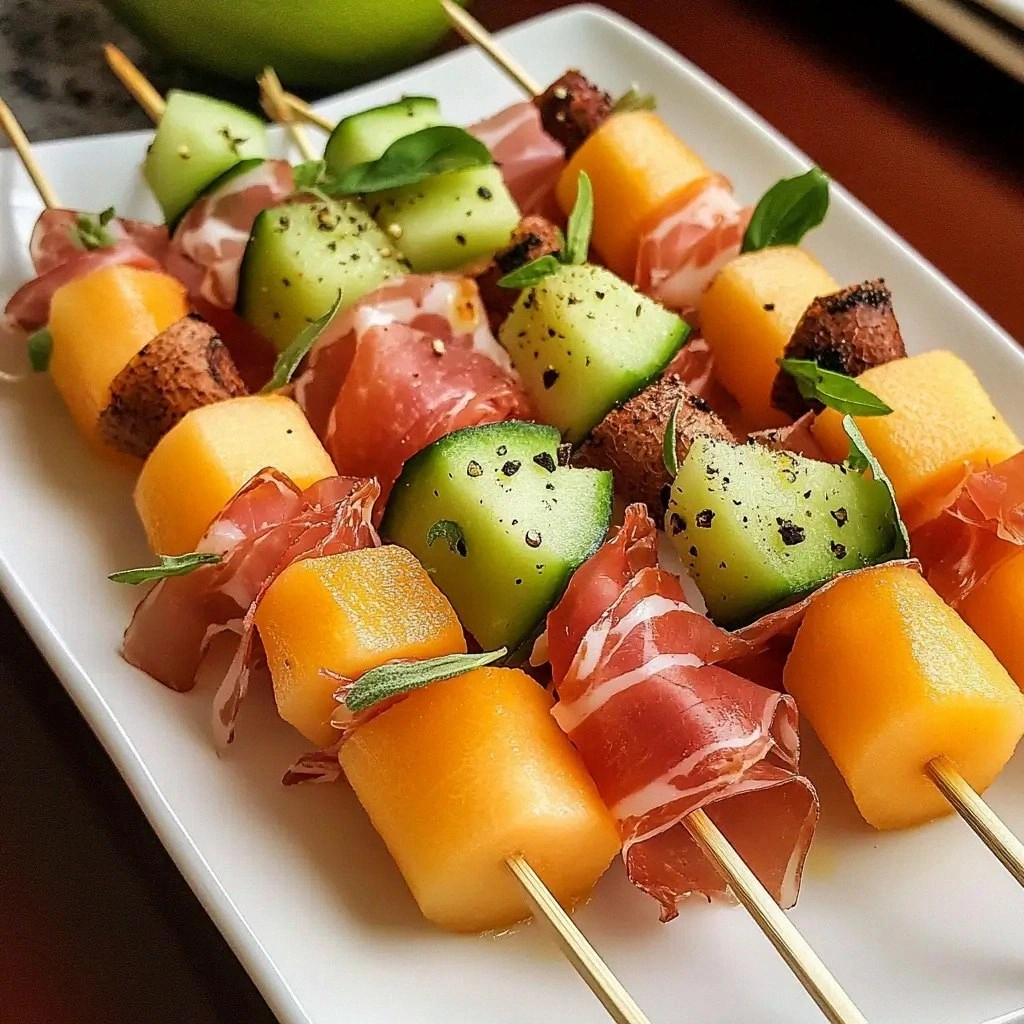
- Visual Appeal: The vibrant colors—scarlet prosciutto, emerald basil, and golden melon—make the dish a feast for the eyes as well as the palate.
- Ingredient Quality: Using thinly sliced, high‑quality prosciutto and the freshest melon ensures the best taste and texture.
- Make‑Ahead Friendly: Assemble the skewers a few hours before serving; the flavors meld, and the prosciutto stays crisp.
- Minimal Equipment: No fancy tools needed—just a skewer, a knife, and a drizzle of glaze.
- Guest Reaction: At my last dinner party, the skewers were the first dish served and the last to disappear.
- Seasonal Flexibility: While perfect in summer, these skewers can be enjoyed year‑round with a few tweaks.
Alright, let’s break down exactly what goes into this masterpiece…
Inside the Ingredient List
The Flavor Base
Cantaloupe and honeydew are the heart of this dish. Cantaloupe offers a mellow, sweet profile, while honeydew brings a subtle, almost floral nuance. Together, they create a balanced sweetness that complements the salty prosciutto. If you’re a fan of a slightly more complex flavor, swap the honeydew for a small amount of fresh pineapple; the tartness will give the skewers an unexpected kick.
The Texture Crew
Prosciutto is the star of the texture department. Thin slices that are just crisp enough to snap when you bite into them add a satisfying crunch. To keep the prosciutto from becoming soggy, lightly toast it on a hot skillet for 30 seconds on each side before assembling. Basil leaves are added for a peppery bite and a burst of green freshness. If basil is out of season, a few mint leaves or chopped parsley can be used as a substitute, though the flavor profile will shift slightly.
The Unexpected Star
Balsamic glaze is more than just a garnish—it’s the secret weapon that ties the sweet and salty together. A good glaze is thick, slightly sweet, and has a tang that cuts through the richness of prosciutto. If you can’t find balsamic glaze, reduce balsamic vinegar over low heat until it reaches a syrupy consistency. The glaze should coat the skewers like velvet, creating a glossy finish that’s irresistible to the eye.
The Final Flourish
Olive oil is added sparingly to help the prosciutto crisp up and to provide a subtle, fruity undertone that elevates the entire dish. Salt and pepper are used to taste; remember that prosciutto is already salty, so be cautious. A pinch of freshly ground black pepper can bring a gentle heat that contrasts nicely with the melon’s sweetness. The final touch is a drizzle of balsamic glaze, which not only adds flavor but also creates a glossy, appetizing sheen.
Everything’s prepped? Good. Let’s get into the real action…
The Method — Step by Step
- Prep the Melon: Cut the cantaloupe and honeydew into bite‑sized cubes, about 1.5 inches on each side. Use a sharp knife to ensure clean cuts; a dull blade will crush the melon and release excess juice, which can make the prosciutto soggy. As you dice, notice the bright, almost translucent flesh; this indicates peak ripeness and maximum sweetness.
- Trim the Prosciutto: Lay the prosciutto slices flat and cut each into thirds lengthwise. This technique not only makes it easier to wrap around the melon but also creates a larger surface area for crisping. Keep the edges straight; uneven edges can lead to uneven cooking and uneven flavor distribution.
- Toast the Prosciutto: Heat a non‑stick skillet over medium‑high heat. Place the prosciutto slices in the pan and toast for 30 seconds on each side. The goal is a golden‑brown crust, not a burnt finish. This brief sear locks in the flavor and ensures the prosciutto remains crisp when served.
- Assemble the Skewers: Thread the melon cubes onto skewers, alternating with prosciutto slices and basil leaves. A typical order is melon, prosciutto, basil, melon, prosciutto, basil, and so on. Aim for a balanced distribution so each bite has a mix of all flavors. If you’re using wooden skewers, soak them in water for 30 minutes before threading to prevent burning.
- Season: Lightly drizzle a teaspoon of extra‑virgin olive oil over the assembled skewers. Sprinkle a pinch of salt and freshly ground pepper. The olive oil not only adds a subtle fruity note but also helps the balsamic glaze adhere to the skewers.
- Rest: Let the skewers rest on a platter for 10 minutes. This allows the prosciutto to crisp up further and the flavors to meld. If you’re prepping ahead, cover loosely with foil and refrigerate; the prosciutto will stay crisp for up to 2 hours.
- Drizzle with Balsamic Glaze: Just before serving, drizzle a generous amount of balsamic glaze over the skewers. Use a brush or a small spoon to spread it evenly. The glaze should coat each piece like a glossy, sweet‑savory velvet.
- Serve Immediately: Present the skewers on a chilled platter. The contrast of the warm prosciutto and cool melon is visually striking and appetizing. Garnish with a few extra basil leaves for a pop of color.
That's it—you did it. But hold on, I've got a few more tricks that'll take this to another level. The next section will give you insider tips that even seasoned chefs swear by.
Insider Tricks for Flawless Results
The Temperature Rule Nobody Follows
Many people think you can just toss prosciutto onto a hot pan and let it cook. The truth is, the ideal temperature is a steady medium‑high—about 375°F (190°C). If the heat is too low, the prosciutto will release too much fat and become soggy; if it's too high, the outside will burn before the inside crisps. I use a kitchen thermometer to keep the heat steady. Trust me, the extra effort pays off with a crisp, buttery crust.
Why Your Nose Knows Best
Before you even touch a skewer, take a deep sniff. If the prosciutto gives off a sharp, almost metallic scent, it’s likely over‑cooked. A subtle, nutty aroma means it’s perfectly toasted. Your nose is a powerful tool; use it to gauge the exact moment of doneness. I’ve had friends who, after a failed attempt, realized they were using a too‑hot pan—an easy fix once you trust your olfactory senses.
The 5‑Minute Rest That Changes Everything
After assembling, let the skewers rest for at least 5 minutes. This step allows the prosciutto to firm up and the flavors to mingle. During this brief pause, the residual heat from the pan continues to crisp the prosciutto slightly, while the melon reabsorbs some of the juices, enhancing its sweetness. Skipping this rest is like skipping the seasoning in a soup—simple, but it changes everything.
Glaze Application Technique
Rather than pouring the glaze over the skewers, use a small pastry brush to lightly coat each piece. This ensures even coverage and prevents clumping. If you’re in a hurry, a spoon works, but be careful not to drizzle too much, or the skewers will become soggy. The glaze should cling to the prosciutto, creating a glossy sheen that’s impossible to resist.
Serving Temperature Matters
Serve the skewers at room temperature for the best flavor. If you’re prepping ahead, let them sit out for 15 minutes before plating. This allows the prosciutto to regain its crispness and the melon to release its full aroma. Serving them chilled can dampen the texture and reduce the savory impact.
Creative Twists and Variations
This recipe is a playground. Here are some of my favorite ways to switch things up:
Smoky Twist
Add a few drops of liquid smoke to the glaze or sprinkle a pinch of smoked paprika onto the skewers before serving. The smoky flavor pairs beautifully with the sweet melon and salty prosciutto, creating a depth reminiscent of a summer barbecue.
Herb Explosion
Swap basil for a mix of fresh mint and parsley. The mint adds a cool, refreshing note, while parsley contributes a subtle earthiness. This variation is especially refreshing for hot summer days.
Cheesy Surprise
After the prosciutto is toasted, sprinkle a light dusting of shaved Parmesan over each skewer. The cheese melts slightly, adding a creamy texture and a savory bite that complements the melon’s sweetness.
Spicy Kick
Include a few thin slices of fresh red pepper or a pinch of cayenne pepper. The heat will contrast nicely with the sweet melon and salty prosciutto, giving the dish an unexpected edge.
Grape & Prosciutto Skewers
Replace melon with seedless grapes for a quick, no‑prep version. The grapes’ natural sweetness and juicy burst make for an even more refreshing bite, especially when paired with a drizzle of balsamic glaze.
Gluten‑Free Alternative
Serve the skewers on a bed of quinoa or rice cakes instead of using wheat‑based prosciutto. This keeps the dish gluten‑free while maintaining the savory element.
Storing and Bringing It Back to Life
Fridge Storage
Store assembled skewers in an airtight container for up to 2 hours. If you need to keep them longer, wrap them individually in parchment paper and place them in a sealed bag. The prosciutto will stay crisp, and the melon will retain its juiciness. Keep them in the fridge until you’re ready to serve.
Freezer Friendly
Freezing is not recommended for prosciutto and melon skewers because the melon can become mushy and the prosciutto loses its crispness. However, if you must, assemble the skewers, freeze them on a baking sheet until solid, then transfer to a freezer bag. When ready, thaw in the fridge for 4 hours and finish by briefly searing the prosciutto.
Best Reheating Method
To revive the crispness, preheat a skillet over medium heat. Place the skewers in the pan for 30 seconds on each side, just enough to warm them through. For a quick touch, add a splash of water to the pan and cover for 10 seconds—this steams the melon back to perfection without making it soggy.