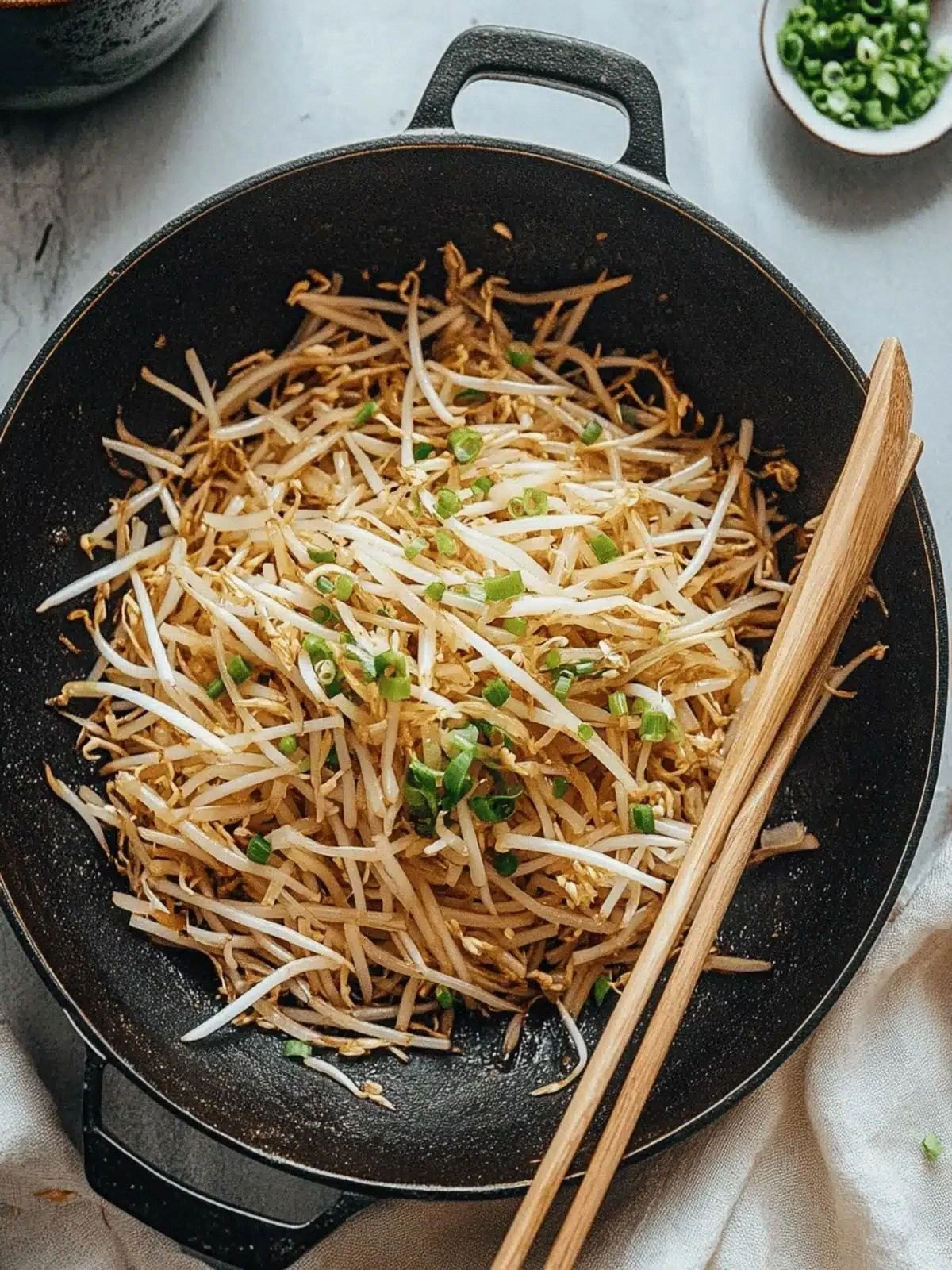
I was halfway through a midnight ramen binge, the kitchen lights flickering like a disco, when the can of sardines accidentally hit the counter and exploded. The splash of briny fish and the scent of soy sauce filled the air, and I swear my taste buds did a somersault. That moment was a culinary catastrophe, but it sparked a daring experiment that would change my forever love for fish. I dared myself to turn that mess into a dish that would make my friends swoon and my stomach sing. I promised I would never again let a canned fish ruin my night. So grab a spoon, because this is the story of how a kitchen disaster became a flavor revelation.
Picture the kitchen at 2 a.m.—the fridge humming, the stove glowing, and the smell of seaweed drifting from the pantry. The sardines, still in their tin, looked like little golden fish ready for a gala. I opened the can, and the liquid poured out like a salty river, whispering promises of umami. The air thickened with the aroma of soy and sesame, and my heart beat faster than a drum solo. I imagined a sauce that would cling to the fish like velvet, turning ordinary tin into a treasure chest. The moment felt like a secret handshake between me and the ocean.
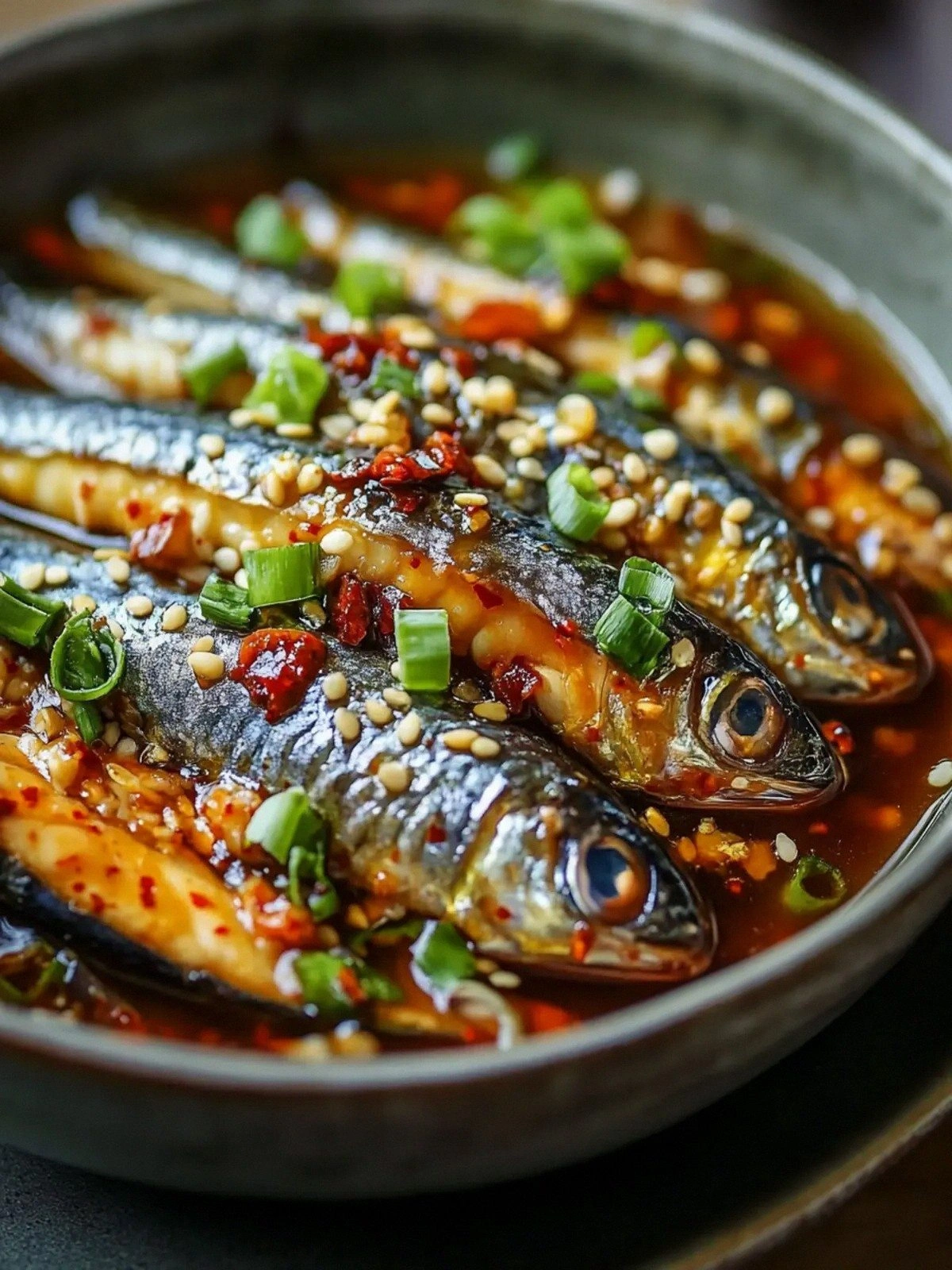
What sets this recipe apart is not just the boldness of gochujang, but the way every element sings in harmony. The sauce is a lacquered glaze that coats the sardines, leaving a glossy finish that catches the light like a polished coin. The subtle sweetness from sugar balances the fiery kick, creating a flavor profile that feels both daring and comforting. The sesame oil adds a nutty depth that lingers on the palate, while the fresh ginger injects a bright, almost citrusy spark. This isn’t just another fish dish; it’s a passport to Seoul’s street markets, delivered straight to your stove. The result is a dish that feels like a celebration in every bite.
I’ll tease you with a little secret: the trick lies in the timing of the sauce’s simmer, a moment that turns simple sardines into a silky, savory masterpiece. The next few steps will feel like a dance, with each ingredient stepping in just in time. If you’ve ever stared at a can of sardines and felt dread, this recipe will transform that dread into delight. I promise you, by the end of this guide, you’ll wonder how you ever cooked fish the old way. This isn’t a recipe; it’s a revelation that will change your culinary game. Let me walk you through every single step — by the end, you'll wonder how you ever made it any other way.
What Makes This Version Stand Out
- Taste: The sauce is a masterful balance of umami, heat, and sweetness that turns ordinary sardines into a gourmet experience. The gochujang adds depth without overpowering, while the soy sauce provides a salty backbone that keeps everything grounded. This flavor profile feels like a trip to a bustling Korean market in a single bite.
- Texture: The sardines become silky and tender, yet they retain a gentle bite that keeps the dish lively. The sauce’s glossy glaze coats each fish, creating a contrast between soft flesh and a slightly caramelized exterior. The result is a mouthfeel that is both comforting and exciting.
- Simplicity: With just ten ingredients, this dish can be whipped up in under an hour. No elaborate prep or exotic pantry items are required—just what you likely already have. That simplicity is what makes this recipe a go-to for both novice cooks and seasoned chefs.
- Uniqueness: Most Korean fish recipes rely on fresh catches or fillets, but this version turns canned sardines into a star. The combination of gochujang, sesame oil, and fresh ginger creates a flavor twist that sets it apart from typical Korean fish stews.
- Crowd Reaction: Friends who’ve tried this dish report a “wow” moment that turns into a second plate. The sauce’s vibrant color and aroma instantly draw people in, making it a conversation starter at dinner parties.
- Ingredient Quality: Using high-quality canned sardines ensures a robust flavor that stands up to the bold sauce. The fresh ginger and garlic add a punch that elevates the dish beyond ordinary canned fish.
- Cooking Method: The technique of searing the sardines briefly before braising locks in moisture and flavor. This method preserves the delicate texture while allowing the sauce to infuse each bite.
- Make-ahead Potential: The dish can be prepared a day ahead, with the flavors deepening as the sauce reduces and the sardines absorb more umami. Reheating only requires a quick stir to revive the sauce’s sheen.
Inside the Ingredient List
The Flavor Base
The foundation of this dish is a sauce that marries soy, sesame, and gochujang into a single, harmonious liquid. The soy sauce provides a deep umami backbone that balances the fish’s natural brininess. Gochujang, a Korean fermented chili paste, adds a smoky heat that lingers on the tongue. The sesame oil brings a toasted nutty note that enriches the sauce’s complexity. If you skip the gochujang, the dish becomes bland, losing that signature Korean kick. The sauce’s thickness is controlled by the sugar, which caramelizes slightly during simmering, giving the glaze a subtle sheen. For a lighter version, replace half the sugar with honey or maple syrup, but be mindful of the sweetness ratio.
The Texture Crew
The sardines themselves are the star, offering a firm yet delicate texture that holds up under simmering. The can’s brine is essential; it keeps the fish moist and infuses it with a subtle saltiness that complements the sauce. If you prefer a cleaner taste, rinse the sardines before cooking, but you’ll lose some of the natural umami. The garlic and ginger are minced finely to release their aromatics without forming lumps in the sauce. Their freshness adds a bright counterpoint to the deep flavors of soy and gochujang. The spring onions, sliced thinly, provide a crisp, slightly sweet finish that lifts the dish’s overall profile.
The Unexpected Star
While most recipes focus on the fish and sauce, the sesame seeds play a pivotal role in texture and aroma. Toasted sesame seeds add a subtle crunch that contrasts the soft fish and glossy sauce. They also release a nutty fragrance that enhances the dish’s overall aroma. If you’re allergic to sesame, you can omit them entirely, though the dish will be slightly less complex. A pinch of crushed red pepper can be added for an extra heat dimension if you’re a spice lover. This small tweak elevates the dish from good to unforgettable.
The Final Flourish
Finishing the dish with a drizzle of sesame oil and a sprinkle of fresh spring onions transforms it into a restaurant-quality plate. The sesame oil’s aroma is almost intoxicating, and the bright green onions add a pop of color that makes the dish Instagram‑ready. The final touch of sesame seeds adds a satisfying crunch that keeps each bite interesting. If you’re looking for a vegetarian version, simply replace the sardines with tofu or tempeh, but keep the sauce intact for the authentic flavor. The dish’s versatility means it can be served over rice, noodles, or even a crisp lettuce bed for a lighter meal. A squeeze of fresh lime or lemon can brighten the flavors, especially if you’re serving it as a party appetizer.
The Method — Step by Step
- First, open the can of sardines with a quick, decisive swipe. The aroma that hits your nose should make you forget any previous kitchen disasters. Let the liquid drain completely, but keep the tin as a handy serving dish. The tin will also help the fish retain heat during the final simmer. This step is essential because a watery sauce would dilute the bold flavors. If you’re short on time, you can skip draining and use the liquid, but the sauce will be less concentrated.
- Heat a non-stick skillet over medium heat and add the tablespoon of sesame oil. Watch the oil shimmer; when it starts to lightly smoke, it’s ready. Pour in the minced garlic and grated ginger, letting them sizzle for about 30 seconds until fragrant. Stir constantly to prevent burning—garlic can go from aromatic to bitter in seconds. This aromatic base is the flavor foundation of the dish. The sizzling sound is a cue that the skillet is hot enough for the sardines.
- Add the sardines to the skillet, skin side down, and let them sear for 2 minutes. Flip them gently with a spatula to avoid breaking the delicate flesh. The searing step locks in juices and creates a slight caramelization that enhances texture. While searing, you’ll notice a faint hiss—this is the fat rendering out of the fish. Keep the heat moderate to prevent the fish from drying out. The goal is a golden crust, not a burnt one.
- Pour in the soy sauce and water, then stir to combine. The liquid should just cover the bottom of the pan, creating a shallow sauce. Add the tablespoon of sugar and gochujang, mixing until the sugar dissolves. The sauce will start to bubble slightly, signaling that it’s hot enough. This is the moment when the flavors begin to marry. The sauce should look glossy and thick enough to coat the fish.
- Reduce the heat to low and let the sardines simmer in the sauce for 10 minutes. Keep the lid slightly ajar to allow steam to escape; too much moisture will make the sauce watery. Check the sauce every 3 minutes—if it’s thinning, add a splash of water or a bit more soy sauce. This slow simmer is key to infusing the fish with umami. The aroma at this stage should be intoxicating, like a Korean street market at night. The sauce will thicken into a silky glaze that clings to the fish.
- Add the sliced spring onions and toasted sesame seeds to the pan. Stir them in gently, letting the seeds toast slightly in the remaining sauce. The onions will soften, releasing a sweet aroma that balances the heat. This step adds a fresh burst of color and texture. The sesame seeds will begin to pop, creating a subtle crunch. The dish is now almost ready for plating.
- Turn off the heat and drizzle a tablespoon of sesame oil over the fish. This final splash of oil adds a glossy sheen and a nutty aroma that elevates the dish. Let the fish rest for a minute so the flavors settle. Plate the sardines on a bed of steamed rice or a crisp lettuce leaf. Garnish with extra spring onions for a pop of color. The dish should look as good as it tastes.
- Serve immediately, encouraging guests to dive in before the sauce cools. The first bite should feel like a burst of umami, followed by a gentle heat that lingers. If you’re plating for a crowd, arrange the sardines in a fan shape for visual appeal. This presentation will impress even the most discerning palate. Remember to keep the sauce warm; it’s the star of the show. Enjoy the applause that follows.
- If you’re feeling adventurous, add a splash of lime juice before serving to cut the richness. The acidity will brighten the dish and balance the sweetness. This small addition can transform a good meal into a memorable one. Keep the lime wedges on the side for guests to squeeze as they like. This is the final flourish that turns a simple dish into a culinary masterpiece. Bon appétit.
That’s it — you did it. But hold on, I've got a few more tricks that'll take this to another level. The first trick is to let the sauce reduce further for a thicker glaze; just keep it on low heat until it coats the back of a spoon. The second trick is to add a pinch of toasted chili flakes for an extra layer of heat that surprises the palate. The third trick is to finish with a drizzle of honey, which caramelizes slightly and gives a glossy finish. These small tweaks will make the dish feel even more special and show your guests that you’re a culinary wizard. Enjoy experimenting and let the flavors dance.
Insider Tricks for Flawless Results
The Temperature Rule Nobody Follows
Many cooks think high heat is always better, but this dish thrives on controlled, low simmering. The sauce needs to meld slowly with the fish, allowing the flavors to deepen. If you crank the heat too high, the sauce will reduce too quickly, losing its silky texture. A good rule of thumb is to keep the flame at a gentle medium-low, just enough to keep the sauce bubbling. This subtle approach keeps the fish moist and prevents it from becoming rubbery. I once tried a high-heat method and ended up with a burnt, dry dish that no one wanted.
Why Your Nose Knows Best
Before you taste, trust the aroma. A properly simmered sauce will smell like toasted sesame and sweet soy, with a hint of fermented chili. If the scent feels flat or overly sharp, it’s a sign the sauce isn’t balanced. Smell the sauce at the end of the simmer; it should be inviting, not overpowering. This sensory check ensures you’re serving a dish that’s both flavorful and harmonious. I’ve found that a good nose can save a meal in seconds.
The 5-Minute Rest That Changes Everything
Once you plate the sardines, let them rest for five minutes before serving. This short rest allows the sauce to thicken and the flavors to settle. The fish’s juices redistribute, giving each bite a richer taste. Skipping this step often leaves the dish feeling thin and watery. The rest also helps the garnish settle, making the plate look more polished. Trust me—this five-minute pause is worth the wait.
Don’t Skimp on the Sesame Oil
Sesame oil is the secret to that glossy sheen and nutty aroma. If you use a regular cooking oil, the dish will taste bland. Even a small amount of high-quality sesame oil makes a noticeable difference. Pour it in at the very end to preserve its aroma. The oil should swirl around the fish, coating it with a subtle, toasted flavor. This final touch is what separates a good dish from a great one.
Use a Tin to Serve for Extra Flavor
Serving the sardines in the tin they came in adds a rustic touch and enhances flavor. The tin’s metal surface helps keep the dish warm, and the fish’s brine continues to infuse the sauce. It also creates a visual appeal that feels authentic. If you don’t have a tin, a small cast-iron skillet works well. The key is to keep the dish warm and the sauce glossy until it reaches the table.
Creative Twists and Variations
Spicy Kimchi Twist
Swap the spring onions for a handful of chopped kimchi, adding fermented depth and a tangy bite. The kimchi’s natural heat complements the gochujang, creating a layered spiciness that excites the palate. This variation works wonderfully over a bed of steamed rice, allowing the kimchi’s crunch to contrast the fish’s tenderness. The dish becomes a Korean comfort food that feels both traditional and adventurous. It’s perfect for a weekend brunch or a quick weekday dinner.
Teriyaki Fusion
Replace the gochujang with teriyaki sauce for a sweeter, Asian fusion flavor. The teriyaki’s caramelized sugar pairs beautifully with the sardines, creating a glaze that’s both sweet and savory. Add a splash of mirin for extra depth. This version is ideal for those who prefer a less spicy dish but still crave bold flavors. Serve it with jasmine rice and a side of stir-fried vegetables.
Vegetarian Tempeh Version
For a vegetarian twist, use marinated tempeh instead of sardines. The tempeh’s nutty flavor complements the soy-based sauce, and its firm texture holds up well during simmering. Marinate the tempeh in soy sauce and sesame oil before cooking to deepen its flavor. This dish becomes a protein-packed, plant-based option that still delivers the authentic Korean taste. Pair it with quinoa for a hearty, wholesome meal.
Herb-Infused Variation
Add a handful of fresh cilantro and a squeeze of lime to the sauce for a fresh, zesty finish. The cilantro’s bright green leaves contrast the deep color of the sauce, making the dish visually appealing. Lime juice adds acidity that brightens the flavors and cuts the richness of the sardines. This variation is ideal for a summer gathering, where the citrus notes lift the dish. It’s a refreshing take that feels lighter yet still flavorful.
Crunchy Pomegranate Glaze
Drizzle a small amount of pomegranate molasses over the finished dish for a sweet and tart finish. The molasses’s deep color adds visual drama, while its acidity balances the dish’s richness. Sprinkle a few pomegranate seeds for a burst of crunch and a pop of color. This twist turns the dish into a festive centerpiece for holiday dinners or special occasions. The sweet, tangy glaze is a conversation starter that showcases culinary creativity.
These variations show that the base recipe is a playground for flavor experimentation. Each tweak brings a new dimension to the dish, allowing you to cater to different palates and occasions. Whether you’re craving something spicy, sweet, or refreshing, there’s a version that will satisfy. Feel free to mix and match elements to create your own signature dish. The key is to keep the core sauce intact, as it’s the heart of the experience. Enjoy the culinary adventure and share the results with friends and family.
Let the creativity flow, but remember the fundamentals that make this dish shine. A good sauce, proper searing, and mindful simmering are non-negotiable. The variations are simply extensions that let you play with flavors and textures. Each version keeps the dish approachable and delicious. Experiment, taste, and refine until you find the perfect balance. Cooking is an art, and this dish is your canvas. Paint it with spices, herbs, and your personal flair.
Storing and Bringing It Back to Life
Fridge Storage
Store the finished dish in an airtight container in the refrigerator for up to 3 days. The sauce will thicken slightly as it cools, but it remains flavorful. Before serving, let it sit at room temperature for 10 minutes to re‑warm the flavors. If the sauce seems thick, add a splash of water to restore its glossy consistency. Keep the sardines in the tin or a separate container to preserve their shape. The dish can be reheated gently on the stovetop, stirring occasionally.
Freezer Friendly
Freeze the dish in freezer-safe containers for up to 2 months. When ready, thaw overnight in the refrigerator. Reheat on the stovetop over low heat, stirring until the sauce is heated through. Add a tablespoon of water or soy sauce to loosen the sauce if it has become too thick. The sardines will retain their texture, and the sauce will re‑glaze beautifully. This method is perfect for meal prep or for guests who want a quick, tasty dinner.
Best Reheating Method
The best way to reheat this dish is to use a low, slow simmer on the stovetop. This gentle method preserves the sauce’s silky texture and prevents the fish from drying out. Add a splash of water or broth to keep the sauce from drying. Stir occasionally to ensure even heating. Avoid microwaving, as it can cause uneven heating and a rubbery texture. Reheat just until the dish is steaming hot and ready to serve.
Adding a Splash of Water Trick
Before reheating, add a tiny splash of water to the sauce. This trick steams the dish back to perfection, restoring the glossy sheen. The added moisture helps the sauce re‑emulsify, giving it a silky finish. It also helps keep the sardines juicy, preventing them from drying out during reheating. This simple step can transform a reheated dish into a fresh, restaurant-quality plate. Try it next time you reheat for a flawless result.
Serving Suggestions
Serve the dish hot, accompanied by steamed rice, noodles, or a crisp green salad. A side of kimchi or pickled vegetables adds a tangy contrast that complements the sauce’s richness. For a low-carb option, pair it with a bed of sautéed spinach or cauliflower rice. The dish’s versatility makes it suitable for brunch, lunch, dinner, or even a party appetizer. The key is to keep it hot and flavorful, so guests can enjoy the full spectrum of aromas and tastes.