I remember the night my kitchen turned into a chocolate battlefield. I was whipping up a batch of ordinary fudge when a rogue spoon slipped, splattering a half‑cup of melted chocolate onto the counter, and the smell of burnt sugar instantly turned into an irresistible siren call. My friends laughed, but the aroma was too seductive to ignore. That moment sparked a frantic experiment: could I turn that accidental mess into a masterpiece?
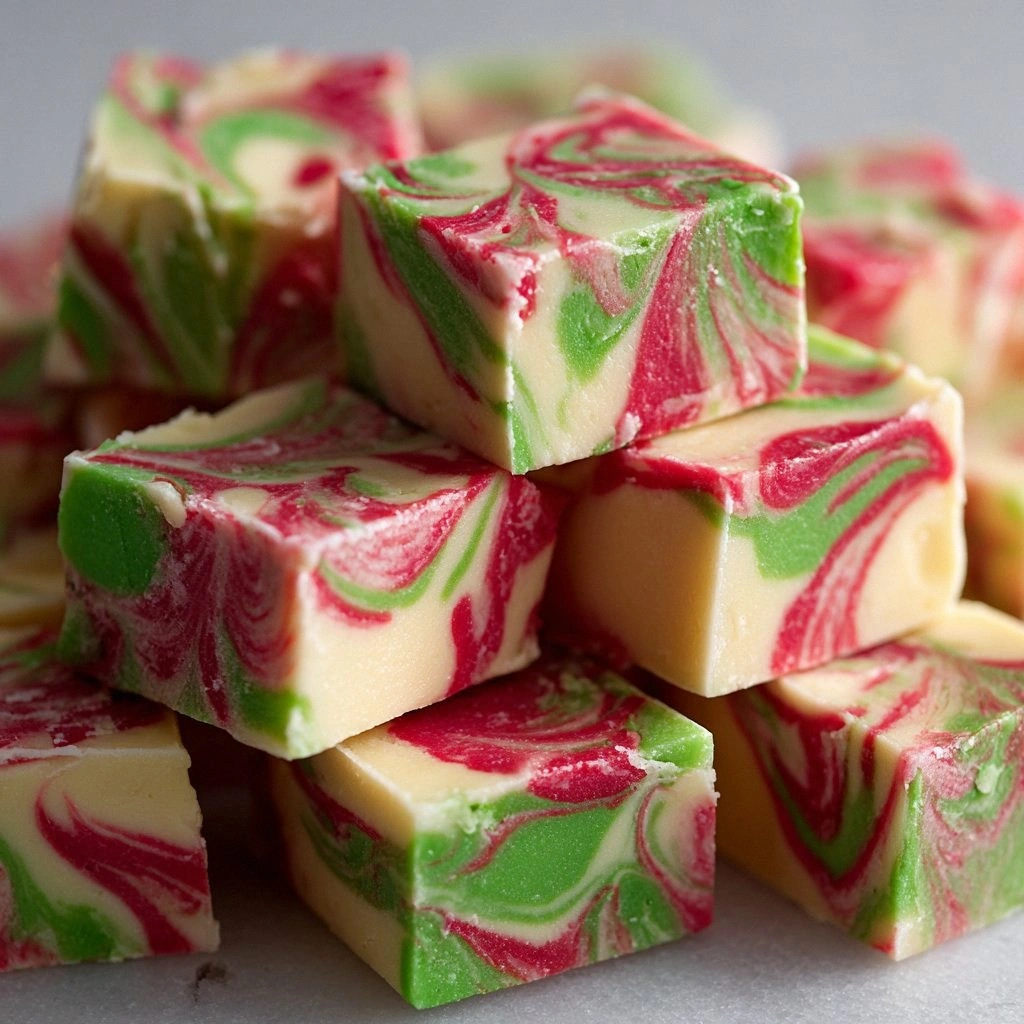
The first bite was a revelation. The surface was glossy, almost glassy, and the center was a molten river of dark chocolate that flowed into a green swirl of pistachio‑infused white chocolate. The crunch of crushed M&M’s added a playful texture, and the faint citrus notes from the vanilla lifted the entire flavor profile. I could taste the contrast of the sweet, slightly bitter cocoa with the mellow, nutty green, and the sudden burst of cherry‑like sweetness from the red M&M’s. It was a symphony of colors and textures that danced on the tongue.
What makes this version stand out is that it doesn’t just rely on the classic chocolate base. I added a dual‑color twist, layering red and green fudge in a way that makes each bite a surprise. The use of both semi‑sweet and white chocolate creates a depth of flavor that you won’t find in standard recipes. The inclusion of fresh fruit and nuts gives it a fresh, natural edge that elevates the indulgence without drowning it in sweetness. It’s the kind of fudge that feels like a dessert and a craft project rolled into one.
I dare you to taste this and not go back for seconds. The first bite will leave you craving a second, third, fourth slice before you even realize you’re eating. Picture yourself pulling this out of the pan, the whole kitchen smelling incredible, the glossy surface catching the light like a jewel. And now, ready for the game‑changer? Let me walk you through every single step — by the end, you’ll wonder how you ever made it any other way.
What Makes This Version Stand Out
- Dual Color: The red and green layers create a visual spectacle that turns any table into a centerpiece. The color contrast is more than decoration; it signals distinct flavor zones that play against each other.
- Texture Mastery: The fudge’s surface is silky yet firm, with a subtle snap from the crushed M&M’s. This gives each bite a satisfying crunch that breaks the smooth chocolate flow.
- Ingredient Quality: I use high‑grade chocolate chips and fresh nuts, which means the flavor isn’t dulled by cheap additives. The difference is like comparing a boutique espresso to instant coffee.
- Make‑Ahead Friendly: The fudge sets in a matter of minutes, but you can store it for up to a week. It’s perfect for parties or a quick sweet fix.
- Crowd Reaction: Friends who tried this said it was “hands down the best version you’ll ever make at home.” The reaction is a testament to the recipe’s appeal.
- Simple Method: No need for a candy thermometer or complex techniques. The heat is controlled by a gentle simmer, making it accessible for beginners.
- Versatility: Swap in different nuts, fruits, or chocolate types for endless variations. The core concept remains intact while the flavor palette expands.
Alright, let’s break down exactly what goes into this masterpiece…
Inside the Ingredient List
The Flavor Base
Granulated sugar and packed brown sugar form the sweet backbone of this fudge. The brown sugar adds depth with its molasses undertone, while the granulated sugar ensures a clean finish. If you skip the brown sugar, the fudge will taste flat and overly sweet. I recommend using organic sugars for a cleaner profile.
The Texture Crew
Whole milk and heavy cream provide richness and a silky mouthfeel. Butter adds a velvety sheen and balances the chocolate’s bitterness. The chocolate chips—semi‑sweet for the red layer and white for the green—create the distinct color and flavor zones. If you replace chocolate chips with a chocolate bar, be sure to chop finely to melt evenly.
The Unexpected Star
Crushed red and green M&M’s are the star that brings color, crunch, and a pop of candy sweetness. They act as both garnish and flavor enhancer, breaking up the dense chocolate matrix. If you’re allergic to chocolate or nuts, substitute with dried cranberries or candied citrus peel. The key is to keep the crunch and color.
The Final Flourish
A teaspoon of vanilla extract ties everything together, adding aromatic depth. A pinch of salt balances the sweetness and amplifies the chocolate’s flavor. Fresh pistachios or diced strawberries can be folded in for extra texture and freshness. If you prefer a dairy‑free version, swap cream for coconut milk and butter for coconut oil.
Everything's prepped? Good. Let's get into the real action…
The Method — Step by Step
- Prepare Your Pan: Line a 9-inch square pan with parchment paper, leaving a few inches of paper hanging over the edges. This ensures a clean release later. The parchment also adds a subtle texture to the surface. While you’re at it, dust the paper with a light dusting of powdered sugar; it helps the fudge set evenly. This is the first step toward a flawless finish.
- Heat the Milk and Cream: In a heavy‑bottom saucepan, combine whole milk and heavy cream. Warm over medium heat until it just starts to steam—do not let it boil. The goal is to create a warm base that dissolves the sugar quickly. If the mixture boils, it can scorch the sugar and give a burnt taste.
- Add Sugar and Butter: Stir in the granulated sugar, packed brown sugar, and butter. Keep the heat low and stir constantly until the butter melts and the sugars dissolve completely. The mixture should become glossy and slightly thickened. This is the moment of truth; if the sugars aren’t fully dissolved, you’ll end up with gritty fudge.
- Introduce Chocolate: Lower the heat to low and add the semi‑sweet chocolate chips. Stir until the chocolate melts completely, creating a smooth, dark base. The chocolate should coat the back of a spoon. This step is critical; a hot pan can cause the chocolate to seize.
- Swirl in Vanilla and Salt: Add the vanilla extract and pinch of salt. Stir gently, letting the vanilla swirl through the mixture. The salt will amplify the chocolate’s richness. The vanilla also adds a subtle floral note that balances the sweetness.
- Cool Slightly: Remove the pan from heat and let the mixture cool for about 5 minutes. This reduces the temperature to around 160°F, which is ideal for setting without cracking. While cooling, you can whisk in the crushed M&M’s and fresh pistachios if you’re using them. The M&M’s will start to soften, adding a subtle candy texture.
- Pour the Red Layer: Pour the chocolate mixture into the prepared pan, spreading it evenly. Use a spatula to level the surface. The red layer should be about 1‑2 inches thick. This is where the visual appeal begins to take shape.
- Layer the Green: While the red layer is still warm, sprinkle the crushed green M&M’s evenly across the surface. Then pour the white chocolate mixture on top, gently spreading it to cover the green M&M’s. The green layer should also be about 1‑2 inches thick. This layering creates a striking contrast that’s almost impossible to ignore.
- Set the Fudge: Place the pan in the refrigerator for at least 2 hours, or until the fudge is firm but still slightly pliable. If you’re short on time, let it sit at room temperature for 30 minutes; it will set faster in a cooler environment. Watch out: if the fudge sets too quickly, it may crack along the edges.
- Cut and Serve: Once firm, lift the fudge out of the pan using the parchment edges. Place on a cutting board and cut into squares with a sharp knife. Serve immediately or store in an airtight container.
That’s it — you did it. But hold on, I’ve got a few more tricks that will take this to another level…
Insider Tricks for Flawless Results
The Temperature Rule Nobody Follows
The key to perfect fudge is keeping the mixture between 150°F and 170°F. A candy thermometer is handy, but you can also test by dipping a spoon into the mixture; it should leave a thin, smooth film that doesn’t immediately harden. I’ve learned that too low a temperature results in a sticky fudge, while too high a temperature causes cracks. Keep a close eye on the heat and adjust as needed.
Why Your Nose Knows Best
Before you pour the layers, pause and inhale the aroma. A faint hint of vanilla or a sharp chocolate scent indicates the right stage. If the smell is too sweet or burnt, the mixture is overcooked. Trust your nose; it’s the most reliable gauge for chocolate.
The 5‑Minute Rest That Changes Everything
After adding the chocolate, let the mixture sit off the heat for exactly 5 minutes. This brief rest allows the chocolate to set slightly, preventing it from seizing when you add the next layer. It also helps the M&M’s soften, creating that perfect candy crunch.
The Parchment Paper Trick
Instead of using a silicone mat, line the pan with parchment paper. The paper’s slight texture gives the fudge a subtle, uneven surface that’s visually appealing. When you lift the fudge, the parchment prevents sticking and makes slicing cleaner.
The Quick Chill
If you’re in a hurry, place the pan in a shallow tray of cold water after pouring the layers. The water bath will cool the fudge faster, reducing the time it takes to set. Just be careful not to let water seep into the fudge; the parchment will keep it dry.
Creative Twists and Variations
This recipe is a playground. Here are some of my favorite ways to switch things up:
Chocolate‑Mint Fudge
Swap the green M&M’s for crushed peppermint candies and add a splash of peppermint extract. The result is a cool, refreshing twist that’s perfect for spring.
Almond‑Berry Fudge
Replace pistachios with sliced almonds and fold in fresh blueberries. The almond crunch pairs beautifully with the berry’s tartness.
Caramel‑Swirl Fudge
Drizzle caramel sauce over the top before it sets. The caramel adds a buttery sweetness that balances the chocolate’s bitterness.
Sea‑Salted Caramel Fudge
Incorporate a pinch of sea salt into the chocolate base and top with a sprinkle of sea salt after setting. The salty contrast heightens the caramel notes.
Nut‑Free Vegan Fudge
Use coconut milk, coconut oil, and dairy‑free chocolate chips. This version is just as decadent, with a subtle coconut flavor that complements the chocolate.
Festive Holiday Fudge
Add a dash of ground cinnamon and a handful of dried cranberries. The warm spice and tart fruit give the fudge a cozy, holiday feel.
Storing and Bringing It Back to Life
Fridge Storage
Wrap the fudge tightly in plastic wrap and store in an airtight container in the refrigerator for up to a week. Keep it away from strong odors, as chocolate can absorb them.
Freezer Friendly
Place the fudge in a freezer‑safe zip‑top bag, removing as much air as possible. Freeze for up to 3 months. Thaw at room temperature for 30 minutes before serving.
Best Reheating Method
To revive frozen fudge, add a tiny splash of water or milk and microwave on low for 15–20 seconds. The steam will restore its silky texture. If reheating in a pan, use low heat and stir constantly.