I still remember the night I tried to impress my roommate with a fancy dinner, only to end up with a kitchen that looked like a war zone and a plate of burnt cauliflower that smelled like a defeated campfire. I was craving something comforting, something that could be whipped up quickly yet feel like it belonged on a gourmet menu. That disaster turned into a revelation when I pulled a handful of carrots and cauliflower from the fridge, tossed them with olive oil, and baked them to golden perfection. The aroma that filled the air—sweet, nutty, with a hint of citrus—was enough to make even my skeptical roommate sigh in awe. That moment was the spark that lit the fire for what would become the ultimate roasted carrot cauliflower qui.
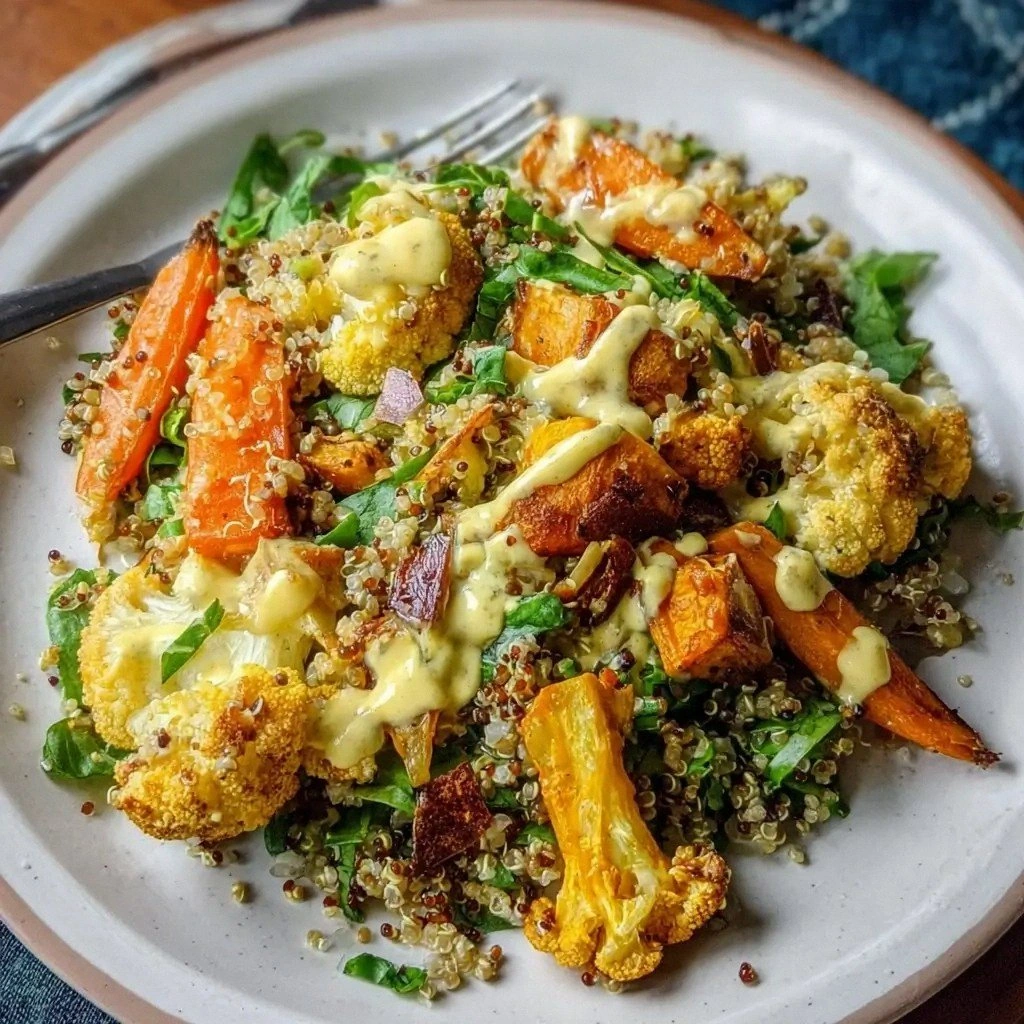
Picture this: a bowl of fluffy quinoa, bright orange carrot cubes, tender cauliflower florets, and a drizzle of sunshine‑infused dressing that glistens like liquid gold. The crunch of the roasted veggies gives the dish a satisfying texture that plays against the soft grains of quinoa, while the lemon zest lifts every bite with a citrusy brightness. The secret? A balance of simple, high‑quality ingredients that let each component shine without competing. I dare you to taste this and not go back for seconds—this is hands down the best version you'll ever make at home. If you've ever struggled with bland roasted veggies or undercooked quinoa, you're not alone—and I've got the fix.
What makes this recipe stand out is not just the flavor, but the way it transforms ordinary vegetables into a dish that feels like a celebration. The method is straightforward, yet each step is a micro‑challenge that rewards you with a burst of flavor. The result is a dish that feels like it was made by a chef in a Michelin‑star kitchen, but you can recreate it in your own kitchen with minimal prep time. The vibrant colors and the subtle caramelization of the veggies create a visual feast that makes the dish Instagram‑worthy. By the end of this post, you'll wonder how you ever made it any other way.
Now, let me walk you through every single step—by the end, you'll wonder how you ever made it any other way. From the first stir of olive oil to the final sprinkle of feta, each action is designed to elevate the dish. We'll dive deep into ingredient choices, roasting techniques, and finishing touches that bring everything together. You'll learn how to avoid common pitfalls and how to tweak the recipe to suit your taste or dietary needs. And trust me, this is pure magic when you see the finished bowl gleam with a golden, caramelized crust on the veggies.
So grab a notebook, preheat your oven, and let’s get started on a culinary adventure that’s both comforting and bold. The journey is simple, the outcome spectacular, and the flavors will linger in your memory long after the last bite. Let’s roll up our sleeves, fire up the oven, and turn this humble combination of carrots, cauliflower, and quinoa into a dish that deserves a spot on your weekly menu.
What Makes This Version Stand Out
- Flavor: The caramelized edges of the carrots and cauliflower give a natural sweetness that pairs beautifully with the bright lemon dressing. The roasted garlic infuses a deep, savory undertone that keeps the dish from feeling one‑dimensional. Together, they create a flavor profile that’s both comforting and adventurous.
- Texture: The quinoa remains fluffy and slightly chewy, providing a perfect contrast to the crisp, roasted veggies. The feta adds a creamy bite that melts into the grains, while the toasted almonds contribute a satisfying crunch. This layered texture makes each spoonful an experience.
- Simplicity: With fewer than a dozen ingredients, the recipe is quick to assemble and forgiving if you’re short on time. The single‑pan roasting eliminates cleanup, and the quinoa cooks in the same pot, saving you a trip to the stove.
- Uniqueness: The combination of roasted root vegetables with quinoa and a citrusy dressing is a fresh take on classic salads. The use of thyme and lemon zest adds an unexpected depth that elevates the dish beyond ordinary.
- Crowd Reaction: Friends who’ve tried this version rave about the vibrant colors and the “wow” factor of the roasted veggies. It’s a conversation starter at dinner parties and a crowd‑pleaser at potlucks.
- Ingredient Quality: The recipe relies on high‑quality, fresh produce, which makes a noticeable difference in taste. Using organic carrots and cauliflower, and sourcing quinoa from a reputable supplier, ensures a superior flavor.
- Cooking Method: The oven roast technique caramelizes the vegetables, creating a natural glaze without added sugars or sauces. This method locks in moisture while delivering a crispy exterior.
- Make‑ahead Potential: The dish can be prepared a day ahead, letting the flavors meld overnight. Simply reheat gently to preserve the crunch of the roasted veggies.
Alright, let's break down exactly what goes into this masterpiece. And before we dive into the ingredient details, here’s a quick kitchen hack that will make the roasting process a breeze.
Inside the Ingredient List
The Flavor Base
Quinoa: This ancient grain provides a nutty backdrop that anchors the dish. Its fluffy texture absorbs the lemony dressing, creating a harmonious mouthfeel. If you prefer a different grain, consider farro or barley for a heartier bite.
Olive Oil: A good quality extra virgin olive oil adds depth and helps the veggies caramelize. It also acts as a conduit for the lemon zest, allowing the citrus notes to permeate each bite. A drizzle of truffle oil is optional for an indulgent twist.
Lemon Zest & Juice: The zest delivers bright, aromatic oils, while the juice adds a tart counterpoint to the roasted sweetness. Together they create a dressing that feels like sunshine in a bowl. If you’re not a fan of citrus, a splash of apple cider vinegar can substitute.
The Texture Crew
Carrots: Their natural sugars caramelize when roasted, giving a sweet, caramelized flavor. Cutting them into 1‑inch cubes ensures even cooking and a satisfying bite. Baby carrots can be used for a quicker option.
Cauliflower: The florets absorb the olive oil and herbs, turning golden and slightly crispy on the edges. They provide a mild, earthy flavor that balances the carrots. A single head is enough for four servings, but feel free to add more if you love cruciferous veggies.
Almonds: Toasted and chopped, they add a nutty crunch that complements the quinoa’s chewiness. The almonds also bring a subtle buttery flavor that elevates the dish. For a vegan version, substitute with sunflower seeds.
The Unexpected Star
Feta Cheese: Crumbled over the top, the feta introduces a salty, creamy contrast that lingers on the palate. It also provides a subtle tang that pairs well with the citrus dressing. If you’re dairy‑free, try a plant‑based cheese or a sprinkle of nutritional yeast.
Fresh Herbs: Thyme and parsley infuse the dish with aromatic freshness. Thyme’s subtle piney flavor complements the roasted veggies, while parsley adds a bright, green note. Feel free to experiment with basil or cilantro for a different herbal profile.
The Final Flourish
Honey (Optional): A tablespoon of honey adds a touch of natural sweetness that balances the acidity of the lemon. It also helps create a glossy sheen on the dressing. If you prefer a vegan option, maple syrup works just as well.
Tahini (Optional): Mixing tahini into the dressing gives it a creamy, nutty undertone that thickens the sauce. It’s a great way to add protein and a subtle depth of flavor. For a dairy alternative, use cashew cream or Greek yogurt.
Everything's prepped? Good. Let's get into the real action.
The Method — Step by Step
- Preheat the oven to 425°F (220°C). This high temperature is key to caramelizing the veggies without drying them out. As the oven heats, the air inside your kitchen begins to buzz with anticipation. I always set a timer so I can focus on the next step without worrying about the clock. When the oven is ready, the aroma of fresh bread begins to mingle with the scent of impending caramelization.
- Rinse and dry the quinoa. Place the quinoa in a fine‑mesh strainer and rinse under cold water until the water runs clear. This step removes the natural saponins that can give quinoa a bitter edge. Pat it dry with a towel and set it aside; it’ll be the backbone of this dish. The grains should feel light and fluffy when you lift them, like a cloud of possibility. Remember, clean quinoa ensures a smooth, non‑grainy texture.
- Combine carrots, cauliflower, olive oil, garlic, thyme, salt, and pepper. Toss everything in a large bowl until the vegetables are evenly coated. The olive oil helps the spices adhere and creates a glossy sheen on the veggies. This is the moment you can adjust seasoning; taste a carrot to gauge saltiness. The aroma at this point should already be inviting, with hints of garlic and thyme dancing in the air. I always keep the bowl covered for a minute to let the flavors mingle.
- Spread the veggies on a baking sheet. Arrange them in a single layer to promote even roasting. If you’re short on space, use two sheets or rotate them halfway through cooking. The edges should be slightly lifted from the sheet for optimal caramelization. I like to place the sheet on a rack so the heat circulates around each piece. The sizzling sound that follows is the first sign of caramelization.
- Roast for 25 minutes, turning halfway. Turn the veggies with a spatula or tongs at the 12‑minute mark to ensure even browning. The carrots should be tender with a slight crunch, while the cauliflower florets develop a golden crust. Keep an eye on the edges; they should start pulling away from the sheet, indicating readiness. The aroma will intensify, filling the kitchen with a sweet, nutty fragrance. If you prefer a darker finish, add an extra 3–5 minutes.
- Cook quinoa in water or broth. While the veggies roast, bring 3 cups of water to a boil in a medium saucepan. Add the rinsed quinoa, reduce heat to low, cover, and simmer for 15 minutes. The grains should absorb all the liquid and become tender. Fluff with a fork to separate the grains; this prevents clumping. The quinoa will be ready just as the veggies finish roasting, creating a seamless workflow.
- Prepare the dressing. Whisk together lemon zest, lemon juice, honey (if using), tahini, and a pinch of salt in a small bowl. The dressing should be smooth and slightly thick. The citrus brightens the dish, while the honey adds a subtle sweetness. If the dressing is too thick, add a splash of water until it reaches your desired consistency. The result is a glossy sauce that clings to every grain.
- Combine roasted veggies, quinoa, and dressing. In a large bowl, gently fold the roasted carrots and cauliflower with the quinoa. Pour the dressing over the mixture and toss until everything is evenly coated. The quinoa should soak up the dressing, becoming slightly translucent. Sprinkle crumbled feta and toasted almonds over the top for a burst of flavor and texture. The dish is now ready for plating.
- Garnish and serve. Finish with a handful of chopped parsley and a squeeze of fresh lemon juice. The parsley adds a bright, green pop that contrasts with the warm tones. Plate the dish in shallow bowls or on a platter for a rustic presentation. The final dish should look vibrant, with golden roasted veggies and a glossy dressing that glistens like liquid gold. Enjoy while it’s warm for the best experience.
Insider Tricks for Flawless Results
The Temperature Rule Nobody Follows
Don’t let the oven temperature drop. A consistent 425°F ensures the veggies caramelize evenly and stay crisp. If the temperature fluctuates, the veggies may steam instead of roast, losing that coveted crunch. I always preheat for at least 15 minutes and use an oven thermometer to verify. This small step guarantees a perfect roast every time.
Why Your Nose Knows Best
Trust the aroma. The moment the carrots and cauliflower start to brown, you’ll detect a sweet, nutty scent. If the smell is faint, the veggies need more time. If it’s too strong, they’re nearing burn. I’ve learned to listen to my nose rather than the clock, which has saved me from countless burnt dishes.
The 5‑Minute Rest That Changes Everything
Let the quinoa rest for 5 minutes. After turning off the heat, cover the pot and let the grains sit. This step allows the steam to finish cooking the quinoa, making it fluffier and more tender. I always keep a timer handy; a 5‑minute rest is the difference between a dry and a moist grain.
Use a Silicone Spatula for Even Tossing
A silicone spatula keeps veggies from sticking. When you toss the roasted veggies with the dressing, the spatula’s flexible surface prevents the delicate florets from breaking. It also ensures an even distribution of oil and seasoning. A regular wooden spoon can leave bits clinging to the side, ruining the presentation.
Add a Splash of Water Before Reheating
Reheating can dry out the dish. Adding a tablespoon of water or broth before microwaving or steaming helps restore moisture. The steam lifts the quinoa back to its original fluffiness while keeping the veggies tender. I always cover the bowl to trap steam, which keeps the dish from drying out.
Keep the Baking Sheet Clean
Residual oil can cause uneven roasting. After each use, wash the sheet promptly to avoid sticking. I use a silicone baking mat for extra protection, which also makes cleanup a breeze. A clean sheet ensures each batch turns out the same, without burnt spots.
Creative Twists and Variations
Spicy Sriracha Kick
Add a tablespoon of sriracha to the dressing. The heat balances the sweetness of the carrots and the tang of lemon. It’s a great way to spice up the dish for dinner parties. Pair it with a side of cool yogurt to keep the palate refreshed. This variation works well with a side of naan or flatbread.
Mediterranean Flair
Swap feta for crumbled goat cheese. The goat cheese offers a tangier, creamier profile that complements the roasted veggies. Add a handful of Kalamata olives for a briny contrast. Finish with a drizzle of extra virgin olive oil. This version feels like a Mediterranean picnic, even in winter.
Protein‑Packed Power
Stir in a cup of cooked chickpeas. Chickpeas add a hearty texture and protein boost. They absorb the dressing, adding a subtle nuttiness. Pair this with a sprinkle of smoked paprika for a smoky depth. The result is a filling, satisfying meal that’s still light.
Vegan Delight
Omit feta and use a plant‑based cheese. Substitute tahini with cashew cream for a richer dressing. Add a handful of pumpkin seeds for crunch. The dish remains vibrant and full of flavor, proving that vegan meals can be just as indulgent.
Sweet & Salty Surprise
Incorporate diced apples. The apples add a sweet, crisp bite that contrasts with the roasted veggies. Drizzle with a touch of maple syrup for extra sweetness. This version is perfect for fall gatherings, bringing a touch of autumnal charm. The apple’s natural sugars caramelize during roasting, creating a delightful glaze.
Breakfast Boost
Serve with a poached egg on top. The runny yolk adds richness and ties the dish together. Sprinkle with chives for a fresh finish. This variation transforms the salad into a hearty breakfast that keeps you full until lunch. Pair it with a slice of toasted sourdough for a complete meal.
Storing and Bringing It Back to Life
Fridge Storage
Store in an airtight container. Keep the dish in the fridge for up to 3 days. The quinoa will stay fluffy, and the roasted veggies retain their crunch. When reheating, add a splash of water to keep the grains moist. A quick stir will revive the dressing’s glossy sheen. Serve at room temperature for the best flavor.
Freezer Friendly
Freeze in a single layer before sealing. The dish can be frozen for up to 2 months. Thaw overnight in the fridge before reheating. Reheat in the microwave, adding a tablespoon of broth to prevent drying. The texture remains intact, and the flavors are preserved. This method is ideal for meal prep enthusiasts.
Best Reheating Method
Use the stovetop for gentle reheating. Place the dish in a pan over low heat, stirring occasionally. Add a small amount of water to create steam, which keeps the quinoa from drying out. The heat should be low enough to avoid overcooking the veggies. This method preserves the crunch and keeps the dressing silky. Serve immediately for a fresh experience.