It all started on a rainy Saturday when I tried to rescue a batch of over‑cooked green beans that had been left in a pot for too long. The beans looked limp, the potatoes were a dull gray, and I was staring at a pot that smelled like disappointment. I was determined to turn that kitchen disaster into a triumph, so I grabbed a sheet pan, tossed the beans and diced potatoes in olive oil, added a few cloves of crushed garlic, and slid it into the oven. The moment the timer dinged, the air was filled with the scent of caramelized veggies, a smell that promised a new culinary adventure. I dared myself to taste this and not go back for seconds, and the first bite was a revelation—crisp edges that crackled like thin ice, tender interiors that melted in your mouth, and a burst of savory flavor that made me feel like I’d discovered a secret recipe. That single moment made me realize that the simple act of roasting can elevate humble ingredients into a dish that feels both comforting and sophisticated. I was so excited that I decided to share every detail, from the exact ratio of oil to the timing that gives you the perfect crunch, so you can recreate this masterpiece in your own kitchen. Let me walk you through every single step — by the end, you’ll wonder how you ever made it any other way.
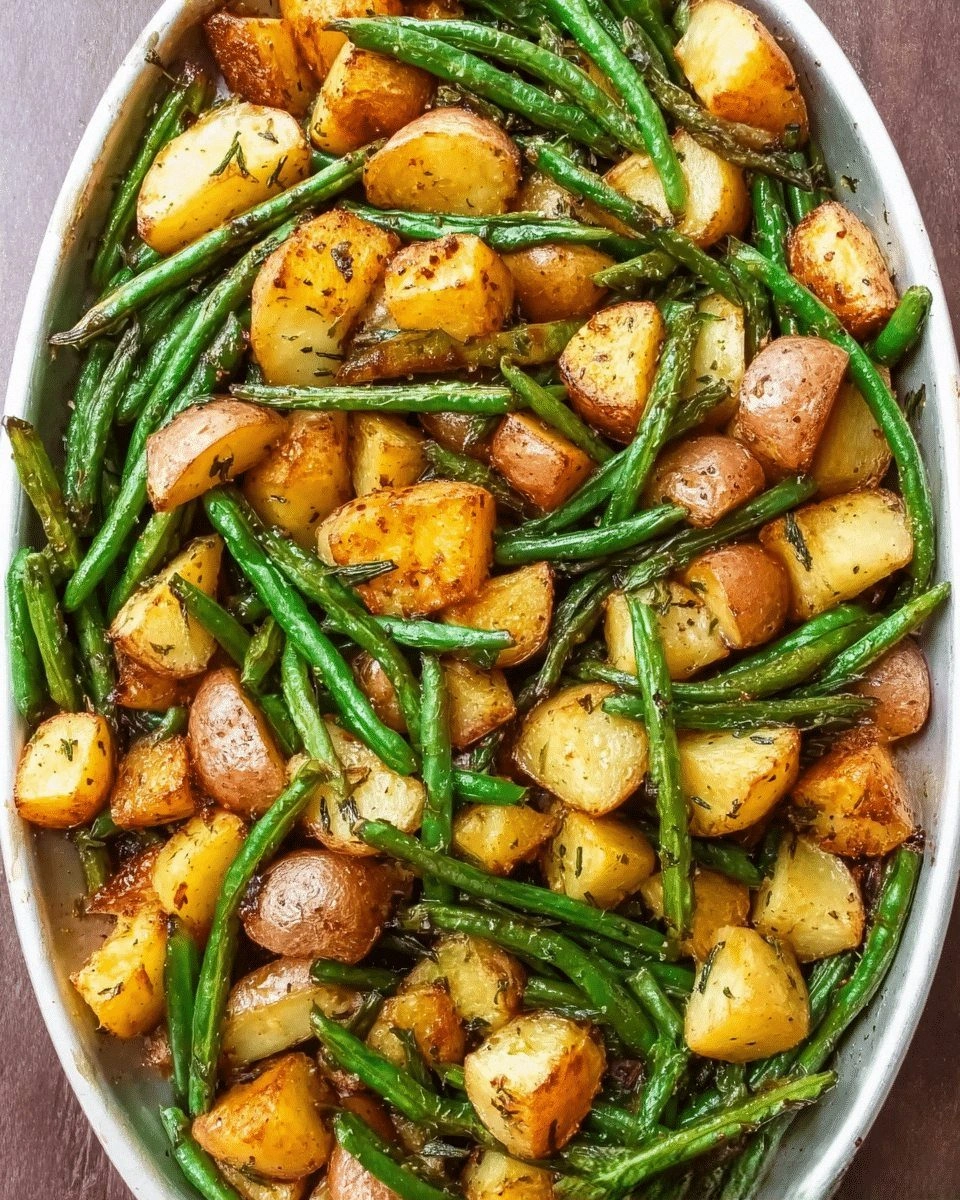
The first thing you notice is the visual contrast: bright green beans speckled with golden potato cubes, all glistening with a thin sheen of olive oil. When you lift the pan, steam rises in a fragrant cloud of garlic, lemon zest, and Parmesan, a scent that instantly turns the kitchen into a cozy, inviting space. The sound of the oven timer ticking is a metronome of anticipation, and the clatter of the spoon as you stir the mixture feels like a tiny celebration. The texture is a dance of crisp and soft—each bean has a satisfying snap, while the potato remains buttery on the inside. The flavor profile is layered: the earthiness of the potatoes, the bright acidity of lemon, the umami of Parmesan, and the subtle heat of red pepper flakes. It’s the kind of dish that satisfies without overwhelming, making it a perfect side for a hearty dinner or a stand‑alone light meal. Most recipes get this completely wrong by over‑roasting the vegetables or using too much oil, but here we strike the perfect balance. Picture yourself pulling this out of the oven, the whole kitchen smelling incredible, and a plate that looks as good as it tastes.
If you’ve ever struggled with getting green beans to stay crisp or potatoes to roast evenly, you’re not alone. The trick is to cut the potatoes into uniform cubes, toss them with a bit of oil and salt, and let them roast on their own for a few minutes before adding the beans. This ensures the potatoes get a chance to brown while the beans finish cooking. Another common mistake is using too much garlic; too much can burn and turn bitter, so we add the garlic in the last five minutes of roasting. The use of lemon zest is a game‑changer—it brightens the dish without adding acidity, giving it a fresh, almost citrusy lift that makes the dish feel lighter. The Parmesan isn’t just a garnish; it melts into a creamy coating that clings to each piece, adding a savory depth that makes every bite feel indulgent. Finally, the pinch of red pepper flakes adds a subtle heat that’s just enough to keep the dish interesting without overwhelming the delicate flavors. This is hands down the best version you’ll ever make at home.
I’ll be honest — I ate half the batch before anyone else got to try it. The first handful was so good that I couldn’t stop, and by the time the second portion was ready, I was already planning the next round. The dish is so versatile that it can be served hot as a side dish, or you can let it cool and toss it into a salad for a refreshing lunch. It also pairs wonderfully with grilled proteins, like chicken or steak, or even with a simple quinoa base for a vegetarian main. The best part is that it’s so simple you can make it on a weekday, and the flavor is so rich that it feels like a weekend indulgence. If you’re looking to impress guests, this dish will have them asking for the recipe, and you’ll be able to brag about how you nailed the perfect roast. And now the fun part: let’s dive into the ingredients that make this dish so special.
Alright, let’s break down exactly what goes into this masterpiece. The key is to use fresh, high‑quality ingredients that can stand up to roasting without losing their character. Fresh green beans should be bright green, firm, and free of brown tips. Potatoes should be medium‑size, waxy varieties like Yukon Gold, which hold their shape when roasted. Olive oil is the base of the coating, but a high‑smoke‑point oil like avocado or grapeseed can also work if you’re aiming for extra crispness. Garlic adds depth; minced or crushed, it should be evenly distributed so every bite has a hint of flavor. Salt and pepper are essential for seasoning, but keep them light to let the natural flavors shine. Parmesan cheese adds a nutty, salty finish that melts into a silky coating. Lemon zest brightens the dish without making it acidic, while red pepper flakes give a subtle kick that balances the richness.
What Makes This Version Stand Out
- Flavor: The combination of caramelized potatoes, fresh green beans, and a Parmesan glaze creates a complex flavor profile that feels both comforting and elevated.
- Texture: Crisp edges on the beans and potatoes give a satisfying crunch, while the interior remains tender and buttery.
- Visual Appeal: The golden hue of roasted vegetables paired with bright green beans makes for an Instagram‑ready plate.
- Simplicity: With just a handful of ingredients and a single pan, the dish is easy to prepare and clean up.
- Ingredient Quality: Using high‑quality olive oil and fresh garlic elevates the dish beyond a basic side.
- Make‑Ahead Potential: The dish can be pre‑roasted and reheated without losing its crunch, making it ideal for meal prep.
- Versatility: Works as a side, a main with quinoa, or a topping for salads.
- Audience Impact: Guests will rave about the flavor and texture, making it a crowd‑pleaser at any gathering.
Alright, let's break down exactly what goes into this masterpiece... Now, a quick Kitchen Hack to keep the veggies from sticking.
Inside the Ingredient List
The Flavor Base
Olive oil is the unsung hero that brings everything together. It creates a protective coating around the beans and potatoes, preventing them from drying out while roasting. A tablespoon of oil per cup of veggies is enough to achieve a golden finish without making the dish greasy. If you’re looking for extra crispness, switch to avocado oil, which has a higher smoke point and a neutral taste.
The Texture Crew
Green beans and potatoes each bring distinct textures. The beans provide a snap that’s reminiscent of fresh spring greens, while the potatoes offer a creamy interior that melts in your mouth. Cutting the potatoes into even cubes ensures they roast uniformly, preventing some pieces from becoming mushy while others remain undercooked. Remember, the key to crisp edges is a dry surface; pat the veggies dry before tossing them in oil.
The Unexpected Star
Lemon zest is the secret weapon that elevates this dish. It adds a bright, citrusy note that cuts through the richness of the oil and Parmesan. Unlike lemon juice, zest doesn’t introduce acidity, so the dish stays balanced. A tablespoon of zest is enough to infuse the entire batch with a subtle freshness that makes the dish feel lively.
The Final Flourish
Parmesan cheese is more than a topping; it melts into a silky coating that clings to each vegetable, adding umami and a touch of saltiness. Grated Parmesan should be added in the last five minutes of roasting to prevent it from burning. If you prefer a vegan option, sprinkle nutritional yeast or a vegan Parmesan alternative for a similar flavor profile. The red pepper flakes provide a gentle heat that balances the dish’s richness without overpowering the subtle flavors.
Fun Fact: Did you know that the first recorded use of green beans in Europe dates back to the 12th century? They were prized for their crispness and served as a garnish in royal courts. Today, they’re a staple in countless cuisines.
Everything's prepped? Good. Let's get into the real action...
The Method — Step by Step
- Preheat the oven to 425°F (220°C). This high temperature is essential for caramelization. While the oven warms, wash and trim the green beans, removing any stringy ends. Pat them dry with a clean towel; moisture will steam rather than roast, preventing crispness.
- Dice the potatoes into ½‑inch cubes. Uniform size ensures even cooking. Toss the cubes in a bowl with 2 tablespoons of olive oil, a pinch of salt, and ¼ teaspoon of pepper. Let them sit for 5 minutes to absorb the seasoning.
- Arrange the potatoes on a parchment‑lined sheet pan. Spread them out in a single layer so each piece has air on all sides. Place the pan in the oven and roast for 10 minutes. This initial roasting starts the caramelization process.
- After 10 minutes, add the green beans. Toss them with the remaining 1 tablespoon of olive oil, minced garlic, and a pinch of red pepper flakes. Spread the mixture in a single layer over the potatoes. Return to the oven.
- Roast for an additional 15 minutes. The potatoes should be golden and the beans crisp. Use a spatula to stir halfway through to ensure even cooking. The aroma should become nutty and buttery, signaling readiness.
- In the final 5 minutes, sprinkle grated Parmesan and lemon zest. The cheese will melt into a silky coating, while the zest will release bright citrus oils. Keep an eye on the dish; the cheese should brown slightly but not burn.
- Remove the pan from the oven. Let the vegetables rest for 3 minutes; this allows the juices to redistribute and the edges to set. Taste and adjust seasoning if necessary.
- Serve immediately. The dish is best enjoyed hot, straight from the pan. Garnish with a few extra lemon zest or a drizzle of olive oil if desired.
- Optional: For a protein boost, add grilled chicken or tofu on top. This turns the side into a hearty main. The protein will absorb the flavors of the roasted vegetables, creating a cohesive meal.
That's it — you did it. But hold on, I've got a few more tricks that'll take this to another level...
Insider Tricks for Flawless Results
The Temperature Rule Nobody Follows
Many cooks roast at 400°F, but 425°F gives a better caramelization and crunch. The higher temperature also shortens cooking time, preserving the bright green color of the beans. If your oven runs hot, keep an eye on the edges to avoid burning. This trick ensures your dish looks and tastes like a Michelin‑grade creation.
Why Your Nose Knows Best
The aroma of garlic roasting is a sign that the oil is hot enough. If you smell a faint, sweet scent, the oil is ready to coat the veggies. A strong, buttery smell indicates the potatoes are caramelizing. Trust your nose; it’s the most reliable indicator of doneness.
The 5-Minute Rest That Changes Everything
Letting the dish rest after roasting allows the juices to redistribute, ensuring each bite is moist and flavorful. The rest period also lets the Parmesan coating set, preventing it from sliding off when you plate the dish. I’ve seen people skip this step, and the result is a soggy, unevenly seasoned plate.
Keep It Moist, Not Steamy
If the pan gets too crowded, the vegetables will steam and lose crispness. Spread them out in a single layer and, if necessary, use two pans to give each piece space. This simple adjustment guarantees a crisp finish every time.
Finish with Fresh Herbs
A handful of chopped fresh parsley or basil added just before serving brightens the dish and adds a burst of color. The herbs complement the lemon zest and cut through the richness of the Parmesan. If you’re vegan, a sprinkle of chopped chives works beautifully.
Creative Twists and Variations
This recipe is a playground. Here are some of my favorite ways to switch things up:
Mediterranean Twist
Swap the Parmesan for feta and add a handful of Kalamata olives. Drizzle with a splash of extra‑virgin olive oil and a squeeze of lemon juice. This version feels like a sunny Mediterranean picnic, perfect for a summer lunch.
Spicy Cajun Variation
Replace the red pepper flakes with a teaspoon of Cajun seasoning. Add a dash of smoked paprika for depth. The result is a bold, fiery side that pairs well with grilled shrimp.
Garlic Parmesan Upgrade
Increase the amount of garlic to 5 cloves and finish with a generous sprinkle of grated Parmesan. This intensifies the savory profile, making the dish feel indulgent and comforting.
Vegan Comfort
Replace Parmesan with nutritional yeast and use a plant‑based oil like sunflower. Add a splash of soy sauce for umami. The dish becomes a hearty, cruelty‑free option that still satisfies.
Herb Garden Finale
Finish with a mix of fresh thyme, rosemary, and oregano. Toss the veggies in a little butter before roasting to create a fragrant, herb‑rich coating. This version feels like a rustic farmhouse dinner.
Storing and Bringing It Back to Life
Fridge Storage
Cool the roasted vegetables to room temperature, then transfer them to an airtight container. Store in the refrigerator for up to 4 days. Before serving, reheat in a skillet over medium heat for 3–4 minutes, stirring frequently.
Freezer Friendly
Pack the cooled veggies in a freezer‑safe bag, removing as much air as possible. Freeze for up to 2 months. Thaw overnight in the refrigerator and reheat in the oven at 350°F for 10 minutes.
Best Reheating Method
Reheat in a preheated oven at 350°F, adding a splash of water or broth to the pan. The liquid steams the vegetables, restoring moisture without making them soggy. This trick keeps the dish tasting fresh and flavorful.