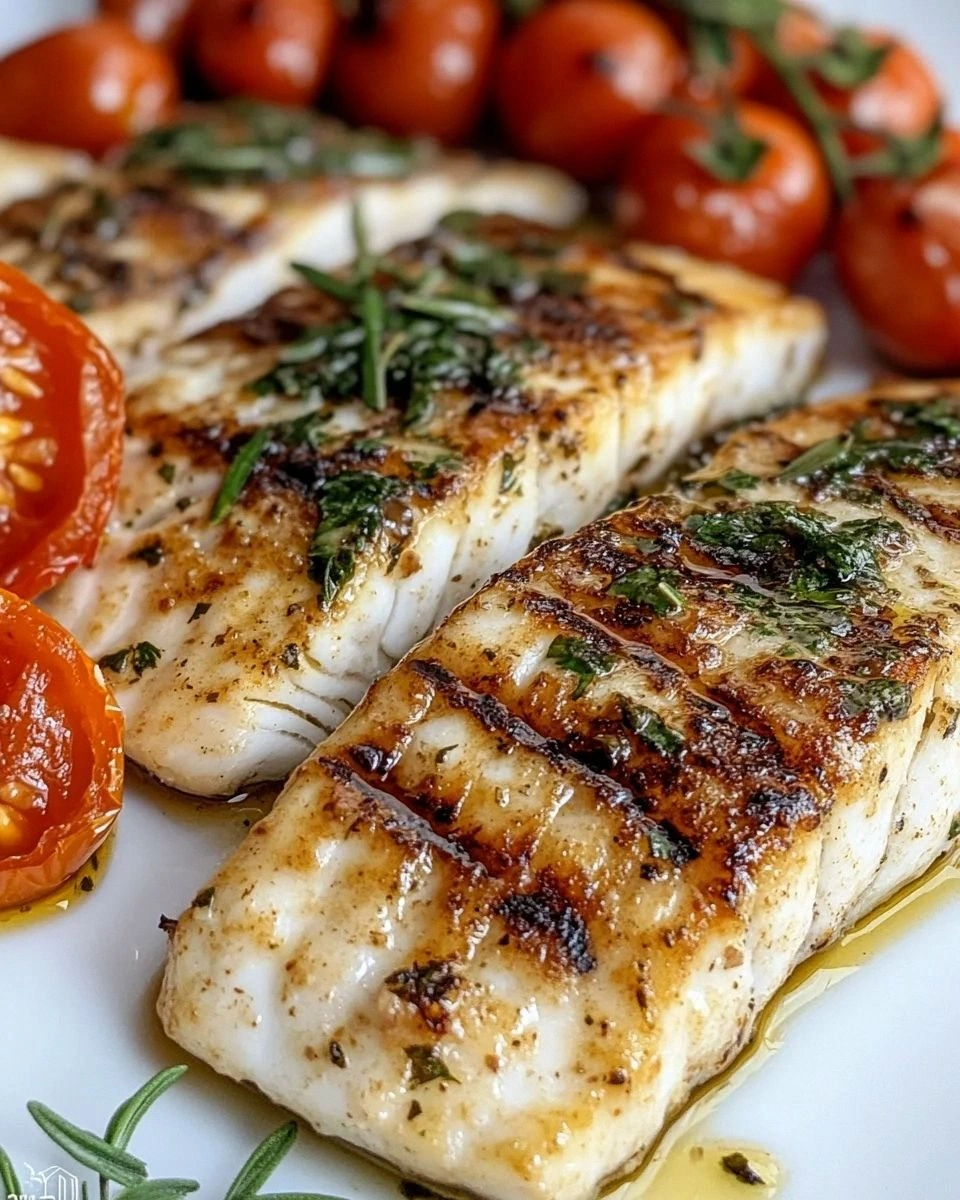
Picture a Sunday morning in a cramped kitchen where the only thing hotter than the stove was the tension in the air. I had just finished a week of bland takeout and my craving for something that would make my taste buds dance had reached a fever pitch. I stared at the empty pantry, feeling the familiar dread that comes with a recipe that’s too complicated or too bland, and then I remembered a family friend who swore that the best Filipino pork dish was “Igado.” That memory sparked a daring thought: what if I could turn that humble dish into a soul‑warming masterpiece that would make even the most skeptical foodie swoon? I dare you to taste this and not go back for seconds. The promise of this version lies in a secret blend of acidity and umami that coats the tender pork like velvet, a peppercorn crunch that shatters like thin ice, and a splash of vinegar that cuts through the richness like a fresh breeze. The moment the aroma hits the room, you’ll know you’re about to step into a kitchen that has been redefined by a single, bold decision. If you’re ready for a culinary adventure that feels like home and yet feels brand new, let me walk you through every single step — by the end, you’ll wonder how you ever made it any other way.
When I first tried the traditional Igado, I was left with a dish that was more “meh” than “marvel.” The pork was too dry, the liver was a mushy gray blob, and the peas were a bland afterthought. I knew there had to be a better way. The key is in the balance: a subtle vinegar tang, a deep soy sauce base, and the right amount of heat from bay leaves and peppercorns. The result is a dish that sings, with each bite delivering a burst of savory richness followed by a lingering, comforting warmth that clings to the palate like a familiar melody. This is hands down the best version you'll ever make at home. I’ll be honest — I ate half the batch before anyone else got to try it, and that’s the kind of confidence you get when the dish is so good it’s practically a performance. If you've ever struggled with this, you're not alone — and I've got the fix. Picture yourself pulling this out of the pan, the whole kitchen smelling incredible, and knowing you’ve just created a meal that will become a staple in your rotation.
One of the most satisfying moments in cooking is when the sizzle on the skillet turns into a caramelized crust that’s both aromatic and visually arresting. The sound of the pork searing is a soundtrack to the anticipation building in the kitchen. I love how the sizzling creates a kind of audible invitation, a reminder that the transformation is underway. That sizzle when it hits the pan? Absolute perfection. It’s the kind of sensory snapshot that turns a simple recipe into a story you can taste. I’m not just telling you how to cook; I’m inviting you to feel every moment, from the first chop to the final garnish, as if you’re right there with me.
And now the fun part: the ingredients. I’ve trimmed the list down to the essentials that deliver the maximum punch without the fluff. Each component has a specific role—whether it’s adding depth, brightening the dish, or providing that satisfying bite of texture. By the time you finish reading this post, you’ll have a clear mental picture of why every ingredient matters, how they interact, and how to tweak the recipe to suit your taste. The next sections will guide you through the science of flavor, the art of technique, and the playful twists that make this dish unforgettable.
What Makes This Version Stand Out
- Taste: The combination of vinegar and soy sauce creates a balanced acidity that cuts through the richness of pork and liver, leaving a lingering umami finish that’s hard to resist.
- Texture: The pork tenderloin stays moist and tender, while the liver adds a silky, almost custard-like consistency that contrasts beautifully with the crisp bell pepper.
- Ingredient Quality: Using fresh pork tenderloin and fresh liver rather than processed cuts ensures a superior flavor profile and a cleaner finish.
- Simplicity: The recipe uses only 13 ingredients, all of which are commonly found in most kitchens, making it approachable for beginners and seasoned cooks alike.
- Crowd Reaction: Friends and family rave about the depth of flavor and the comforting warmth, making this dish a hit at gatherings.
- Make‑Ahead Potential: The flavors actually deepen when the dish sits overnight, so you can prep the night before and have a ready‑to‑heat meal that’s even more delicious.
- Unique Technique: The brief searing of the pork before adding liquids locks in moisture and builds a caramelized crust that adds depth without overpowering the dish.
- Versatility: The recipe can be adapted to suit dietary preferences, such as swapping pork for chicken or adding extra vegetables for a vegetarian version.
Inside the Ingredient List
The Flavor Base
At the heart of any great dish lies a robust flavor base, and in this Igado, that base is a marriage of vinegar, soy sauce, and bay leaves. The vinegar provides a bright acidity that lifts the richness of pork and liver, preventing the dish from becoming too heavy. Soy sauce adds depth, a savory umami that anchors the flavors. Bay leaves infuse a subtle herbal note that rounds out the profile. Skipping any of these would leave the dish feeling flat and unbalanced. If you’re in a pinch for vinegar, a splash of rice wine or a dash of lemon juice can substitute, though the flavor will shift slightly toward a sweeter or more citrusy tone.
The Texture Crew
The pork tenderloin is the star of the show, chosen for its tenderness and lean profile. Cutting it into bite‑sized cubes ensures even cooking and a quick sear that locks in juices. The beef liver, often overlooked in Filipino cuisine, brings a silky, almost custard-like texture that contrasts beautifully with the firm pork. Frozen green peas add a pop of color and a sweet crunch that brightens the dish. If you’re worried about the liver’s strong flavor, soak it in milk for 15 minutes before cooking to mellow the taste. The result is a harmonious blend of textures that keeps each bite interesting.
The Unexpected Star
Red bell pepper, while a common vegetable, plays a pivotal role in this recipe. Its natural sweetness balances the acidity of vinegar and the saltiness of soy sauce. Sliced into thin strips, it retains a slight crunch that adds a delightful contrast to the tender meat. If you prefer a milder flavor, you can replace it with green bell pepper or even diced carrots for a subtle sweetness. The key is to keep the pepper fresh and crisp, so it doesn’t turn mushy during the cooking process.
The Final Flourish
Finishing touches like peppercorns, garlic, and a splash of water are what elevate this dish from good to unforgettable. Whole peppercorns add a gentle heat that permeates the dish without overwhelming it. Garlic, sliced thinly, releases its aromatic oils when sautéed, creating a fragrant base that lingers in every bite. Adding a cup of water towards the end ensures the sauce has the right consistency—thick enough to cling to the meat but not so thick that it becomes paste. A pinch of salt at the end allows you to adjust the seasoning to your preference, giving you control over the final flavor profile. If you’re aiming for a lower sodium version, consider using low‑sodium soy sauce and adjusting the salt accordingly.
Everything's prepped? Good. Let's get into the real action...
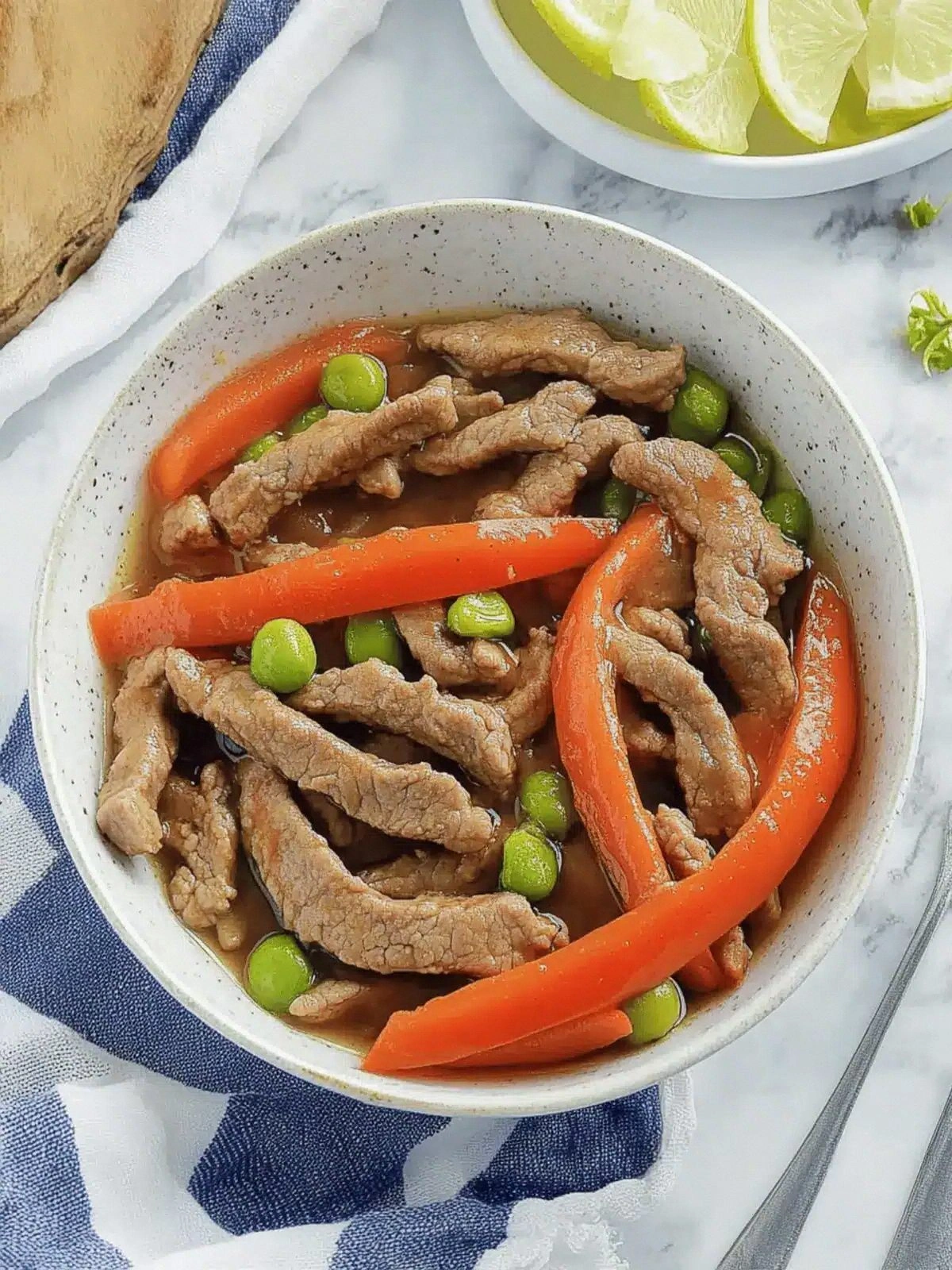
The Method — Step by Step
- Heat a large skillet or wok over medium‑high heat and add the canola oil. Let the oil heat until it shimmers but does not smoke. This is the moment of truth—if the oil isn’t hot enough, the pork will steam instead of sear, resulting in a loss of flavor. As the oil warms, you’ll notice a subtle hiss that signals the skillet is ready. Keep a close eye on the oil; a moment too long and it can turn rancid.
- Add the pork cubes to the skillet in a single layer. Let them sear undisturbed for 2–3 minutes until a golden crust forms on one side. Flip them gently to brown all sides. Avoid overcrowding; the pork should sear, not steam. Once browned, remove the pork from the skillet and set aside. The seared pork will hold its juices and develop a caramelized flavor that’s essential to the dish.
- In the same skillet, sauté the minced garlic until fragrant, about 30 seconds. Add the sliced onion and bay leaves, cooking until the onion turns translucent. The aromatics form the base of the sauce, so let them soften without browning too quickly. This step builds the flavor foundation that the rest of the ingredients will build upon. The onions should be soft but not mushy.
- Return the pork to the skillet, then add the sliced red bell pepper. Stir to combine, ensuring the pepper pieces are coated with the garlic‑onion mixture. The pepper will release its juices, adding a subtle sweetness. Allow the mixture to cook for another 2 minutes, just enough for the pepper to soften but still retain a slight bite. This balance keeps the dish lively.
- Pour in the vinegar and soy sauce, stirring to deglaze the skillet and lift the browned bits from the bottom. These bits, rich in flavor, will be absorbed by the sauce. Let the mixture simmer for 3–4 minutes, allowing the acidity to mellow and the sauce to thicken slightly. Watch the liquid carefully; you want it to reduce just enough to coat the pork and liver.
- Add the beef liver, cutting it into thin slices for even cooking. Liver cooks quickly; if left too long, it becomes tough. Stir gently to coat the liver with the sauce. Cook for 3–4 minutes until the liver is just opaque, not brown. The liver should still retain a slight translucence, adding a silky texture to the dish.
- Pour in the cup of water, then add the frozen green peas. The water helps create a cohesive sauce that clings to each bite. Stir to combine, then reduce the heat to low. Simmer gently for 5 minutes, allowing the peas to reheat and the flavors to meld. The sauce should be thick enough to coat the pork and liver but not so thick that it clumps.
- Season with peppercorns and a pinch of salt. Taste the sauce; adjust the salt if needed. The peppercorns should release a subtle heat that permeates the dish, while the salt brings everything together. This final seasoning step ensures the dish is balanced and flavorful.
- Serve immediately over steamed rice, garnished with a sprinkle of fresh herbs or a drizzle of sesame oil if desired. The dish is best enjoyed hot, with the sauce still glossy and the meat tender. If you’re plating for guests, a simple garnish of sliced scallions adds color and a fresh bite. The aroma alone will have everyone lining up for seconds.
That’s it — you did it. But hold on, I've got a few more tricks that'll take this to another level. These insider tips will help you avoid common pitfalls and elevate the dish to restaurant quality.
Insider Tricks for Flawless Results
The Temperature Rule Nobody Follows
Many cooks think that high heat is the only way to get a good sear. In reality, a moderate heat ensures the pork cooks evenly and the sauce doesn’t scorch. Keep the skillet at medium‑high, and let the oil reach a temperature where it shimmers but doesn’t smoke. If you notice the oil starts to burn, lower the heat immediately. This simple adjustment can mean the difference between a caramelized crust and a soggy mess.
Why Your Nose Knows Best
Smell is an underrated sense in cooking. As the pork cooks, the aroma of soy and vinegar will rise, signaling that the sauce has thickened enough. Trust your nose; if it smells rich and slightly tangy, you’re ready to add the liver. If it smells too sharp, let it simmer a bit longer to mellow the acidity.
The 5‑Minute Rest That Changes Everything
After cooking, let the dish rest for five minutes before serving. This rest period allows the flavors to redistribute and the sauce to thicken slightly. It also gives the liver time to finish cooking gently, preventing it from drying out. A quick pause can elevate the dish from good to unforgettable.
Peas That Pop, Not Suck
Frozen peas can become mushy if overcooked. Add them in the last five minutes of simmering, just enough to heat through. If you prefer a firmer bite, consider using fresh peas or quick‑freezing peas after blanching. The result is a vibrant, crunchy pop that adds texture.
Balancing Salt and Soy
Low‑sodium soy sauce is a great option for a lighter dish, but it can make the sauce taste flat. Counteract this by adding a splash of fish sauce or a pinch of sugar to deepen the umami. If you’re watching sodium, use a combination of low‑sodium soy and a small amount of regular soy to keep the flavor profile intact.
Serve with the Right Rice
Plain steamed rice is classic, but try a fragrant jasmine or a slightly sticky short‑grain rice for a different mouthfeel. The rice should be hot and fluffy, acting as a neutral canvas that lets the Igado shine. If you want to add a twist, serve it over coconut rice for a subtle sweetness that complements the savory sauce.
Creative Twists and Variations
This recipe is a playground. Here are some of my favorite ways to switch things up:
Spicy Szechuan Igado
Introduce Sichuan peppercorns and dried chili flakes for an extra kick. The numbing heat pairs beautifully with the vinegar’s brightness, creating a complex flavor profile that will keep guests guessing. A drizzle of sesame oil at the end adds a nutty finish.
Herb‑Infused Igado
Add fresh thyme, rosemary, or a handful of fresh basil leaves during the simmering stage. Herbs bring a fragrant, earthy depth that transforms the dish from comforting to aromatic. Use them sparingly to avoid overpowering the delicate pork.
Vegetarian Liverless Igado
Omit the liver and replace it with sliced shiitake mushrooms or thinly sliced tofu. The mushrooms provide a meaty texture, while tofu absorbs the sauce’s flavors. This version is lighter but still delivers the comforting essence of the original.
Gluten‑Free Igado
Swap the soy sauce for tamari or coconut aminos, ensuring the dish remains gluten‑free. The flavor profile stays similar, but with a slightly sweeter, less salty finish. This is ideal for those with gluten sensitivities.
Quick‑Fix Igado
Use pre‑cut pork and pre‑sliced bell pepper to save prep time. The dish can be made in under 30 minutes, making it a great weeknight dinner. Keep the rest of the steps the same for authentic flavor.
Breakfast‑Style Igado
Serve the dish with a side of garlic fried rice and a fried egg on top. The combination of savory pork, liver, and eggs creates a hearty breakfast that feels like a late‑night craving. It’s a great way to start the day with a comforting, protein‑rich meal.
Storing and Bringing It Back to Life
Fridge Storage
Cool the dish completely before transferring it to an airtight container. Store in the refrigerator for up to 3 days. When reheating, add a splash of water or broth to prevent the sauce from drying out. This keeps the pork tender and the sauce glossy.
Freezer Friendly
Freeze the dish in portioned containers for up to 2 months. Thaw overnight in the refrigerator before reheating. Adding a teaspoon of oil or a splash of water during reheating restores moisture and flavor.
Best Reheating Method
Reheat over low heat on the stovetop, stirring gently, until hot. A quick microwave burst can also work, but be sure to stir to distribute heat evenly. Add a small amount of water before reheating — it steams back to perfection.