I was standing in my kitchen, staring at a half‑baked pork loin that had turned into a sad, dry slab of meat. The oven had been too hot, the timer too short, and the result was a culinary tragedy that made me swear off pork forever. But then a friend texted me a recipe for Hawaiian pork loin with a tropical pineapple glaze that promised a flavor explosion I couldn’t ignore. That text was the spark that turned my kitchen disaster into a mission: I had to make this dish better than any other version I’d ever tasted.
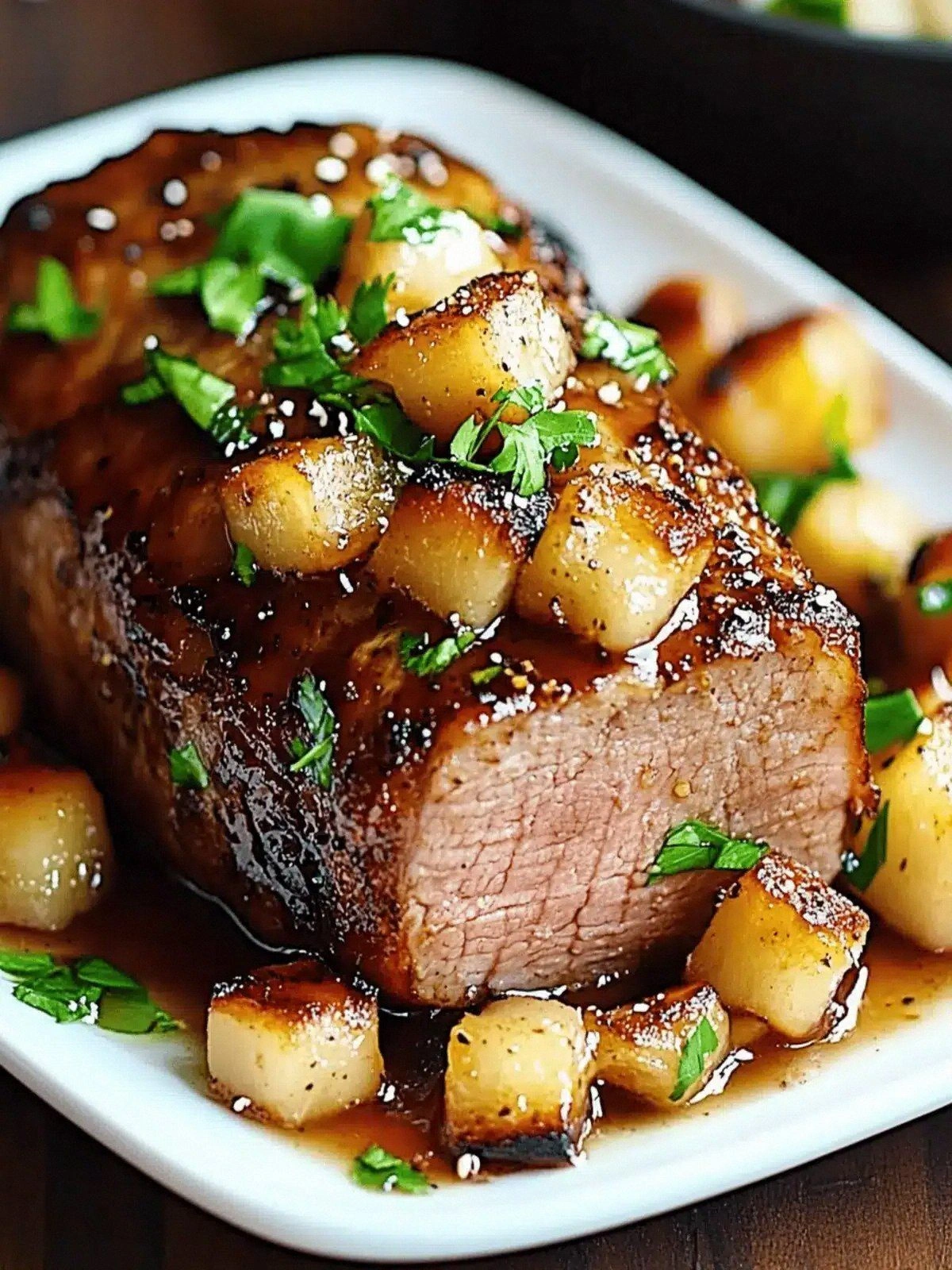
Picture this: the pork loin is seared until it’s a caramelized, golden crust, then slow‑cooked to melt‑away tenderness. The air fills with a sweet, smoky aroma that makes the entire house smell like a beach resort. When you slice into it, the juices run like liquid sunshine, and the pineapple glaze clings to every bite like a silky, tangy blanket. The contrast of the sweet glaze against the savory pork feels like a well‑executed duet, and the heat from the jalapeño gives it a subtle kick that lingers on the tongue.
What sets this version apart is that it’s not just a recipe; it’s a carefully engineered flavor symphony. The glaze is thick enough to coat the meat without drowning it, thanks to a precise blend of cornstarch and pineapple juice. The pork is never overcooked because the low‑heat roast method locks in moisture. And the final garnish of fresh cilantro and lime juice adds a bright, herbal finish that cuts through the richness like a cool breeze. I dare you to taste this and not go back for seconds; it’s that addictive.
I’ve tried countless pork loin recipes over the years, but this one is hands down the best version you’ll ever make at home. It’s a blend of sweet, salty, spicy, and herbal notes that dance on the palate. The technique is simple yet precise, making it accessible for beginners and a win for seasoned chefs alike. Stay with me here, because by the end of this post you’ll wonder how you ever made it any other way.
What Makes This Version Stand Out
- Flavor: The pineapple glaze is a masterful balance of sweetness and acidity that elevates the pork’s natural umami. The glaze’s velvety texture coats the meat, creating a luscious mouthfeel that feels both indulgent and refreshing.
- Texture: The pork is seared to a caramelized crust and then slow‑cooked to melt‑away tenderness, giving you a contrast of crisp edges that shatter like thin ice and silky interior.
- Simplicity: With just a handful of pantry staples and fresh produce, you can create a restaurant‑quality dish that feels effortless.
- Uniqueness: The combination of pineapple, soy sauce, and fresh ginger creates a flavor profile that is both exotic and comforting.
- Crowd‑Pleaser: The dish’s bright, tropical vibe makes it an instant hit at family gatherings, potlucks, or a quiet dinner for two.
- Ingredient Quality: Fresh pineapple and cilantro bring bright, vibrant flavors that elevate every bite.
- Cooking Method: The low‑heat, slow‑roast technique ensures the pork stays juicy while the glaze thickens to perfection.
- Make‑Ahead Potential: The glaze can be prepared ahead, and the pork can be reheated without losing its succulent texture.
Alright, let’s break down exactly what goes into this masterpiece…
Inside the Ingredient List
The Flavor Base
The pineapple juice and brown sugar are the sweet heart of the glaze. They create a syrupy consistency that caramelizes beautifully when the pork rests. Skipping either of these would leave the glaze thin and under‑developed, resulting in a bland finish. If you prefer a less sweet version, reduce the brown sugar by half and add a splash of lime juice to keep the acidity.
Soy sauce brings a savory depth that balances the sweetness. A low‑sodium option keeps the dish from becoming too salty, allowing the pineapple’s bright notes to shine. If you’re avoiding soy, tamari or coconut aminos can substitute without compromising flavor.
Apple cider vinegar adds a subtle tang that cuts through the richness of the pork. It also helps tenderize the meat during the slow‑roast. If you can’t find apple cider vinegar, white wine vinegar or rice vinegar work well.
The Texture Crew
Cornstarch and water form a slurry that thickens the glaze to a silky glaze that clings to the meat. Without this mixture, the sauce would remain watery and fail to coat the pork. For a gluten‑free version, use arrowroot powder instead of cornstarch.
Olive oil is used for searing, providing a high‑smoke‑point medium that creates a beautiful crust. If you’re aiming for a lighter flavor, try grapeseed oil or avocado oil.
Fresh ginger and garlic infuse the pork with aromatic warmth that echoes tropical vibes. These aromatics also help break down proteins, making the meat more tender. If you’re allergic, use ginger powder and garlic powder, but keep the quantity modest to avoid overpowering the dish.
The Unexpected Star
Red pepper flakes add a subtle heat that complements the jalapeño’s punch. The amount can be adjusted to your heat tolerance; a pinch will keep the dish balanced, while a tablespoon will turn it into a spicy adventure. If you prefer a smoky kick, add a teaspoon of smoked paprika instead.
Fresh pineapple isn’t just a garnish; it’s a flavor bomb that brings a tropical sweetness and a hint of acidity. Cutting it into small cubes ensures it releases juice during cooking, enhancing the glaze. If fresh pineapple is out of season, frozen chunks work, just thaw them slightly before adding.
The Final Flourish
Fresh cilantro and lime juice are the final touch that brightens the dish. The cilantro adds herbal freshness, while the lime juice provides a citrusy zing that cuts through the richness. If you’re not a fan of cilantro, substitute with parsley or basil for a different herbal note.
Red onion and red bell pepper add crunch and color, offering a sweet bite that contrasts with the savory pork. These vegetables are tossed in the glaze during the last minutes of cooking, allowing them to soak up the sauce without becoming mushy.
Everything’s prepped? Good. Let’s get into the real action…
The Method — Step by Step
- Preheat the oven to 275°F (135°C). While it heats, pat the pork loin dry with paper towels. This ensures a crisp, caramelized crust. Season the pork generously with salt and black pepper on all sides. Let it rest at room temperature for 15 minutes; this helps the meat cook evenly.
- Heat a cast‑iron skillet over medium‑high heat. Add the olive oil and swirl to coat the surface. When the oil shimmers, place the pork in the pan, searing each side for 2–3 minutes until a deep brown crust forms. The sear locks in juices and creates a flavor base that the glaze will cling to.
- Transfer the seared pork to a roasting pan. Surround it with fresh pineapple cubes, red onion slices, and bell pepper strips. These aromatics will steam in the oven, infusing the meat with bright, tropical flavors. Place the pan in the preheated oven.
- Roast for 45 minutes, then add the glaze. In a saucepan, combine pineapple juice, brown sugar, soy sauce, apple cider vinegar, garlic, ginger, and red pepper flakes. Bring to a simmer over medium heat, stirring constantly until the sugar dissolves. This creates a sweet, savory base that will coat the pork.
- Whisk the cornstarch slurry. Mix equal parts cornstarch and water until smooth. Stir this into the saucepan, and cook until the glaze thickens to a syrupy consistency. This thickening step is crucial; if it’s too thin, the glaze won’t cling to the pork.
- Pour the glaze over the pork. Use a spoon to distribute it evenly, ensuring every surface is coated. Return the pan to the oven and roast for an additional 15–20 minutes, or until the pork reaches an internal temperature of 145°F (63°C). The glaze will caramelize, creating a glossy, flavorful coating.
- Let the pork rest. Remove the pan from the oven and tent the pork with foil. Rest for 10 minutes; this allows the juices to redistribute, keeping the meat moist. While it rests, you can finish the glaze by simmering it on the stove until it reduces to a thick sauce.
- Slice and serve. Slice the pork loin against the grain into 1/2‑inch thick pieces. Drizzle the reduced glaze over the slices, then scatter fresh cilantro, lime wedges, and a final sprinkle of red pepper flakes. The dish is ready to be devoured.
- Optional: Finish with a splash of lime juice. Just before serving, squeeze fresh lime over the pork for a bright, citrusy finish that cuts through the richness. This final touch is pure magic.
That’s it — you did it. But hold on, I’ve got a few more tricks that will take this to another level…
Insider Tricks for Flawless Results
The Temperature Rule Nobody Follows
Many cooks assume that a higher oven temperature will cook pork faster, but it often results in a dry center. The secret is to keep the oven at a low, steady 275°F. This slow heat allows the connective tissue to break down gently, turning the loin into melt‑away tenderness. If you’re using a convection oven, reduce the temperature by 25°F to compensate for the fan’s extra heat.
Why Your Nose Knows Best
The aroma of seared pork is a reliable indicator that the crust is ready. When the smell is sweet and caramelized, the meat is ready to go into the oven. If the aroma is too metallic or raw, give it a couple more minutes of searing. Trust your nose; it’s a seasoned chef’s best friend.
The 5‑Minute Rest That Changes Everything
Resting the pork after roasting is not optional. A 5‑minute rest allows the muscle fibers to relax, letting juices redistribute. If you slice right away, the juices will run off, leaving the meat dry. A short rest also gives the glaze a chance to set, creating a glossy finish.
The Quick Glaze Fix
If your glaze starts to separate while resting, whisk in a teaspoon of cornstarch slurry. This will re‑emulsify the sauce, restoring its silky texture. Avoid adding too much liquid; a light touch will keep the glaze from becoming watery.
The Secret of Freshness
Use the freshest pineapple you can find; the sweeter the fruit, the better the glaze. A ripe pineapple will release more juice, making the sauce naturally thicker. If you’re using canned pineapple, rinse it well to remove excess syrup that can make the glaze overly sweet.
The Finish with Lime
A squeeze of fresh lime just before serving brightens the dish, cutting through the richness. The acidity also enhances the pineapple’s natural sweetness, creating a balanced flavor profile. If you’re allergic to citrus, a splash of rice vinegar can mimic the bright finish.
Creative Twists and Variations
This recipe is a playground. Here are some of my favorite ways to switch things up:
Coconut‑Rice Pilaf Version
Serve the pork over fluffy coconut rice for a tropical twist. The coconut’s subtle sweetness complements the pineapple glaze, while the rice’s texture provides a satisfying bite. This variation is perfect for a beach‑inspired dinner.
Spicy Pineapple BBQ
Add a tablespoon of sriracha to the glaze for an extra kick. The heat pairs beautifully with the sweet pineapple, creating a bold, finger‑licking flavor. Pair with a cooling cucumber salad to balance the heat.
Herb‑Infused Pork
Swap cilantro for fresh basil or mint. The new herb will give the dish a different aromatic profile, making it feel fresh and unexpected. Basil’s sweetness works especially well with the pineapple’s tartness.
Smoky Pineapple Pork
Finish the pork on a grill for a smoky char. The grill marks add depth, and the charred edges give a pleasant bite. This version is ideal for outdoor cookouts.
Low‑Carb Adaptation
Replace the brown sugar with a sugar substitute like erythritol and use a sugar‑free pineapple sauce. Keep the cornstarch slurry but use xanthan gum instead for thickening. This keeps the dish keto‑friendly without sacrificing flavor.
Breakfast‑Style Pork Skewers
Cube the pork and thread onto skewers with pineapple chunks, bell pepper, and onion. Grill or broil until caramelized, then brush with the glaze. Serve with a side of scrambled eggs for a hearty breakfast.
Storing and Bringing It Back to Life
Fridge Storage
Cool the pork completely before refrigerating. Store in an airtight container or tightly wrapped in foil. Consume within 3–4 days for optimal freshness. The glaze will thicken slightly in the fridge, so reheat gently.
Freezer Friendly
Wrap the pork in parchment paper, then place in a freezer bag. Freeze for up to 2 months. Thaw overnight in the fridge before reheating. The texture remains tender if you reheat slowly.
Best Reheating Method
Reheat in the oven at 300°F for 10–12 minutes, or until warmed through. Add a splash of water or broth before reheating to keep the pork moist. Finish with a quick drizzle of fresh glaze for a glossy finish.