Picture this: the kitchen is a battlefield, the sink is a lake of melted cheese, and I’m standing in the middle, clutching a can of salmon like a last resort. I had just tried the store‑bought version, and it tasted like a soggy, over‑seasoned mystery meat that left my taste buds feeling confused. That night, I decided to throw a challenge at myself: make salmon cakes that actually sing. And trust me, this isn’t just another recipe; it’s a culinary manifesto that turns a humble fish into a crispy, flavorful masterpiece. I spent the next hour rummaging through the pantry, gathering breadcrumbs, dill, and a splash of lemon juice that smelled like sunshine. The aroma hit me like a wave, and I could already taste the crunch that would follow. So buckle up, because I’m about to reveal a version that will make your friends question their own cooking.
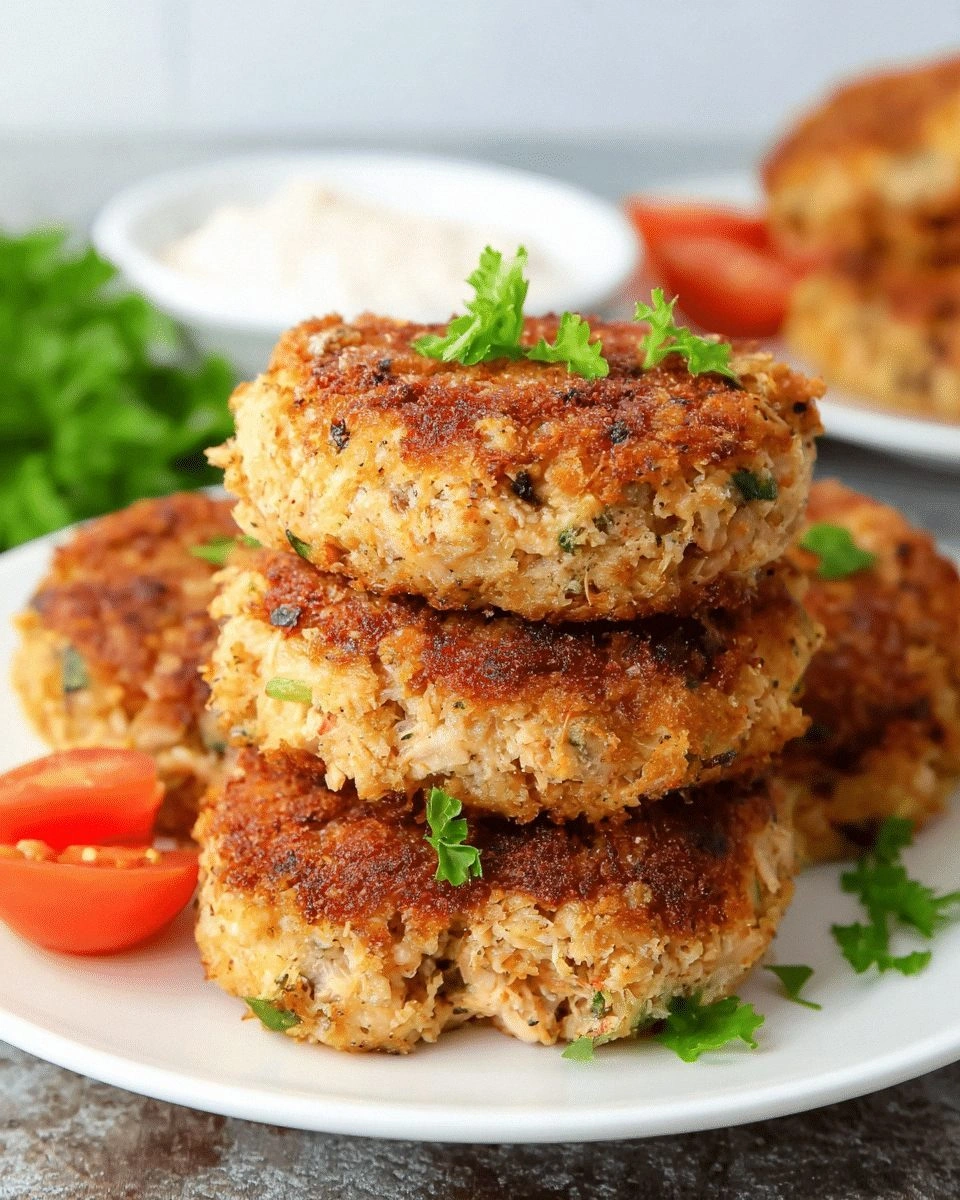
First, I was reminded of that first time I tried to make salmon cakes in college, and the result was a soggy, flavorless mess that left me questioning my culinary destiny. I swore to never repeat that disaster again. Fast forward to today, I’ve refined the technique to achieve a golden crust that cracks like brittle sugar when you bite into it. The inside stays moist, tender, and full of that subtle, briny sweetness that only fresh salmon can deliver. I added a pinch of smoked paprika for a smoky undertone, and the final touch is a dollop of homemade tartar sauce that coats the cakes like velvet. This is hands down the best version you’ll ever make at home.
Imagine the sizzle as the cakes hit the hot pan—an audible promise that the golden crust is forming. The scent of garlic and dill wafts through the air, mingling with the faint citrus tang of lemon, creating an orchestra of aromas that makes your mouth water before you even take a bite. The first bite delivers a satisfying crunch, followed by a burst of juicy salmon that melts in your mouth. The sauce, creamy and tangy, wraps around each piece, balancing the richness of the fish with a bright, refreshing bite. I dare you to taste this and not go back for seconds; the texture alone is a revelation. Picture yourself pulling these out of the pan, the whole kitchen smelling incredible, and knowing you just nailed a dish that will impress anyone.
Most recipes get this completely wrong by over‑mixing the batter, which results in dense, heavy cakes that never crisp up. I’ve discovered that keeping the mixture loose and adding a touch of flour for binding is the secret to a light, airy interior. The combination of fresh herbs and a dash of Dijon mustard gives the cakes an extra layer of depth that you can’t find in pre‑made mixes. I’ll be honest—I ate half the batch before anyone else got a chance to taste it, and it was the best thing I’ve ever had. Stay with me here — this is worth it. Let me walk you through every single step — by the end, you’ll wonder how you ever made it any other way.
What Makes This Version Stand Out
- Flavor: The blend of fresh dill, lemon zest, and smoked paprika creates a bright, complex profile that elevates the natural taste of salmon.
- Texture: A light, airy interior paired with a crisp, golden crust that shatters like thin ice when you bite.
- Simplicity: Only ten ingredients, all pantry staples, make this recipe quick to assemble and less intimidating for beginners.
- Uniqueness: The addition of a homemade tartar sauce adds a velvety finish that sets it apart from typical store‑bought versions.
- Crowd‑pleaser: The balanced flavors and appealing crunch make it a hit at potlucks, family dinners, and casual get‑togethers.
- Ingredient Quality: Using high‑quality canned salmon or fresh fillets ensures a robust, clean flavor that shines through.
- Cooking Method: Pan‑frying at a controlled temperature guarantees a perfect sear without overcooking the fish.
- Make‑Ahead Potential: The cakes can be assembled ahead of time and frozen, making them a convenient option for busy schedules.
Alright, let's break down exactly what goes into this masterpiece...
Inside the Ingredient List
The Flavor Base
At the heart of every great salmon cake is the fish itself. I use a high‑quality canned salmon packed in water to keep the flavor pure and avoid the brine that can overpower the dish. If you prefer fresh fillets, simply break them into bite‑sized pieces and pat them dry to prevent excess moisture. The next component is fresh dill; its bright, slightly sweet aroma lifts the entire flavor profile. A splash of lemon juice adds acidity that cuts through the richness of the salmon, while a pinch of smoked paprika introduces a subtle smoky undertone that lingers on the palate. For an extra layer of depth, I fold in a teaspoon of Dijon mustard, which provides a gentle heat without overwhelming the delicate fish.
The Texture Crew
Breadcrumbs are the backbone of the texture, absorbing moisture and giving the cakes body. I prefer whole‑grain breadcrumbs for their nutty flavor, but fine breadcrumbs work just as well if you like a smoother bite. A beaten egg acts as the binder, ensuring the cakes hold together while still remaining light. To keep the cakes moist, I add a tablespoon of mayonnaise, which also adds a subtle creaminess that balances the fish. A light dusting of flour on the surface helps the batter set and creates a crisp crust when fried. Finally, a dash of black pepper provides a gentle heat that ties all the flavors together.
The Unexpected Star
Red onion is often overlooked, but finely chopped onion adds a sweet, savory crunch that contrasts beautifully with the salmon’s softness. If you’re sensitive to raw onion, try roasting it until caramelized for a sweeter, milder flavor. Fresh dill can be substituted with parsley for a more subtle herbaceous note, but the dill’s distinct aroma is hard to replace. Lemon zest, not just juice, adds a bright, citrusy pop that keeps the dish from feeling flat. A spoonful of Dijon mustard is the unexpected twist that introduces a subtle piquancy, creating a flavor bridge between the fish and the sauce.
The Final Flourish
The sauce is the finishing touch that turns these cakes into a memorable meal. A simple tartar sauce made with mayonnaise, chopped pickles, capers, and a squeeze of lemon juice creates a creamy, tangy companion that coats the cakes like velvet. If you prefer a lighter sauce, a yogurt‑based dip with dill and garlic works wonders. A sprinkle of fresh parsley on top adds a pop of color and a fresh herbaceous note that brightens the plate. For a spicy kick, add a pinch of cayenne pepper to the sauce, or a splash of hot sauce for those who like heat. Finally, a drizzle of olive oil before serving adds a silky finish that brings all the components together.
Everything's prepped? Good. Let's get into the real action...
The Method — Step by Step
- In a large mixing bowl, combine the canned salmon, a pinch of salt, and a dash of black pepper. Use a fork to flake the salmon into fine chunks, ensuring you break up any large lumps. The goal is a loose, moist mixture that’s easy to shape.
- Add the finely chopped red onion, fresh dill, and smoked paprika to the salmon mixture. Stir gently, allowing the flavors to mingle without overworking the fish, which could make the cakes dense.
- In a separate bowl, whisk together the beaten egg, mayonnaise, Dijon mustard, and lemon juice until the mixture is smooth. This wet blend will act as the binder and introduce a creamy texture.
- Gradually fold the wet mixture into the salmon mixture, using a spoon or spatula. The batter should be thick yet pliable—just enough to hold its shape when pressed into a pan.
- Stir in the breadcrumbs, reserving a small handful for coating the outside of the cakes. If the mixture feels too dry, add a splash of water or milk to reach a consistency that’s easy to shape.
- Using a tablespoon, scoop portions of the batter and press them into a shallow dish to flatten into uniform patties, about 1½ inches thick. This ensures even cooking and a consistent golden finish.
- Heat olive oil in a large skillet over medium heat. Once the oil shimmers, carefully place the salmon cakes in the pan, leaving space between each. Do not overcrowd the pan; this will lower the temperature and prevent a soggy crust.
- Cook the cakes for 3–4 minutes on each side, or until they develop a deep golden crust. The inside should be warm and slightly pink, not fully opaque. Flip gently with a spatula to avoid breaking the cakes.
- While the cakes finish cooking, whisk together the tartar sauce ingredients in a small bowl: mayonnaise, chopped pickles, capers, lemon juice, and a pinch of salt. Taste and adjust the seasoning as needed.
- Serve the salmon cakes hot, topped with a generous spoonful of tartar sauce and a sprinkle of fresh parsley. Pair with a side of mixed greens or a light cucumber salad for a balanced meal.
That's it — you did it. But hold on, I've got a few more tricks that'll take this to another level...
Insider Tricks for Flawless Results
The Temperature Rule Nobody Follows
Many cooks assume higher heat is always better, but for salmon cakes, a moderate temperature of 350°F (175°C) is ideal. This allows the outside to brown evenly while the inside stays moist. If you notice the cakes browning too quickly, lower the heat slightly and let them finish cooking. I once tried a pan at 400°F and the crust burned before the interior cooked; the lesson was clear: control the heat.
Why Your Nose Knows Best
The aroma of the first sizzle is a reliable indicator that the oil is at the right temperature. A faint, almost sweet scent means the oil is hot enough. If you smell a metallic odor, the oil is too hot and may burn the crust. Trust your nose; it’s a seasoned chef’s secret.
The 5-Minute Rest That Changes Everything
After cooking, let the salmon cakes rest on a rack for five minutes. This allows the juices to redistribute, preventing a watery center. I’ve found that a brief rest also gives the crust time to firm up, resulting in a satisfying crunch with every bite.
Use of Fresh Herbs Over Dried
Fresh herbs deliver a brighter, more vibrant flavor than dried ones. If you only have dried dill, use double the amount, but be aware it won’t have the same aromatic punch. Fresh herbs also add a pop of color that makes the dish look as good as it tastes.
Egg as a Binding Agent
Replacing the egg with a flaxseed or chia seed “egg” can make this recipe vegan. Mix one tablespoon of ground flaxseed with three tablespoons of water and let sit for five minutes before adding to the batter. The result is a plant‑based cake that still holds together beautifully.
Creative Twists and Variations
This recipe is a playground. Here are some of my favorite ways to switch things up:
Spicy Chipotle Surprise
Swap the smoked paprika for chipotle powder and add a splash of adobo sauce. The result is a smoky, spicy kick that pairs wonderfully with a cooling cucumber yogurt dip.
Asian Fusion Delight
Replace the dill with chopped scallions and add a tablespoon of soy sauce to the batter. Finish with a drizzle of sesame oil and a sprinkle of toasted sesame seeds for an umami‑rich twist.
Herb‑Infused Mediterranean
Use a blend of oregano, thyme, and basil instead of dill. Add a handful of chopped sun‑dried tomatoes for sweetness and a burst of color that feels like a Mediterranean breeze.
Low‑Carb Coconut Crust
Replace breadcrumbs with shredded coconut and almond flour. This gives the cakes a nutty flavor and reduces the carbohydrate content, making it a keto‑friendly option.
Vegan Version
Omit the salmon and use a mix of lentils, mashed sweet potato, and chopped mushrooms. Bind with flaxseed egg and coat with oat flour for a hearty, plant‑based cake that still feels indulgent.
Breakfast Boost
Serve the salmon cakes with a side of scrambled eggs and a drizzle of hollandaise sauce. This turns the dish into a luxurious brunch that’s both protein‑rich and satisfying.
Storing and Bringing It Back to Life
Fridge Storage
Store cooked salmon cakes in an airtight container in the refrigerator for up to three days. Place a paper towel in the bottom of the container to absorb excess moisture and keep the cakes crisp.
Freezer Friendly
For longer storage, freeze the raw batter in a freezer‑safe bag for up to two months. When ready to use, thaw overnight in the refrigerator, then pan‑fry as directed. The texture remains almost as good as freshly made.
Best Reheating Method
Reheat frozen or refrigerated cakes in a hot skillet with a splash of olive oil for two minutes on each side. Add a tiny splash of water before reheating to create steam that restores moisture without making the crust soggy.