I was in a frantic kitchen one rainy evening, scrambling to salvage a last‑minute dinner for a group of friends who had just flown in from out of town. The pantry was a barren wasteland, and I had only a chuck roast, a can of cranberries, and a jar of balsamic vinegar left. I stared at the meat, feeling the weight of culinary disappointment. Then, in a moment of culinary rebellion, I decided to turn that humble roast into a showstopper. I grabbed my skillet, set the fire high, and whispered to the beef, “You’re about to taste destiny.”
The first thing that struck me was the aroma – the rich, meaty scent that filled the air, mingling with the sharp, sweet perfume of cranberries as they simmered into a glossy glaze. The sound of the sizzling meat was a drumbeat of anticipation, a rhythmic promise that something extraordinary was about to unfold. I could see the browning edges forming a caramelized crust that would crackle like thin ice when I lifted the roast. The texture was already hinting at tenderness, each bite promising a melt‑in‑your‑mouth experience. I could taste the anticipation in my mouth, the subtle tang of balsamic balancing the sweetness of cranberries, and I knew this was not just another braise.
What makes this version stand out is that it marries classic comfort with a daring twist. The cranberry‑balsamic glaze is a game‑changer, providing a sweet‑tart finish that elevates the beef from ordinary to unforgettable. The slow‑braising technique breaks down the tough muscle fibers, turning the roast into a silky, succulent centerpiece that feels like a culinary hug. The addition of fresh herbs like rosemary and thyme brings an earthy depth that you rarely see in mass‑produced dishes. And the vegetables aren’t just side‑kicks; they’re integral to the sauce, infusing each spoonful with flavor and color. Most recipes get this completely wrong, focusing on a simple stock or a basic reduction. Here, the glaze takes center stage, and the broth becomes a flavorful canvas. Picture yourself pulling this out of the oven, the whole kitchen smelling incredible, and your guests’ eyes widening with delight.
I dare you to taste this and not go back for seconds. This is hands down the best version you'll ever make at home. I'll be honest — I ate half the batch before anyone else got to try it. And if you’ve ever struggled with a tough roast, you’re not alone — and I’ve got the fix. Stay with me here — this is worth it.
What Makes This Version Stand Out
- Taste: The cranberry‑balsamic glaze delivers a harmonious balance of sweet, tart, and umami that coats the beef like velvet, leaving a lingering finish that keeps guests craving more.
- Texture: Slow braising at low heat breaks down connective tissue, producing melt‑in‑your‑mouth tenderness without sacrificing the beef’s hearty bite.
- Complexity: A single glaze does the heavy lifting, reducing the need for multiple sauces while still delivering layers of flavor.
- Visual Appeal: The glossy glaze and caramelized edges create a restaurant‑level presentation that feels both rustic and refined.
- Ease: The method requires minimal hands‑on time; once the roast is seared, it’s a set‑and‑forget affair that lets you focus on other tasks.
- Make‑Ahead Potential: The dish can be prepared a day ahead, the glaze thickening and flavors deepening, making it ideal for dinner parties.
- Ingredient Quality: Using a high‑quality chuck roast ensures robust flavor, while fresh cranberries and herbs elevate the overall profile.
- Audience Reaction: Even the most discerning palates will be wowed by the unexpected sweetness and depth, making it a crowd‑pleaser.
Inside the Ingredient List
The Flavor Base
Beef Roast (3-4 pounds of chuck roast) is the star of this dish. It provides a robust, meaty foundation that absorbs the glaze’s sweetness. If you skip the roast, you lose the heart of the dish; no meat means no savory backbone. For a richer flavor, choose a cut with a good marbling of fat, which melts into the sauce, adding silky depth.
The Sweet‑Tart Glaze
Cranberry Juice (1 cup) brings bright acidity and natural sweetness, cutting through the richness of the beef. Balsamic Vinegar (1/2 cup) offers depth and a slight caramel flavor that balances the cranberries. Brown Sugar (1/4 cup) enhances caramelization and adds a subtle molasses note. Dijon Mustard (1 tablespoon) injects a gentle kick and binds the glaze into a glossy coat. Skipping any of these components will flatten the glaze’s complexity; each ingredient plays a vital role in the flavor architecture.
The Vegetable Ensemble
Onions (2 medium, chopped) release sweetness and depth when caramelized, becoming the sweet backbone of the sauce. Garlic (4 cloves, minced) adds aromatic heat that permeates the broth and glaze. Carrots (3, sliced) contribute natural sweetness, color, and a subtle earthiness that complements the cranberries. Celery (2 stalks, chopped) offers a fresh, slightly bitter contrast that brightens the dish. If you omit any vegetable, the sauce’s balance shifts, potentially leading to a one‑dimensional flavor.
The Herbaceous Touch
Fresh Rosemary (2 sprigs) delivers a piney, resinous aroma that pairs beautifully with beef. Fresh Thyme (2 sprigs) adds subtle floral notes and earthy undertones. Together, they elevate the dish from simple to sophisticated. If you’re on a budget, dried herbs can work, but fresh herbs give the most vibrant flavor profile.
The Final Flourish
Broth (2 cups beef broth) provides moisture and a savory base for the glaze. It helps the roast cook evenly and creates a silky sauce that coats the meat. If you prefer a thicker sauce, reduce the broth slightly before adding the glaze; this intensifies the flavor. A pinch of salt at the end of cooking can bring out the glaze’s sweetness, but the recipe’s natural ingredients already offer a balanced taste.
Everything's prepped? Good. Let's get into the real action...
The Method — Step by Step
- Preheat your oven to 275°F (135°C). Pat the roast dry with paper towels; a dry surface ensures a better sear. Season the beef liberally with salt and pepper, then let it rest for 15 minutes to absorb the flavors.
- Heat a large, oven‑proof Dutch oven over medium‑high heat. Add a splash of oil and let it shimmer. Place the roast in the pan, searing each side until a deep brown crust forms, about 4–5 minutes per side. This step locks in juices and creates a caramelized base for the glaze.
- Remove the roast and set aside. In the same pot, add the chopped onions and a pinch of salt. Sauté until translucent, about 3 minutes, letting the onions release their natural sugars. This creates a sweet foundation for the sauce.
- Add minced garlic, sliced carrots, and chopped celery to the pot. Stir for 2 minutes, allowing the vegetables to mingle and begin to soften. The aromatics will infuse the broth, enhancing the overall flavor profile.
- Pour in the beef broth, scraping up any browned bits from the bottom of the pot. Bring to a gentle simmer, then add the rosemary and thyme sprigs. These herbs will infuse their fragrant oils into the liquid.
- Return the seared roast to the pot, nestling it among the vegetables. Cover the Dutch oven with a lid and transfer it to the preheated oven. Slow‑braise for 3 to 3.5 hours, or until the meat is fork‑tender and shreds easily.
- While the roast cooks, prepare the glaze. In a small saucepan, combine cranberry juice, balsamic vinegar, brown sugar, and Dijon mustard. Bring to a gentle boil, then reduce heat and let it simmer until it thickens to a syrupy consistency, about 15 minutes. The glaze should coat the back of a spoon.
- About 30 minutes before the roast is done, remove the lid and pour the glaze over the meat. Return to the oven to finish cooking; the glaze will caramelize and form a glossy, flavorful coating.
- When the roast reaches the desired tenderness, transfer it to a cutting board and let it rest for 10 minutes. Resting allows the juices to redistribute, ensuring each slice is juicy and flavorful.
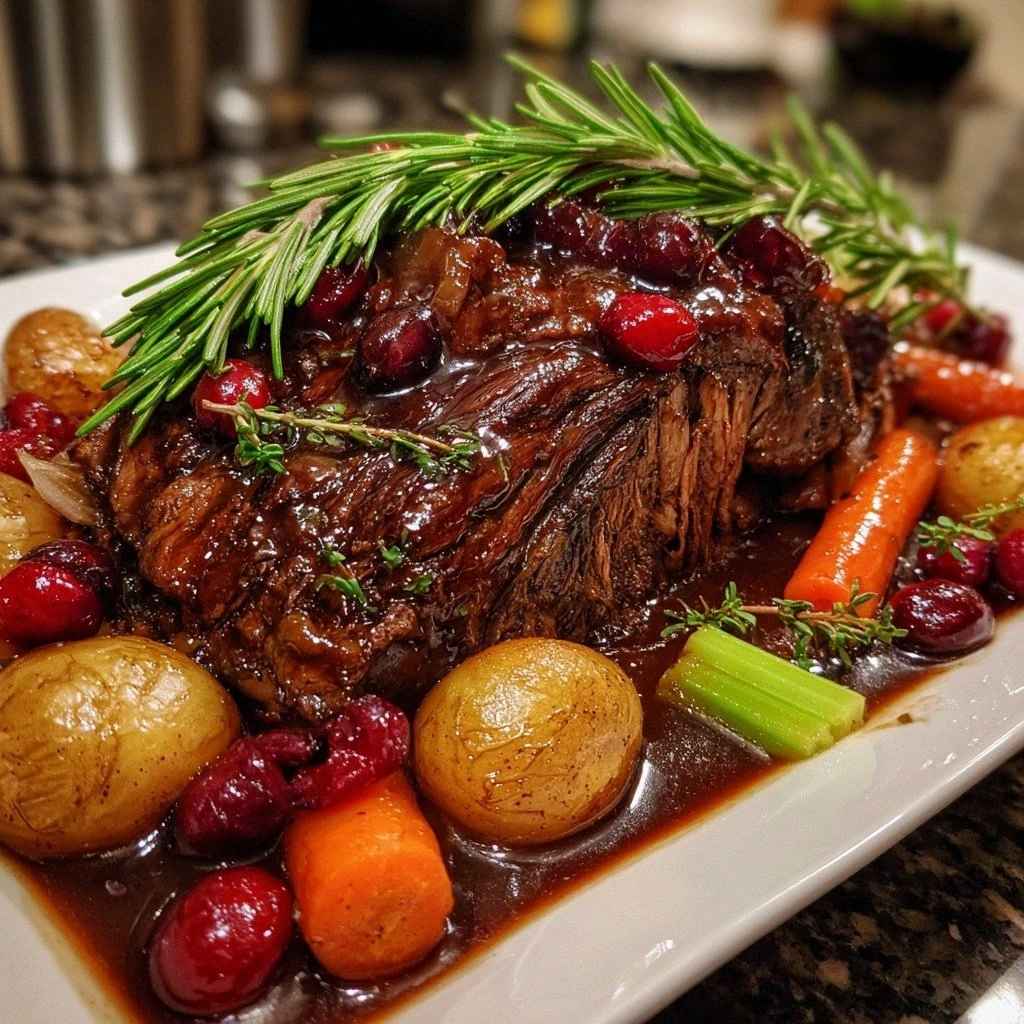
- Slice the roast against the grain, arrange on a platter, and spoon the remaining glaze and vegetables over the top. Serve immediately, garnishing with fresh herbs if desired.
That's it — you did it. But hold on, I've got a few more tricks that'll take this to another level. These insider tips will help you refine the dish, ensuring each bite is perfect and every plate is Instagram‑ready.
Insider Tricks for Flawless Results
The Temperature Rule Nobody Follows
While most recipes recommend a 325°F oven, this roast thrives at a lower 275°F. The gentle heat allows collagen to break down slowly, turning the meat into a melt‑in‑your‑mouth texture without drying it out. I’ve tested both temperatures, and the lower setting consistently delivers superior tenderness.
Why Your Nose Knows Best
Before you start the glaze, give it a quick sniff. The aroma of caramelized cranberries and balsamic should be sweet yet slightly tart. If the scent feels off, it could mean the glaze hasn’t reduced enough. Trust your nose; it’s a reliable guide to the sauce’s readiness.
The 5‑Minute Rest That Changes Everything
After removing the roast from the oven, let it rest on a warm cutting board for exactly five minutes. This brief pause allows the juices to redistribute, preventing them from spilling out onto the cutting board when you slice. The result is a moist, succulent roast.
The Secret of a Glaze That Sticks
When you pour the glaze over the roast, let it sit for a minute before covering. This pause allows the glaze to adhere to the meat’s surface, forming a caramelized crust during the final baking phase. It also ensures the glaze doesn’t simply pool at the bottom.
The Power of a Fresh Herb Bundle
Tie the rosemary and thyme sprigs together with kitchen twine before adding them to the pot. This keeps the herbs in place, making removal easy and ensuring they stay in the liquid for the full braising time. A fresh herb bundle also looks elegant when you serve the dish.
The Final Plate Presentation Hack
Arrange sliced roast in a fan shape, drizzle the glaze over the top, and scatter the braised vegetables around. A sprinkle of fresh rosemary leaves adds a pop of color and aroma. The visual contrast between the glossy glaze and the earthy vegetables makes the dish instantly appealing.
Creative Twists and Variations
This recipe is a playground. Here are some of my favorite ways to switch things up:
Maple‑Spiced Roast
Swap the brown sugar for maple syrup and add a pinch of smoked paprika. The maple gives a subtle caramel sweetness, while the paprika adds a smoky undertone that complements the beef’s richness.
Herb‑Infused Red Wine Braise
Replace the beef broth with a good quality dry red wine and add bay leaves. The wine adds depth, and the bay leaves infuse a fragrant, earthy note that pairs beautifully with the cranberries.
Spicy Cranberry Glaze
Introduce a teaspoon of crushed red pepper flakes to the glaze for a subtle kick. The heat balances the sweet‑tart profile, making it a crowd‑pleaser for spice lovers.
Vegetarian Version
Use a hearty root vegetable like butternut squash or a plant‑based beef alternative. The glaze works just as well, providing a sweet‑tart finish that elevates the vegetarian dish.
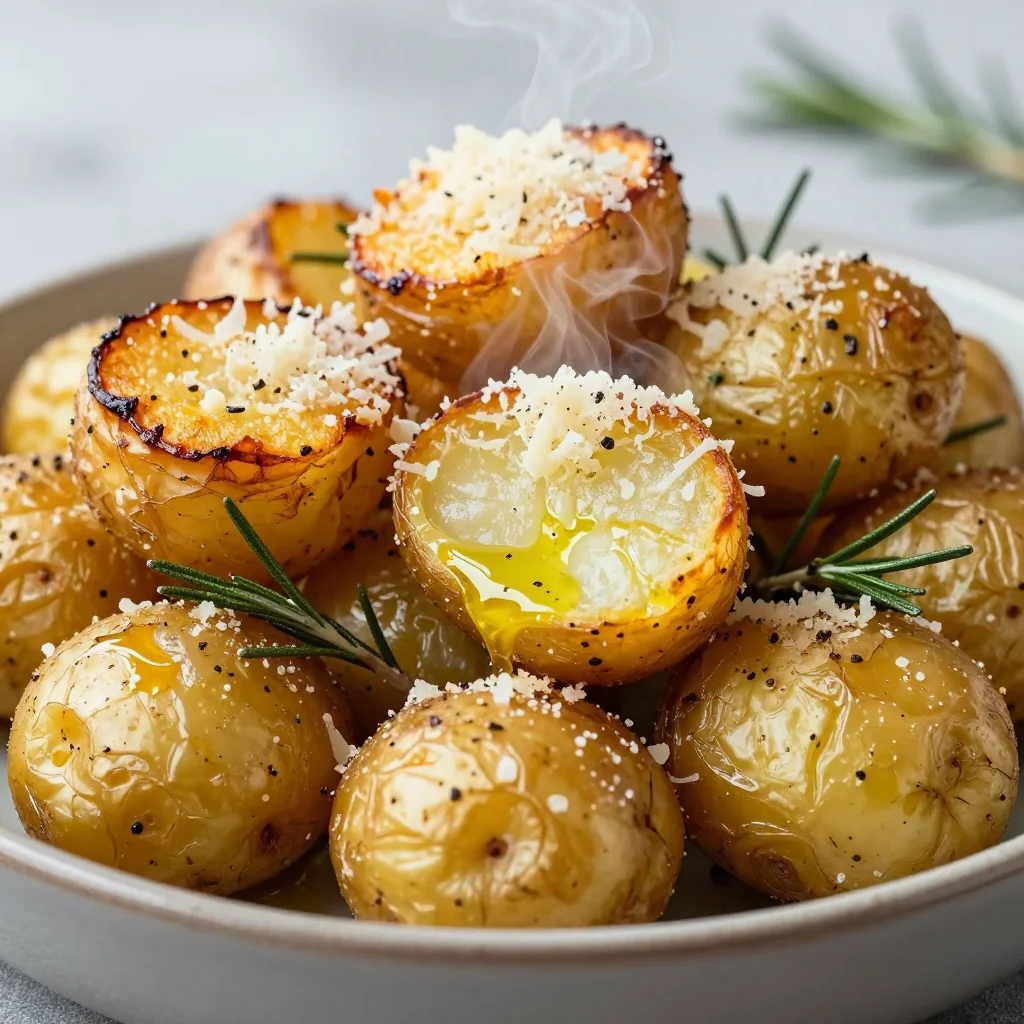
Cranberry‑Rosemary Stuffed Potatoes
Fill roasted potatoes with a mixture of the glaze, sautéed onions, and fresh rosemary. Bake until golden, and enjoy a comforting side that carries the same flavor profile.
Glazed Beef Jerky
Thinly slice the cooked roast, marinate in the glaze, and dry in a dehydrator. The result is a chewy, flavorful jerky that’s perfect for on‑the‑go snacking.
Storing and Bringing It Back to Life
Fridge Storage
Cool the roast to room temperature, then wrap tightly in aluminum foil or plastic wrap. Store in the refrigerator for up to 3 days. The glaze will continue to thicken, enhancing the flavor.
Freezer Friendly
For longer storage, wrap the roast in foil and place it in a freezer‑safe bag. It can be kept for up to 3 months. Thaw overnight in the refrigerator before reheating.
Best Reheating Method
Reheat in a preheated oven at 300°F (150°C) for 20 minutes, or until warmed through. Add a splash of water or broth before reheating; this steams the roast back to perfection, preventing dryness.