I was standing in my kitchen, mid‑week, staring at a half‑cooked batch of plain soba noodles that tasted about as exciting as a lecture on tax law. My roommate had just walked in, eyes wide, demanding something that could actually make us forget the looming deadline for our project. I threw together a handful of pantry staples, a splash of soy, a spoonful of peanut butter, and a dash of daring, and what emerged was a dish that shouted, “Why have you been settling for bland?” I dare you to taste this and not go back for seconds.
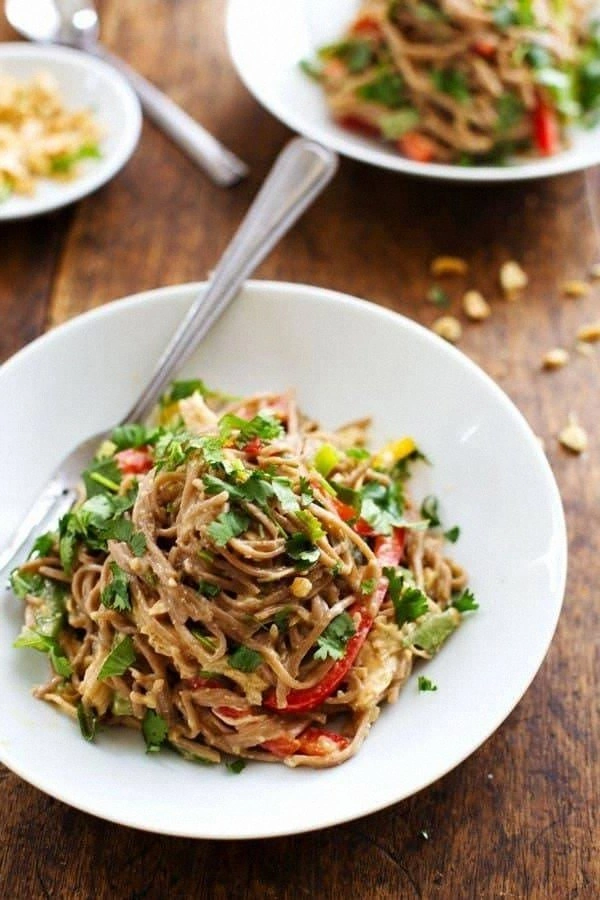
Picture this: the faint hiss of the wok as the chicken hits the hot surface, a fragrant cloud of garlic and ginger rising like a promise, and the glossy, amber‑gold sauce swirling around each strand of soba like velvet. The aroma is a head‑y‑head mix of toasted sesame, sweet honey, and that subtle heat that makes your nose twitch in anticipation. When you finally take a bite, the noodles give that perfect al‑dente snap, the chicken is juicy with a caramelized crust, and the peanut sauce clings to everything, delivering a creamy, spicy kiss that lingers just long enough to keep you reaching for more.
Most recipes out there either drown the noodles in a watery sauce or turn the whole thing into a soggy mess. This version, however, respects each component, giving you a balanced orchestra of flavors without any one instrument stealing the show. I’m talking about a sauce that coats the pasta like silk, a chicken that’s seared to a crisp edge that shatters like thin ice, and crunchy veggies that add a refreshing crunch that keeps the palate from getting bored.
You might be wondering what the secret weapon is. Spoiler alert: it’s a splash of lime juice added at the very end, a tiny acid pop that brightens the whole dish and makes the peanut butter sing. Most people skip this step, thinking the sauce is already “perfect.” Trust me, that little zing makes the difference between “good” and “hands down the best version you’ll ever make at home.”
Let me walk you through every single step — by the end, you’ll wonder how you ever made it any other way. Okay, ready for the game‑changer? This next part? Pure magic.
What Makes This Version Stand Out
- Flavor Explosion: The combination of creamy peanut butter, salty soy, and a whisper of sriracha creates a layered taste that evolves with each bite, keeping you hooked from start to finish.
- Texture Symphony: You get the snap of soba, the crisp sear on the chicken, and the crunch of fresh veggies—all balanced by the smooth sauce.
- Simplicity Meets Sophistication: Only a handful of pantry staples are needed, yet the result feels like something you’d order at a high‑end Asian bistro.
- Unique Ingredient Twist: The final splash of lime juice is the secret that lifts the whole dish, a detail most recipes overlook.
- Crowd‑Pleaser Factor: Whether you’re feeding a family, a crew of friends, or just treating yourself, this dish sparks rave reviews and inevitable requests for seconds.
- Ingredient Quality: Using real, unsweetened peanut butter and high‑quality soba noodles makes a world of difference in flavor depth.
- Cooking Method Mastery: The quick‑sear technique locks in juices while the sauce simmers gently, ensuring nothing gets soggy.
- Make‑Ahead Friendly: Prep the sauce and veggies ahead of time; the final assembly takes minutes, perfect for busy weeknights.
Alright, let's break down exactly what goes into this masterpiece...
Inside the Ingredient List
The Flavor Base
At the heart of this dish lies the peanut‑soy sauce blend. Creamy peanut butter (0.5 cup) provides richness, while soy sauce (3 tbsp) injects umami depth. The honey (1 tbsp) adds a subtle sweetness that balances the heat from sriracha (1 tsp). If you’re allergic to peanuts, try almond butter—just know the flavor profile will shift slightly toward a nuttier, earthier note.
The Texture Crew
Soba noodles (2 cups) deliver a firm, slightly nutty bite that holds the sauce beautifully. The chicken thighs (1 lb) are chosen over breast for their higher fat content, guaranteeing juicy morsels that stay tender after searing. Fresh veggies—carrot (1), cucumber (1), and green onions (2)—add crunch and a burst of freshness that prevents the dish from feeling heavy.
The Unexpected Star
A splash of lime juice (1 tbsp) at the end is the secret weapon. It brightens the sauce, cutting through the richness and making the flavors pop like fireworks. Skipping this step is like serving a movie without its climax—everything’s there, but it lacks that final wow.
The Final Flourish
To finish, a sprinkle of toasted sesame seeds (1 tsp) and chopped roasted peanuts (0.25 cup) add a nutty crunch that mirrors the peanut sauce but with a toasted edge. A drizzle of sesame oil (1 tbsp) right before serving adds a fragrant, nut‑laden aroma that lingers in the kitchen long after the plates are cleared.
Everything's prepped? Good. Let's get into the real action...
The Method — Step by Step
Start by cooking the soba noodles according to the package instructions—usually 4‑5 minutes in boiling water. Drain them in a colander, rinse under cold water to stop the cooking process, and toss with a drizzle of sesame oil to keep them from sticking. You’ll know they’re ready when they’re firm to the bite but still slightly tender, like a perfect handshake.
While the noodles are cooking, whisk together the sauce: combine peanut butter, soy sauce, rice vinegar, honey, sriracha, lime juice, and a splash of water (about 2 tbsp) to loosen it. The mixture should be smooth, glossy, and just thick enough to coat the back of a spoon. Taste and adjust salt or heat—this is the moment of truth where you fine‑tune the flavor.
Kitchen Hack: If the sauce thickens too much while you’re whisking, add a teaspoon of warm water at a time until it reaches the perfect drizzling consistency.Heat a large skillet or wok over medium‑high heat and add 1 tbsp of sesame oil. Once shimmering, add the chicken pieces, spreading them in a single layer. Let them sear undisturbed for about 2 minutes—this creates that coveted caramelized crust. Then flip and cook another 2‑3 minutes until the chicken is golden brown and cooked through.
When the chicken is nearly done, push it to the side of the pan and add minced garlic (2 cloves) and grated ginger (1 tbsp). The moment those aromatics hit the oil, you’ll hear a sizzle that smells like promise. Cook for just 30 seconds, stirring constantly to avoid burning—the kitchen will fill with a fragrant perfume that makes you want to lick the spoon.
Now, pour the prepared peanut sauce over the chicken and aromatics, stirring quickly to coat everything evenly. Let the sauce simmer for 2‑3 minutes, allowing it to thicken slightly and cling to the chicken. At this point, the sauce should smell toasty and have a glossy sheen.
Watch Out: If you turn the heat too high now, the sauce can scorch, turning bitter. Keep the flame medium and stir continuously.While the sauce thickens, quickly toss the julienned carrot, cucumber, and sliced green onions in a large bowl. Add a pinch of salt and a drizzle of the remaining sesame oil, then give it a gentle toss. The veggies should stay crisp, providing a fresh counterpoint to the rich sauce.
Combine the cooked soba noodles with the sauce‑coated chicken in the skillet, tossing everything together until the noodles are fully coated. The noodles will absorb some of the sauce, turning a beautiful amber color. If the mixture looks dry, splash in a tablespoon of warm water and stir—this keeps the noodles silky.
Finally, fold in the fresh veggie mix, sprinkle the toasted sesame seeds and chopped peanuts on top, and give a quick toss just to distribute. Serve immediately, garnished with extra green onion slivers and a wedge of lime on the side for those who want an extra zing.
Kitchen Hack: To keep the peanuts from getting soggy, add them just before serving; they stay crunchy and add that satisfying crack.
That's it — you did it. But hold on, I've got a few more tricks that'll take this to another level, ensuring every bite is unforgettable and that your kitchen becomes the talk of the town.
Insider Tricks for Flawless Results
The Temperature Rule Nobody Follows
Never, ever cook the chicken on low heat hoping to “slow‑cook” it. High heat creates a Maillard reaction, forming those golden‑brown, flavor‑packed crusts that make the chicken sing. If you start low, you’ll end up with steamed, rubbery pieces that drown in the sauce. My rule: preheat the pan until you can see the oil ripple, then drop the chicken in and let it sear without moving it for the first two minutes.
Why Your Nose Knows Best
When the garlic and ginger hit the oil, the kitchen will fill with an intoxicating aroma. Trust that scent; if it’s fragrant within 20 seconds, you’re good. If it starts to smell bitter, you’ve overcooked the aromatics—pull the pan off the heat immediately. Your nose is the ultimate timer, especially when you’re juggling multiple components.
The 5‑Minute Rest That Changes Everything
After the chicken is cooked, let it rest for five minutes before adding the sauce. This short pause lets the juices redistribute, keeping the meat moist. Skipping this step leads to a dry bite, especially if you’re using lean chicken breast instead of thighs. Trust me, those five minutes are a game‑changer.
Layering the Peanut Sauce
Instead of dumping the entire sauce in one go, add half, toss the noodles, then drizzle the rest. This technique ensures every noodle strand gets a coating without becoming soggy. It also creates a subtle gradient of flavor intensity, making each forkful a new discovery.
The Secret of Hot Water Rinse
When you rinse the soba after cooking, use hot water instead of cold. This keeps the noodles supple and prevents them from stiffening up. I once used ice water, and the noodles turned rubbery—instant disappointment. Hot rinse preserves that tender‑yet‑springy bite we’re after.
Creative Twists and Variations
This recipe is a playground. Here are some of my favorite ways to switch things up:
Thai‑Style Coconut Curry
Swap the peanut butter for ½ cup coconut milk and add a tablespoon of red curry paste. The result is a creamy, aromatic bowl that leans more toward Thai street food vibes. Garnish with fresh basil for an extra punch.
Spicy Thai Basil
Add a handful of Thai basil leaves during the final toss and increase sriracha to 2 teaspoons. The basil’s peppery aroma pairs beautifully with the heat, creating a dish that’s both fresh and fiery.
Veggie‑Only Power Bowl
Omit the chicken and bulk up the veggies with edamame, bell peppers, and shredded purple cabbage. Add a drizzle of toasted sesame oil for richness. This version is perfect for a plant‑based lunch that still feels indulgent.
Crunchy Peanut Crunch
Top the finished dish with a mixture of crushed rice crackers and extra roasted peanuts. The added crunch creates a textural contrast that makes each bite exciting, especially for those who love a bit of crunch.
Miso‑Infused Depth
Stir in a teaspoon of white miso paste into the sauce before whisking. The miso adds a subtle umami depth that elevates the entire bowl, making it feel more complex without extra effort.
Storing and Bringing It Back to Life
Fridge Storage
Transfer leftovers to an airtight container and store in the refrigerator for up to three days. Keep the sauce separate if possible; this prevents the noodles from soaking up too much liquid and turning mushy. When ready to eat, reheat gently in a skillet with a splash of water.
Freezer Friendly
If you’ve made a big batch, portion the cooked chicken and sauce into freezer‑safe bags, and keep the soba noodles in a separate bag. Freeze for up to two months. Thaw overnight in the fridge, then combine and reheat in a pan, adding a tablespoon of water to revive the sauce’s silkiness.
Best Reheating Method
The secret to reheating without losing texture is to use a hot skillet rather than a microwave. Add a tiny splash of water (about a teaspoon per serving) and toss over medium heat until the noodles are warmed through and the sauce glistens again. This method restores that restaurant‑quality feel.