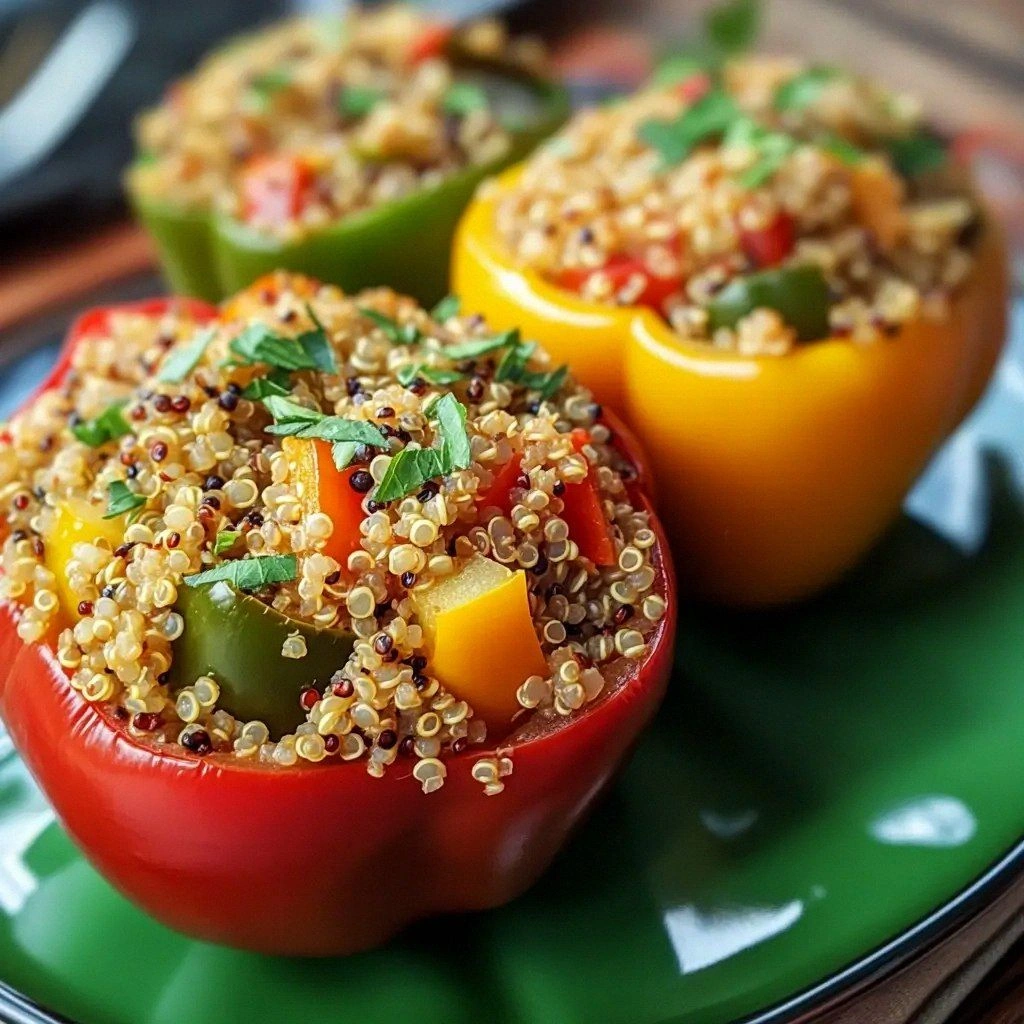
Picture this: I’m standing in my kitchen, the oven humming like a lazy cat, when a sudden craving for something both fiery and comforting slams into me like a wave of neon. I’ve tried the usual roasted squash, the bland sweet‑potato mash, even the bland “healthy” bowls that taste like cardboard, and every single one fell flat—until that one night when I accidentally swapped honey for maple syrup and added a dash of sriracha. The result? A bowl that sang a duet of heat and sweetness so loud that even my neighbor’s dog started drooling at the window. I dare you to taste this and not go back for seconds, because trust me, this is hands down the best version you’ll ever make at home.
The moment the spices hit the hot pan, the kitchen filled with a perfume that was part autumn market, part street‑food stall, and part grandma’s kitchen. You could see the bright orange cubes of squash turning a deep caramel, hear the gentle hiss as the oil embraced the vegetables, feel the heat radiating from the skillet onto your fingertips, and taste that first burst of sweet‑heat on your tongue before the dish even hit the bowl. It’s that perfect balance that makes you pause, close your eyes, and let the flavors dance across your palate like a well‑choreographed flash mob.
Most recipes get this completely wrong. They either drown the squash in sauce, turning it soggy, or they leave it dry and bland, missing the sweet‑spicy harmony that makes this bowl unforgettable. The secret? A quick sear that caramelizes the edges, a glaze that clings like velvet, and a finishing sprinkle of crunch that shatters like thin ice under your fork. I’ll be honest — I ate half the batch before anyone else got to try it, and that was a crime I’m not even sorry for.
Now, let’s talk the twist that will make you question everything you thought you knew about squash. I’m talking about a splash of rice vinegar that cuts the sweetness just enough to let the heat shine, and a sprinkle of toasted pumpkin seeds that add a buttery crunch you won’t see coming. Okay, ready for the game‑changer? Let me walk you through every single step — by the end, you’ll wonder how you ever made it any other way.
What Makes This Version Stand Out
- Taste: The sweet honey and smoky sriracha create a layered flavor profile that evolves with every bite, from gentle caramel to a lingering kick.
- Texture: Caramelized edges give a crisp bite, while the interior stays tender, and the toasted pumpkin seeds add a satisfying crunch.
- Simplicity: Only ten core ingredients, all pantry‑friendly, mean you can pull this together on a weeknight without a grocery run.
- Uniqueness: The splash of rice vinegar is the secret weapon that prevents the glaze from becoming cloying, keeping the bowl bright.
- Crowd Reaction: Guests invariably ask for the recipe, and the “spicy‑sweet” tag becomes a conversation starter at any dinner party.
- Ingredient Quality: Using a good-quality butternut squash and fresh ginger makes a world of difference in flavor depth.
- Cooking Method: A quick high‑heat sear locks in moisture, while the glaze finishes the dish in the oven for an even caramelization.
- Make‑Ahead Potential: The components can be pre‑roasted and stored, then assembled in minutes for a stress‑free weeknight.
Alright, let's break down exactly what goes into this masterpiece…
Inside the Ingredient List
The Flavor Base
First up, the aromatics: two cloves of garlic, minced fine, and a tablespoon of freshly grated ginger. Garlic brings that deep, earthy backbone while ginger adds a bright, peppery zing that cuts through the sweetness of the honey. If you skip ginger, the dish loses its lively snap and can feel one‑dimensional, like a song missing its bridge. A good swap for ginger is a pinch of ground ginger, but fresh is unbeatable for aroma.
Next, the sweet‑heat duo: two tablespoons of honey and one tablespoon of sriracha. Honey isn’t just a sweetener; it caramelizes beautifully, creating those golden, crispy edges on the squash. Sriracha provides a controlled heat that doesn’t overpower, just whispers “I’m here.” If you’re allergic to sriracha, try gochujang or a dash of smoked paprika plus a pinch of cayenne.
The Texture Crew
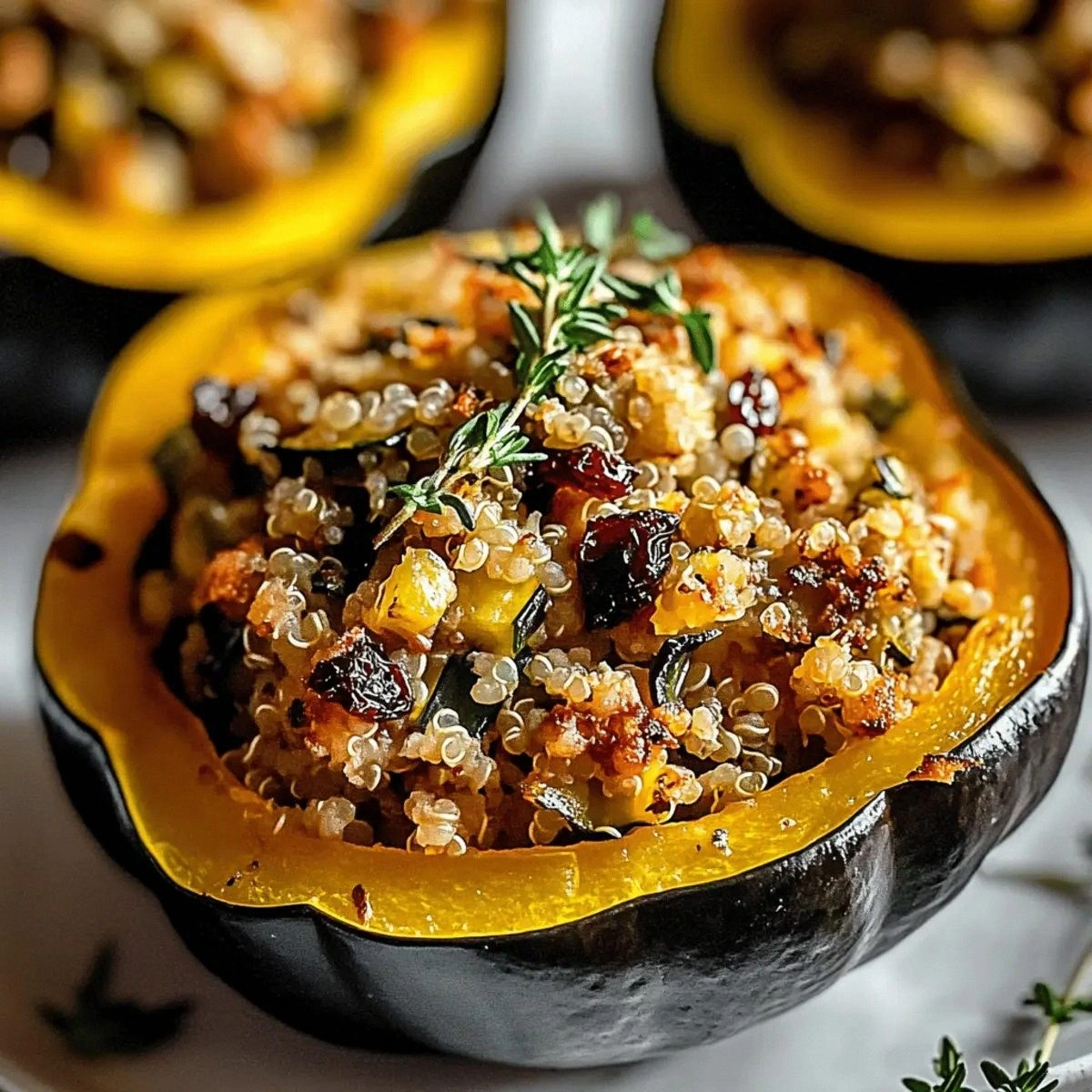
Butternut squash, the star of the show, comes in at two cups of cubed pieces. Its natural sugars are the perfect canvas for caramelization, and its firm flesh holds up to high heat without turning mushy. Using a softer squash like acorn can lead to a soggy bowl, so stick with butternut for that perfect bite. When selecting, look for a squash with a hard rind and a deep orange hue; that’s a sign of peak ripeness.
Red and yellow bell peppers, one cup each, add color, crunch, and a subtle sweetness that balances the heat. They also contribute a dose of vitamin C, which brightens the overall flavor. If you’re out of bell peppers, roasted red peppers or even thinly sliced carrots work as a stand‑in, though the texture will shift slightly.
The Unexpected Star
Rice vinegar, just a tablespoon, is the surprise element that prevents the glaze from becoming a sticky mess. Its acidity lifts the flavors, making each bite feel lighter, as if the bowl is breathing. Skipping the vinegar is a common mistake that leads to a cloying glaze, and you’ll notice it immediately when the sauce pools at the bottom of the bowl.
Olive oil, two tablespoons, is the medium that carries the heat and helps the vegetables develop that coveted caramel crust. Using a high‑smoke‑point oil like avocado oil works too, especially if you like a deeper sear, but olive oil adds a subtle fruitiness that complements the sweet squash.
The Final Flourish
To finish, a handful of toasted pumpkin seeds and a tablespoon of chopped cilantro bring texture and freshness. The seeds crack like tiny fireworks, while cilantro adds a herbaceous lift that rounds out the dish. If cilantro isn’t your thing, fresh parsley or even a squeeze of lime zest can provide a similar bright note.
And don’t forget the optional base: one cup of cooked quinoa or brown rice. It’s the neutral canvas that lets the squash shine, but you can serve the bowl on its own for a low‑carb version. The key is to keep the base fluffy, not soggy, so that each spoonful feels light yet satisfying.
Everything's prepped? Good. Let's get into the real action…

The Method — Step by Step
Preheat your oven to 425°F (220°C). While the oven warms, line a large baking sheet with parchment paper and set it aside. This high heat is crucial for that caramelized edge; anything lower and you’ll end up with steamed squash instead of roasted.
Kitchen Hack: Toss the cubed squash with a pinch of cornstarch before oil; it creates an ultra‑crisp exterior.In a large bowl, combine the cubed squash, bell peppers, and red onion. Drizzle two tablespoons of olive oil over the vegetables, then sprinkle with smoked paprika, salt, and pepper. Toss everything until every piece is lightly coated; the oil acts as a conduit for the spices to cling during roasting.
Spread the seasoned vegetables in a single layer on the prepared sheet. Make sure there’s space between pieces—crowding creates steam, which defeats caramelization. The edges should start to brown within 10 minutes; that’s the sound of flavor building.
While the veggies roast, whisk together the glaze: two tablespoons honey, one tablespoon sriracha, two tablespoons soy sauce, and one tablespoon rice vinegar. Add the minced garlic and grated ginger, then give it a quick stir. This mixture will thicken as it heats, becoming a glossy coating that clings like velvet.
After 15 minutes, pull the tray out and give the vegetables a gentle flip. Drizzle half of the glaze over the mix, then return to the oven for another 10‑12 minutes. You’ll notice the glaze bubbling and caramelizing, turning the squash into a glossy, amber‑kissed treasure.
When the timer dings, the vegetables should be tender on the inside and caramelized on the outside. The edges of the squash will pull away slightly, a sign they’re perfectly roasted. Transfer the veggies to a large serving bowl, then pour the remaining glaze over the top, letting it pool and soak into every crevice.
Watch Out: If the glaze starts to smoke, lower the oven temperature by 25°F to avoid a burnt taste.While the bowl rests for two minutes, quickly toast a tablespoon of pumpkin seeds in a dry skillet over medium heat. They should pop and turn golden, releasing a buttery aroma that fills the kitchen. This step is quick but essential; the seeds add a textural contrast that elevates the entire dish.
Now, if you’re serving the bowl over quinoa or rice, fluff the grains and place them at the base of each serving dish. Spoon the caramelized squash mixture on top, ensuring each bite gets a mix of veg, glaze, and seed. Finish with a generous sprinkle of chopped cilantro for a fresh, herbaceous lift.
Give the bowl a final taste check. The sweet should be balanced by the heat, the acidity should cut through any lingering richness, and the crunch should be audible with each bite. If you need a touch more brightness, a squeeze of lime works wonders. Serve immediately, and watch as your guests dive in with delight.
That's it — you did it. But hold on, I've got a few more tricks that'll take this to another level…
Insider Tricks for Flawless Results
The Temperature Rule Nobody Follows
Most home cooks set the oven to “medium” and wonder why the squash stays soggy. The secret is a blistering 425°F (220°C) that creates a Maillard reaction within minutes. If you’re using a convection oven, drop the temperature by 25°F to prevent over‑browning. I once tried 400°F and the edges never caramelized; the result was a limp, uninspired bowl.
Why Your Nose Knows Best
Don’t rely solely on timers—trust your nose. When the glaze starts to caramelize, you’ll smell a sweet, nutty aroma that signals the perfect moment to pull the tray. If you notice a burnt scent, the glaze is overcooking, and you need to rescue it with a splash of water. This sensory cue saved me from countless ruined batches.
The 5‑Minute Rest That Changes Everything
After roasting, let the vegetables rest for five minutes before adding the final glaze. This short pause lets the steam escape, preventing the glaze from turning soggy. I once skipped this step, and the bowl turned into a soupy mess—hardly the texture we’re aiming for.
Seed Toasting Secrets
When toasting pumpkin seeds, keep the heat medium and stir constantly. A minute too long and they become bitter; a minute too short and they stay raw. The moment they start to pop and release a nutty perfume is when they’re perfect. I’ve seen people over‑toast them and end up with a burnt taste that overpowers the dish.
Balancing Sweet and Heat
If the glaze leans too sweet, add a pinch more sriracha or a dash of cayenne. Conversely, if the heat is too aggressive, a drizzle of extra honey or a spoonful of coconut milk can mellow it out. The key is to taste as you go, adjusting in small increments. This flexibility ensures the bowl is always perfectly balanced for your palate.
Creative Twists and Variations
This recipe is a playground. Here are some of my favorite ways to switch things up:
Maple‑Miso Magic
Swap honey for pure maple syrup and add a tablespoon of miso paste to the glaze. The result is an earthy umami depth that pairs beautifully with the natural sweetness of the squash. Perfect for those who love a deeper, more complex flavor.
Thai Coconut Curry
Replace sriracha with Thai red curry paste and stir in a splash of coconut milk. The bowl becomes a fragrant, creamy masterpiece with a tropical twist. Garnish with fresh basil and lime wedges for an authentic finish.
Smoky Chipotle
Use chipotle in adobo sauce instead of sriracha and add a pinch of smoked paprika. This gives the dish a smoky, slightly sweet heat that’s reminiscent of a backyard grill. Ideal for fall evenings when you crave that campfire vibe.
Vegan Delight
Swap honey for agave nectar and use tamari instead of soy sauce. The rest of the ingredients stay the same, delivering the same caramelized crunch without any animal products. Serve over cauliflower rice for a low‑carb, vegan-friendly meal.
Breakfast Bowl
Turn the dish into a morning powerhouse by serving the roasted squash over a bed of quinoa mixed with toasted almonds, and top with a poached egg. The runny yolk creates a luscious sauce that melds with the sweet‑spicy glaze.
Cheesy Overload
After plating, sprinkle crumbled feta or goat cheese over the top. The tangy cheese cuts through the sweetness, adding a creamy contrast that makes the bowl feel indulgent yet balanced.
Storing and Bringing It Back to Life
Fridge Storage
Allow the bowl to cool to room temperature, then transfer it to an airtight container. It keeps fresh for up to four days. When reheating, add a splash of water or extra glaze to revive the caramelized texture.
Freezer Friendly
Portion the roasted vegetables (without the fresh herbs or seeds) into freezer‑safe bags. Freeze for up to three months. Thaw overnight in the fridge, then reheat in a hot skillet with a drizzle of oil to regain crispness.
Best Reheating Method
For the best texture, reheat in a preheated 350°F (175°C) oven for 10‑12 minutes, uncovered. This restores the caramelized edges without making the squash mushy. If you’re in a hurry, a quick microwave with a sprinkle of water works, but expect a softer texture.