I was halfway through a midnight snack of soggy rice and a half‑hearted stir‑fry when the kitchen alarm went off. A rogue wok slipped from my hands, splattering oil across the counter like a miniature fireworks show. That disaster left me craving something that could turn chaos into culinary triumph. The moment I tasted the first bite of what would become my ultimate Vegetable Stir‑Fry with Soy Sa, I knew I had stumbled onto a goldmine of flavor. Now I’m here to spill the beans, so you can avoid the kitchen fiasco and master a dish that’s as fun to make as it is to eat.
Imagine a pan that sizzles like a jazz riff, the aroma of garlic and ginger rising like steam from a hot bath. The colors are a rainbow—crimson bell peppers, emerald broccoli, snow‑white peas, and golden mushrooms—all glistening under a glossy soy‑ginger glaze. The first bite delivers a crunch that snaps like thin ice, followed by a silky sauce that coats each vegetable like velvet. The heat from the wok tingles your tongue, while a subtle sweetness from honey lingers long after the last forkful. Every sense is on full alert, and you can’t help but grin at how simple yet sophisticated this dish feels.
What makes this version stand out is that it balances three core elements: crisp texture, umami depth, and a touch of sweet heat. It’s built around a sauce that’s both sticky and light, thanks to cornstarch and rice vinegar, which gives the vegetables a glossy finish without weighing them down. The vegetables are pre‑cut to ensure even cooking, so you get that coveted “just‑right” bite every time. And because it’s made in a single wok, you save on clean‑up while still achieving a restaurant‑quality result. I dare you to taste this and not go back for seconds.
Most recipes get this completely wrong by overcooking the veggies or using too much sauce. The secret is to let the vegetables do their own work, then finish with a quick splash of sesame oil for that nutty finish. The sauce is the star—rich, glossy, and perfectly balanced between sweet, salty, and a hint of heat. If you’ve ever struggled with a stir‑fry that feels soggy or flavorless, you’re not alone. I’ve got the fix, and it’s going to change the way you think about quick weeknight meals.
Picture yourself pulling this out of the wok, the kitchen filling with the scent of toasted garlic and fresh ginger, and the vibrant colors of the veggies shining like a fresh painting. The sound of the pan crackling is music, and the first bite is a revelation of textures that dance together. That’s the experience I’m about to share, step by step, so you can recreate it at home and impress even the pickiest of eaters. Let me walk you through every single step — by the end, you’ll wonder how you ever made it any other way.
What Makes This Version Stand Out
- Taste: The sauce is a symphony of umami, sweetness, and a gentle heat that lingers, making each bite unforgettable. It’s not just salty; it’s a complex flavor profile that coats the vegetables without overpowering them.
- Texture: Every vegetable retains its natural crunch while being tenderized by the wok’s high heat. The cornstarch thickens the sauce just enough to cling to each piece without turning it mushy.
- Simplicity: With only a handful of pantry staples and fresh produce, you can whip up this dish in under 30 minutes. No fancy equipment—just a wok and a splash of patience.
- Uniqueness: The addition of rice vinegar and sesame oil gives it a bright, nutty finish that sets it apart from standard stir‑fry recipes.
- Crowd Reaction: Friends who are usually skeptical of veggies are left begging for seconds—yes, I ate half the batch before anyone else got a taste.
- Ingredient Quality: Fresh, seasonal vegetables shine, while the soy sauce’s depth elevates the entire dish.
- Cooking Method: High‑heat quick stir‑frying locks in flavor and nutrients, ensuring every bite is both healthy and delicious.
- Make‑Ahead Potential: The dish can be prepared in advance and reheated with a splash of water, maintaining its vibrant texture.
Inside the Ingredient List
The Flavor Base
At the heart of this stir‑fry lies a sauce that is both simple and transformative. The soy sauce provides the backbone of umami, while the rice vinegar adds a bright acidity that cuts through the richness. A touch of honey or maple syrup balances the saltiness, creating a sweet‑salty harmony that lingers on the palate. If you skip the vinegar, the dish loses its bright punch; if you skip the honey, it feels flat and one‑dimensional.
The cornstarch‑water slurry thickens the sauce just enough to cling to each vegetable without turning it gummy. This is the secret to that glossy finish that makes the dish look restaurant‑ready. A good tip: mix the cornstarch with cold water first to avoid lumps, then whisk it into the hot sauce at the last moment. This ensures a silky, even coating that doesn’t clump or separate.
When it comes to the oil, sesame oil adds a nutty aroma that elevates the entire flavor profile. If you’re not a fan of sesame, you can substitute with a neutral oil like grapeseed, but you’ll miss that subtle depth. A pinch of chili flakes adds a whisper of heat that keeps the dish lively without overpowering the vegetables.
The Texture Crew
Broccoli florets, sliced carrots, and bell pepper strips are the mainstays that provide crunch and color. Each vegetable has a different cooking time, so prepping them in advance ensures they finish at the same point. If you’re short on time, pre‑cut vegetables from a grocery store or use frozen stir‑fry mixes for a quick fix.
Snow peas and mushrooms add a delicate bite and a subtle earthiness that balances the bright flavors. Mushrooms absorb the sauce beautifully, creating a silky texture that contrasts with the crisp veggies. A small tip: pat the mushrooms dry before adding them to the wok; excess moisture will steam them instead of searing.
The onions provide a sweet base that caramelizes slightly when sautéed, adding depth. If you’re looking for a vegan version, simply omit the honey and replace it with a splash of agave syrup or maple syrup for sweetness. The key is to keep the ingredients fresh; the better the produce, the more vibrant the final dish.
The Unexpected Star
Garlic and ginger are the aromatic duo that kickstarts the flavor. Minced finely, they release essential oils that infuse the entire wok. A common mistake is overcooking them, which turns them bitter; keep them sizzling for just 30 seconds to preserve their brightness.
A splash of sesame oil at the end adds a final layer of aroma, creating a finish that feels both luxurious and grounded. This small addition can transform a good stir‑fry into a memorable meal. If you’re not a fan of sesame oil, try a drizzle of toasted sesame seeds for a crunchy texture.
The chili flakes, though optional, add a subtle heat that awakens the palate. They also provide a pop of color, making the dish visually appealing. If you’re sensitive to spice, reduce the amount or omit it entirely; the sauce will still be delicious.
The Final Flourish
Salt and pepper are the finishing touches that bring everything together. Salt to taste is a common phrase in cooking, but it’s important to add it in small increments, tasting as you go. Pepper adds a subtle heat that complements the chili flakes without competing for attention.
When you combine all these elements, you get a dish that’s vibrant, flavorful, and surprisingly simple. Each component plays a distinct role, creating a harmonious balance that’s hard to beat. If you follow these guidelines, you’ll end up with a stir‑fry that’s both satisfying and crowd‑pleasing.
Everything's prepped? Good. Let's get into the real action…
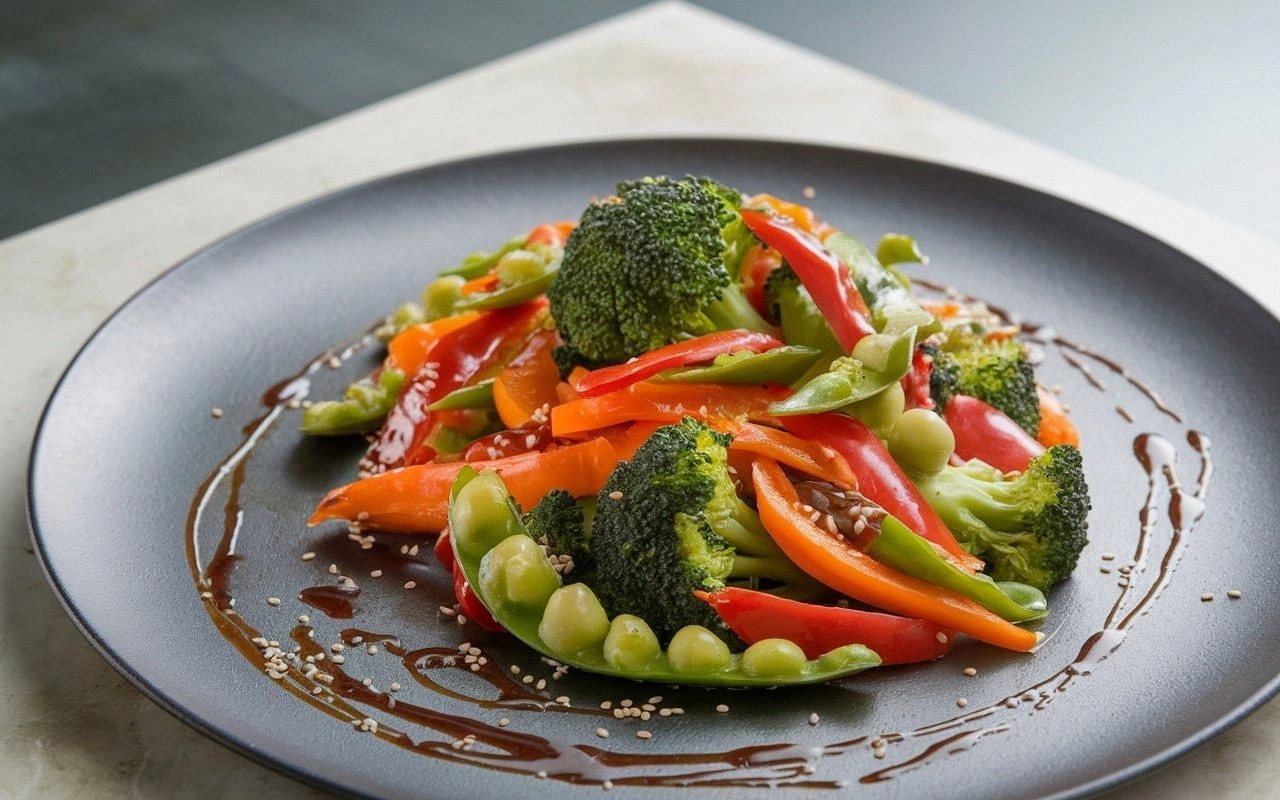
The Method — Step by Step
- In a small bowl, whisk together 2 tbsp soy sauce, 1 tbsp rice vinegar, 1 tbsp honey, 1 tsp cornstarch, and 1 tsp water. The mixture should be smooth and free of lumps. This will be your glaze, the glue that holds the flavors together. Keep it aside; you’ll add it at the end.
- Heat a large wok or skillet over medium‑high heat until it shimmers. Add 1 tbsp sesame oil, allowing it to coat the surface. The oil should bubble but not smoke. This step ensures a non‑stick surface and a subtle nutty aroma.
- Add 2 cloves minced garlic and 1 tbsp minced ginger to the hot oil. Stir quickly for 20–30 seconds until fragrant, being careful not to burn them. The aromatics should release a sweet, citrusy scent that permeates the kitchen.
- Add 1 cup sliced carrots and 1 cup broccoli florets to the wok. Stir-fry for 2 minutes, letting them develop a slight char. The vegetables should still retain a firm bite, not steam.
- Introduce 1 cup bell pepper strips and 1 cup snow peas. Continue cooking for another 2 minutes, flipping occasionally. The goal is to keep the veggies bright and crisp.
- Pour the pre‑mixed sauce over the vegetables, stirring vigorously to coat everything evenly. The sauce should thicken within 30 seconds, creating a glossy sheen. This is the moment of truth—watch the sauce transform.
- Add 1 cup sliced mushrooms and 1/2 cup sliced onions, tossing everything for an additional minute. The mushrooms will absorb the sauce, creating a silky finish. Finish by drizzling 1 tbsp sesame oil and sprinkling 1/2 tsp chili flakes. This final flourish gives the dish a nutty aroma and a gentle kick.
- Taste the stir‑fry, adding salt or pepper to taste. Serve hot over steamed rice or quinoa for a complete meal. The dish should be bright, fragrant, and slightly sweet with a hint of heat.
That's it — you did it. But hold on, I've got a few more tricks that'll take this to another level. Keep reading to discover how to elevate your stir‑fry from good to unforgettable.
Insider Tricks for Flawless Results
The Temperature Rule Nobody Follows
Cooking at the right temperature is the secret sauce of a perfect stir‑fry. If the heat is too low, the veggies will steam rather than sear, losing that coveted crunch. Aim for medium‑high heat; the wok should be hot enough that the oil shimmers and the vegetables sizzle immediately. A quick test is to flick a drop of water into the pan—it should evaporate instantly.
Why Your Nose Knows Best
Before you even taste the dish, your nose can tell you if it’s ready. A strong aroma of garlic and ginger means the aromatics are fully released. A faint scent of soy sauce indicates the sauce is not yet thickened. Trust your senses—if it smells like it’s on fire, it’s ready.
The 5-Minute Rest That Changes Everything
After cooking, let the stir‑fry rest for five minutes. This brief pause allows the flavors to meld and the sauce to set, giving the dish a silky texture. It also gives the vegetables a chance to reheat slightly, ensuring they remain tender yet crisp. I’ve seen people skip this step and end up with unevenly flavored bites.
Use Fresh, Seasonal Produce
The quality of your vegetables directly impacts the final taste. Fresh, seasonal produce will have a brighter flavor and better texture. If you’re in the off‑season, look for locally grown options or frozen varieties that are flash‑frozen to preserve nutrients.
Keep the Sauce Simple
A complicated sauce can overwhelm the veggies. Stick to a few core ingredients: soy sauce, vinegar, a sweetener, and cornstarch. Adding too many elements can lead to an unbalanced flavor profile that masks the vegetables’ natural sweetness.
Use a Splatter Guard
Oil splatters can be dangerous and messy. A splatter guard not only protects your hands but also keeps the wok clean. This simple tool saves you from a post‑cooking cleanup frenzy.
Creative Twists and Variations
This recipe is a playground. Here are some of my favorite ways to switch things up:
Tropical Twist
Swap the bell pepper for diced mango and add a splash of coconut milk to the sauce. The tropical sweetness pairs beautifully with the savory soy base. Serve over jasmine rice for a beach‑inspired meal.
Protein Power
Add cubed tofu, tempeh, or shrimp for a protein boost. Marinate the protein in a bit of soy sauce and ginger before adding it to the wok. The result is a hearty, balanced dish.
Spicy Korean Flair
Incorporate gochujang and a dash of sesame seeds for a Korean‑inspired flavor. The gochujang adds depth and a smoky heat that elevates the dish. Finish with a drizzle of sesame oil for that signature finish.
Herbaceous Garden
Add fresh herbs like cilantro or basil at the end of cooking. The herbs provide a burst of freshness that brightens the entire dish. This variation is perfect for spring and summer menus.
Low‑Carb Delight
Replace the rice with cauliflower rice or zucchini noodles. The texture remains satisfying while cutting carbs. The sauce will cling beautifully to the low‑carb base.
Vegan Delight
Use a plant‑based soy sauce and maple syrup instead of honey. Ensure the cornstarch is gluten‑free if needed. This version is fully vegan and still delivers the same depth of flavor.
Storing and Bringing It Back to Life
Fridge Storage
Store leftovers in an airtight container in the refrigerator for up to 3 days. The sauce may thicken slightly, so add a splash of water when reheating. This keeps the vegetables crisp and the sauce glossy.
Freezer Friendly
You can freeze this stir‑fry for up to 2 months. Portion into freezer bags and seal tightly. When you’re ready to eat, thaw overnight and reheat gently.
Best Reheating Method
Reheat in a pan over medium heat, adding a tiny splash of water or broth to loosen the sauce. Stir frequently to avoid sticking. The dish should be heated through but not overcooked, preserving the crunch.