I still remember the night I tried to impress my friends with a “simple” wing recipe and ended up with a greasy, bland mess that made everyone question my culinary prowess. The disaster started when I skipped the buttermilk marination and went straight to frying, and the result was dry, flavorless wings that clung together like a bad friendship. That kitchen fiasco turned into a mission: find the ultimate wing that’s crispy, flavorful, and leaves a lasting impression. I spent nights scouring forums, tasting dozens of sauces, and finally crafting a recipe that balances smoky Cajun heat with a bright lemon finish.
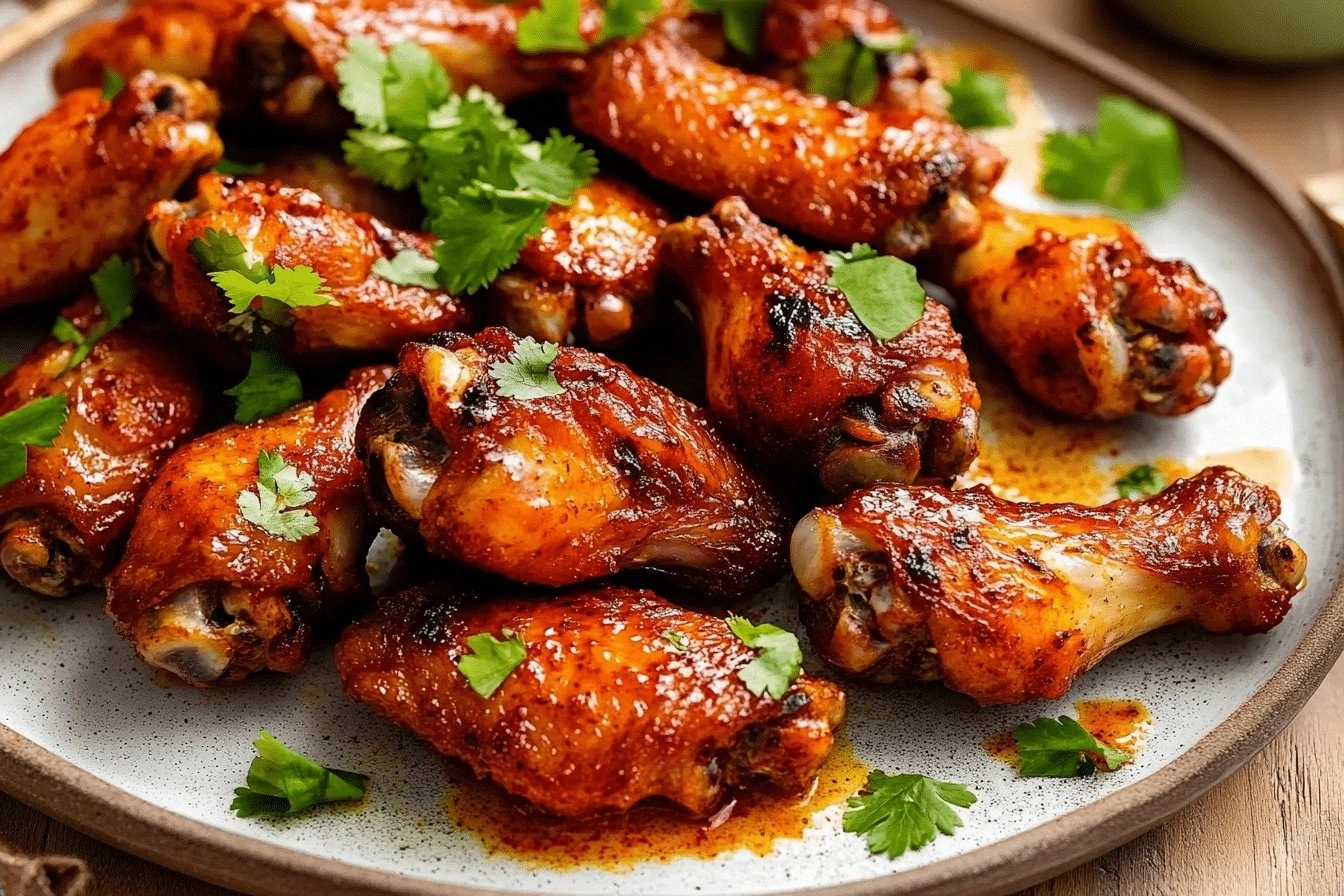
Picture this: a sizzling pan, the aroma of smoked paprika mingling with the sharp tang of fresh lemon, the sound of wings crackling as they hit the hot oil, and the visual of golden, blistered edges that shatter like thin ice when you bite into them. The first bite delivers a burst of heat from the Cajun seasoning, followed by a buttery crust that melts into a silky interior, and then a sudden citrus pop that lifts every flavor. The texture is a dance of crispness on the outside and juicy tenderness inside—no soggy or greasy middle, just pure wing perfection. If you’ve ever tasted a wing that just doesn’t hit the mark, this is the one that will change your perception forever.
What sets this version apart is the meticulous layering of flavors and techniques that most recipes overlook. I’ve combined a buttermilk brine that tenderizes the meat, a dry rub that locks in the heat, and a hot sauce glaze that adds a vibrant, tangy finish. The result is a wing that’s not only irresistibly tasty but also practical—easy to prep, forgiving if you’re short on time, and scalable for any gathering. This isn’t just another wing recipe; it’s a culinary revelation that will make you the hero of every party.
And there’s a twist you won’t expect—an unexpected splash of lemon juice that cuts through the richness and gives the sauce a bright, almost citrusy finish. I dare you to taste this and not go back for seconds, because once you try it, you’ll wonder why you ever settled for ordinary wings. Let me walk you through every single step—by the end, you’ll wonder how you ever made it any other way.
What Makes This Version Stand Out
- Flavor: The Cajun seasoning is a balanced blend of smoked paprika, cayenne, garlic powder, and oregano that delivers authentic regional heat without overpowering the other elements.
- Crispiness: The combination of flour and cornstarch creates a light, airy crust that shatters like crisp popcorn when you bite into it.
- Juiciness: A buttermilk brine loosens the muscle fibers, ensuring the wings stay moist even after a high-heat fry.
- Versatility: Whether you’re baking or frying, this recipe adapts to your equipment and preferences without sacrificing flavor.
- Time‑Efficient: The prep is quick, and the cooking process is streamlined, making it ideal for weeknight dinners or last‑minute game day snacks.
- Make‑ahead Potential: The wings can be marinated and coated a day ahead, then frozen or refrigerated, saving you precious minutes on the day of the event.
- Crowd‑Pleaser: The bold heat and zesty finish get rave reviews from both heat lovers and those who prefer a milder kick.
- Ingredient Quality: Fresh, high‑quality ingredients are key—think fresh lemon juice, real butter, and a good brand of Cajun seasoning.
Alright, let's break down exactly what goes into this masterpiece…
Inside the Ingredient List
The Flavor Base
Cajun Seasoning is the heart of this wing—its smoky paprika gives depth, cayenne adds heat, garlic powder brings umami, and oregano lends herbaceous nuance. Skipping it turns your wings into a bland, forgettable snack. If you can’t find a pre‑made mix, blend equal parts smoked paprika and garlic powder, add a pinch of cayenne, and a dash of dried oregano; it’s surprisingly effective.
The Texture Crew
Flour and Cornstarch work together to create a dry, airy coating that crisps to a golden crunch. Flour provides structure, while cornstarch reduces greasiness and keeps the coating light. If you’re allergic to wheat, replace the flour with almond flour or a gluten‑free blend; just keep the cornstarch for that crispness.
The Unexpected Star
Fresh Lemon Juice is the secret weapon that brightens the entire dish. Its acidity cuts through the richness of the butter and the heat of the hot sauce, creating a balanced flavor profile. If you can’t find fresh lemons, a splash of bottled lemon juice works, but the aroma won’t be as vibrant.
The Final Flourish
Butter or Oil is essential for achieving that glossy finish and mouth‑watering richness. Butter adds depth of flavor, while oil ensures a high smoke point for frying. Use a neutral oil like canola for a clean taste, or a mix of butter and oil for a buttery sheen.
Everything's prepped? Good. Let's get into the real action…
The Method — Step by Step
- Begin by rinsing the chicken wings under cold water and patting them dry with paper towels. This step is critical for a crispy exterior; any moisture will steam the wings instead of frying them. I always use a clean kitchen towel to ensure every surface is thoroughly dry. Once dry, place the wings in a large bowl to keep them from sticking together.
- In a separate bowl, whisk together 1 cup of buttermilk, 2 tablespoons of fresh lemon juice, and 1 teaspoon of salt. The acidity from the lemon and buttermilk will tenderize the meat, making it juicy and flavorful. Add the wings to the mixture, ensuring each piece is fully submerged. Cover the bowl with plastic wrap and refrigerate for at least 30 minutes—or up to 4 hours if you’re planning ahead.
- While the wings marinate, prepare the dry rub. In a shallow dish, combine 2 tablespoons of Cajun seasoning, 1 teaspoon of black pepper, and 1 teaspoon of salt. Mix until well blended. This rub will lock in the heat and create a flavorful crust when the wings are coated.
- After the marination period, remove the wings and pat them dry again—this time with a clean towel. Dry wings are essential for achieving that signature crunch. Set aside a paper towel to blot any excess moisture.
- In a large bowl, whisk together 1 cup of all‑purpose flour and ½ cup of cornstarch. Stir in the dry rub until the mixture is evenly coated. This flour‑cornstarch blend will create a light, airy crust that doesn’t become heavy or greasy.
- Coat each wing in the flour mixture, shaking off any excess. For an extra crispy finish, double‑coat by dipping the wings back into the flour mixture once more. This step is optional but highly recommended if you’re aiming for maximum crunch.
- Heat 2 cups of oil (or a mix of butter and oil) in a deep skillet or Dutch oven to 375°F (190°C). Use a thermometer for accuracy; if the oil is too hot, the coating will burn before the wings cook through. Once the oil reaches the right temperature, carefully add the wings in batches, ensuring not to overcrowd the pan.
- This is the moment of truth: Fry the wings for 10–12 minutes, turning them every 3 minutes to ensure even browning. The wings should develop a deep golden color and a crisp, crackling sound when they hit the pan. Keep an eye on the oil temperature, lowering the heat if it starts to smoke.
- Watch Out: If you add the hot sauce too early, the coating can become soggy. Wait until after the wings have fried and are still hot before tossing them in the sauce.
- And now the fun part. In a small saucepan, melt 2 tablespoons of butter over medium heat. Add 2 tablespoons of hot sauce and stir until the mixture is glossy. Pour the sauce over the fried wings, tossing gently to coat each piece evenly. The sauce should cling to the wings, creating a sticky, flavorful glaze.
- Serve immediately, garnished with a squeeze of fresh lemon juice and a sprinkle of chopped parsley if desired. The bright citrus note will contrast beautifully with the smoky heat.
- That’s it—you did it. But hold on, I've got a few more tricks that'll take this to another level…
Insider Tricks for Flawless Results
The Temperature Rule Nobody Follows
Maintaining a steady oil temperature is the secret to crispy wings. If the oil is too hot, the coating will burn before the inside cooks; if it’s too cool, the wings will soak up excess oil. Use a thermometer and keep the temperature between 375°F and 380°F. I’ve found that a quick dip of a wooden spoon in the oil helps gauge the heat—if it bubbles gently around the wood, you’re good to go.
Why Your Nose Knows Best
Trust your senses: a properly fried wing should emit a nutty, toasted aroma with hints of paprika. If you smell a metallic or burnt scent, the oil is too hot. Conversely, if the scent is faint, the oil is likely too cool. My friend once fried wings at 300°F, and the result was a soggy mess—lesson learned, and I never repeat it.
The 5‑Minute Rest That Changes Everything
After frying, let the wings rest on a wire rack for 5 minutes. This allows the steam to escape, preventing the coating from becoming soggy. I always place the rack over a sheet of parchment to catch any excess oil, which also helps keep the kitchen clean.
Double‑Coating for Extra Crunch
If you’re aiming for maximum crispness, double‑coat the wings in the flour mixture. Dip the wings back into the dry rub after the first coating, then let them rest for a few minutes before the second coat. This extra layer traps air and creates a crunch that’s almost cinematic.
The Lemon Zest Technique
Grate a bit of lemon zest into the sauce right before tossing the wings. The zest adds a bright, aromatic layer that complements the heat and brings a fresh finish. I’ve found that a pinch of zest can elevate the flavor profile from good to unforgettable.
Creative Twists and Variations
This recipe is a playground. Here are some of my favorite ways to switch things up:
Honey‑Spice Glaze
Swap the hot sauce for a mixture of honey and a splash of soy sauce. The sweetness balances the heat, creating a sticky, caramelized coating that pairs wonderfully with a side of ranch.
Garlic Parmesan Finish
After frying, toss the wings in melted butter infused with minced garlic and grated Parmesan. The nutty, savory finish transforms the wings into a gourmet snack perfect for a wine‑and‑dine evening.
Smoky Chipotle Kick
Add a teaspoon of chipotle powder to the dry rub for a smoky, earthy heat. Pair with a side of guacamole for a Mexican‑inspired twist that still feels like a Southern classic.
Citrus‑Herb Fusion
Replace the lemon juice with a mixture of lime and orange zest. The citrus blend brightens the sauce, while fresh thyme adds an herbal note that’s both fragrant and refreshing.
Balsamic Glaze Finale
Drizzle a balsamic reduction over the finished wings. The sweet acidity pairs beautifully with the Cajun heat, creating a complex flavor profile that’s sure to impress.
Storing and Bringing It Back to Life
Fridge Storage
Store leftover wings in an airtight container in the refrigerator for up to 3 days. The coating may soften slightly, but a quick reheat will restore the crispness. I recommend placing them on a baking sheet and warming at 350°F for 8 minutes.
Freezer Friendly
Freeze wings in a single layer on a parchment‑lined tray before transferring to a freezer bag. They’ll stay fresh for up to 2 months. Thaw overnight in the refrigerator before reheating.
Best Reheating Method
Reheat in a preheated oven at 400°F for 10–12 minutes, or use a toaster oven for a faster option. Add a splash of water before reheating to keep the wings moist; the steam will help restore the original texture.