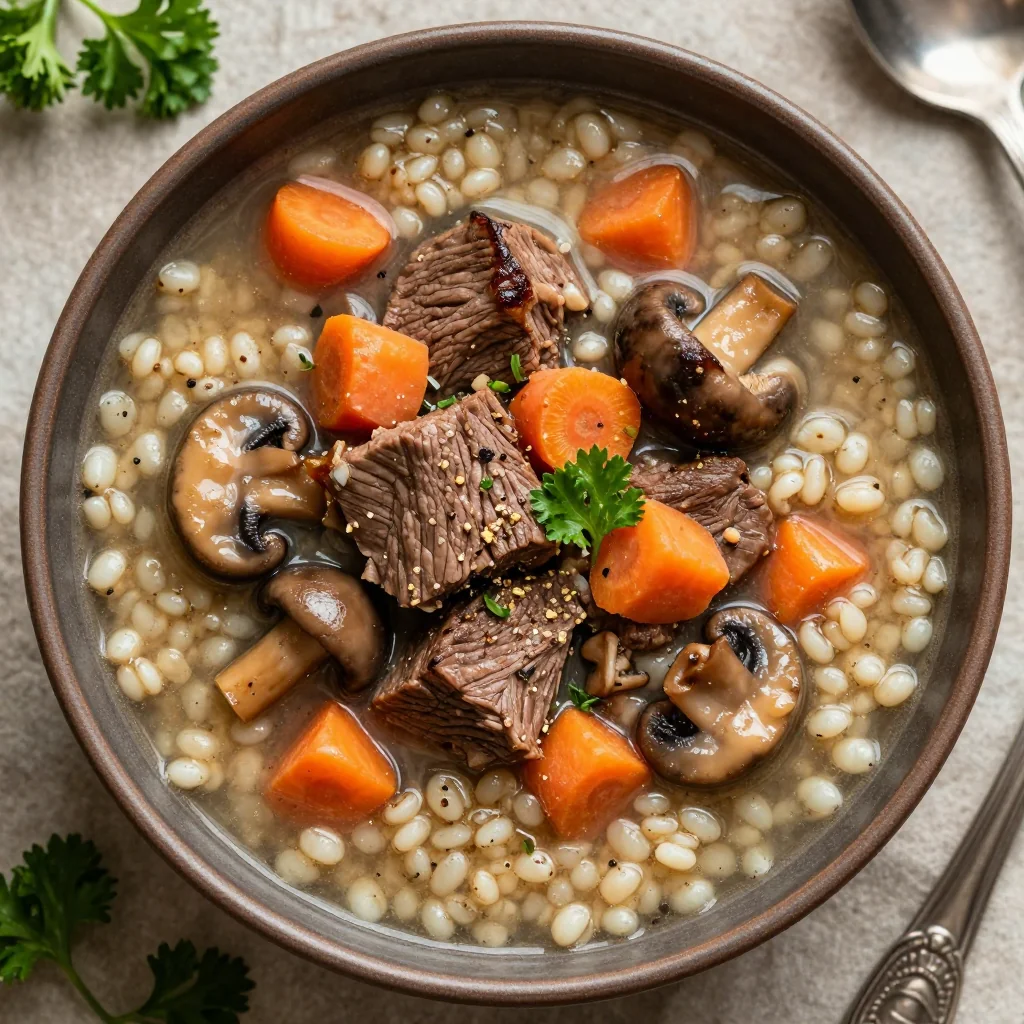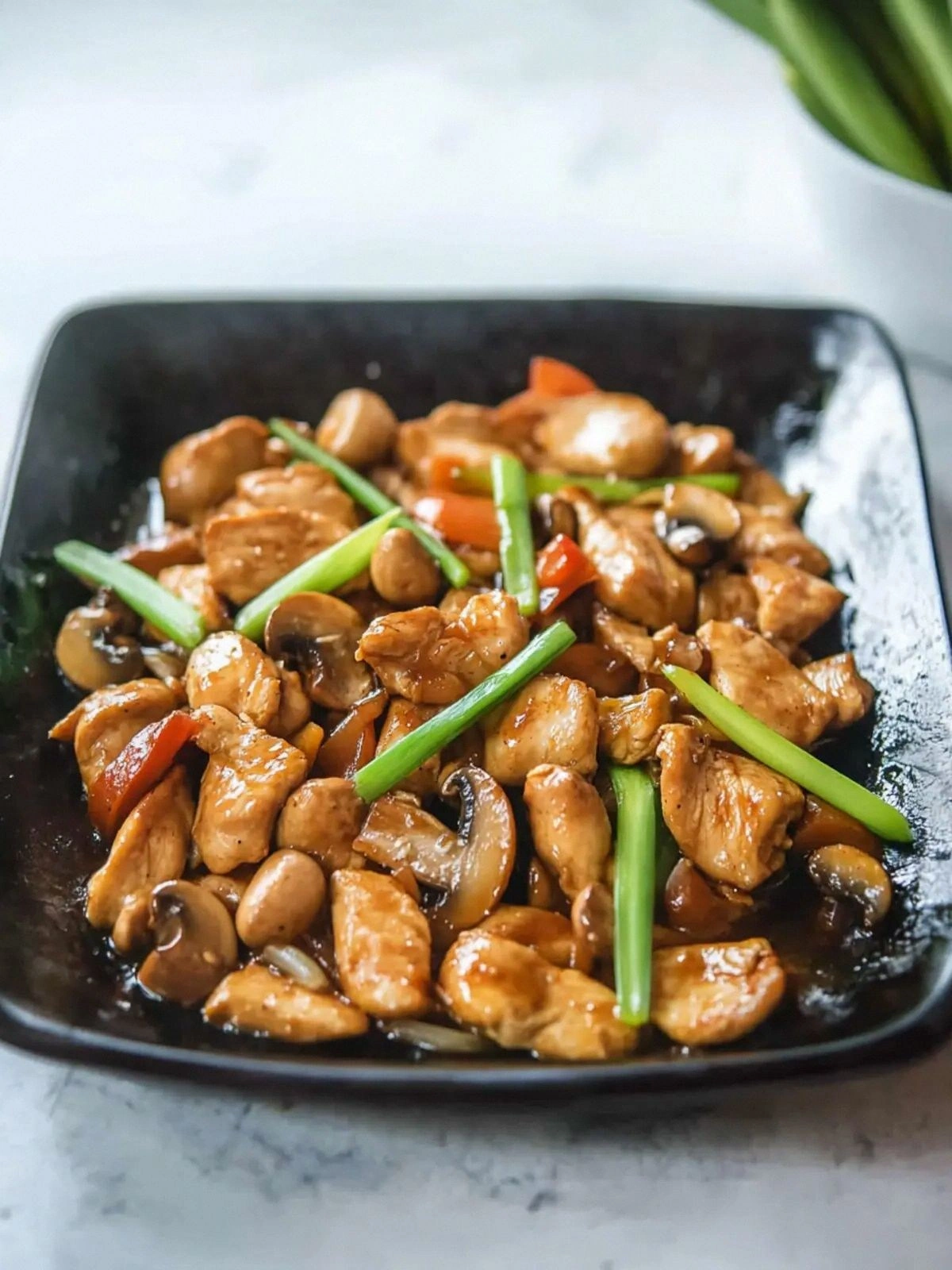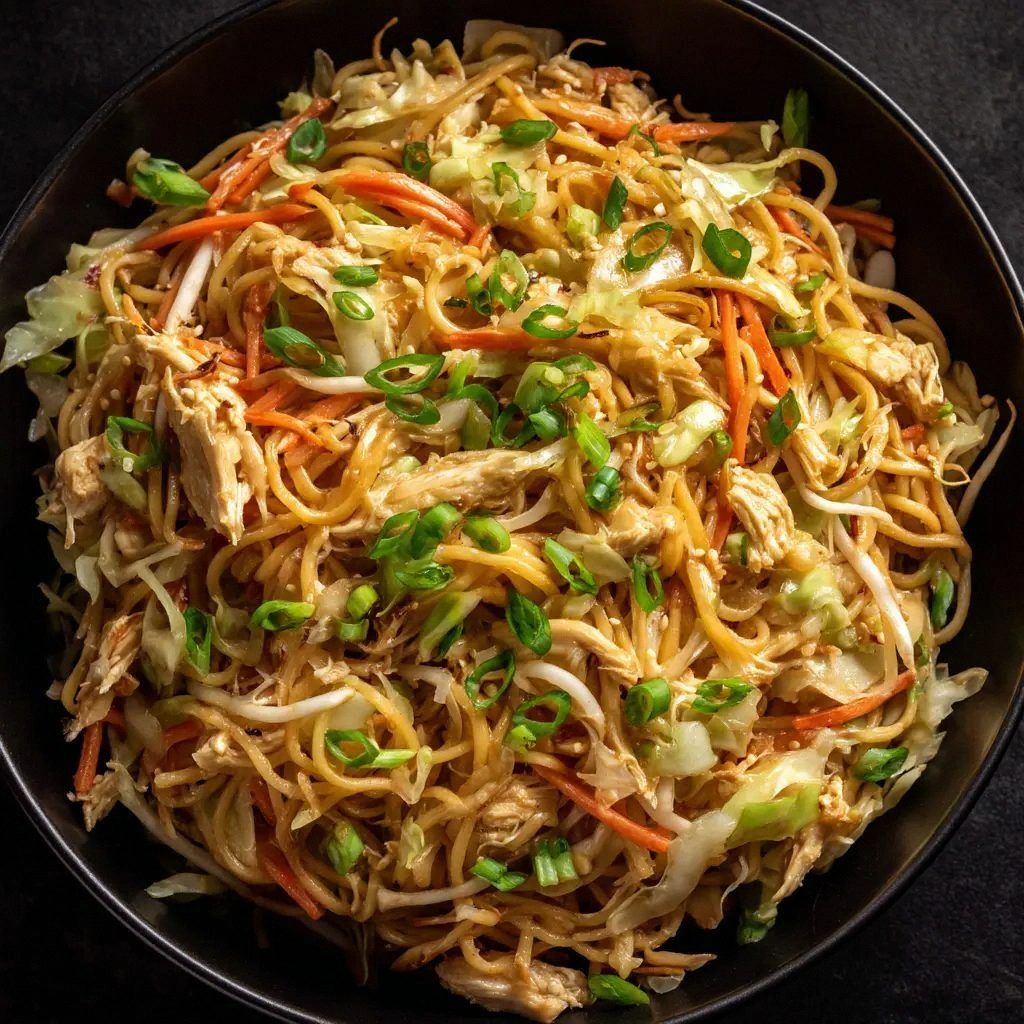
I was halfway through a midnight snack, staring at a half‑empty takeout bowl, when I realized my kitchen was a disaster zone. The soy sauce had splattered across the counter, the garlic clove lay half‑buried in the trash, and my phone buzzed with a friend’s dare: “Make the best chow mein you can and show me.” I laughed, grabbed the recipe, and set out to prove that homemade could outshine any delivery. The air smelled of fresh ginger and the sizzle of oil, and I knew something special was about to happen.
Picture this: a pot of boiling water, noodles sliding in like a silver ribbon, the aroma of garlic and ginger dancing through the kitchen. The sound of the pan heating is a low, steady hum that signals the start of a culinary adventure. As the noodles absorb the broth, they swell, becoming tender yet firm enough to hold the sauce. I could almost taste the first bite—savory, slightly sweet, with a subtle nutty undertone from the sesame oil.
What makes this version stand out? It’s not just the ingredients, but the technique that turns simple components into a symphony of flavors. I’ve spent years experimenting with sauce ratios, stir‑fry timing, and the perfect crunch. The result? A dish that feels like a hug from the inside out, with textures that dance on the palate. I dare you to taste this and not go back for seconds.
Most recipes get this completely wrong, either by overcooking the veggies or under‑seasoning the sauce. Here, each element is carefully balanced: the noodles are al dente, the vegetables are crisp, and the sauce coats the noodles like velvet. The secret lies in a few small tweaks that elevate the dish—like a splash of toasted sesame oil that adds depth, or a touch of cornstarch that gives the sauce that silky finish. If you've ever struggled with this, you're not alone, and I've got the fix. Stay with me here—this is worth it.
What Makes This Version Stand Out
- Flavor Harmony: Every bite delivers a balanced profile where umami, sweetness, and a hint of heat coexist. The low‑sodium soy sauce keeps the dish savory without drowning other flavors, while the oyster sauce adds a subtle brininess that lifts the entire plate.
- Texture Contrast: The noodles stay chewy, the cabbage remains crisp, and the bean sprouts provide a refreshing snap. This interplay keeps the dish exciting and prevents it from becoming a monotonous noodle soup.
- Speed of Prep: With a prep time of just fifteen minutes, you can go from pantry to plate in a flash—perfect for a weeknight dinner or a last‑minute dinner party.
- Ingredient Quality: Using fresh, unprocessed items like crisp cabbage and fresh ginger ensures that the dish feels alive and not factory‑made.
- Make‑Ahead Friendly: The sauce can be pre‑mixed and the noodles can be pre‑cooked, allowing you to assemble the dish in under five minutes when time is tight.
- Scalability: Whether you’re feeding two or twenty, the proportions remain consistent, making it ideal for family meals or potlucks.
- Authenticity with a Twist: While staying true to classic chow mein, the addition of toasted sesame oil and a light cornstarch glaze gives it a modern, silky finish.
- Audience Appeal: It’s a crowd‑pleaser that satisfies both kids who love noodles and adults who crave depth. The dish’s versatility means it can be paired with a side of dumplings or a light salad.
Inside the Ingredient List
The Flavor Base
At the heart of any chow mein is the sauce, and in this recipe, the combination of low‑sodium soy sauce and oyster sauce creates a robust umami foundation. The soy sauce provides depth and saltiness, while the oyster sauce adds a subtle sweetness and a hint of marine richness. Skipping either would leave the dish feeling flat and incomplete.
Fresh ginger is the next critical component. Its sharp, peppery bite cuts through the richness of the sauce and adds a refreshing zing. If you don’t have fresh ginger, a teaspoon of ground ginger can work, but the aroma and flavor will be less vibrant.
The Texture Crew
Shredded cabbage, sliced carrots, and celery stalks contribute a spectrum of textures—from the crunch of raw veggies to the tender bite of slightly cooked carrots. These vegetables also add color, making the dish visually appealing. Removing them would make the dish feel like a plain noodle bowl.
Bean sprouts bring a delicate snap and a mild, slightly sweet flavor that balances the savory sauce. If you’re vegan, you can replace them with edamame or sliced bell pepper for a similar crunch.
The Unexpected Star
Toasted sesame oil is the secret weapon that elevates the dish from ordinary to extraordinary. Its nutty aroma and subtle bitterness add depth and a finishing touch that lingers on the palate. A splash of this oil is enough; too much can overpower the other flavors.
Cornstarch is used to give the sauce that glossy, silky finish. It thickens the sauce without making it heavy, allowing the noodles to glide smoothly. If you omit it, the sauce will be watery and cling less to the noodles.
Everything's prepped? Good. Let's get into the real action.
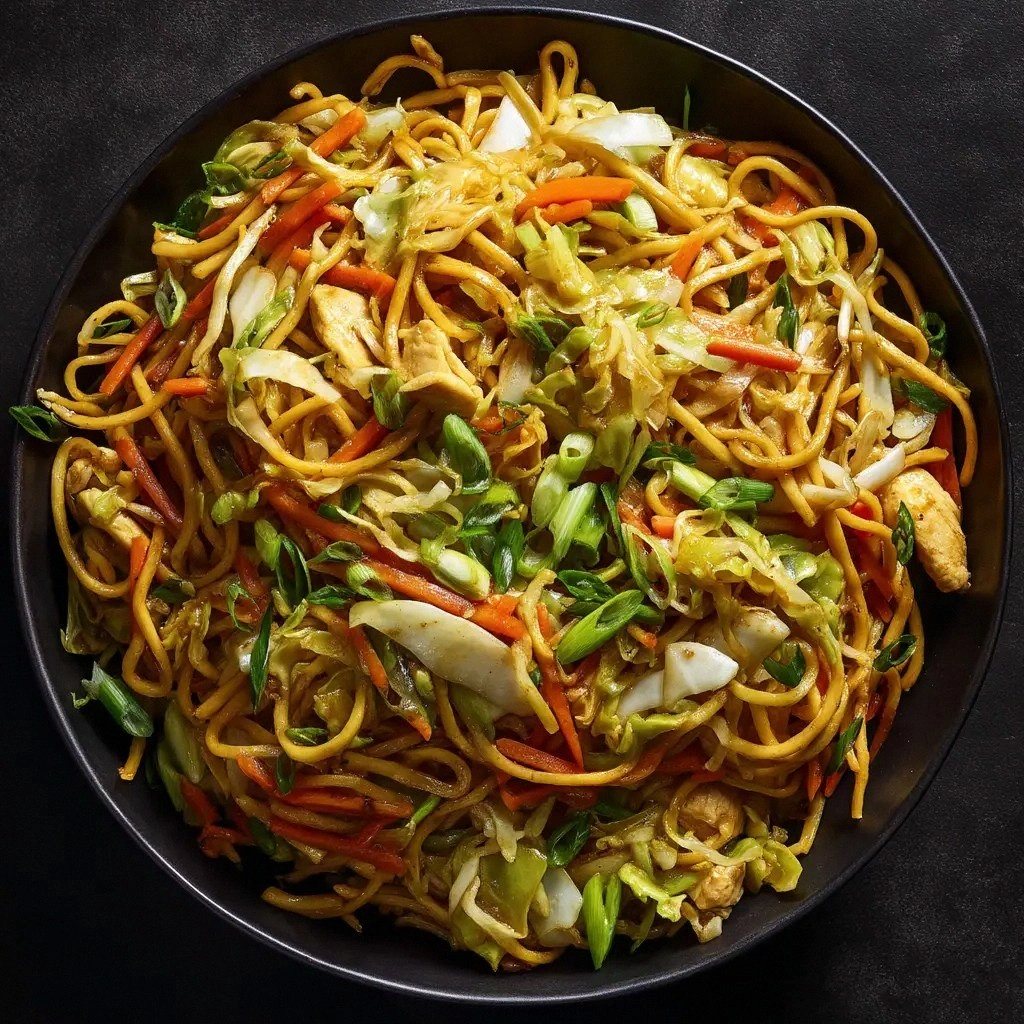
The Method — Step by Step
- Step 1: Prep the Noodles. Bring a large pot of salted water to a rolling boil. Add the chow mein noodles and cook according to package instructions until they’re just shy of al dente—usually about 3 minutes. Drain and rinse under cold water to stop the cooking process and prevent sticking. Toss the noodles with a tablespoon of vegetable oil; this keeps them from clumping together. The noodles should feel firm and springy when you bite into them.
- Step 2: Marinate the Chicken. While the noodles are boiling, slice the chicken breast into thin, bite‑sized strips. In a bowl, combine the chicken with half a tablespoon of soy sauce, a pinch of cornstarch, and a splash of water. Let it sit for 10 minutes; this tenderizes the meat and creates a smooth coating that will caramelize beautifully. The marinated chicken will absorb the umami flavors and stay juicy.
- Step 3: Sauté Aromatics. Heat the remaining tablespoon of vegetable oil in a large wok or skillet over medium‑high heat. Add the minced garlic and grated ginger, stirring constantly to avoid burning. The aroma should be fragrant and slightly sweet. Once the aromatics turn golden, add the marinated chicken and cook until it’s no longer pink. The chicken should be lightly browned on the edges, giving it a subtle char.
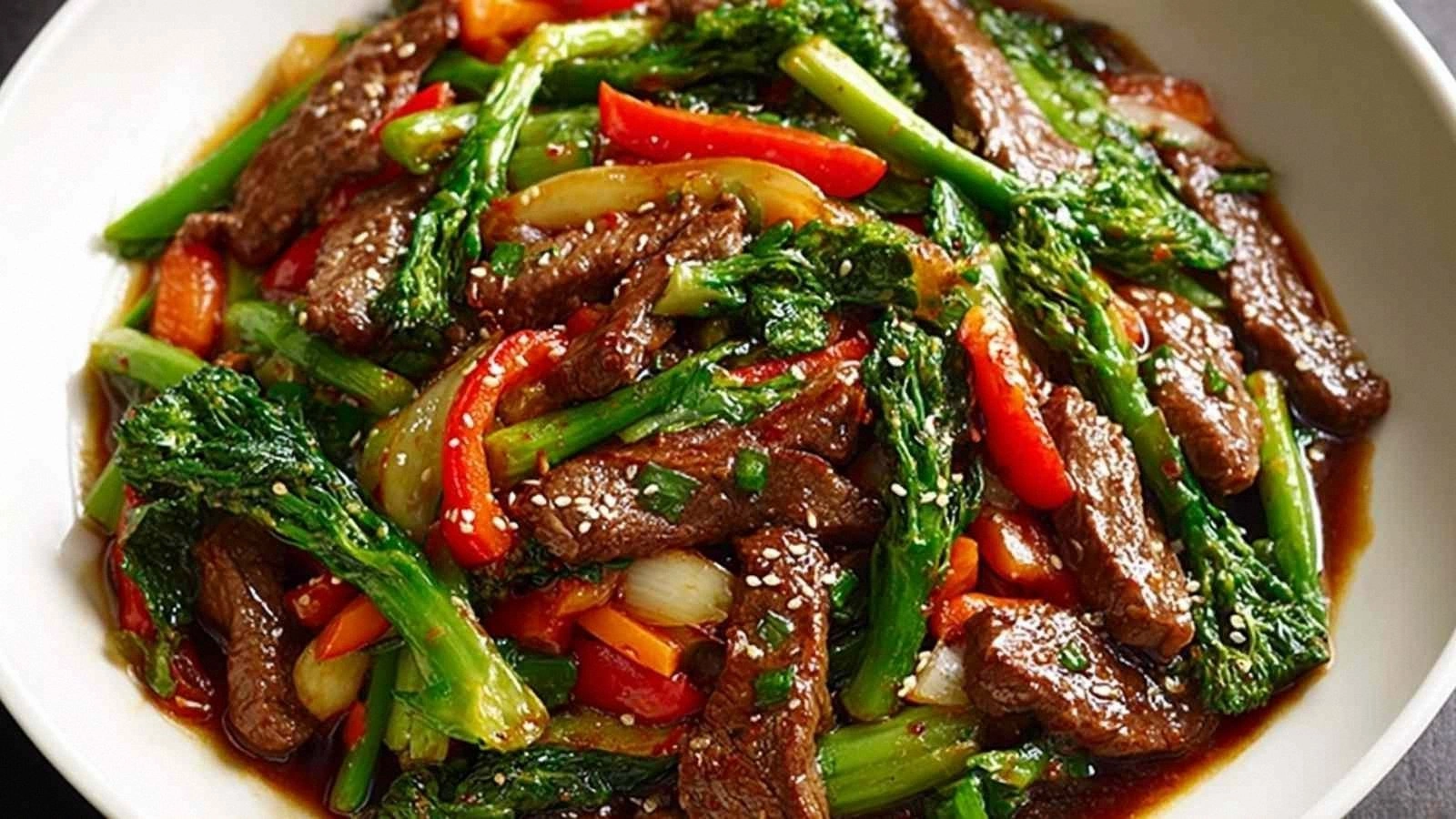
- Step 4: Add Vegetables. Toss in the shredded cabbage, sliced carrots, celery, and bean sprouts. Stir‑fry for 2–3 minutes until the vegetables are crisp‑tender. The vegetables should still hold their color and a slight crunch, not become soggy. This step is crucial for maintaining the dish’s textural contrast.
- Step 5: Build the Sauce. In a small bowl, whisk together the low‑sodium soy sauce, oyster sauce, toasted sesame oil, and a teaspoon of cornstarch dissolved in a tablespoon of water. Pour the mixture over the chicken and vegetables, stirring quickly so the cornstarch thickens the sauce instantly. The sauce should coat the noodles and veggies evenly, creating a glossy sheen.
- Step 6: Combine Noodles. Add the cooked noodles to the wok. Toss everything together, ensuring the noodles soak up the sauce. The mixture should feel slightly sticky but not drenched. If the sauce seems too thick, splash a little water or broth to loosen it.
- Step 7: Final Touches. Taste the dish and adjust seasoning if needed. A pinch of salt or a dash of pepper can balance the flavors. Let the chow mein sit for a minute; this allows the flavors to meld. The final dish should be fragrant, slightly sweet, and savory.
- Step 8: Serve Immediately. Transfer the chow mein to a large serving bowl or individual plates. Garnish with chopped green onions and a squeeze of lime for brightness. Serve hot, preferably with a side of hot wontons or a light cucumber salad. The dish should feel comforting yet vibrant, with every bite offering a new texture.
That's it — you did it. But hold on, I've got a few more tricks that'll take this to another level.
Insider Tricks for Flawless Results
The Temperature Rule Nobody Follows
Many cooks keep the heat too low, resulting in soggy noodles. I always set my wok to medium‑high and keep the flame steady. This ensures the noodles sear slightly, creating a subtle caramelized crust that adds depth. One time, a friend tried cooking on low and the dish turned into a mushy mess. The lesson? High heat is your best friend.
Why Your Nose Knows Best
The first hint that your chow mein is ready is the aroma. A sweet, garlicky scent signals that the sauce has thickened and the noodles have absorbed the flavors. If the smell is still raw or metallic, give it another minute. Your nose is the most reliable judge of readiness.
The 5-Minute Rest That Changes Everything
After tossing the noodles, let the dish rest for five minutes off the heat. This allows the sauce to settle and the noodles to finish cooking in their own steam. It also lets the flavors meld, resulting in a more cohesive dish. Skipping this step often leaves the sauce uneven and the noodles unevenly coated.
Don’t Forget the Crunch
Even the best sauce can’t compensate for limp vegetables. Add a handful of fresh bean sprouts or a splash of crisp bell pepper just before serving to keep the dish lively. My friend once added frozen peas and the dish felt flat. Freshness matters.
Keep It Clean
Stir‑frying requires constant movement. A clean wok reduces sticking and allows even cooking. I wipe the wok between steps with a paper towel to remove excess oil. This keeps the dish from feeling greasy.
Creative Twists and Variations
This recipe is a playground. Here are some of my favorite ways to switch things up:
Spicy Sriracha Kick
Swap a tablespoon of oyster sauce for Sriracha for a fiery version. The heat pairs wonderfully with the sesame oil, creating a bold, spicy flavor. Great for those who love a little burn in their noodles.
Veggie‑Only Delight
Omit the chicken and replace it with tofu or tempeh for a vegetarian version. Marinate the protein in soy sauce and cornstarch for extra crispness. The dish remains hearty and satisfying.
Seafood Sensation
Swap chicken for shrimp or scallops. Cook the seafood separately to avoid overcooking. The briny flavor complements the oyster sauce and adds a luxurious touch.
Thai Fusion Twist
Add a tablespoon of fish sauce and a squeeze of lime to give it a Thai vibe. Garnish with fresh cilantro and crushed peanuts for crunch. The dish becomes an instant crowd‑pleaser at parties.
Breakfast Bowl
Serve the chow mein over a bed of fluffy scrambled eggs. The eggs soak up the sauce and add protein. It’s a quick, comforting breakfast that feels like a treat.
Gluten‑Free Version
Use rice noodles instead of chow mein noodles and keep the rest of the recipe unchanged. The texture changes slightly, but the flavors remain intact. Perfect for gluten‑free diners.
Storing and Bringing It Back to Life
Fridge Storage
Store leftovers in an airtight container for up to 2 days. Keep the sauce separate if possible, or add a splash of water when reheating to prevent it from becoming too thick. The noodles will stay firm if reheated gently.
Freezer Friendly
Freeze in a single‑layer tray first, then transfer to a freezer bag. The dish stays good for up to 3 months. Reheat in a skillet, adding a little water or broth to loosen the sauce.
Best Reheating Method
Heat in a wok or skillet over medium heat, stirring frequently. Add a splash of water or broth to keep the sauce from drying out. The dish should be steaming hot and the noodles should feel silky, not dry.