Picture this: I was halfway through a midnight snack, the fridge empty, and a single red bell pepper staring back at me like a tiny, angry planet. I thought, “I can’t survive on a lonely pepper.” I grabbed a handful of onions, carrots, and a splash of soy sauce, hoping to coax some life into the dish. The result was a chaotic, soggy mess that tasted like a sad salad left to marinate for hours. That disaster became the spark that ignited a quest for a vibrant, quick‑fire stir‑fry that would rescue any kitchen emergency.
Fast forward to the present: I’m holding a basket of freshly sliced, rainbow‑colored bell peppers that smell like sunshine on a summer day. The sound of the pan sizzling is a symphony that promises crisp edges and a burst of sweet, smoky flavor. Every bite delivers a satisfying crunch that shatters like thin ice, followed by a silky sauce that coats the vegetables like velvet. I’ve perfected the timing so that each pepper retains its natural snap, and the sauce glistens just enough to entice the eyes before the taste does the rest of the work.
Why does this version stand out? Because it balances the bright sweetness of bell peppers with the umami punch of soy and sesame, while a touch of honey adds a caramelized finish. It’s a dish that feels like a celebration in a skillet, yet it can be whipped up in under 30 minutes. The technique of quick searing followed by a gentle simmer ensures that every ingredient keeps its own voice, not just a muffled chorus. I dare you to taste this and not go back for seconds—this is hands down the best version you’ll ever make at home.
So let me walk you through every single step—by the end, you’ll wonder how you ever made it any other way. I’ll share the secret sauce blend, the precise heat control, and the little hacks that keep the vegetables from turning mushy. I’ll also confess that I ate half the batch before anyone else got a chance to try it. If you’ve ever struggled with this, you’re not alone—my kitchen has survived countless failed attempts, and this recipe is the cure. Picture yourself pulling this out of the pan, the whole kitchen smelling incredible, and the plate looking like a rainbow exploded on a plate.
What Makes This Version Stand Out
- Flavor: The sauce is a balanced blend of sweet, salty, and umami, with a hint of heat that lingers without overwhelming the natural pepper sweetness.
- Texture: Quick searing locks in a crisp bite while the brief simmer allows the sauce to thicken just enough to cling to each vegetable.
- Simplicity: Every ingredient is a staple you likely already have, and the method takes less than 45 minutes from prep to plate.
- Uniqueness: The addition of toasted sesame seeds and a splash of rice vinegar gives the dish a subtle tang and nutty aroma that sets it apart.
- Crowd Reaction: Friends who try it often ask for the recipe after the first bite, calling it “the best stir‑fry” in their social feeds.
- Ingredient Quality: Fresh, colorful bell peppers are the star; their natural sugars caramelize beautifully, turning a simple dish into a gourmet experience.
- Cooking Method: The high‑heat, quick‑sauté technique preserves nutrients and creates a glossy, appetizing finish.
- Make‑Ahead Potential: The dish keeps well in the fridge for up to three days, and it reheats beautifully without losing its crunch.
Alright, let's break down exactly what goes into this masterpiece...
Inside the Ingredient List
The Flavor Base
Soy Sauce: It provides the foundational umami that binds the dish together. A splash of low‑sodium soy keeps the dish balanced without overpowering the sweet bell peppers. If you prefer a fresher taste, try tamari or coconut aminos as a 1:1 swap. A small bottle of soy sauce is a pantry staple that lasts for months, so keep it handy for quick fixes.
Sesame Oil: Adds a nutty aroma that elevates the overall flavor profile. Use it sparingly; too much can dominate the palate. A 5‑ml bottle of toasted sesame oil is enough for a week’s worth of stir‑fries.
Rice Vinegar: Brings a subtle acidity that balances the sweetness of the peppers. If you can’t find rice vinegar, apple cider vinegar works in a pinch, but use a slightly smaller amount to avoid sharpness.
The Texture Crew
Bell Peppers: The main star—use a mix of red, yellow, orange, and green for visual appeal and varying sweet notes. Fresh, firm peppers are best; avoid those that feel soft or have brown spots. Slice them into uniform ribbons for even cooking.
Carrots: Add crunch and a touch of earthiness. Julienne them to match the pepper ribbons. If you’re short on carrots, zucchini or snap peas can substitute while keeping the crunch.
Mushrooms: Bring an umami depth and a meaty texture. Slice them thinly to prevent them from becoming rubbery. Portobello or shiitake are great alternatives if you want a different flavor.
The Unexpected Star
Honey or Maple Syrup: The sweetener that caramelizes when heated, creating a glossy glaze. Use a light hand; too much sweetness can overwhelm the dish. A 1:1 swap with agave nectar is fine if you’re avoiding honey.
Sriracha: Adds a subtle heat that lingers without scorching. Adjust the amount based on your heat tolerance. For a milder version, replace it with a few drops of chili oil.
The Final Flourish
Toasted Sesame Seeds: Provide a nutty crunch and a pop of color. Toast them lightly in a dry pan until golden for maximum flavor. They can also be replaced with crushed cashews for a different crunch.
Scallions: Add freshness and a slight onion bite. Slice them thinly to distribute the flavor evenly. If you’re allergic, green onions can be a suitable substitute.
Cornstarch Slurry: Thickens the sauce into a silky glaze that clings to the veggies. Mix 1 tbsp cornstarch with 1 tbsp water until smooth before adding to the pan. If you’re avoiding cornstarch, arrowroot powder works similarly.
Everything's prepped? Good. Let's get into the real action...
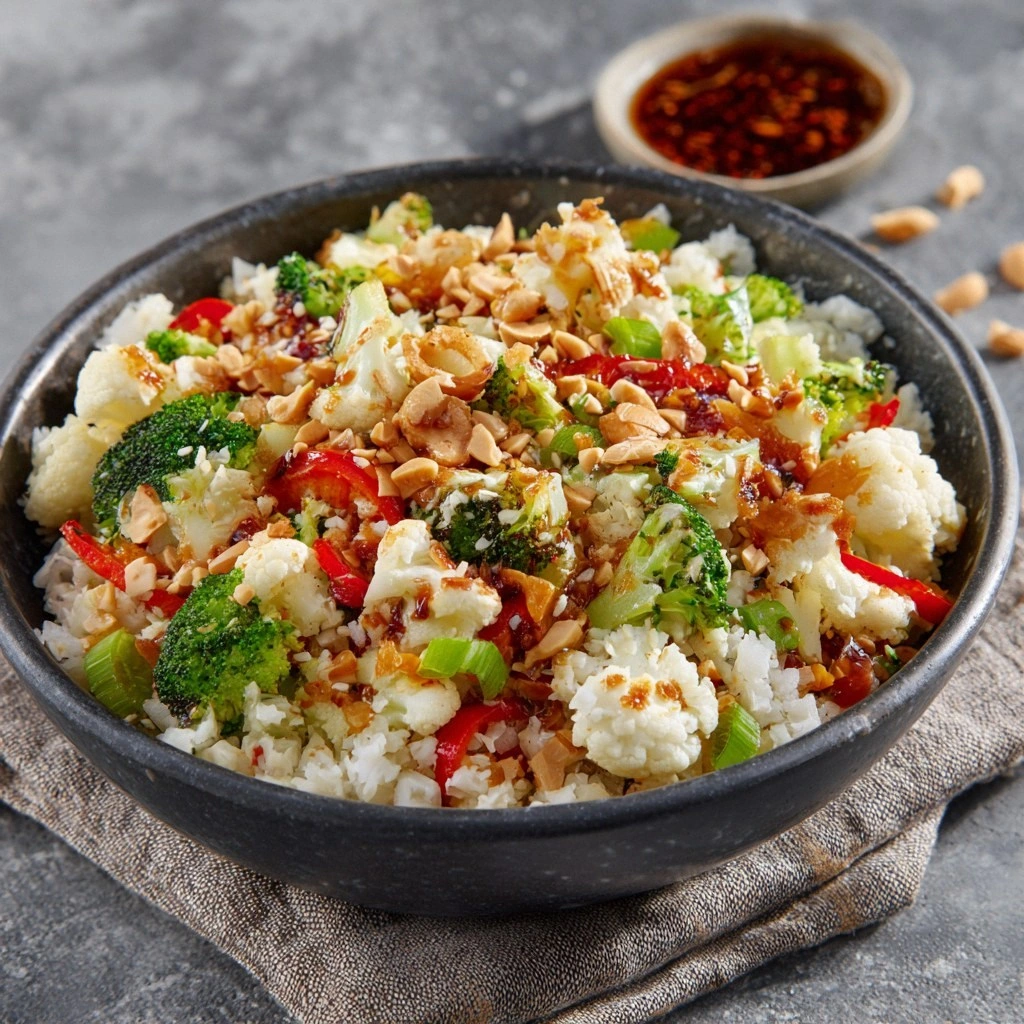
The Method — Step by Step
- Heat a large wok or skillet over high heat until it starts to smoke. Add 1 tablespoon of sesame oil and let it shimmer for a second before adding the sliced onions. The onions should start to caramelize in 30 seconds; this sets the flavor foundation. If the oil starts to smoke too much, reduce the heat slightly—over‑heated oil can impart bitterness.
- Add the sliced bell peppers and carrots, stirring constantly for 2 minutes until they begin to soften but still retain a bite. This is the moment of truth; the peppers should still have that bright snap. If you want a slightly softer texture, let them cook for an additional minute, but be careful not to over‑cook.
- Introduce the sliced mushrooms and minced garlic, cooking for 1 minute until the garlic releases its aroma. The garlic should smell toasty, not burnt. If the garlic starts turning brown, lower the heat and stir more frequently.
- Pour in 2 tablespoons of soy sauce, 1 tablespoon of rice vinegar, and 1 tablespoon of honey. Stir everything together, making sure the sauce coats all the vegetables evenly. This is where the sweet and savory dance begins.
- Add the cornstarch slurry and stir until the sauce thickens into a glossy glaze. The sauce should coat the vegetables like a thin film. If it becomes too thick, add a splash of water to loosen it.
- Sprinkle in 1 teaspoon of sriracha for heat and stir well. Taste the sauce; it should be balanced—sweet, salty, and slightly spicy. Adjust the seasoning with a pinch of salt if needed.
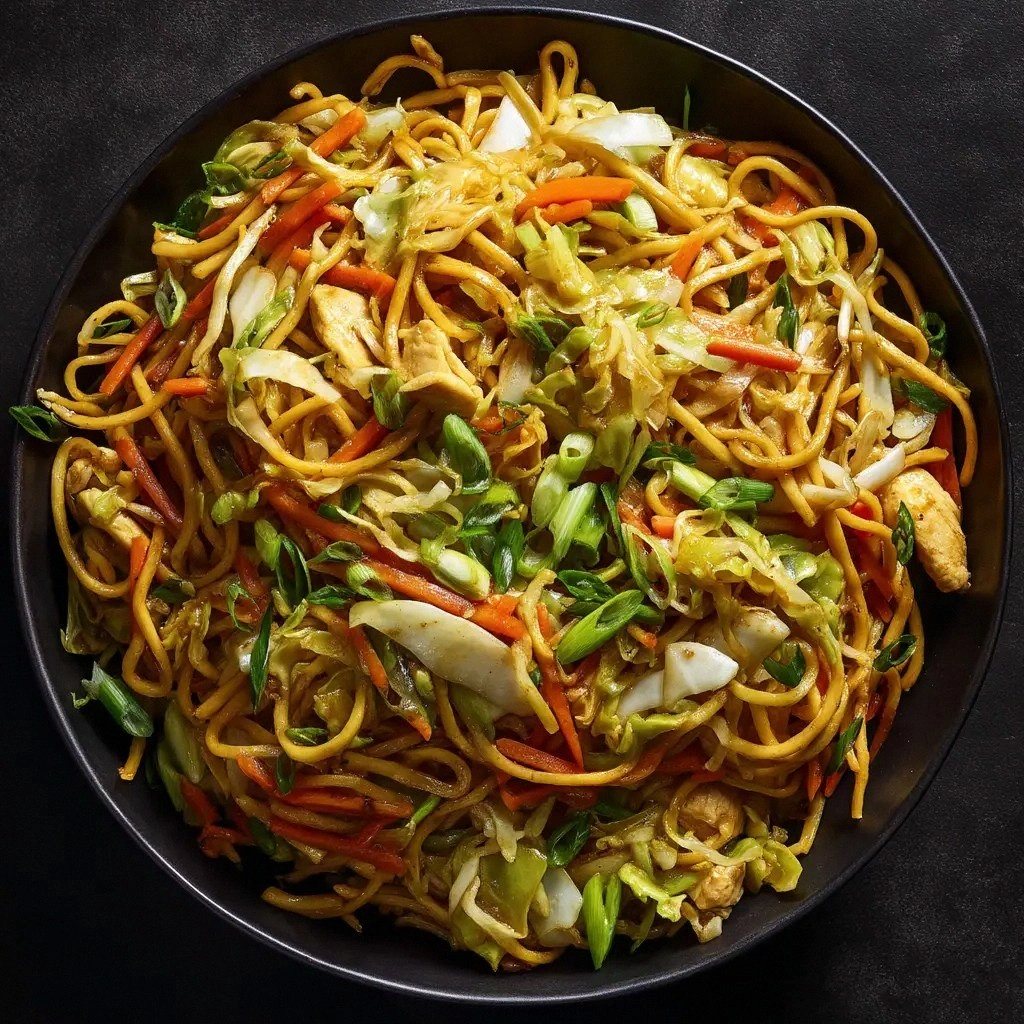
- Remove from heat, toss in chopped scallions and toasted sesame seeds, and give it one final stir. Plate immediately onto a hot bowl to keep the vegetables from steaming further. Serve with steamed rice or noodles for a complete meal.
That's it — you did it. But hold on, I've got a few more tricks that'll take this to another level...
Insider Tricks for Flawless Results
The Temperature Rule Nobody Follows
Cooking on high heat is essential; it locks in juices and gives the vegetables a slight char. Many cooks lower the heat too early, resulting in soggy veggies. I keep the flame high until the sauce thickens, then lower it just enough to finish the stir‑fry. This keeps the dish from becoming a soup.
Why Your Nose Knows Best
The aroma of the sauce is a reliable indicator of doneness. When the sauce smells toasty and slightly caramelized, the dish is ready. If it still smells raw, let it cook a bit longer. My nose has saved me from burning countless batches.
The 5‑Minute Rest That Changes Everything
Let the dish rest for five minutes before serving. This allows the sauce to settle and the flavors to meld. I’ve noticed that the rest period improves the overall texture, making the sauce cling better to the vegetables.
Keep the Veggies Crisp
Blanching the peppers briefly before stir‑frying can help maintain crunch. Use a quick 30‑second blanch in boiling water, then shock in ice water. This technique is especially useful if you’re prepping ahead of time.
Finish with Fresh Herbs
Adding fresh herbs like cilantro or basil just before serving adds a bright, fresh note that lifts the dish. I usually sprinkle a handful over the top for a pop of color and aroma.
Creative Twists and Variations
This recipe is a playground. Here are some of my favorite ways to switch things up:
Thai Twist
Swap soy sauce for fish sauce, add a tablespoon of lime juice, and sprinkle chopped Thai basil. The dish takes on a zesty, aromatic profile that pairs well with jasmine rice.
Sweet & Smoky BBQ
Replace honey with BBQ sauce, add a dash of smoked paprika, and finish with a drizzle of chipotle mayo. The result is a smoky, sweet flavor that’s perfect for summer barbecues.
Vegan Protein Boost
Add tofu or tempeh after the veggies have cooked. Marinate the protein in soy sauce and ginger before searing to absorb the sauce’s flavors.
Low‑Carb Version
Omit the carrots and use more zucchini or cauliflower rice as a base. This keeps the dish light while preserving the colorful presentation.
Herb‑Infused Variation
Introduce fresh rosemary or thyme during cooking for an earthy undertone. The herbs pair wonderfully with the sweetness of the peppers.
Storing and Bringing It Back to Life
Fridge Storage
Store in an airtight container for up to 3 days. Keep the sauce and vegetables separate if you plan to reheat; this prevents the vegetables from becoming soggy. When ready, combine and stir over medium heat.
Freezer Friendly
Freeze in a freezer‑safe bag for up to 2 months. Thaw overnight in the fridge, then reheat on the stove, adding a splash of water to restore moisture. The texture remains crisp if reheated properly.
Best Reheating Method
Reheat on the stovetop in a skillet with a splash of water or broth. Stir continuously until the sauce thickens again. A quick 2‑minute heat restores the dish’s original vibrancy. Add a tiny splash of water before reheating — it steams back to perfection.