Ever been standing in your kitchen, watching the clock tick, and thought, “I wish I could have something that’s both comforting and wow-worthy?” I’ve been there. The night before a big family dinner, I tried to rescue a batch of overcooked pasta that had turned mushy and bland, only to end up with a sad, soggy mess that made me question my culinary destiny. That disaster sparked a mission: to create a creamy tomato tortellini that would turn every pot into a masterpiece. I spent hours rummaging through my pantry, experimenting with sauces, cheeses, and a touch of that secret ingredient that makes sauces sing. The result? A dish that feels like a warm hug and a bold statement all at once.
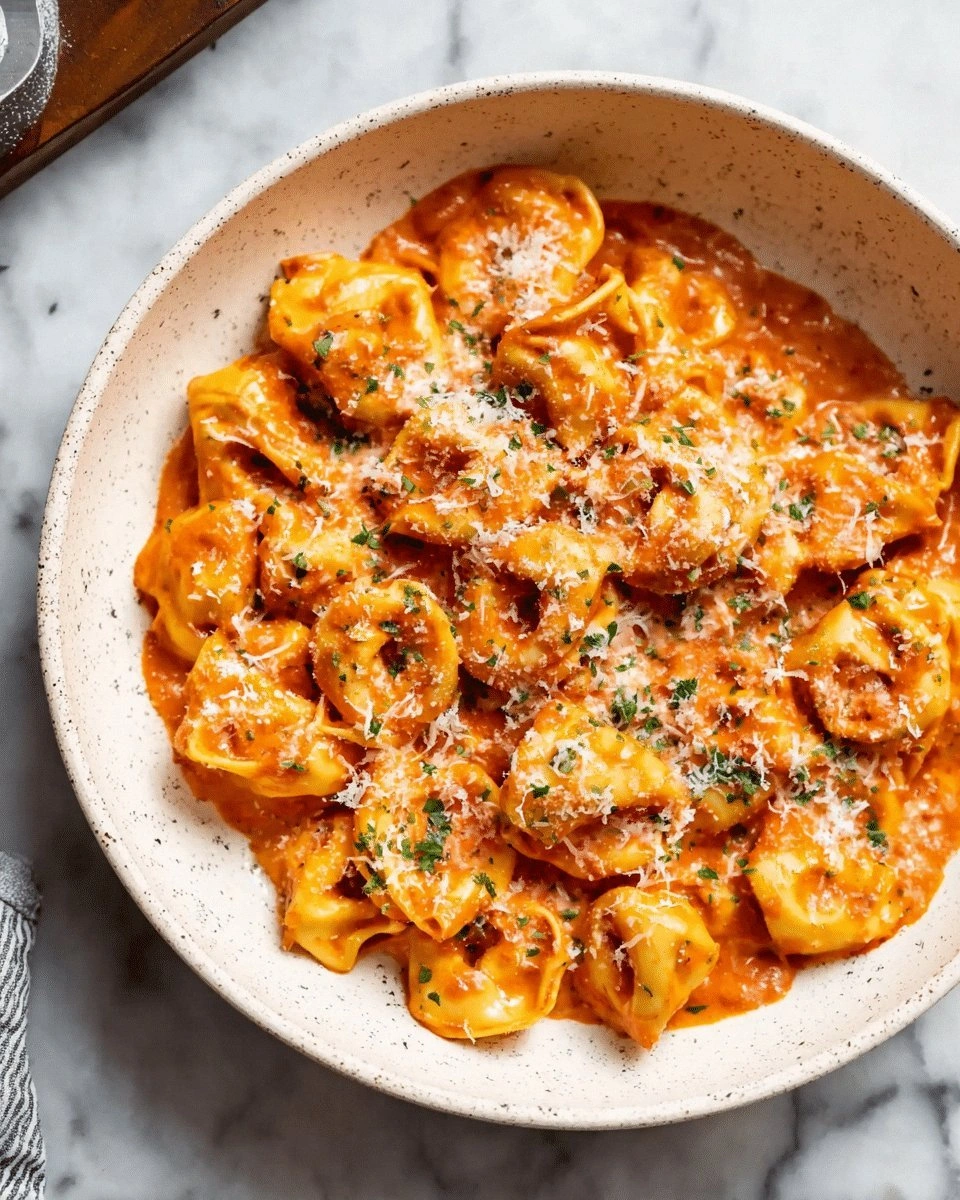
Picture this: the moment you lift the spoon, a fragrant swirl of garlic, basil, and tomato fills the air, the sauce glistening with a creamy sheen that looks almost too good to eat. The sound of the pasta sizzling in olive oil is a gentle, rhythmic hiss that signals the beginning of something special. The first bite delivers a burst of tangy tomato balanced by velvety cream, while the cheese provides a subtle, savory depth that lingers. The texture is a dance of al dente tortellini against a silky sauce that clings to each pocket, and the final sprinkle of fresh basil adds a bright, herbaceous finish. The dish is both comforting and adventurous, making every bite an unexpected delight.
What sets this version apart isn’t just the ingredients—it’s the philosophy behind each step. I’ve distilled the essence of classic Italian comfort food and fused it with modern techniques that elevate flavor and texture. The sauce coats the pasta like velvet, creating a mouthfeel that feels indulgent without being heavy. The use of fresh, high-quality tomatoes gives the dish a bright, authentic taste that you’ll find hard to replicate with canned varieties. And the balance between cream and cheese ensures the dish is rich yet not cloying—an equilibrium that most recipes miss.
There’s a twist you won’t see on most recipe blogs: a splash of balsamic reduction added at the end. This subtle acidity cuts through the richness, giving the sauce a lift that keeps it from feeling too heavy. I dare you to taste this and not go back for seconds, because the finish is crisp, bright, and utterly unforgettable. And if you’re looking for a game-changer, keep reading—this next step is pure magic.
Let me walk you through every single step — by the end, you’ll wonder how you ever made it any other way. The journey begins with the right ingredients, a clear method, and a few insider tricks that will transform an ordinary dish into a showstopper. So grab your apron, and let’s dive into the world of creamy tomato tortellini.
What Makes This Version Stand Out
- Flavor Depth: The combination of fresh tomatoes, a touch of balsamic, and a medley of cheeses creates a sauce that’s both complex and harmonious. The acidity from the tomatoes balances the richness of the cream, while the cheeses add layers of umami.
- Texture Mastery: Al dente tortellini pockets hold the sauce inside, releasing bursts of flavor with every bite. The sauce’s silky consistency coats the pasta like velvet, creating a luxurious mouthfeel.
- Visual Appeal: The golden-brown edges of the tortellini, the glossy sheen of the sauce, and the pop of fresh basil make the dish as beautiful as it is delicious.
- Time Efficiency: With a prep time of just 15 minutes and cooking time of 30, this dish is a perfect weeknight winner that doesn’t skimp on flavor.
- Make‑Ahead Friendly: The sauce can be prepped ahead and reheated without losing its silky texture, making it ideal for meal prep or entertaining.
- Kid‑Friendly: The mild yet flavorful sauce is a hit with children, turning dinner time into a family favorite.
- Ingredient Quality: Using fresh, high‑quality ingredients elevates the dish, turning ordinary pantry staples into a gourmet experience.
- Versatility: The base recipe can be tweaked with protein additions, gluten‑free pasta, or a vegan twist, making it a canvas for creativity.
Alright, let's break down exactly what goes into this masterpiece…
Inside the Ingredient List
The Flavor Base
At the heart of this dish lies the sauce. Fresh, ripe tomatoes form the foundation, offering a bright, tangy profile that cuts through the richness of the cream. I use a blend of San Marzano tomatoes for their natural sweetness and low acidity, ensuring a balanced flavor that doesn’t overpower the other elements. If you’re short on time, a high-quality canned tomato sauce will still work—just stir in a splash of red wine for depth. The sauce also carries a hint of oregano and basil, which anchor the dish in classic Italian tradition.
The Texture Crew
Cream and cheese are the duo that transforms a simple tomato sauce into a luxurious coating. Heavy cream gives the sauce its silky mouthfeel, while grated Parmesan adds a nutty, savory undertone. Ricotta is incorporated to soften the sauce and introduce a gentle, almost sweet note that balances the acidity. The tortellini themselves are the star of the show; I recommend cheese-filled, but spinach or pumpkin varieties also work beautifully. The key is to cook the pasta al dente so it retains a bite, allowing it to cradle the sauce without becoming mushy.
The Unexpected Star
The secret weapon in this recipe is a splash of aged balsamic vinegar added at the very end. This subtle acidity brightens the sauce, giving it a fresh lift that keeps the dish from feeling heavy. Balsamic reduction also adds a glossy sheen and a caramelized note that pairs wonderfully with the creamy base. If balsamic is not your thing, a dash of lemon juice will work, but it won’t provide the same depth of flavor. The trick is to add it just before serving, so the aroma stays vibrant.
The Final Flourish
Fresh basil, toasted breadcrumbs, and a drizzle of olive oil finish the dish. Basil adds a burst of herbal freshness that cuts through the richness, while breadcrumbs offer a delightful crunch that contrasts the creamy sauce. A light sprinkle of cracked black pepper and a pinch of crushed red pepper flakes give the dish a subtle heat that lingers without overwhelming. The final touch is a generous grating of extra Parmesan, which melts into the sauce, creating a cohesive, indulgent flavor profile.
Everything's prepped? Good. Let's get into the real action…
The Method — Step by Step
- Heat a large skillet over medium heat and drizzle the olive oil. Add the diced onion and sauté until translucent, about 3–4 minutes. The onion should soften without browning, creating a fragrant base for the sauce. Once the onions are ready, add the minced garlic and cook for an additional 30 seconds, watching for the aroma to intensify.
- Pour in the fresh tomato puree, stirring to combine with the onion and garlic. Add the oregano, basil, salt, and pepper. Let the mixture simmer gently for 10 minutes, allowing the flavors to meld. The sauce should thicken slightly and develop a rich, aromatic scent that signals it’s ready for the next step.
- Reduce the heat to low and stir in the heavy cream, ricotta, and half of the Parmesan. The sauce will turn silky and glossy as the cheeses melt into the creamy base. Keep the heat low to prevent the cream from curdling—if it starts to separate, remove the pan from the heat immediately and whisk vigorously.
- Meanwhile, bring a large pot of salted water to a boil. Add the cheese tortellini and cook according to package instructions, usually 3–4 minutes for fresh pasta. Drain, reserving a cup of pasta water, and rinse the tortellini under cold water to stop the cooking process. This step ensures the pasta stays firm and ready to absorb the sauce.
- Return the drained tortellini to the skillet with the sauce, tossing gently to coat each piece. If the sauce seems too thick, add a splash of the reserved pasta water to reach the desired consistency. Let the mixture simmer for 2–3 minutes so the pasta can soak up the flavors.
- Stir in the balsamic reduction and the remaining Parmesan. The sauce should glisten, and the basil should be bright and aromatic. Plate the pasta, garnish with toasted breadcrumbs, chopped fresh basil, and a final grating of Parmesan. Serve immediately while hot and fragrant.
- Optional: For an extra layer of flavor, sprinkle a few crushed red pepper flakes or a pinch of smoked paprika over the finished dish. This subtle heat adds complexity without overpowering the creamy base.
That's it — you did it. But hold on, I've got a few more tricks that'll take this to another level…
Insider Tricks for Flawless Results
The Temperature Rule Nobody Follows
Maintaining low heat while adding cream is crucial. If the pan heats too high, the cream will separate, leaving a greasy sauce. Keep the burner on low and stir constantly; this ensures a smooth, velvety texture that clings to every tortellini pocket. I once tried to rush it on high heat and ended up with a curdled mess that required a rescue with a splash of milk.
Why Your Nose Knows Best
Smell is your best ally. As the sauce simmers, the aroma will evolve from raw tomato to a caramelized, almost sweet scent. When you catch that fragrant hint, it’s a sign the sauce is ready to move to the next step. I’ve found that the moment the sauce smells like a summer garden, the flavors are at their peak.
The 5‑Minute Rest That Changes Everything
After cooking, let the pasta sit covered for five minutes before serving. This short rest allows the sauce to settle and the tortellini to absorb the flavors fully. It also gives the sauce a chance to thicken slightly, giving the dish a richer mouthfeel. Skip this step, and you’ll end up with a sauce that feels watery.
The Right Cheese Ratio
Balancing the cheeses is key. Too much Parmesan can overpower the delicate tomato flavor, while too little can leave the sauce bland. I use a 2:1 ratio of cream to cheese, which creates a harmonious blend that’s creamy but not heavy. If you prefer a sharper taste, increase the Parmesan slightly but keep the cream to maintain that silky texture.
The Balsamic Boost
Adding balsamic reduction at the end is a simple step that transforms the dish. The acidity brightens the sauce, and the reduction’s natural sweetness adds depth. If you don’t have balsamic, a dash of lemon juice will work, but the flavor profile will shift toward a more citrusy finish.
Creative Twists and Variations
This recipe is a playground. Here are some of my favorite ways to switch things up:
Spinach & Feta Tortellini
Swap the cheese tortellini for spinach-filled ones and fold in crumbled feta. The feta’s briny tang pairs beautifully with the sweet tomato sauce, creating a Mediterranean vibe that’s sure to impress.
Pumpkin & Sage Tortellini
Use pumpkin-stuffed tortellini and add a handful of fresh sage leaves to the sauce. The earthy pumpkin complements the sweet tomato, while sage provides a warm, aromatic note.
Vegan Creamy Tomato Tortellini
Replace the heavy cream with coconut milk and use vegan Parmesan. This version maintains the creamy texture while keeping the dish plant-based and dairy-free.
Spicy Arrabbiata Twist
Add a generous pinch of crushed red pepper flakes to the sauce and serve with a drizzle of chili oil. The heat elevates the dish, making it a bold, spicy option for adventurous palates.
Breakfast Edition
Serve the tortellini with a sunny‑side‑up egg on top and a sprinkle of smoked paprika. The egg’s richness adds a breakfast‑friendly twist, perfect for a weekend brunch.
Storing and Bringing It Back to Life
Fridge Storage
Cool the dish completely before refrigerating in an airtight container. Store for up to 3 days. When reheating, add a splash of milk or water to loosen the sauce and bring it back to silky perfection.
Freezer Friendly
Freeze in a freezer‑safe container for up to 2 months. Thaw overnight in the fridge, then reheat gently on the stovetop with a bit of water or broth to restore moisture. The sauce may separate slightly; whisk vigorously to recombine.
Best Reheating Method
Reheat in a saucepan over low heat, stirring constantly. Add a tablespoon of water or broth if the sauce thickens too much. Finish with a drizzle of olive oil for a glossy finish and serve immediately.