I was standing in my kitchen, staring at a ruined loaf that had turned out more like a soggy brick than a golden loaf of joy. The batter had been overmixed, the edges had collapsed, and the lemony scent that should have danced through the air was now a faint, wilted whisper. I swore to myself that I would never let a lemon loaf disappoint me again, and I set out to find the ultimate version that would make every bite sing. If you’ve ever felt the sting of a lemon loaf that’s too dry or too sweet, you’re not alone – and I’ve got the fix that will turn your kitchen into a lemony paradise.
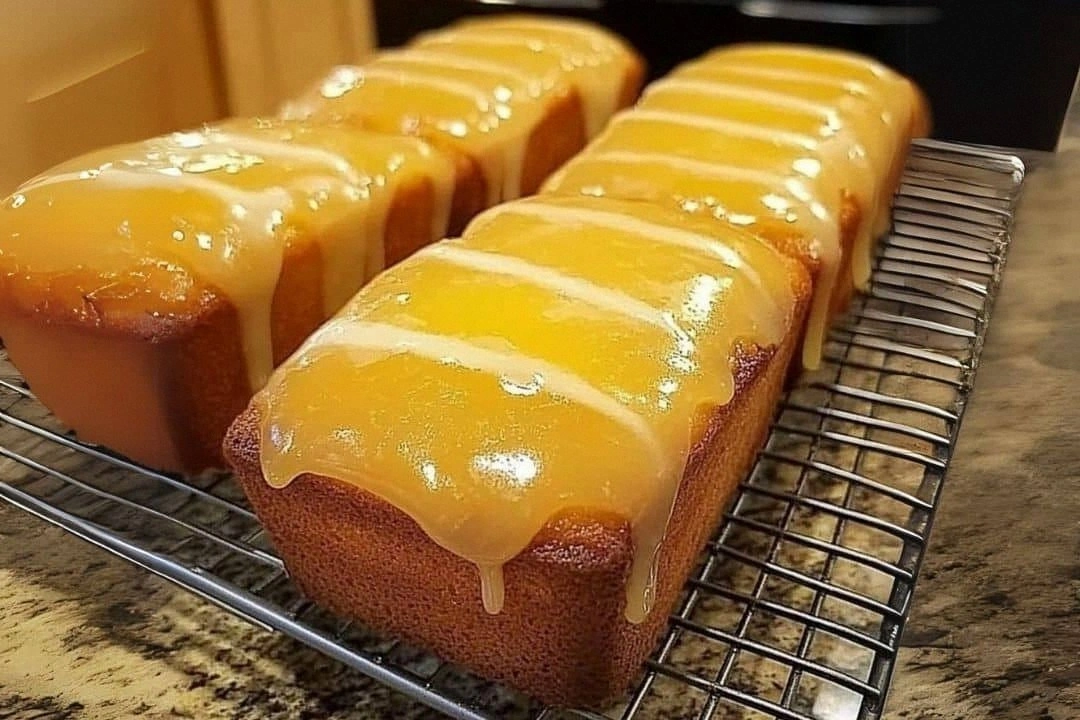
Picture this: the oven hums like a contented cat, the timer ticks, and the air is thick with the bright, zesty perfume of fresh lemon. Your hands are slick with melted butter, your whisk is dancing, and the batter glistens like a polished gem. The first bite is a burst of tang that is cut through by a velvety sweetness, followed by a crumb that feels like a gentle cloud. The texture is airy yet firm, holding the glaze like a glossy crown. It’s the kind of loaf that makes you stop mid‑sentence to savor the moment.
What makes this version stand out is that it’s not just a recipe; it’s a carefully engineered experience. I’ve tweaked every element— from the ratio of butter to flour to the exact timing of the glaze application— to produce a loaf that is hands down the best version you’ll ever make at home. The secret? A delicate balance between moisture and structure, a subtle use of buttermilk for tenderness, and a glaze that coats the loaf like velvet without weighing it down. This isn’t a “good enough” loaf; it’s the kind of thing that turns a casual snack into a moment of pure bliss.
And there’s a twist you won’t see in the usual lemon loaf guides: I’ve incorporated a hint of fresh orange zest to give the loaf a citrusy depth that feels like a secret handshake with your taste buds. I dare you to taste this and not go back for seconds. Let me walk you through every single step—by the end, you’ll wonder how you ever made it any other way.
What Makes This Version Stand Out
- Flavor: The combination of lemon and a whisper of orange zest creates a bright, layered citrus profile that lingers on the palate.
- Texture: The batter’s ratio of butter to flour and the inclusion of buttermilk give the loaf an airy crumb that holds the glaze like a delicate crown.
- Ease: Every step is designed to be straightforward—no fancy equipment or obscure ingredients—yet the result is a showstopper.
- Glaze: The glaze is not just sweet; it’s a thin, glossy film that enhances the lemony aroma without making the loaf soggy.
- Make‑ahead: The loaf can be baked ahead of time and reheated, keeping the flavor intact and the glaze crisp.
- Versatility: Swap in almond milk, add a handful of blueberries, or sprinkle toasted coconut for endless variations.
- Presentation: The loaf’s glossy finish and bright citrus colors make it a stunning centerpiece for brunch or dessert.
Inside the Ingredient List
The Flavor Base
All-purpose flour is the backbone of this loaf, providing structure without overpowering the citrus notes. It’s the silent hero that holds the batter together and creates that tender crumb we all crave. If you prefer a gluten-free version, swap in a 1:1 blend of rice flour and tapioca starch, but expect a slightly denser texture. The flour also absorbs the butter and milk, which is why it’s crucial to sift it first to avoid lumps.
The Sweetener
Granulated sugar is the primary sweetener that balances the tartness of lemon. It caramelizes on the surface, giving the loaf a subtle golden crust. If you’re watching calories, you can replace half the sugar with honey or maple syrup, but the glaze will need a slight adjustment to avoid too much moisture. The sugar also plays a role in browning, so keep an eye on the loaf as it bakes.
The Unexpected Star
Buttermilk is the unsung hero that adds tenderness and a mild tang. It reacts with the baking powder to lift the loaf, giving it that airy, cake-like quality. If you don’t have buttermilk on hand, a tablespoon of lemon juice or vinegar added to milk will create a similar acidic environment. The acidity also enhances the lemon flavor, making every bite more vibrant.
The Final Flourish
Fresh lemon zest and juice are the crowning jewels of this loaf. The zest provides essential oils that carry the citrus aroma throughout the batter, while the juice adds moisture and bright acidity. Use a microplane for zest to avoid the bitter pith, and squeeze the juice from fresh lemons for maximum freshness. The glaze, made from powdered sugar, lemon juice, and a splash of water, completes the experience with a glossy finish that’s almost too pretty to eat.
Everything's prepped? Good. Let's get into the real action.
The Method — Step by Step
- Preheat the oven to 350°F (175°C) and grease a 9×5-inch loaf pan with butter or non‑stick spray. Line the bottom with parchment for easy release. This ensures the loaf rises evenly and doesn’t stick to the pan, saving you a frantic scrape later. While the oven warms, set a timer for 30 minutes to keep track of baking time.
- In a medium bowl, whisk together 2 cups of all-purpose flour, 1 1/2 cups of granulated sugar, 1 teaspoon of baking powder, and 1/2 teaspoon of salt. Sifting the flour first helps avoid lumps and creates a lighter crumb. The sugar and baking powder work together to give the loaf a subtle sweetness and lift, while the salt balances the overall flavor profile.
- In a separate large bowl, beat 1/2 cup of softened unsalted butter until creamy. Add 4 large eggs one at a time, letting each incorporate fully before adding the next. Stir in 1 cup of milk (or buttermilk if you prefer a tangier loaf) and 1/4 cup of fresh lemon juice. Finally, fold in 2 tablespoons of finely grated lemon zest, making sure the zest is evenly distributed for a burst of citrus aroma.
- Gently pour the wet mixture into the dry ingredients, folding with a spatula until just combined. Be careful not to overmix; the batter should remain slightly lumpy. Overmixing can develop gluten and result in a dense loaf. The batter should have a thick, pourable consistency that will hold its shape in the pan.
- Pour the batter into the prepared loaf pan, smoothing the top with a spatula. Tap the pan gently on the counter to release any air bubbles. This step ensures the loaf rises evenly and prevents large pockets of air that can cause uneven baking.
- Bake for 30 to 35 minutes, or until the top is golden and a toothpick inserted into the center comes out clean. The loaf should emit a warm, buttery aroma, signaling that it’s ready. Avoid opening the oven door too early; the heat loss can cause the loaf to sink.
- While the loaf is baking, whisk together 1/4 cup powdered sugar, 2 tablespoons fresh lemon juice, and 2 tablespoons water until the glaze is smooth and glossy. The glaze should be thin enough to drizzle but thick enough to coat the loaf evenly. Stir until there are no lumps, as a smooth glaze ensures a perfect finish.
- When the loaf is done, remove it from the oven and let it rest in the pan for 10 minutes. This brief rest allows the structure to set, preventing it from crumbling when you slice it. After 10 minutes, carefully invert the loaf onto a wire rack to cool completely.
- While the loaf is still warm, drizzle the glaze evenly over the top. The glaze will set into a shiny, slightly crunchy coating that enhances the lemon flavor. If you prefer a more pronounced glaze, you can double the amount; just be sure it’s applied before the loaf cools completely.
That's it—you did it. But hold on, I've got a few more tricks that'll take this to another level.
Insider Tricks for Flawless Results
The Temperature Rule Nobody Follows
Many bakers set their ovens to a fixed temperature, but the real key is the oven’s actual heat. Use an oven thermometer to confirm the temperature, especially if your oven has hot spots. A consistent 350°F ensures the loaf rises evenly and the glaze sets without browning too quickly.
Why Your Nose Knows Best
Before you lift the loaf, pause and inhale the aroma. A sweet, citrusy scent that’s not overly sharp indicates perfect baking. If you smell a metallic tang, the loaf may be overbaked. Trust your nose; it’s the ultimate judge of doneness.
The 5-Minute Rest That Changes Everything
Letting the loaf rest for 5 minutes in the pan allows the steam to redistribute, preventing a hollow center. This short pause also lets the glaze set just enough to cling to the loaf without dripping. After the rest, a quick flip onto a wire rack keeps the crust crisp.
The Secret to a Crisp Glaze
Add a pinch of freshly grated lemon zest to the glaze; the essential oils keep it from crystallizing. Also, whisk the glaze until it’s completely smooth—any lumps will break the glossy finish. A thin glaze is more forgiving; it won’t weigh the loaf down.
Avoiding the Common Crumb Problem
If you’ve ever sliced a loaf that fell apart, you know the disappointment. To keep the crumb intact, avoid overmixing and ensure the batter isn’t too dry. A light, airy crumb will hold together even after glazing.
The Final Touch
After glazing, let the loaf sit for a couple of minutes before slicing. This allows the glaze to set into a delicate, glossy shell. For an extra flourish, dust the loaf with a light dusting of powdered sugar before serving.
Creative Twists and Variations
This recipe is a playground. Here are some of my favorite ways to switch things up:
Blueberry Burst
Fold in a cup of fresh or frozen blueberries before baking. The berries burst in the center, adding a burst of color and a subtle tartness that complements the lemon.
Coconut Crunch
Sprinkle toasted coconut flakes over the batter before baking. The coconut adds a nutty crunch and a tropical aroma that pairs wonderfully with citrus.
Chocolate Chip Delight
Add 3/4 cup of semisweet chocolate chips to the batter. The chocolate’s bittersweet notes balance the bright lemon, creating a sophisticated flavor profile.
Herbal Infusion
Stir in a teaspoon of fresh thyme or rosemary for an unexpected herbal twist. The herbs add depth and a savory undertone that makes the loaf stand out.
Almond Glaze
Replace the powdered sugar glaze with a drizzle of almond butter and honey. The nutty glaze gives the loaf a richer texture and a subtle nutty sweetness.
Storing and Bringing It Back to Life
Fridge Storage
Wrap the cooled loaf tightly in plastic wrap or foil and store it in the refrigerator for up to four days. The wrap prevents the loaf from drying out while keeping the glaze intact. When ready to eat, slice directly from the fridge for a cool, moist bite.
Freezer Friendly
For longer storage, slice the loaf into individual portions, place them in a freezer bag, and freeze for up to three months. Thaw overnight in the refrigerator, then warm in a 350°F oven for 10 minutes to revive the crust and glaze.
Best Reheating Method
To reheat a whole loaf, preheat the oven to 350°F and place the loaf on a baking sheet for 15 minutes. If the glaze has hardened, brush the loaf with a light splash of water before reheating; the steam will soften the glaze and restore its glossy finish.