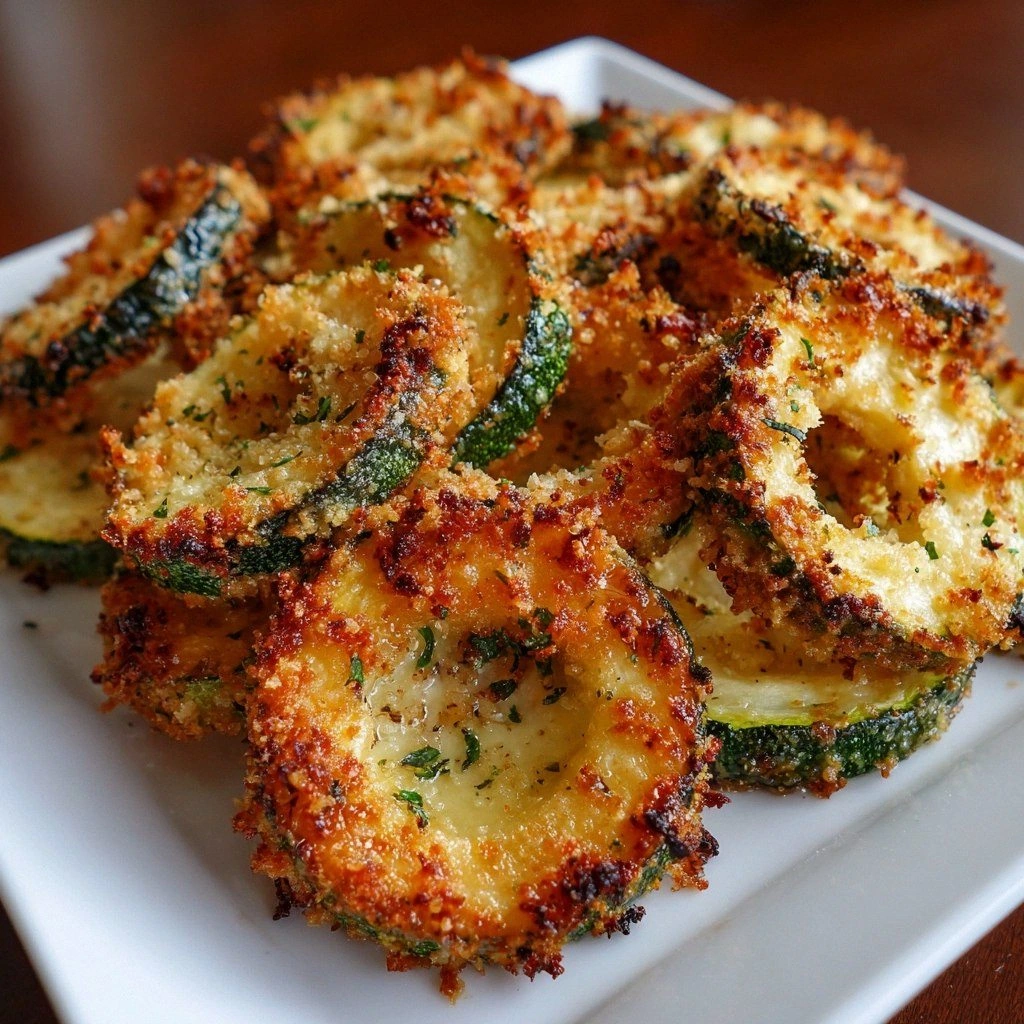
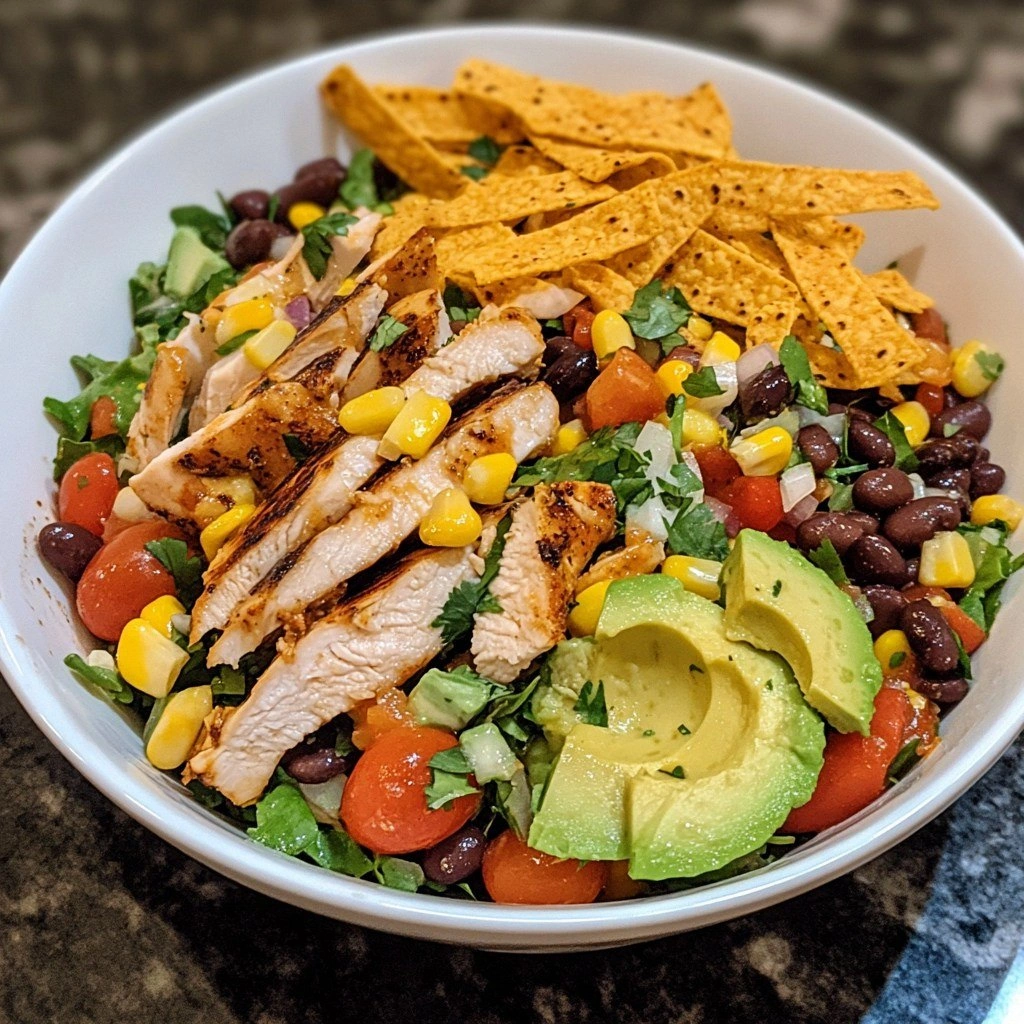
I was standing in my kitchen, eyes glued to the blinking timer on the microwave, when the disaster unfolded: my attempt at a “quick chicken salad” turned into a soggy, flavorless mess that smelled like a forgotten take‑out container. The chicken was overcooked, the dressing was a bland yogurt slurry, and the handful of herbs had barely made an impression. That night, I swore I’d never again settle for a salad that tasted like a salad. I’ve since turned that failure into a culinary triumph that feels like a secret weapon in my pantry.
Picture this: the first bite is a burst of citrusy tang from fresh lemon juice, followed by the silky, tangy coating of Greek yogurt that feels like velvet on your palate. The crunch of celery and the subtle snap of red onion echo like crisp percussion, while a handful of walnuts or sweet grapes add a pop of texture that dances against the creamy base. The aroma is a fresh herb garden, with dill and parsley weaving through the air, and the faint scent of Dijon mustard hints at a savory depth that lingers. Every element feels intentional, not just a garnish; it’s a symphony of flavors and textures that keeps you coming back for more.
What sets this version apart is that it’s not just a salad; it’s a showcase of balance. The yogurt isn’t just a filler—it’s the backbone that holds the chicken together while keeping the dish light. Fresh herbs are used in generous, yet measured amounts so that they don’t overwhelm, but rather lift the entire dish. The walnuts or grapes add a satisfying contrast that keeps the mouth moving, and the lemon‑mustard dressing brings a bright, slightly spicy finish that cuts through the richness. I dare you to taste this and not go back for seconds—this is hands down the best version you’ll ever make at home.
And here’s the kicker: I discovered that a simple trick—letting the yogurt rest for a few minutes after mixing the dressing—creates a silky, cohesive sauce that coats the chicken like a second skin. It’s a tiny tweak that transforms a run‑of‑the‑mill salad into something that feels freshly made, even when you’re prepping ahead. I’ll be honest—once I tried this, I ate half the batch before anyone else got a chance to taste it. If you’ve ever struggled with a salad that falls apart, you’re not alone—and I’ve got the fix.
Okay, ready for the game‑changer? Let me walk you through every single step—by the end, you’ll wonder how you ever made it any other way.
What Makes This Version Stand Out
- Flavor: The dressing marries the earthiness of Greek yogurt with the bright acidity of lemon and the sharp bite of Dijon mustard, creating a layered taste that’s both comforting and invigorating.
- Texture: The crunchy celery and crisp red onion provide a satisfying bite, while the walnuts or grapes add a subtle pop that keeps the mouth moving.
- Freshness: Using fresh dill and flat‑leaf parsley ensures the salad feels alive; the herbs bring a green, almost floral note that elevates every forkful.
- Protein Power: Three cups of cooked chicken give you a hearty protein punch, making this dish filling enough to serve as a main course.
- Versatility: The salad can be served on its own, atop a bed of greens, or stuffed into pita pockets—perfect for any meal scenario.
- Make‑ahead Friendly: The dressing can be prepared a day in advance, and the salad holds up well in the fridge, making it an excellent option for busy weekdays.
- Nutrition: With only 350 calories per serving, this dish packs a lean protein load while keeping fats and carbs in check.
- Visual Appeal: The vibrant green herbs, pale chicken, and specks of walnut or grape create a colorful plate that feels as good to look at as it does to eat.
Inside the Ingredient List
The Flavor Base
The Greek yogurt is the heart of the dressing; it provides a creamy texture that coats the chicken and keeps the salad moist. The Dijon mustard adds a subtle piquancy that cuts through the richness of the yogurt, while the fresh lemon juice injects a bright, citrusy lift that keeps the dish from feeling flat. If you skip the mustard, the dressing will be smoother but lack that signature depth; a dash of honey can compensate, but the flavor profile shifts.
The Texture Crew
Celery and red onion bring a satisfying crunch that balances the softness of the chicken and the dressing. The celery’s fibrous stalks add a refreshing bite, whereas the onion offers a sharp, slightly sweet undertone that enhances the overall taste. Skipping either will leave the salad feeling one‑dimensional; consider swapping in cucumber or bell pepper for a different crunch.
The Unexpected Star
Walnuts or halved red grapes are the secret weapons that add both texture and flavor complexity. The walnuts contribute a nutty, earthy note that pairs beautifully with the herbs, while the grapes introduce a burst of natural sweetness that counters the tangy dressing. If you’re watching your calorie count, substitute a handful of dried cranberries for a lower‑fat option, but the fresh grapes offer the best flavor synergy.
The Final Flourish
Fresh dill and flat‑leaf parsley are the finishing touches that elevate the dish from ordinary to extraordinary. Dill’s subtle anise flavor brightens the salad, while parsley adds a clean, herbal brightness that rounds off the flavor profile. If you can’t find dill, tarragon or basil can be used as an alternative, though the flavor will shift slightly.
Everything's prepped? Good. Let's get into the real action...
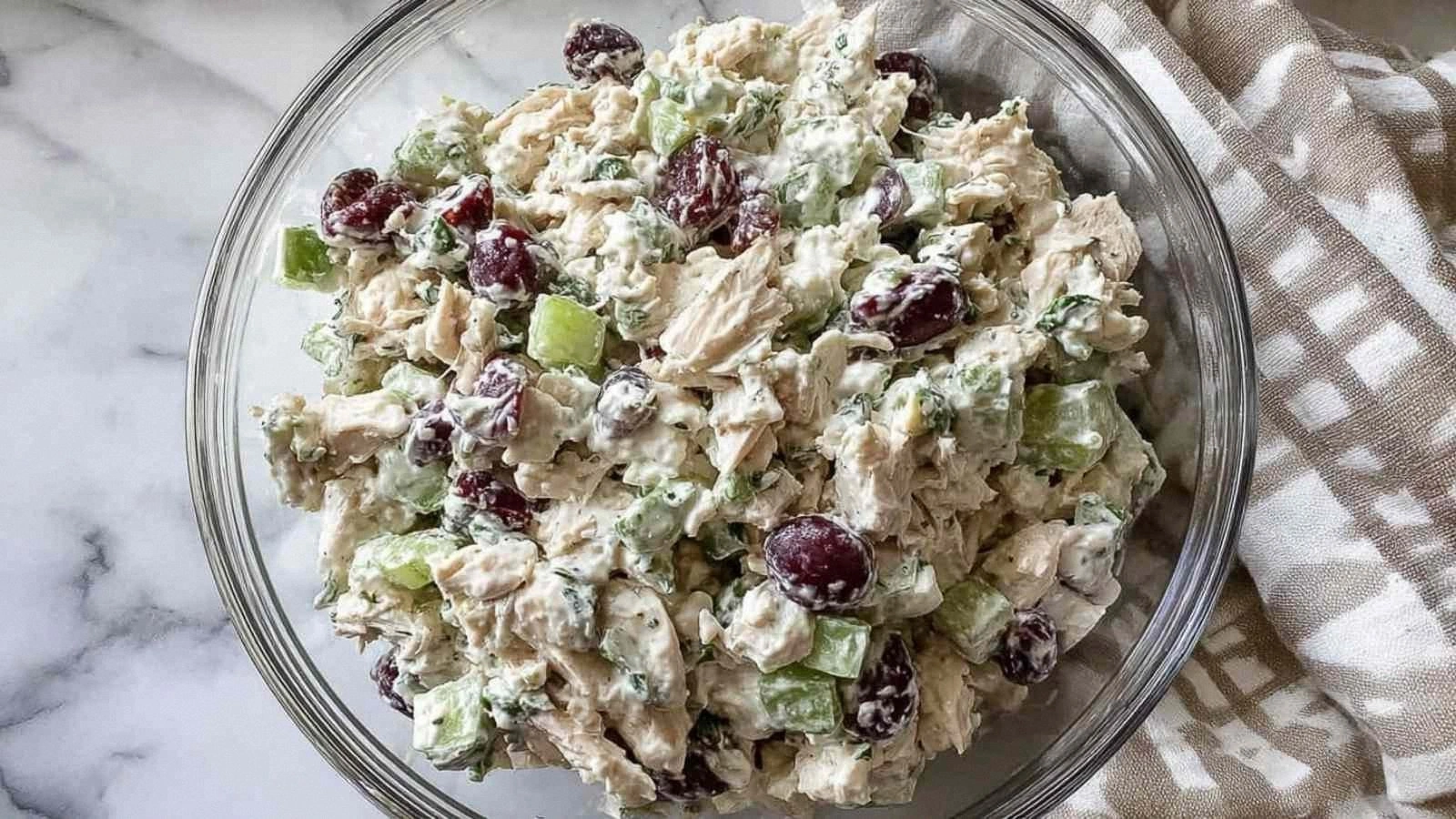
The Method — Step by Step
- First, combine the Greek yogurt, Dijon mustard, lemon juice, salt, and black pepper in a medium bowl. Whisk until the mixture is smooth and the mustard is fully incorporated. The dressing should have a silky consistency that’s thick enough to coat the chicken but still pourable. This is the moment of truth: if the dressing is too thick, add a splash of water or a tablespoon of olive oil to loosen it.
- While the dressing rests, shred or dice the cooked chicken into bite‑sized pieces. If you’re using rotisserie chicken, let it cool slightly before shredding to avoid a soggy texture. Toss the chicken gently in the dressing, ensuring every piece is coated evenly. The chicken should look glossy, like a well‑finished sauce, but not drenched.
- Chop the celery and red onion into uniform, bite‑sized pieces. The uniformity ensures an even crunch and a balanced distribution of flavors. Add the chopped vegetables to the bowl and toss gently so they’re coated in the dressing. The salad should look vibrant, with green and white specks dancing across the surface.
- Fold in the fresh dill and flat‑leaf parsley. These herbs need to be added last to preserve their bright, fresh flavor; otherwise, the heat from the chicken can wilt them. Gently stir until the herbs are evenly distributed, creating a fragrant, herbaceous aroma that signals the dish is nearly ready.
- Now, incorporate the walnuts or halved red grapes. If you choose walnuts, toast them lightly in a dry skillet over medium heat for 1–2 minutes to release their oils and deepen their flavor. If you opt for grapes, simply slice them in half and add them for a burst of sweetness. Toss the salad again, ensuring the nuts or grapes are evenly distributed.
- Taste the salad and adjust seasoning if needed. A pinch more salt or a splash of lemon juice can brighten the dish, while a drizzle of olive oil can smooth out the dressing. The goal is a harmonious balance where each ingredient shines without overpowering the others.
- Cover the bowl with plastic wrap and refrigerate for at least 30 minutes to allow the flavors to meld. The salad will become more cohesive as the dressing sets and the herbs infuse the chicken. When you’re ready to serve, give it a quick stir and adjust the seasoning if necessary. And that's it—you did it. But hold on, I've got a few more tricks that'll take this to another level…
Insider Tricks for Flawless Results
The Temperature Rule Nobody Follows
Don’t let the chicken get too hot when mixing it with the dressing; if it’s too warm, the yogurt can curdle, creating a grainy texture. Keep the chicken at room temperature or slightly chilled for optimal consistency. I once served a salad with warm chicken, and the dressing collapsed—lesson learned.
Why Your Nose Knows Best
Before adding the final pinch of salt, sniff the salad. A faint, fresh aroma indicates the herbs are still vibrant. If the scent feels flat, let the salad sit for a few more minutes; the flavors will mature and the herbs will release their oils.
The 5-Minute Rest That Changes Everything
After tossing the salad, let it rest for exactly five minutes before serving. During this brief pause, the dressing thickens and the flavors fuse, creating a more harmonious bite. I’ve found that a salad served immediately after mixing feels raw, whereas a five‑minute rest brings out the depth.
The “Add‑a‑Splash” Trick
If the salad feels too thick, add a splash of cold water or a drizzle of olive oil. This simple adjustment restores the silky texture without diluting the flavor. I used this trick when I accidentally over‑mixed the dressing, and the result was a perfectly balanced salad.
The Herb‑First Approach
Add herbs after the dressing has settled to preserve their bright, green flavor. If you add them too early, the heat from the chicken can wilt them, resulting in a muted taste. I’ve tried both methods, and the herb‑first approach always wins.
The “No‑Heat” Rule for Nuts
If you prefer raw nuts, skip the toasting step entirely. Raw walnuts provide a softer bite and a milder flavor, which can be ideal for a lighter salad. However, the toasting step is essential if you want a deeper, nutty aroma that complements the herbs.
Creative Twists and Variations
This recipe is a playground. Here are some of my favorite ways to switch things up:
Mediterranean Kick
Swap the walnuts for chopped kalamata olives and add a tablespoon of feta cheese for a briny, salty contrast. The olives bring a deep, savory flavor that pairs wonderfully with the lemony dressing.
Asian Fusion
Replace the Greek yogurt with a light coconut yogurt and add a teaspoon of sesame oil to the dressing. Toss in sliced cucumber and a handful of edamame for a refreshing, protein‑rich variation.
Summer Berry Boost
Instead of grapes, use a mix of fresh strawberries and blueberries. The berries add a juicy sweetness that pairs beautifully with the tangy dressing and the fresh herbs.
Low‑Carb Edition
Omit the celery and replace it with diced avocado for a creamy texture. The avocado adds healthy fats and a buttery flavor that keeps the salad filling without the carbs.
Protein Powerhouse
Add a scoop of whey protein powder to the dressing for an extra protein boost. Mix until smooth; the protein powder will absorb the dressing and give the salad a thicker, more substantial feel.
Garden Fresh Twist
Use a mix of spring greens—arugula, spinach, and radicchio—underneath the salad for an added layer of texture and a peppery bite that complements the herbs.
Storing and Bringing It Back to Life
Fridge Storage
Store the salad in an airtight container in the refrigerator for up to 2 days. Keep the dressing separate until you’re ready to serve to maintain the salad’s crispness. When you’re ready, give the salad a gentle stir to redistribute the dressing.
Freezer Friendly
Freezing isn’t recommended for this salad because the yogurt can separate and the nuts may become soggy. If you must freeze, separate the dressing and the chicken, and freeze them individually. Thaw in the refrigerator and re‑whisk the dressing before combining.
Best Reheating Method
If you need to reheat, do so gently in a microwave on low power for 30–45 seconds, then stir in a splash of water or a drizzle of olive oil to restore moisture. Avoid high heat, which can break down the yogurt and create a watery texture.